Shell, Engie, Schneider Electric and other multinational energy companies have recently announced ambitious goals to extend electricity access to about 200 million people, 20% of the unelectrified population globally, within a decade.
Why it matters: The seventh UN-backed Sustainable Development Goal (SDG 7) is delivering affordable, reliable, sustainable and modern electricity to the 1 billion people around the world living in the dark. It's a major challenge, but presents both humanitarian and economic opportunities to companies with deep pockets and large geographical footprints.
In the near-term, the new OPEC+ deal may have steadied the volatile market; while in the long-term, the U.S. influence on global markets is now massive.
The big picture: The International Energy Agency's latest oil market analysis is a CliffsNotes look at how the U.S. has joined Russia and Saudi Arabia as entrenched members of the super-producers club. The U.S. pumps well over 11 million barrels of crude per day and climbing.
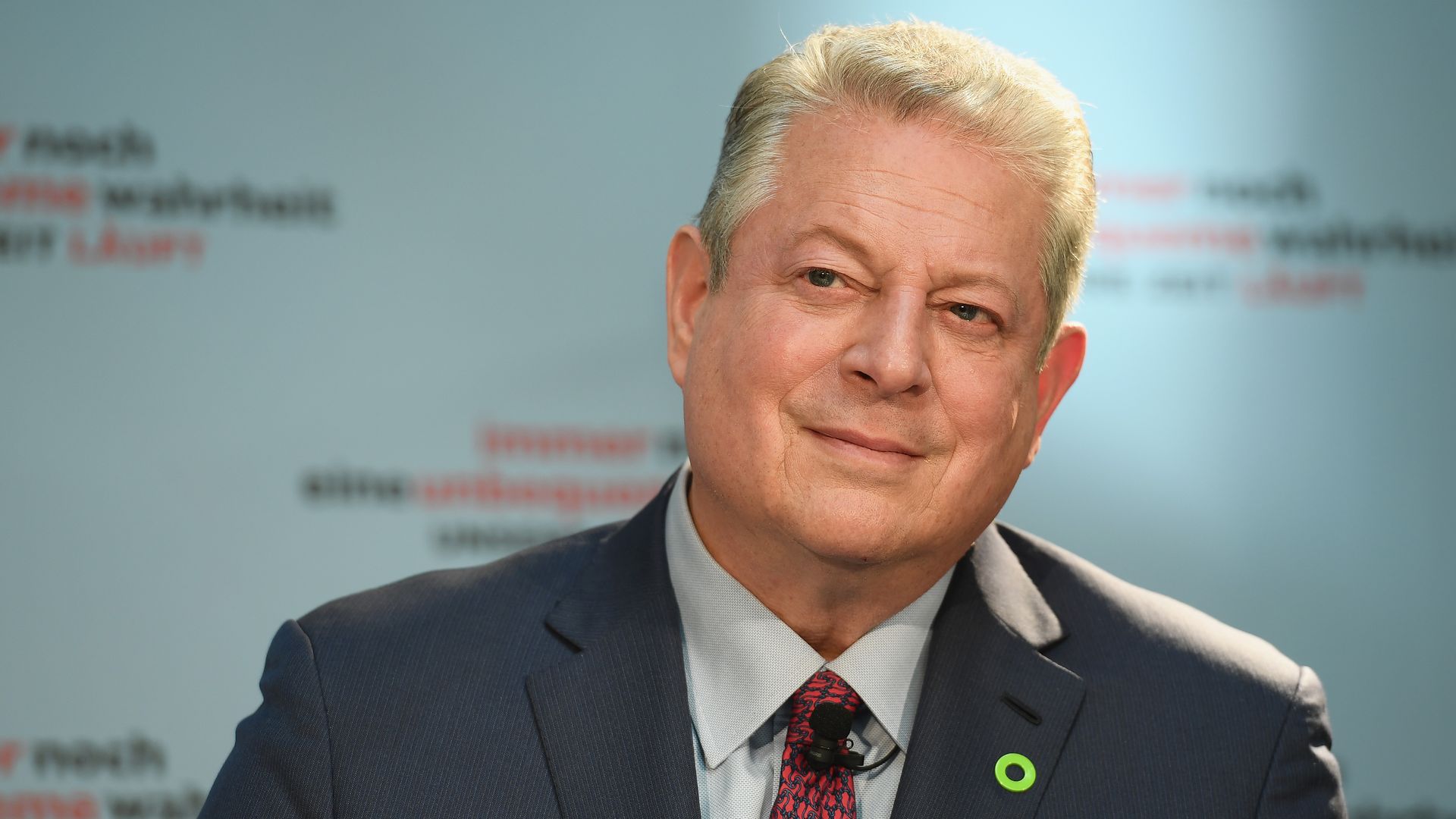
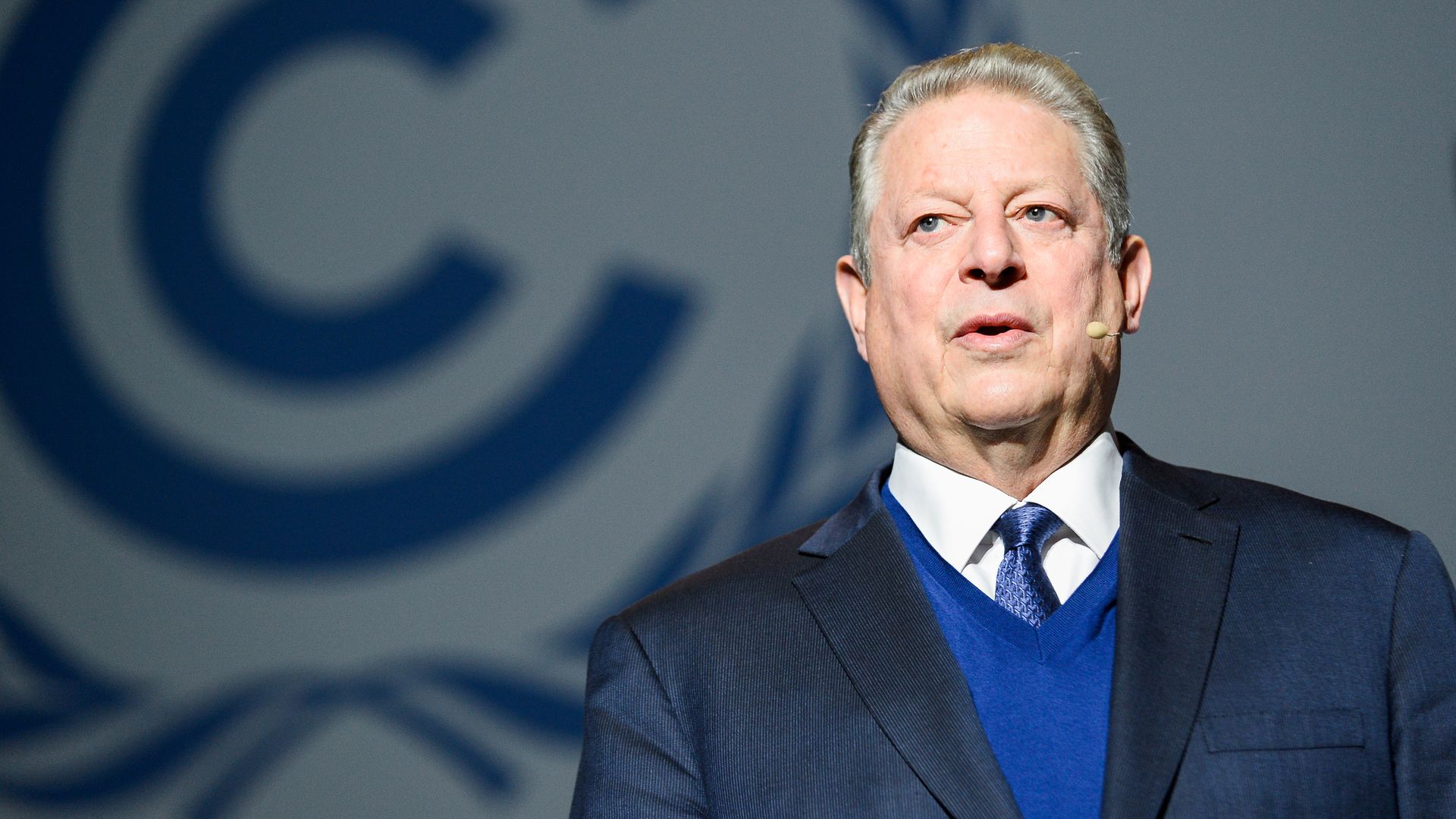
KATOWICE, Poland — Al Gore sat down with Axios for an exclusive interview at the annual United Nations climate confab, which this year is being held in this old coal-mining city.
Why he matters: The former vice president and long-time climate activist has been influential in raising awareness on climate change for decades and for what critics describe as polarizing the issue. Here are excerpts of our nearly 30-minute interview.
KATOWICE, Poland — Al Gore is optimistic the world will effectively address climate change despite being pessimistic on technology many scientists say is critical to that end.
Why it matters: Gore’s remarks, made during an interview with Axios on Wednesday, put him at odds with a number of experts and scientists. A seminal report issued in October by a United Nations scientific panel found the technology, which captures carbon dioxide emissions from fossil fuels, to be critical to keeping global temperatures below a level that would avoid the worst impacts of a warmer world.
A new report finds that a key multilateral initiative to scale up clean energy R&D and demonstration funding, called Mission Innovation (MI), isn't on pace to hit its targets.
What's happening: The Information Technology & Innovation Foundation takes the pulse of the program launched in late 2015, in which a suite of nations, including the U.S., pledged to double the clean energy R&D over 5 years to jointly reach roughly $30 billion.
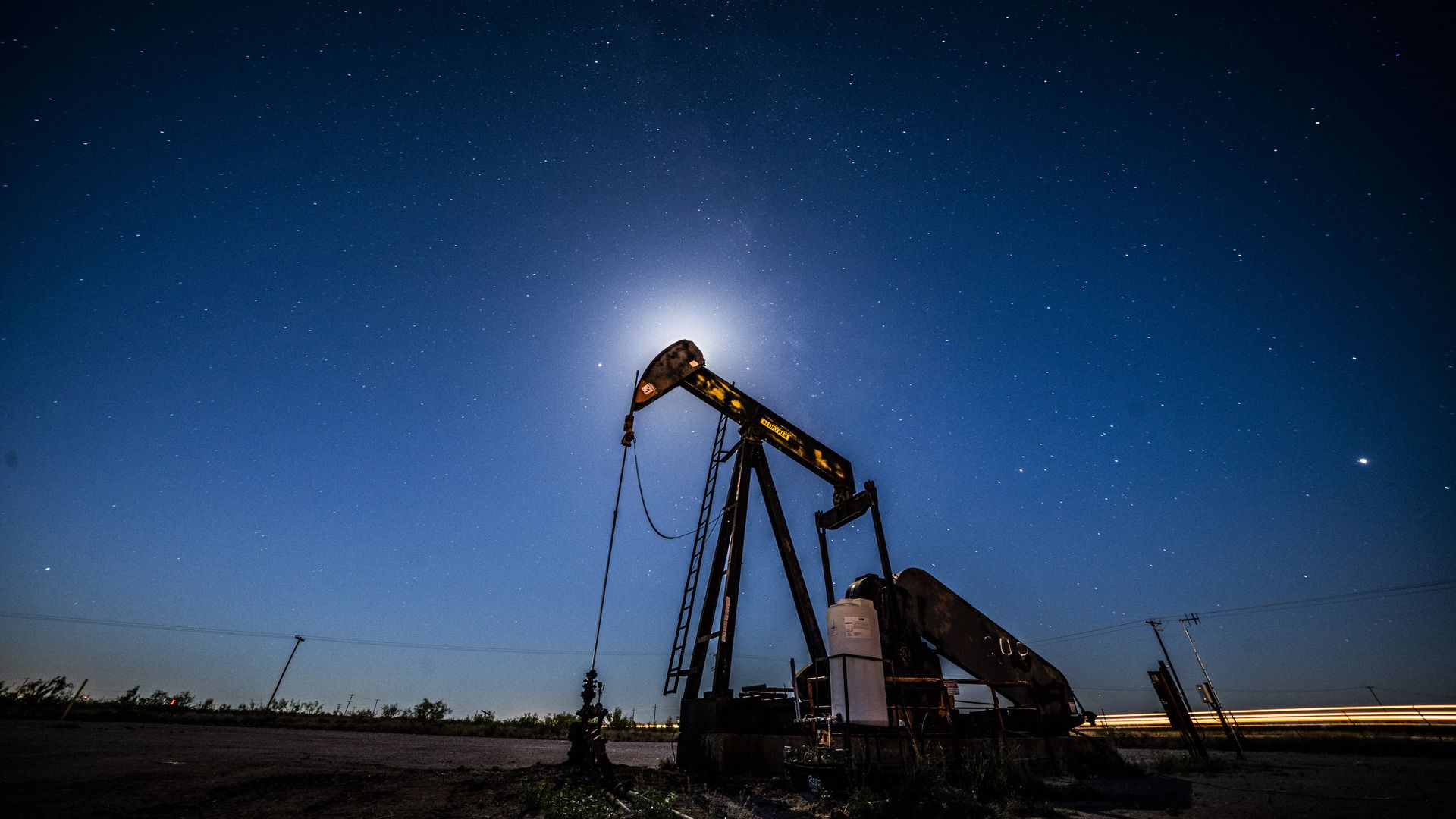
The Energy Information Administration's new monthly outlook cuts a lot — $11-per-barrel! — from their 2019 average oil price forecast. They now see Brent crude averaging $61 and WTI averaging $54.
Why it matters: Analysts are often playing catch up, and the big revision is a sign of how quickly the oil market can shift, as OPEC and Russia respond to the rise of U.S. shale and analysts weigh signs of softening global demand and other forces.
The big picture: The U.S. holds over 35% of institutional investment for the coal industry, the largest share in the world. And in recent years, U.S. investors have started to lag behind leading European institutions when it comes to climate-friendly investing: AXA, UBS and c all have policies in place to restrict investments in thermal coal and offer far less coal-intense index funds.
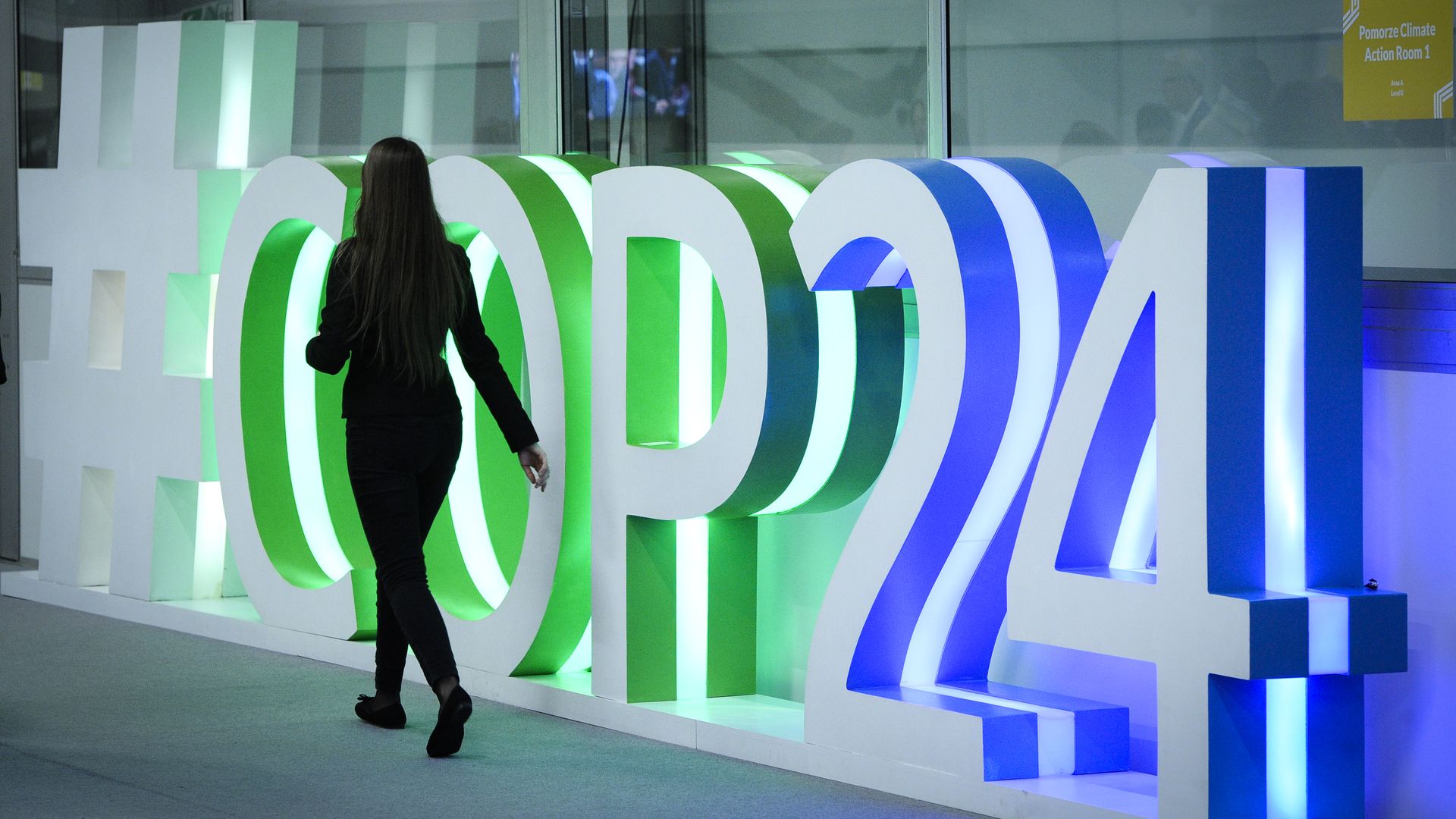
KATOWICE, Poland — Depending on who you ask, the lack of presence of Democratic politicians and leaders at a major climate-change conference here is either expected or ridiculous.
Driving the news: This year’s U.S. event space, which wrapped up operations Tuesday, is a fraction of the size and scope compared to last year’s at the same United Nations conference in Bonn, Germany.