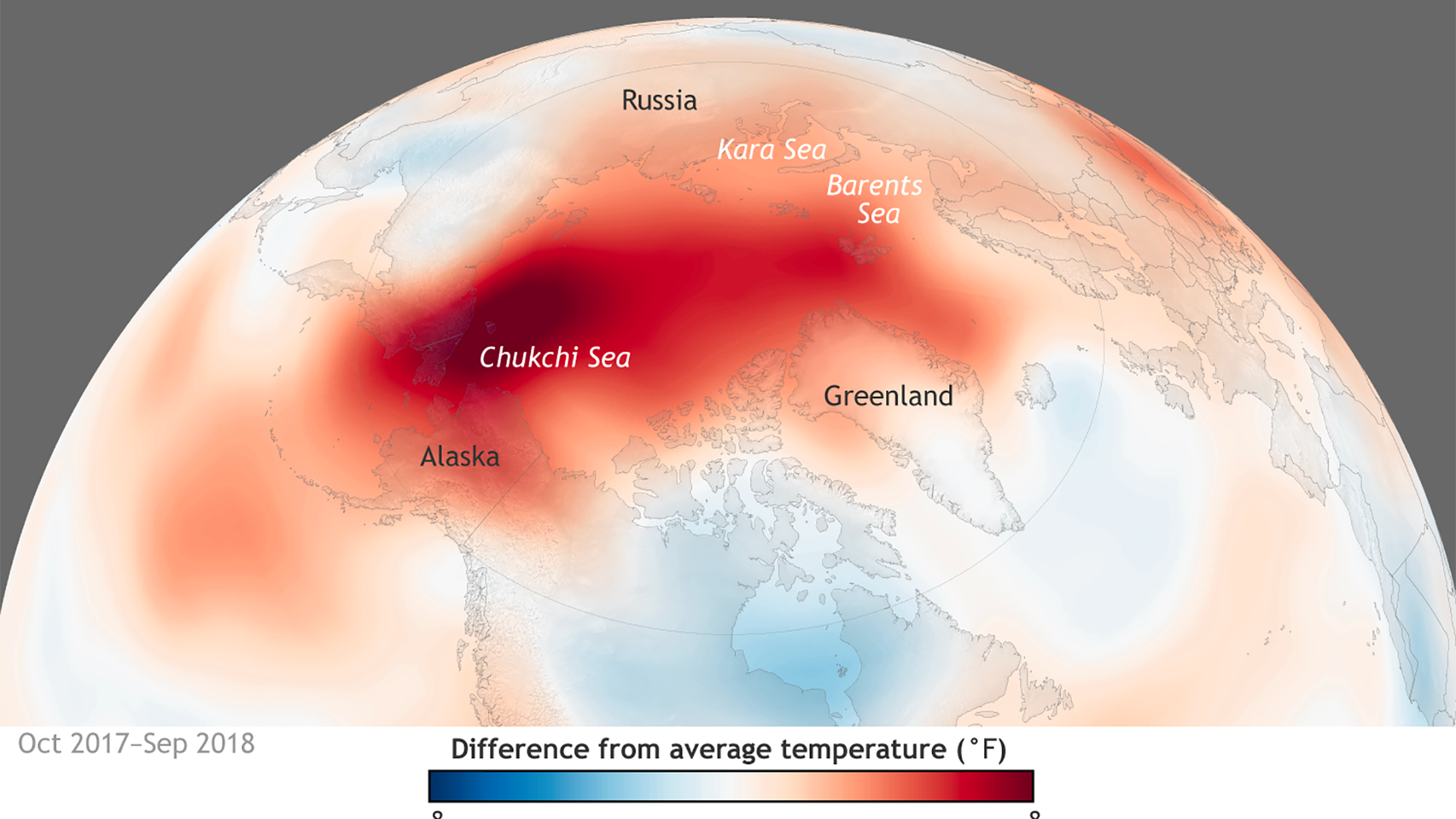
In yet another disconnect between the Trump administration's science findings and its climate policies, a new report released Tuesday found that rapid Arctic climate change has pushed the region into "uncharted territory," with a host of sweeping changes that are transforming the vast area.
Why it matters: The Arctic contains some of the most productive fisheries in the world, and it acts as the Northern Hemisphere's refrigerator, supplying most of the frigid air that invades the U.S., Europe and Asia during winter. As the report lays out, some scientists have shown that the rapidly warming Arctic is altering weather patterns in the mid-latitudes, contributing to deadly extreme events.
This new Energy Department chart provides a helpful way of seeing how electric vehicle adoption in California is far ahead of other states.
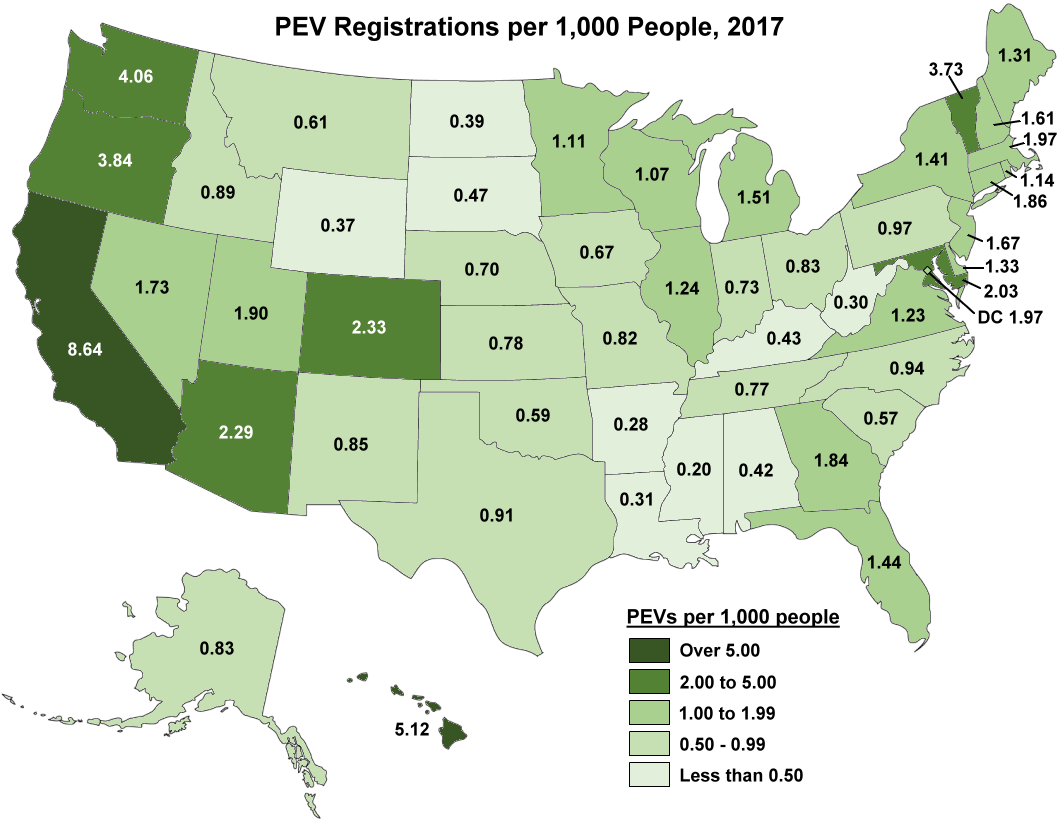
Map from DOE Vehicle Technologies Office's latest "Fact of the Week"
The big picture: Cumulative electric vehicle sales in the U.S. recently topped 1 million. According to the pro-EV coalition Veloz, over 500,000 of them were in California, which is by far the nation's largest auto market.
Rep. Jim McGovern, a senior Democrat, has thrown his support behind the "Green New Deal" committee proposed by Rep.-elect Alexandria Ocasio-Cortez and backed by a movement of young activists.
Between the lines: Vigorous outside pressure can affect inside baseball in Congress. McGovern, the incoming House Rules Committee chair, voiced support in comments to Sunrise Movement demonstrators who poured into Capitol Hill, and later confirmed it on Twitter. It came on a day when scores of young activists were arrested in demonstrations on Capitol Hill, where they targeted offices of lawmakers including House Democratic leader Nancy Pelosi.
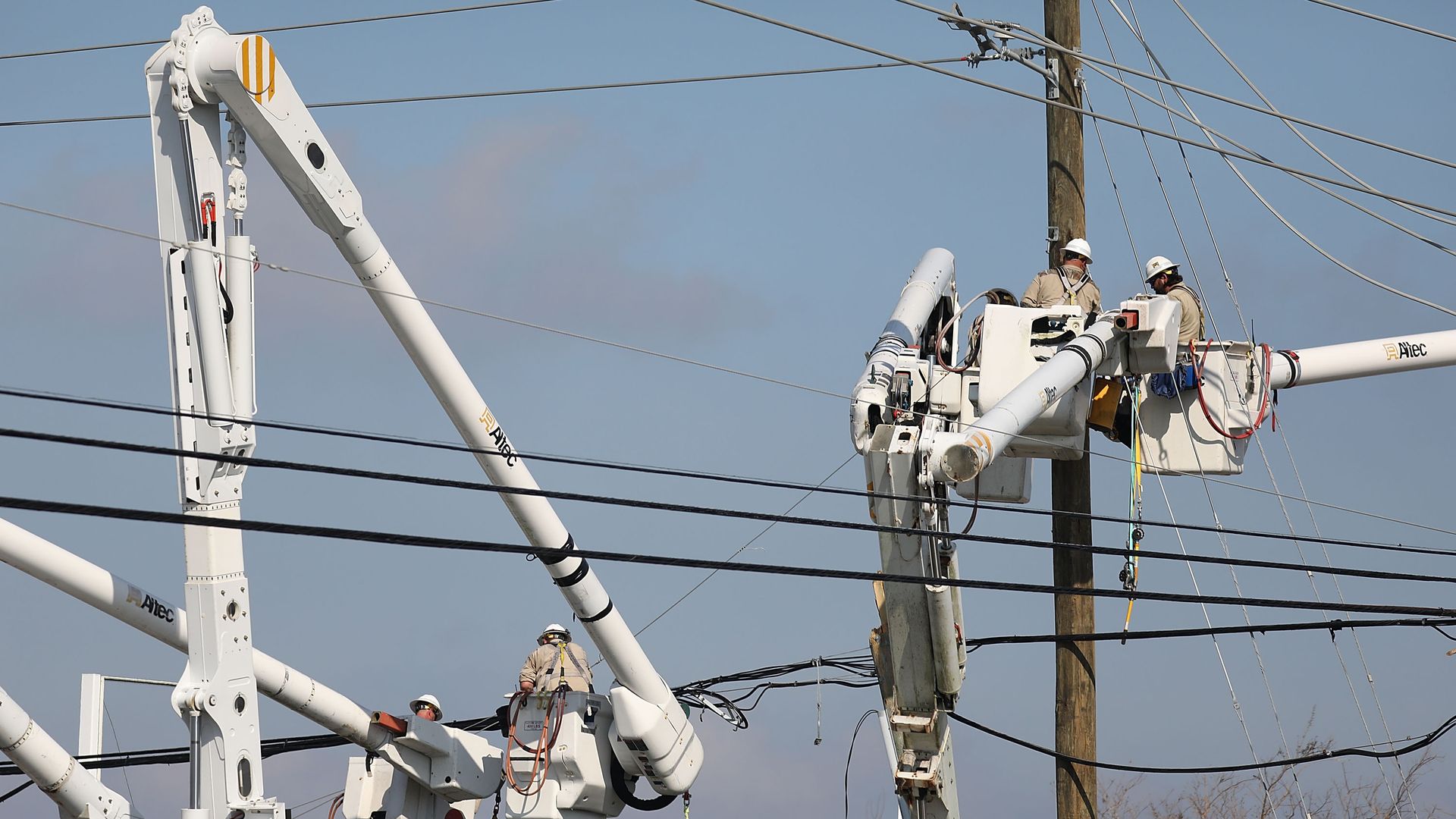
With extreme weather here to stay, from recent heat waves to unseasonable Thanksgiving cold snaps, drastic temperature swings will continue to wreak havoc on the U.S.’ antiquated electricity grid.
Republican lawmakers in the Trump era are talking about climate change far less than they used to, while Democratic mentions have spiked to new highs, according to an analysis by public affairs software company Quorum.
The big picture: There's always been a divide between Republicans and Democrats on the issue, but this data — measured by the number of floor statements, press releases and social media posts that mentioned climate change — shows that the chasm is growing. And it's happening as new scientific reports and extreme weather events are drawing new attention to the issue.
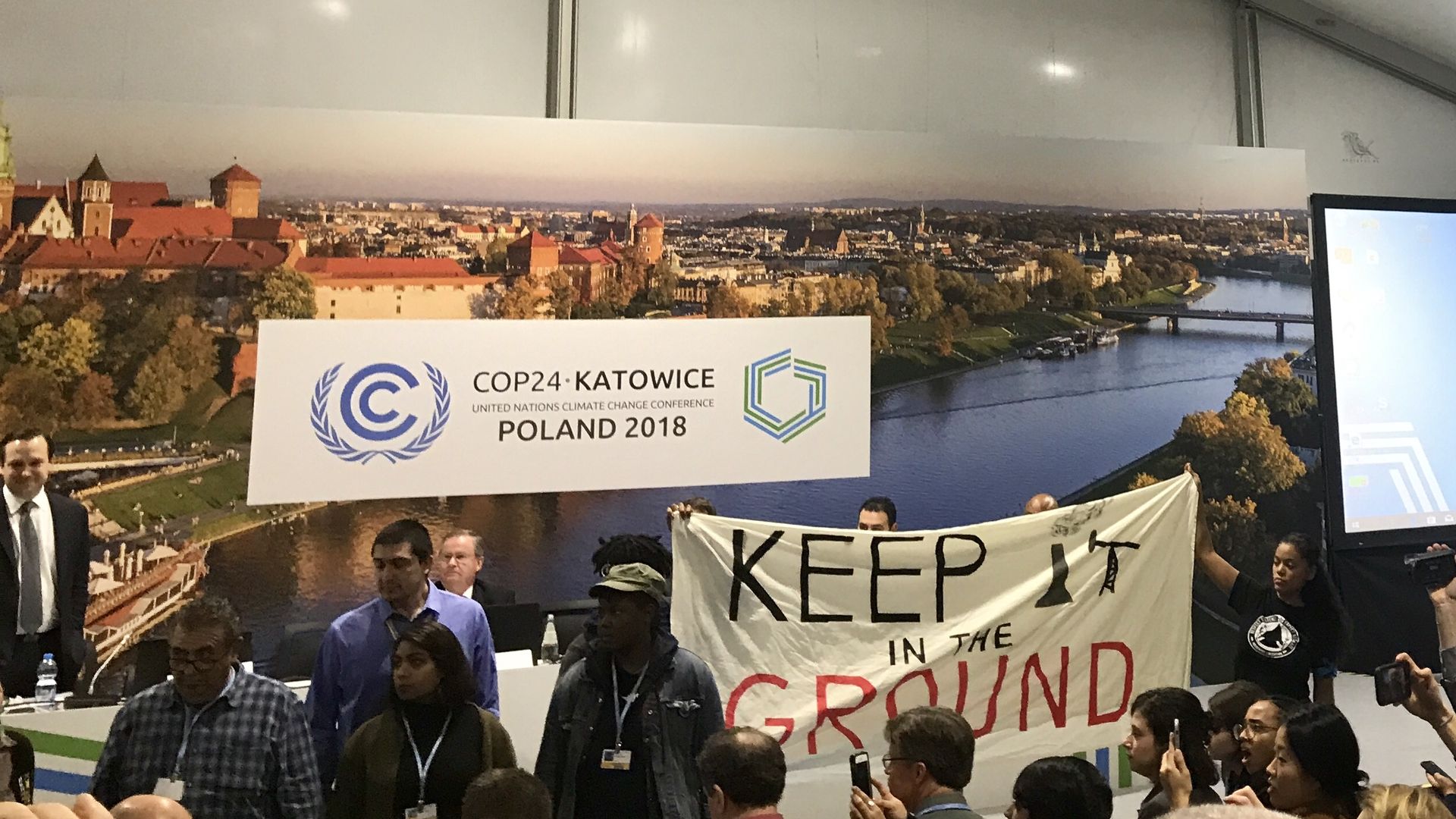
KATOWICE, Poland — President Trump’s focus on cleaner fossil fuels and nuclear power is shared by other nations, a top White House official said at a major climate-change conference Monday.
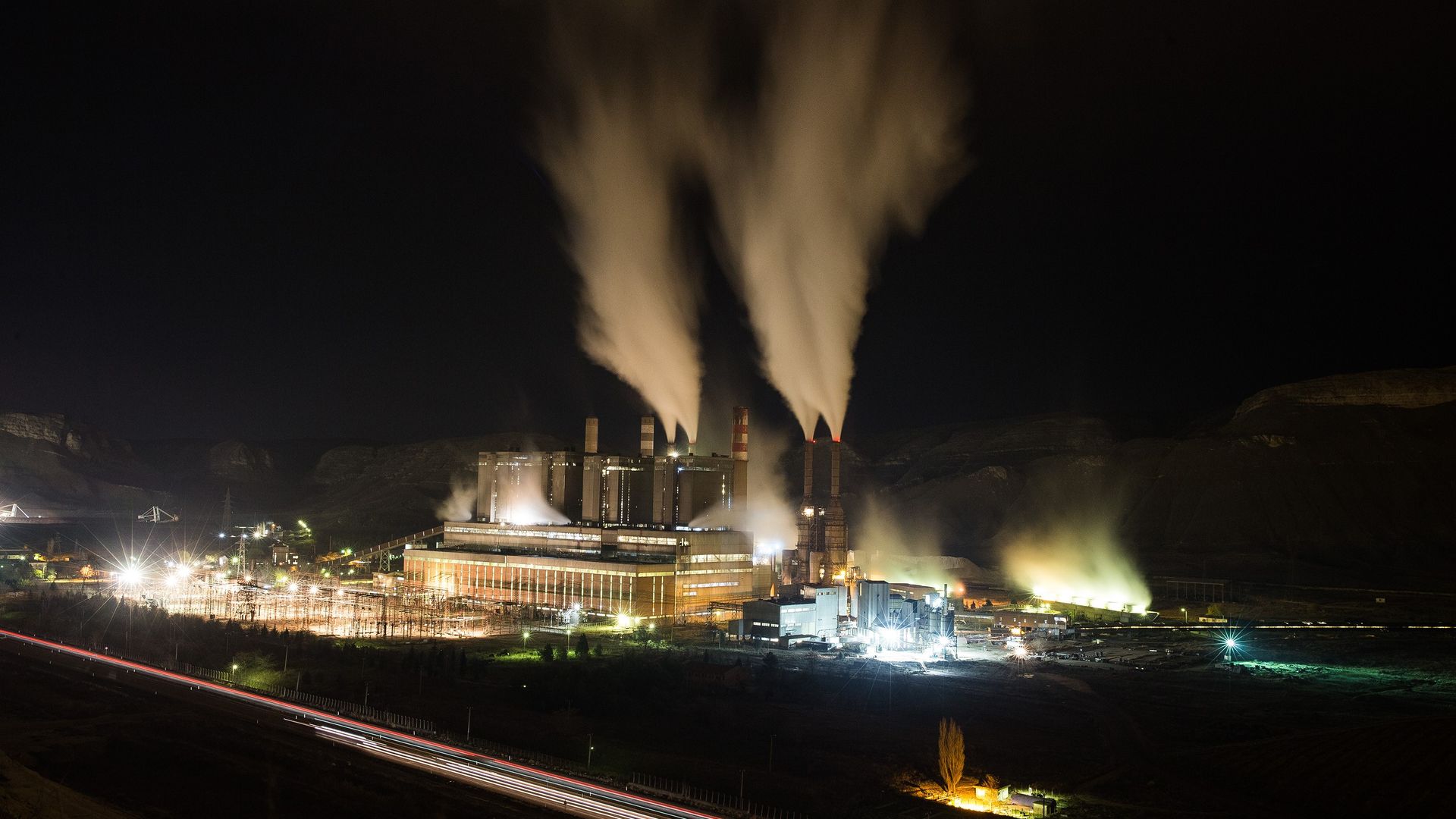
Driving the news: The Trump administration hosted an event Monday that included comments from the U.S. and Australian governments on the importance of making fossil fuels cleaner and also including nuclear power, which emits no carbon dioxide but is nonetheless controversial for its radioactive footprint.
The big energy market news over the weekend was OPEC and Russia agreeing in Vienna Friday to curb output by 1.2 million barrels per day compared to October levels.
Why it matters: The decision to curb output starting in January quickly boosted prices a bit, though they remain far below where they were 2 months ago.
KATOWICE, Poland — In theory, President Trump could lead hard but necessary negotiations at a climate conference here about the realities of the world’s significant dependence on fossil fuels and their role in warming the planet. But that’s not going to happen.
Driving the news: With Trump and his top advisers not acknowledging that humans are driving global temperatures up, and instead promoting coal and other fossil fuels full stop, a side event they’re hosting today will ring hollow and deepen the divide over energy and climate change.
A sobering new piece in the journal Nature finds that October's dire UN science report about the ongoing and future effects of climate change may have actually underestimated the pace of global warming.
Why it matters: The new analysis, if borne out, widens what's already a huge gulf between the expected human and ecological toll from high levels and rapid rates of warming and the failure of governments worldwide to bring about the steep carbon emissions cuts that could prevent runaway temperature increases.