Dyson has selected Singapore as the location for a factory to build electric vehicles, and plans to begin producing them by 2021, according to multiple reports.
Why it matters: The company's multibillion dollar foray into EVs is a sign of the growing competitiveness in the sector. EVs remain a tiny portion of worldwide vehicle sales but are growing significantly.
Two companies today are disclosing a multi-million dollar investment in the solid-state battery startup Solid Power: chemical company Albemarle (a major lithium supplier) and Korean auto supply company Hanon Systems.
The big picture: This is another sign of the intensifying race to develop solid-state batteries for use in electric vehicles. It's a major technological challenge but holds the promise of developing safer and more energy-dense alternatives to today's lithium-ion batteries that have liquid electrolytes.
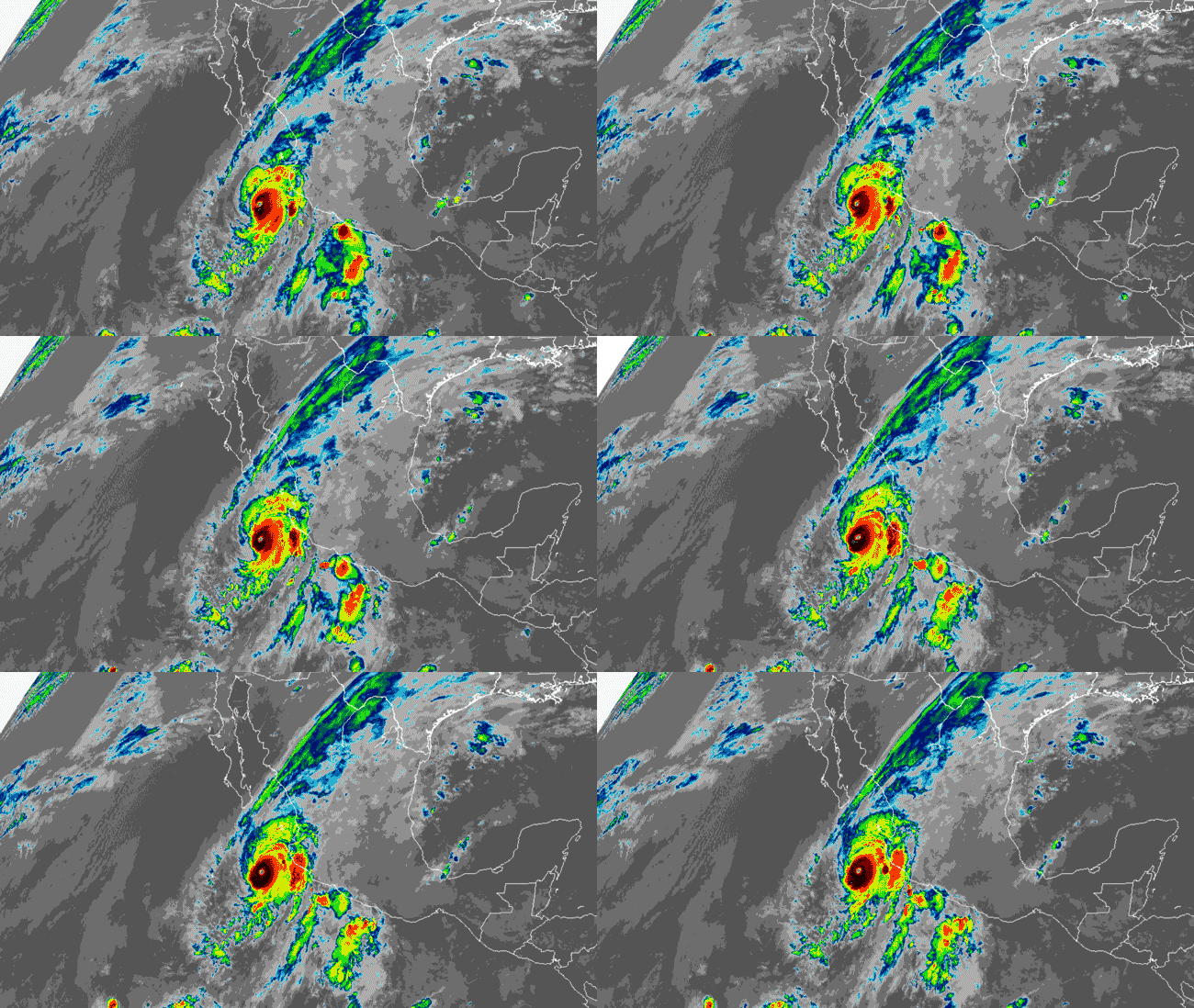
Satellite animation of Hurricane Willa, spinning off the coast of Mexico as a Category 5 storm on October 22, 2018.
Hurricane Willa put on an astonishing display of rapid intensification over the weekend into Monday morning, going from a tropical depression to a Category 4 hurricane in just 48 hours and intensifying further into a Category 5 storm. By Monday afternoon, the storm had weakened slightly, back to a Category 4, but it is expected to hit Mexico's Pacific coast as a major hurricane of Category 3 or stronger by Wednesday.
Why it matters: While Hurricane Willa is likely to weaken slightly prior to making landfall, it will still be an extremely dangerous hurricane when it comes ashore, bringing an array of hazards including life-threatening storm surge at the coast, damaging winds, heavy rains that could be measured in feet and the potential for inland flooding as the storm crosses Mexico from west to east.
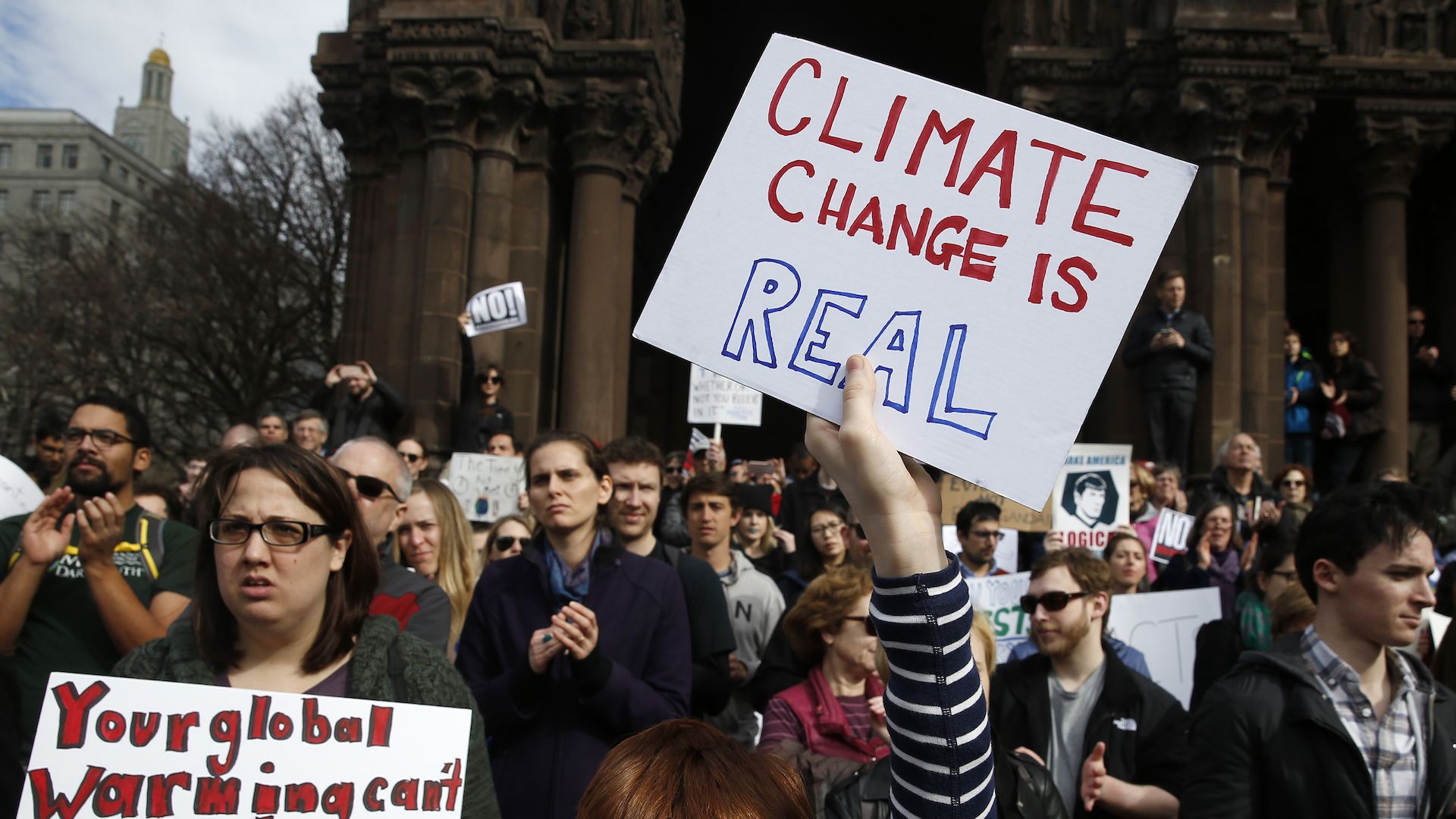
In recent interviews, President Trump falsely claimed that scientists disagree about the causes of global warming. In fact, at least 97% of climate scientists agree that human activities are the dominant cause of global warming since the mid-20th century.
The big picture: President Trump is not the only one who thinks that the main causes of global warming are still being debated. According to polling from George Mason University's Center for Climate Change Communication, even those Americans who say they are concerned about climate change tend to significantly underestimate the strength of the scientific consensus.
Dan and Axios energy reporter Amy Harder talk about how Washington State is trying pass a carbon price that could affect climate change. Also, in the "Final Two" Dan talks about how tech is providing its own privacy regulations and the biggest name being completely silent on the situation in Saudi Arabia.
A class action lawsuit filed on Friday in Los Angeles accuses the two largest scooter rental companies — Bird and Lime — of "gross negligence" that's resulted in a number of injuries to pedestrians and riders, according to the Washington Post. It also names scooter manufacturers Segway and Xiaomi.
Why it matters: The suit puts a spotlight on the ongoing question of how much these scooter rental companies can and should do to ensure safety, as well as the fact that most existing roads don't have a place for the motorized devices.
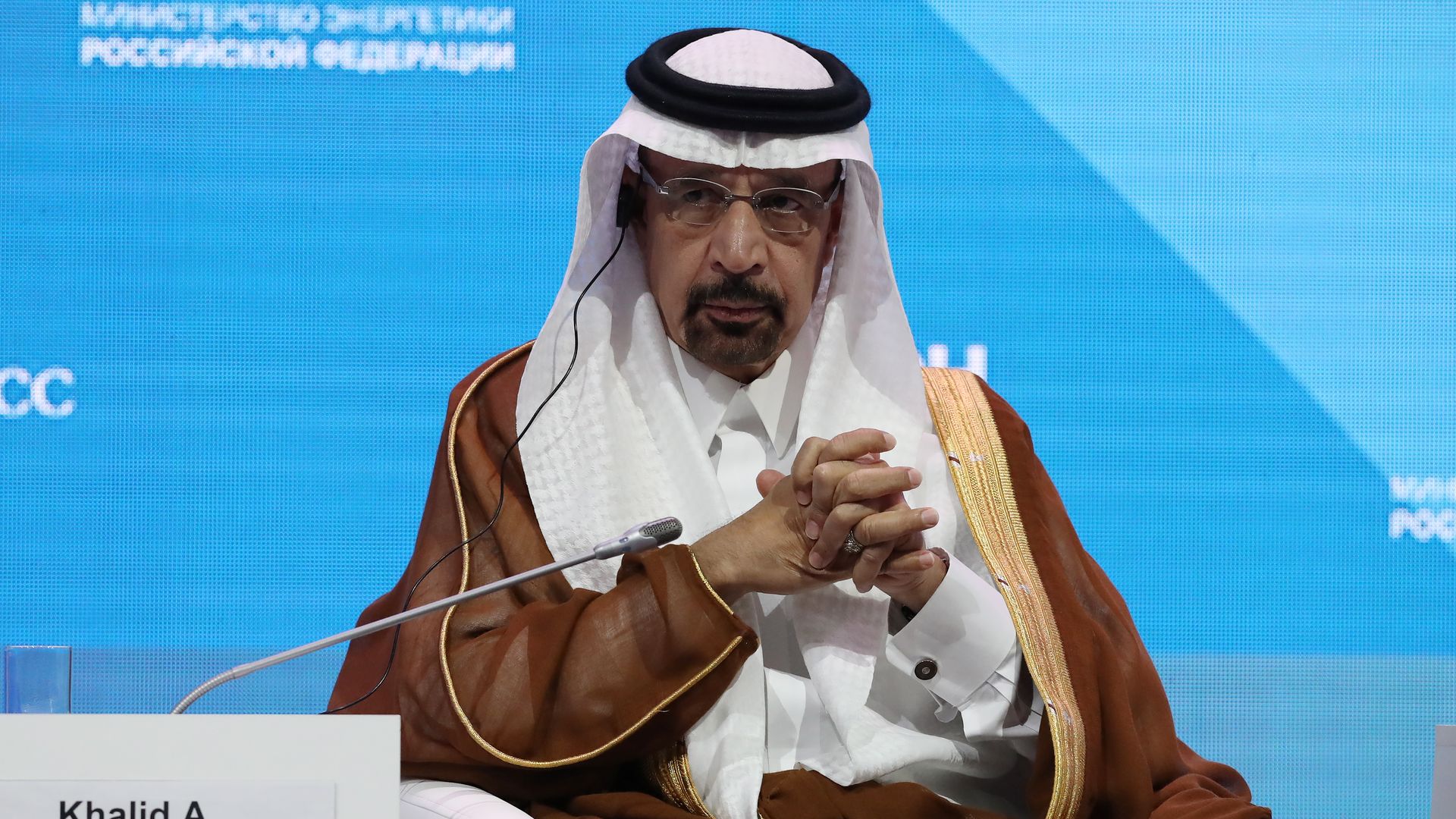
Saudi energy minister Khalid al-Falih told Russian state media that the kingdom has "no intention" of cutting off oil supplies akin to the 1973 embargo. He also told Russia's state-owned TASS that his country plans to boost its production from 10.7 million barrels per day to 11 mbd in the "near future."
Why it matters: The comments published Monday come amid global condemnation and pressure on the kingdom over the killing of journalist Jamal Khashoggi.
OLYMPIA, Wash. — The political landscape is ripe for this progressive state to approve a carbon price after a decade of failed attempts, fueled by disgruntlement with President Trump and a uniquely broad coalition.
Why it matters: If voters approve a ballot initiative this November imposing a fee on carbon dioxide emissions, it would reinvigorate liberal leaders despondent over Trump’s anti-climate change policies. If the measure fails, it’ll reinforce a prevailing notion thatcarbon prices are politically unpopular.