Sea level rise may seem like a far-off threat, but a growing number of new studies, including one out Thursday, shows that real estate markets have already started responding to increased flooding risks by reducing prices of vulnerable homes.
The bottom line: According to a new report by the nonprofit First Street Foundation, housing values in New York, New Jersey and Connecticut dropped $6.7 billion from 2005 to 2017 due to flooding related to sea level rise. Combined with their prior analysis of 5 southeastern coastal states with $7.4 billion in lost home value, the total loss in 8 states since 2005 has been $14.1 billion.
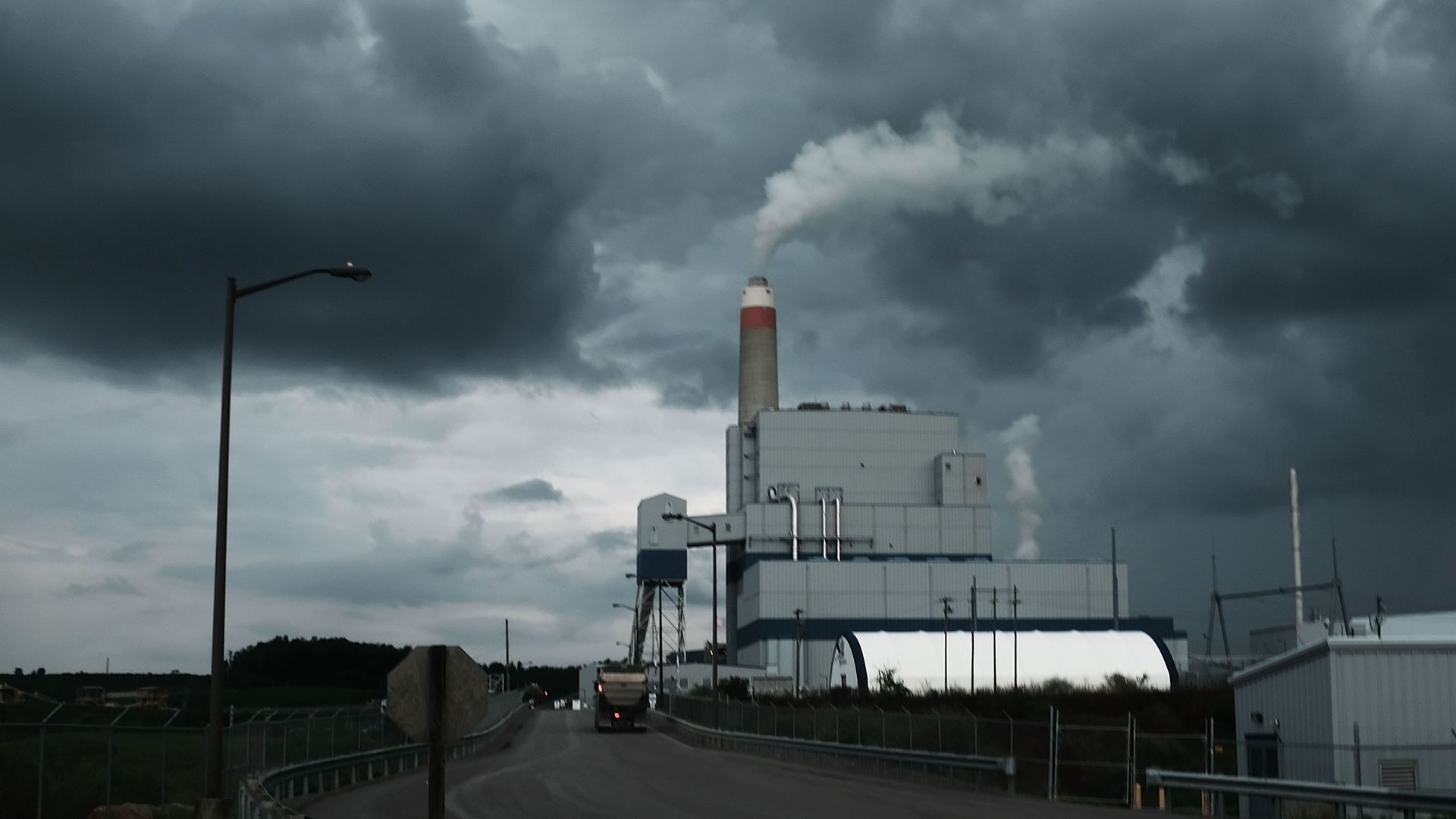
The big picture: The EPA is claiming to meet its mandate to regulate carbon emissions, while critics say ACE is yet another coal bailout scheme. Yet market forces might ultimately make the new rule moot.
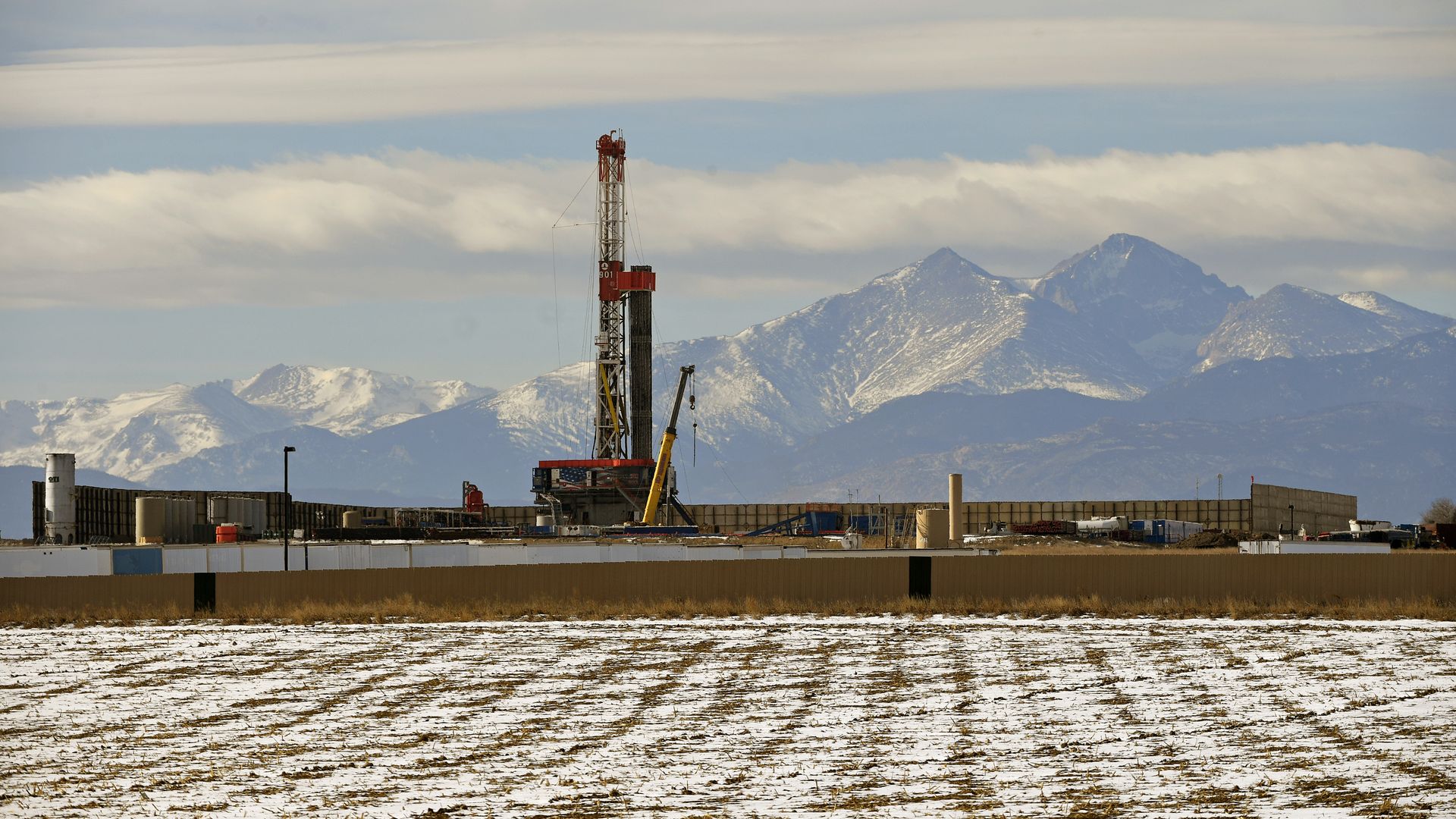
Colorado’s candidates for governor from each party, speaking at an industry event in Denver on Wednesday, both expressed opposition to a likely ballot initiative that would significantly curtail oil and gas production in the state.
Why it matters: The opposition shows the influence and large economic footprint of the oil and gas industry in Colorado despite intense environmental and local resistance to increased development. Colorado, an important political battleground, is America’s fifth-largest gas-producing and seventh-largest oil-producing state.
A Danish cargo container vessel is about to set out on a voyage that will be a milestone in the opening of Arctic waters to marine shipping — and it's a direct result of climate change.
Why it matters: The Arctic has been warming at least twice as fast as the rest of the globe, and sea ice has declined sharply since 1979. As the ice melts, Arctic shipping routes are becoming more attractive as an alternative to sailing through the Suez Canal.
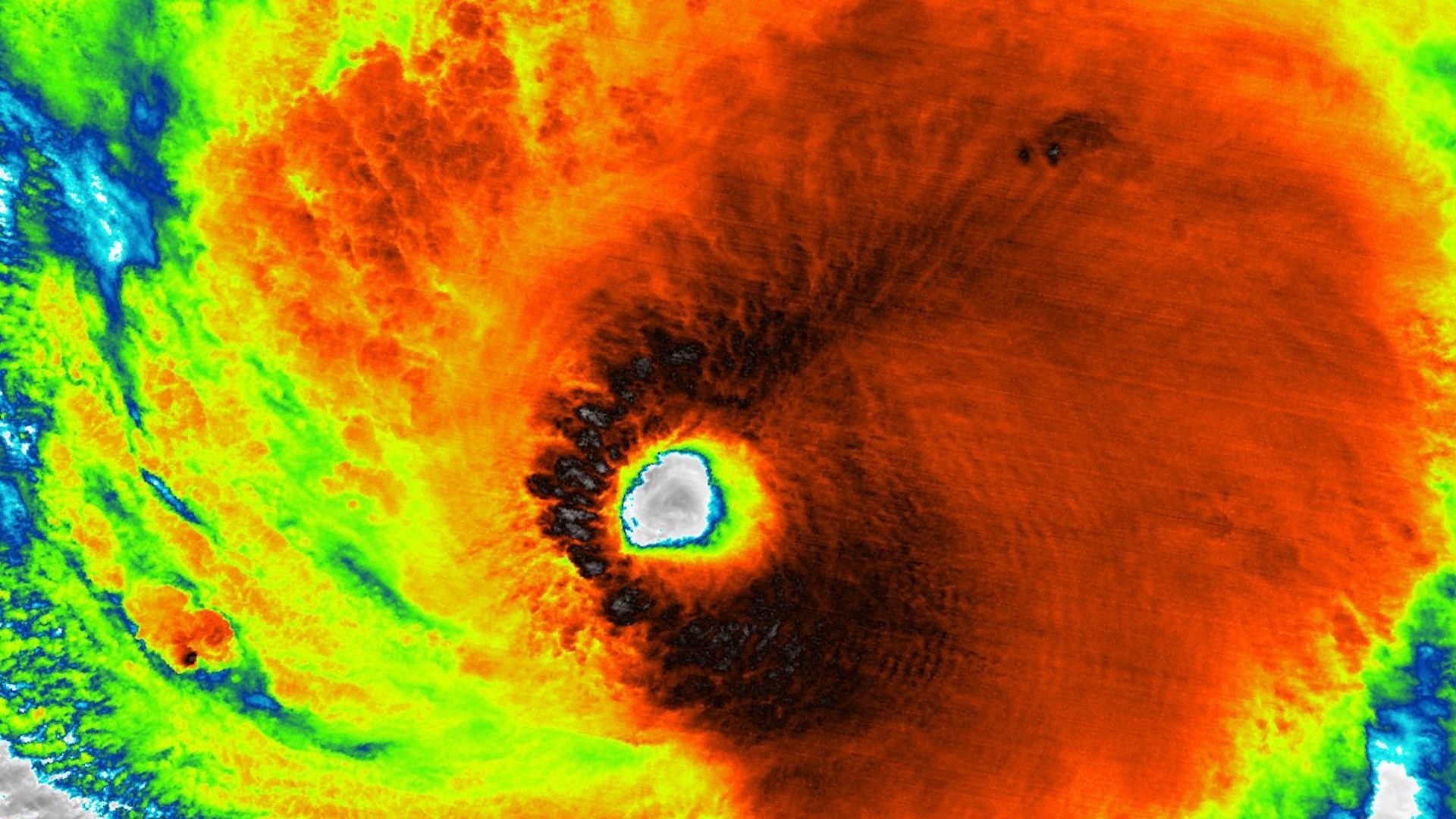
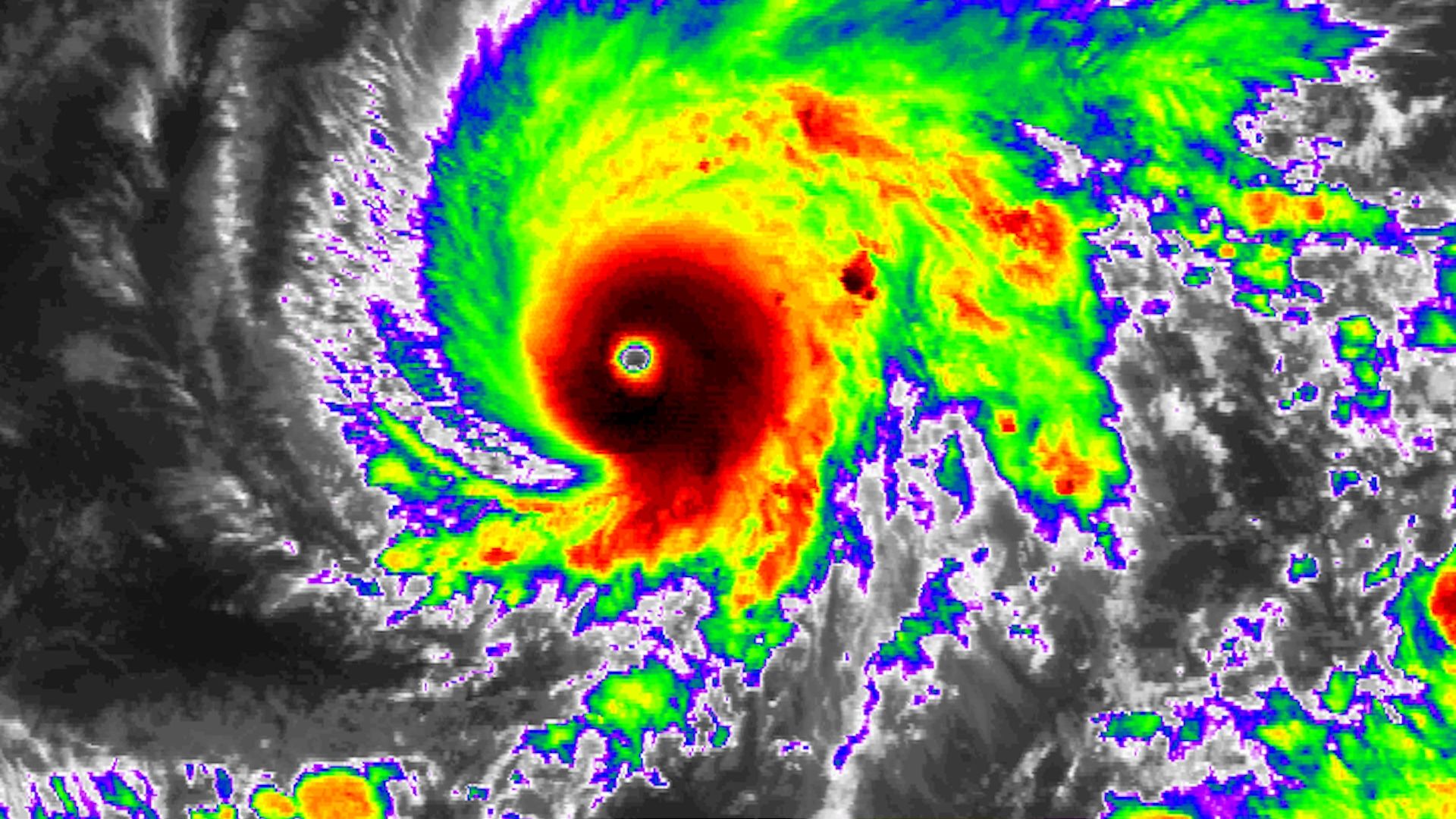
Hurricane Lane has come closer to Hawaii than any Category 5 storm has come in modern records, and it threatens to unleash life-threatening destruction as it approaches the islands starting late Wednesday and lasting into Saturday, according to the National Hurricane Center.
Why it matters: The storm's exact track is still uncertain, with some computer models projecting it will zip out to sea south of Hawaii, and others showing a devastating near-direct hit on one or more islands. Official forecasts show it will come close enough to produce damaging winds, deadly flash floods from upwards of 2 feet of rain, and pounding "extreme" surf. Waves could exceed 20 feet on south facing shorelines.
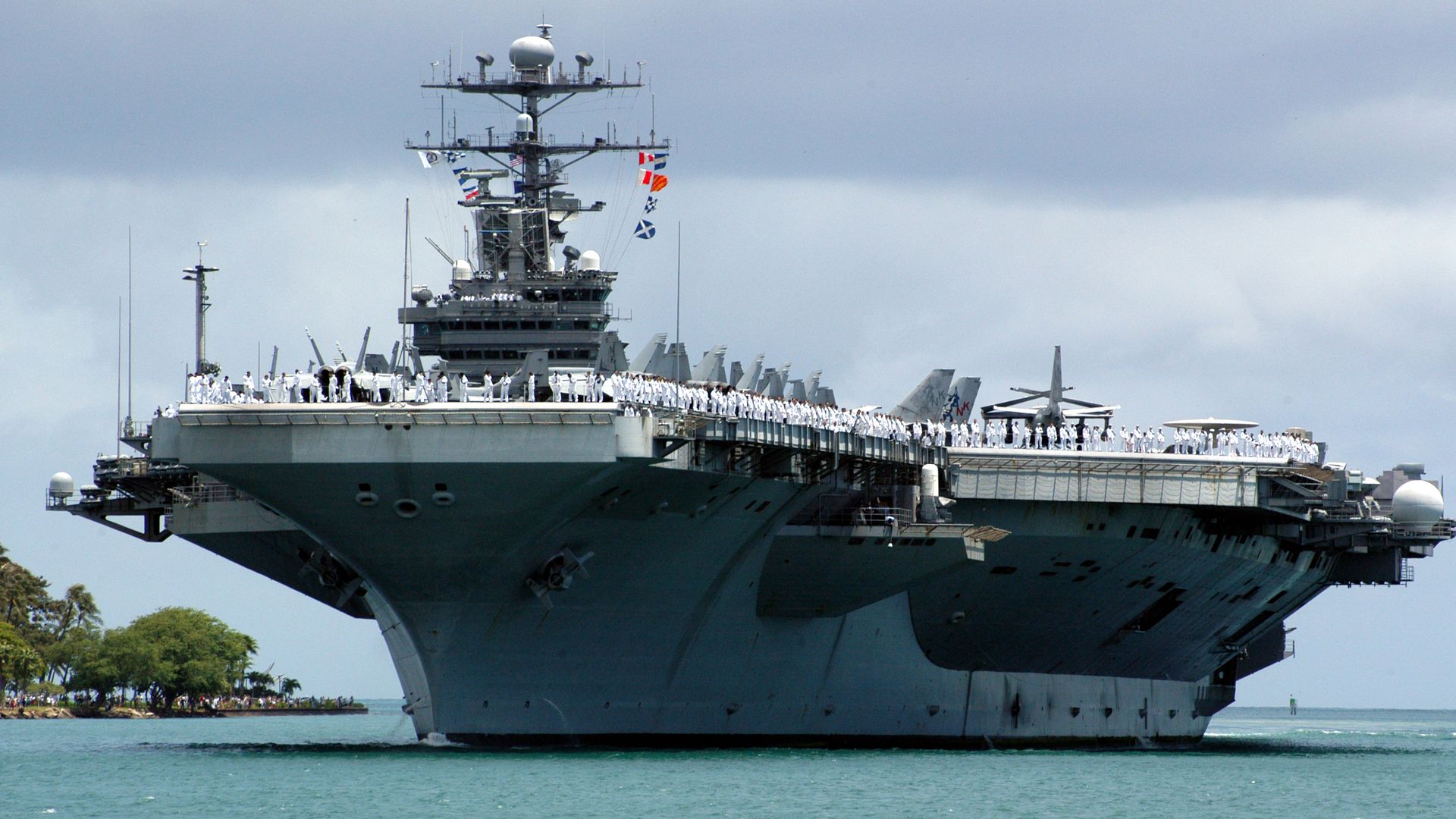
The U.S. Navy is moving its ships based in Pearl Harbor out to sea to limit the risk of significant damage to ships and piers in preparation of Hurricane Lane.
The details: According to the Defense Department, the 29 surface ships and submarines stationed at Naval Station Pearl Harbor "will remain at sea until the threat from the storm subsides and Hawaii-based Navy aircraft will be secured in hangars or flown to other airfields to avoid the effects of the hurricane." The ships will be repositioned in Hawaii following the storm.
Saudi Arabia has abandoned its stalled plan for going public with a portion of state oil giant Aramco, Reuters reports, citing "four senior industry sources."
A source familiar with the company's work with outside advisers and banks tells Axios: "It has been officially dead for a month or so — everyone got sent home for Ramadan and of course Eid just broke, but no one was invited back."
Why it matters: The kingdom had hoped to raise tens of billions of dollars through the IPO to help fund initiatives to diversify its oil-dependent economy away from crude oil sales.
Hurricane Lane, an intense Category 4 storm, is poised to move perilously close to the Hawaiian islands later this week, according to updated forecasts on Tuesday morning. Hurricane watches, meaning that hurricane conditions could hit within 48 hours, are in effect for Hawaii and Maui counties.
The big picture: Hurricanes typically steer clear of or weaken before reaching Hawaii, due largely to cooler ocean temperatures closer to the islands. However, right now, the waters are warm enough — about 0.5°C, or 0.9°F, above average for this time of year — to support a hurricane. There is even a possibility that a weakened Lane could be the first hurricane to make landfall in Honolulu since the Hawaii's statehood.