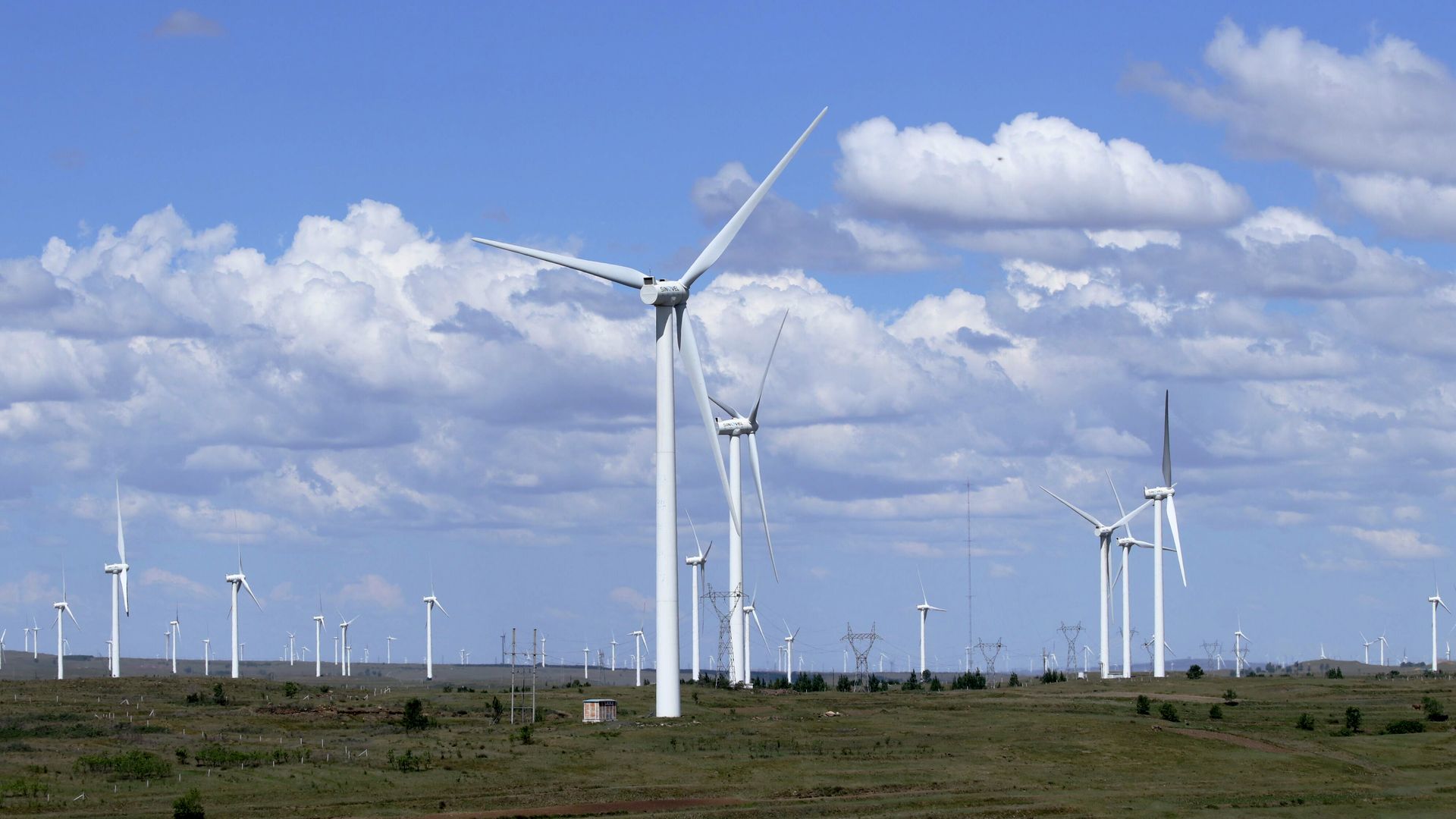
American Electric Power canceled its 2 GW Wind Catcher project after Texas utility regulators rejected it citing that it would not provide enough benefit to customers, reports Utility Dive.
Why it matters: This was slated to be the largest wind project ever in the United States, and would've provided power for the company's customers throughout four states.
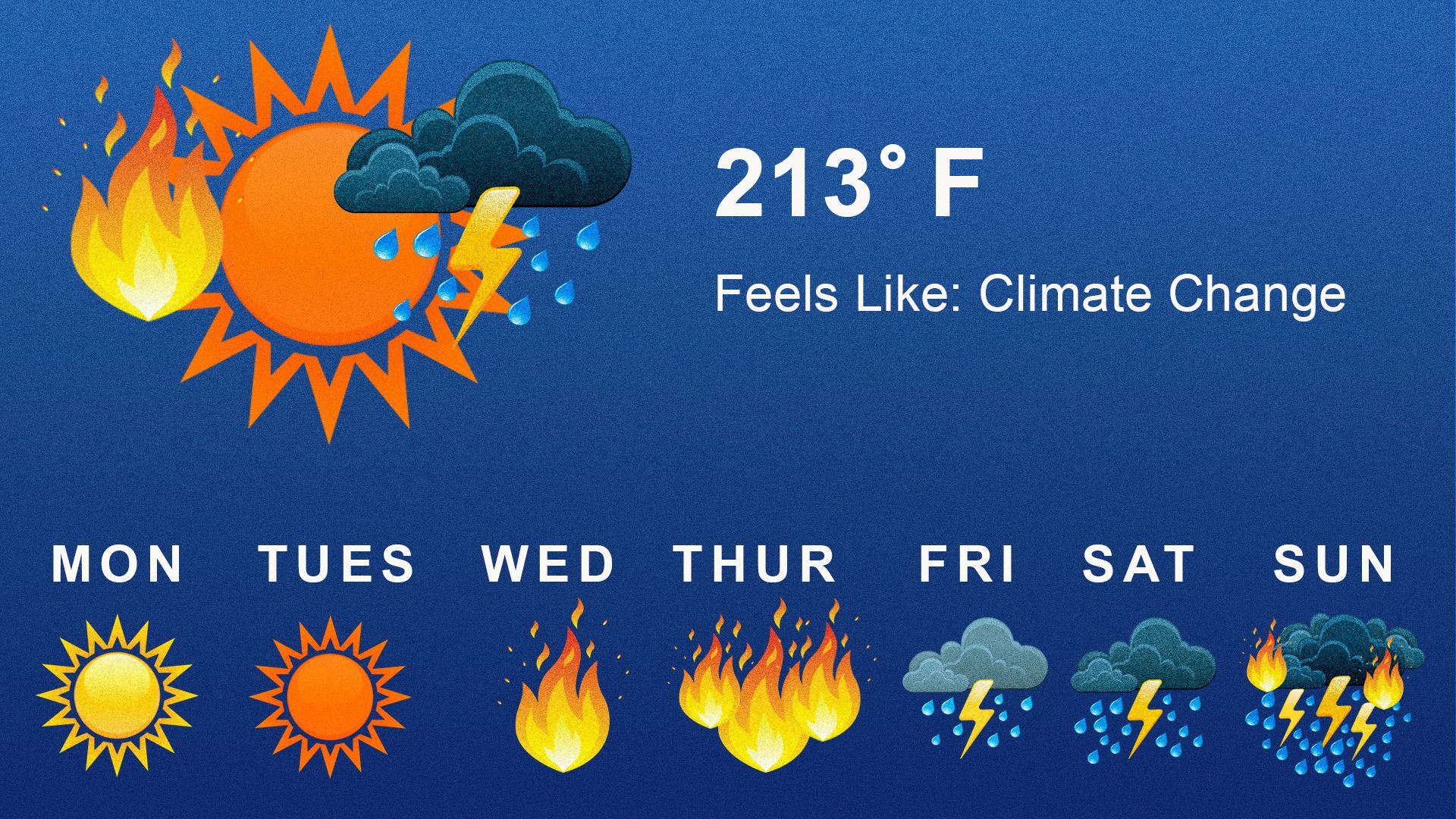
The deadly heat waves, floods and fires occurring from Japan to the Middle East, and North America to Europe have clear links to human-caused climate change, according to climate scientists, and this summer's abnormal weather is just the beginning of what's in store for us in coming years.
Why it matters: The biggest near-term impacts of climate change on society come in the form of weather and climate extremes, so this summer illustrates the danger of even a relatively small amount of warming. So far, the planet has only warmed by close to 1°C, or 1.8°F, above preindustrial levels. We're on a trajectory to reach 3 degrees Celsius, or 5.4°F, by 2100.
Why it matters: The Texas-based multinational oil giant has been struggling to meet Wall Street expectations in recent years, and its strategy right now is about making big investments in future production in Guyana and elsewhere.
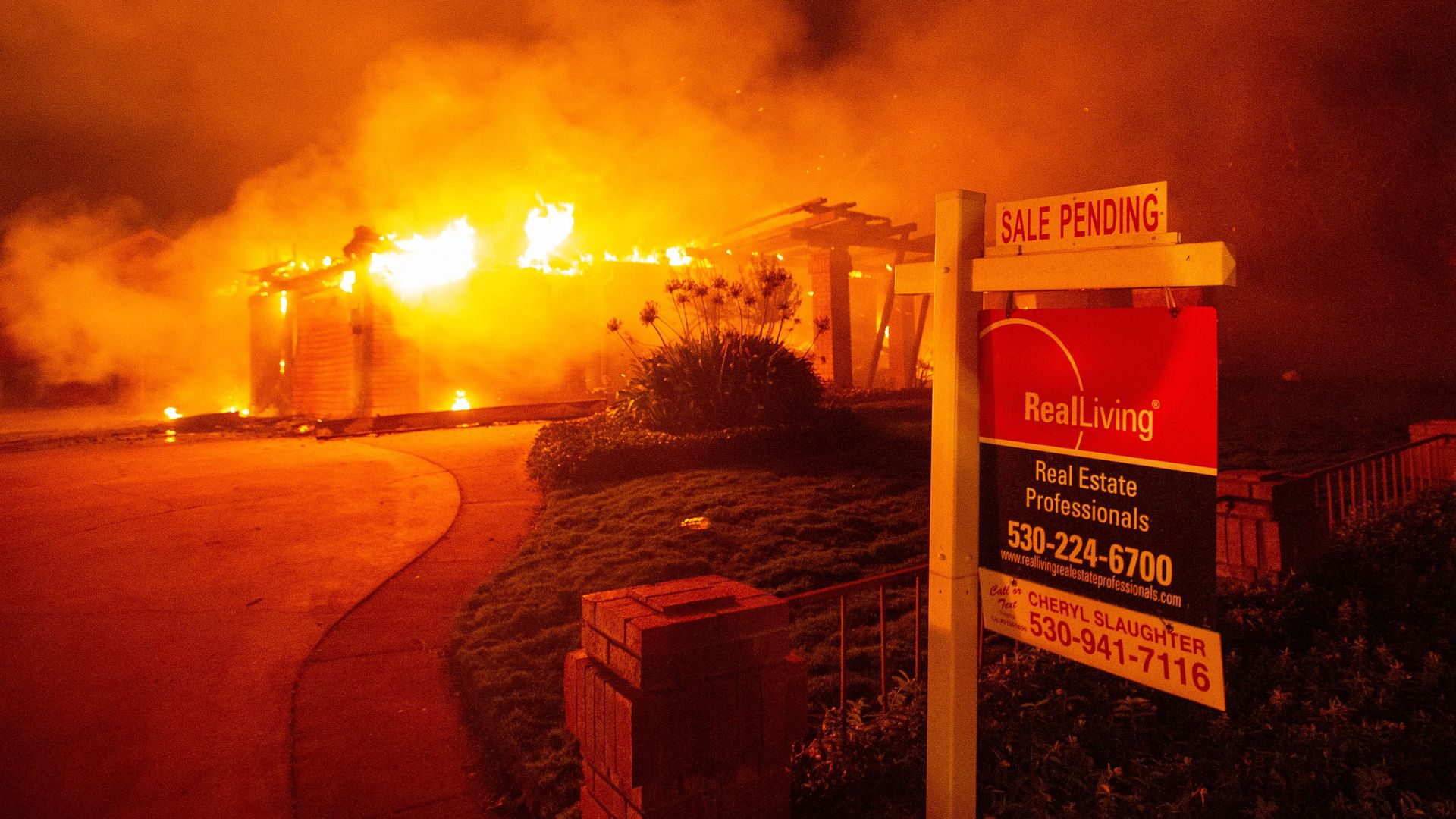
At least two firefighters were killed as a wildfire quickly grew in size overnight Thursday, the LA Times reports.
The details: The wildfire, called Carr Fire, was started by "mechanical failure of a vehicle," according to the New York Times. By Thursday, it had swept into the city of Redding, home to 92,000 people, which is being evacuated.
BP is buying most of BHP Billiton's U.S. onshore holdings in a $10.5 billion deal that vastly bolsters its presence in the booming shale patch, where BP has previously had a limited portfolio.
Why it matters: The deal "transforms BP’s U.S. business" and will immediately raise its U.S. production by nearly a fifth, with room to grow from there, Wood Mackenzie analyst Maxim Petrov said in a note Friday. It's BP's largest deal since buying Atlantic Richfield in 1999.
Divisions are surfacing between the bipartisan leaders of a House caucus on climate change.
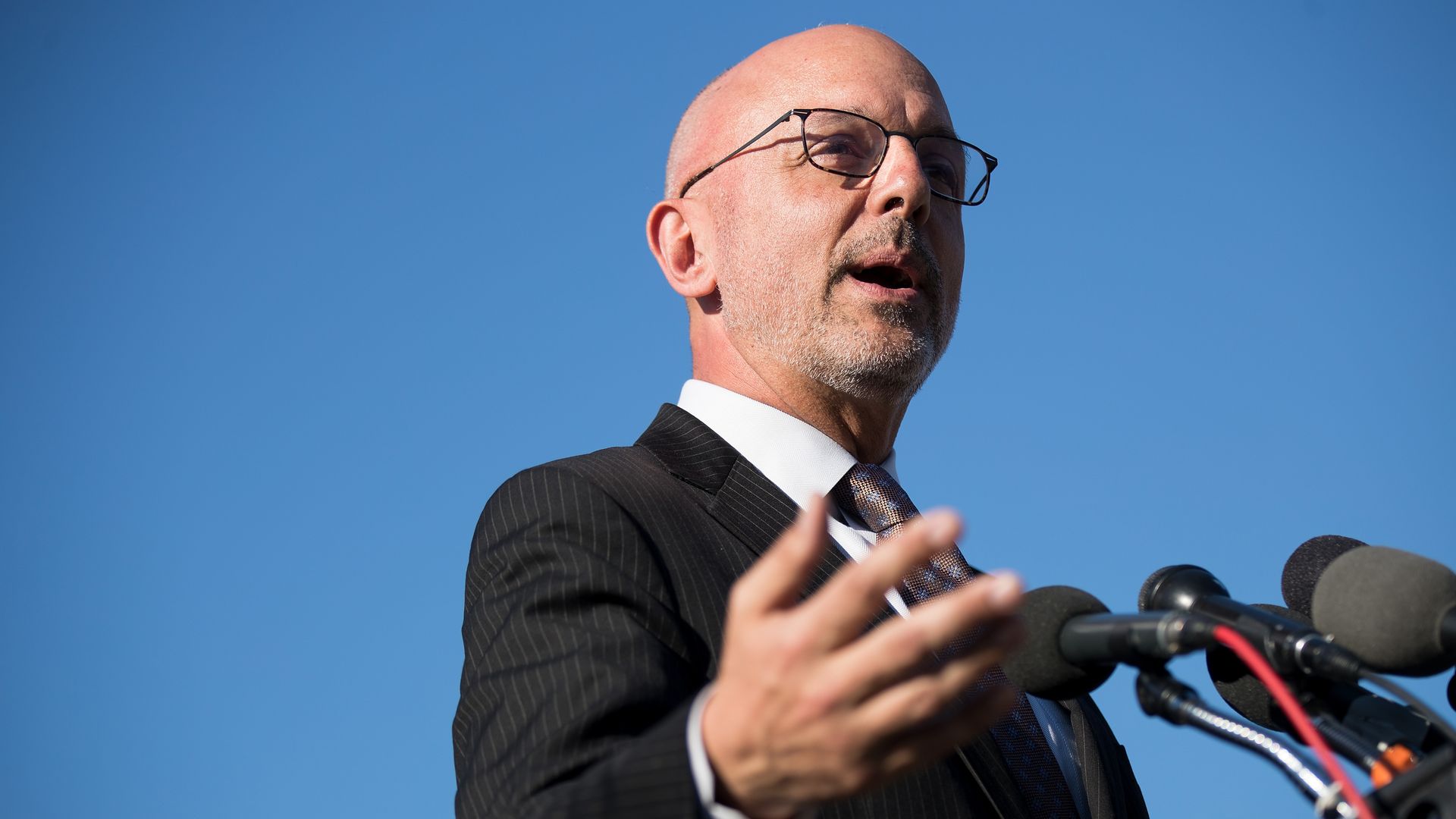
Driving the news: Democrat Rep. Ted Deutch told Axios in an interview Thursday that carbon tax legislation introduced this week by GOP Rep. Carlos Curbelo that has the backing of two other Republicans, is a “missed opportunity” to pursue a bipartisan measure.
Gas has loomed large in President Trump’s recent diplomatic dealings: In his meeting with NATO heads of state in Brussels, Trump called Germany “captive” to Russian gas, and in his Helsinki summit with Vladimir Putin, he made the unusual move of fielding regulatory proposals from the Russian president to prevent plummeting prices in the international gas markets.
Why it matters: For better or worse, U.S. foreign policy is contributing to uncertainty among the three countries with the largest gas reserves — Iran, Russia and Qatar — raising alarm among major Asian and European gas importers looking for secure supply sources.
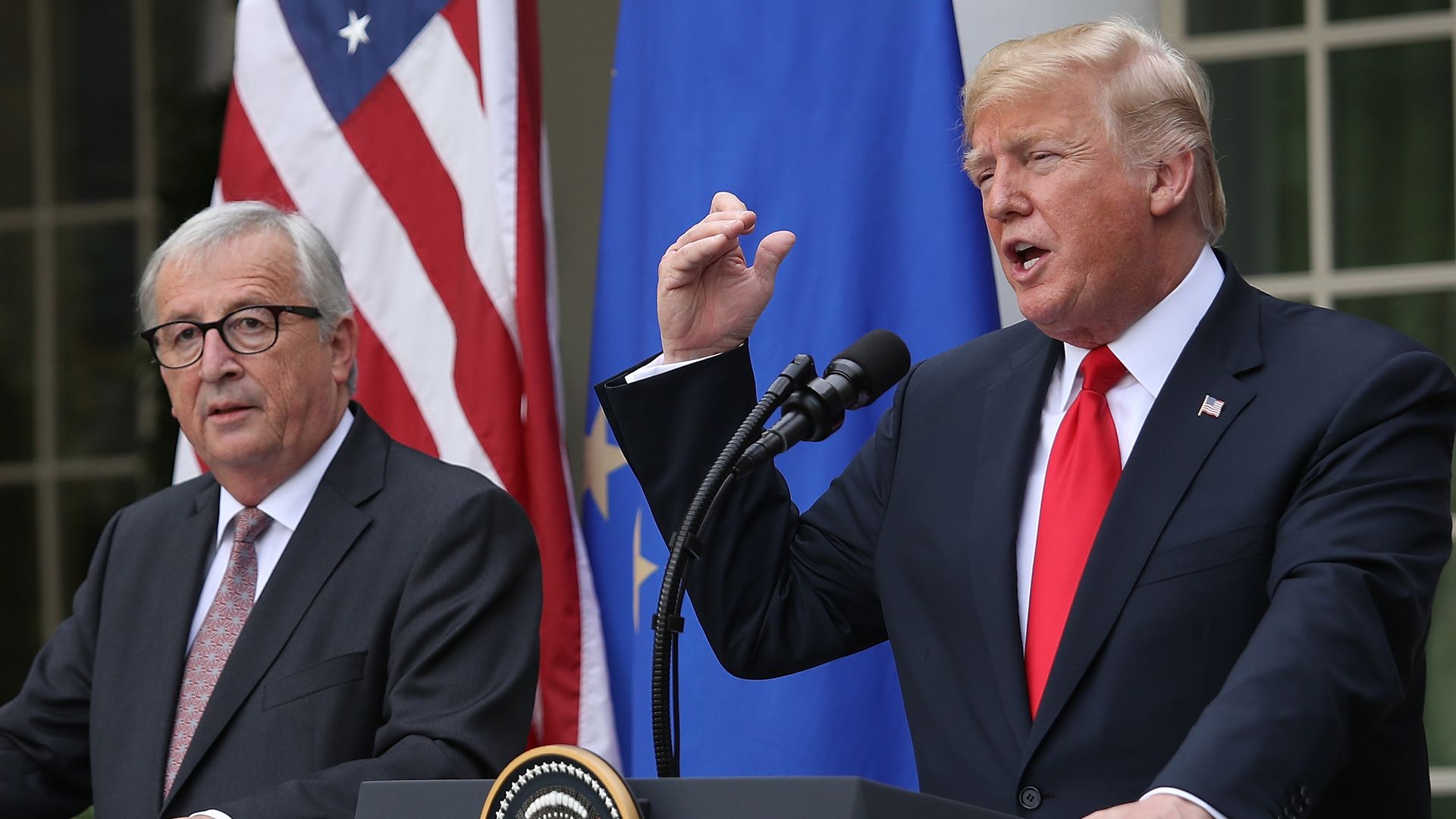
President Trump emerged from a trade-focused meeting with European Commission President Jean-Claude Juncker and said Europe will become a "massive" buyer of U.S. liquefied natural gas.
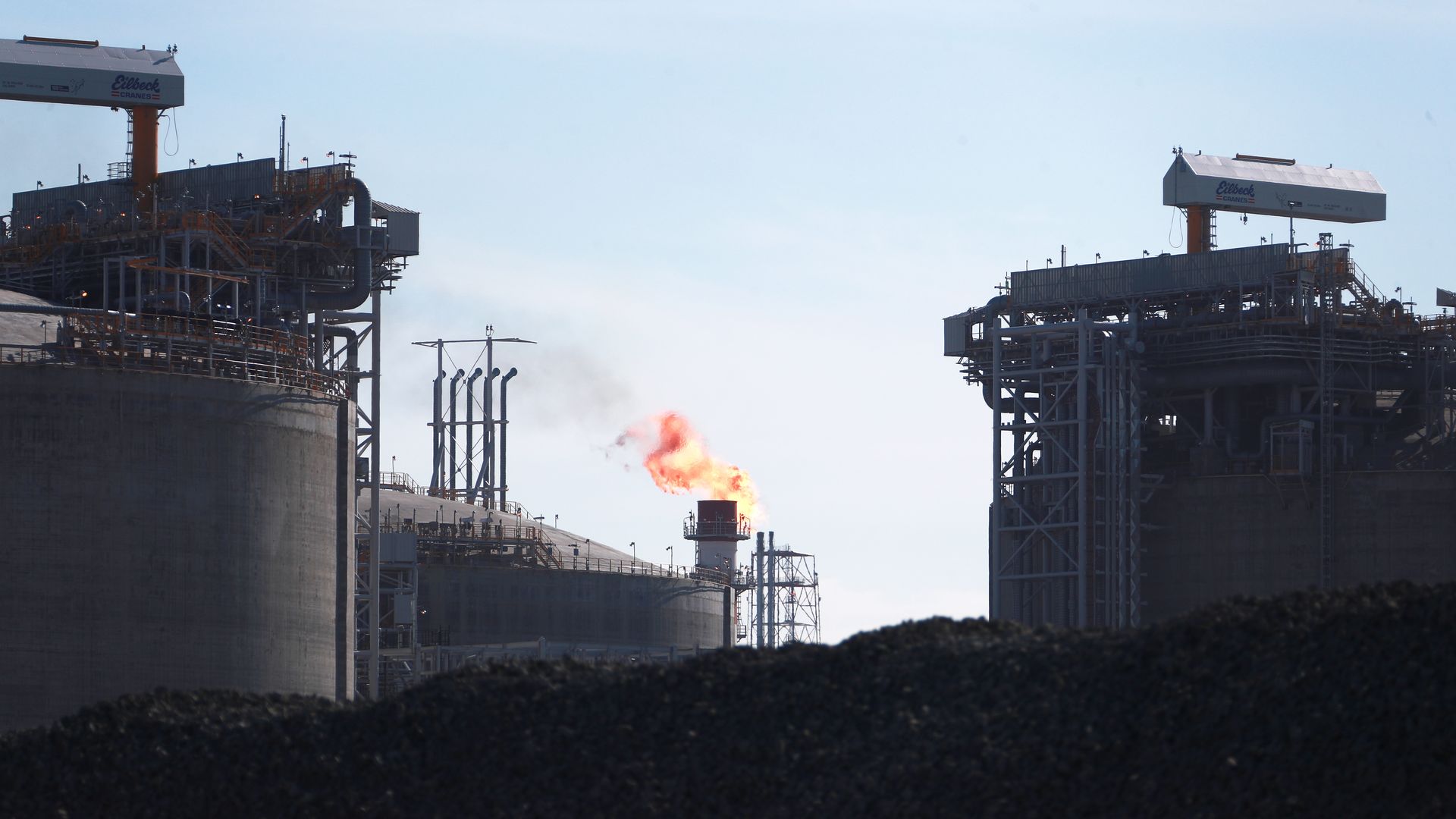
Reality check: Thus far, Asian countries and Mexico have been the main buyers of U.S. LNG as the industry has emerged in recent years, but there's room for growth in Europe as exports rise and new projects come online. But while boosting gas exports to Europe is a goal that dates back years, some analysts say there's reason to doubt that the continent will ever become a huge destination for U.S. cargoes, given its closer and less expensive options.
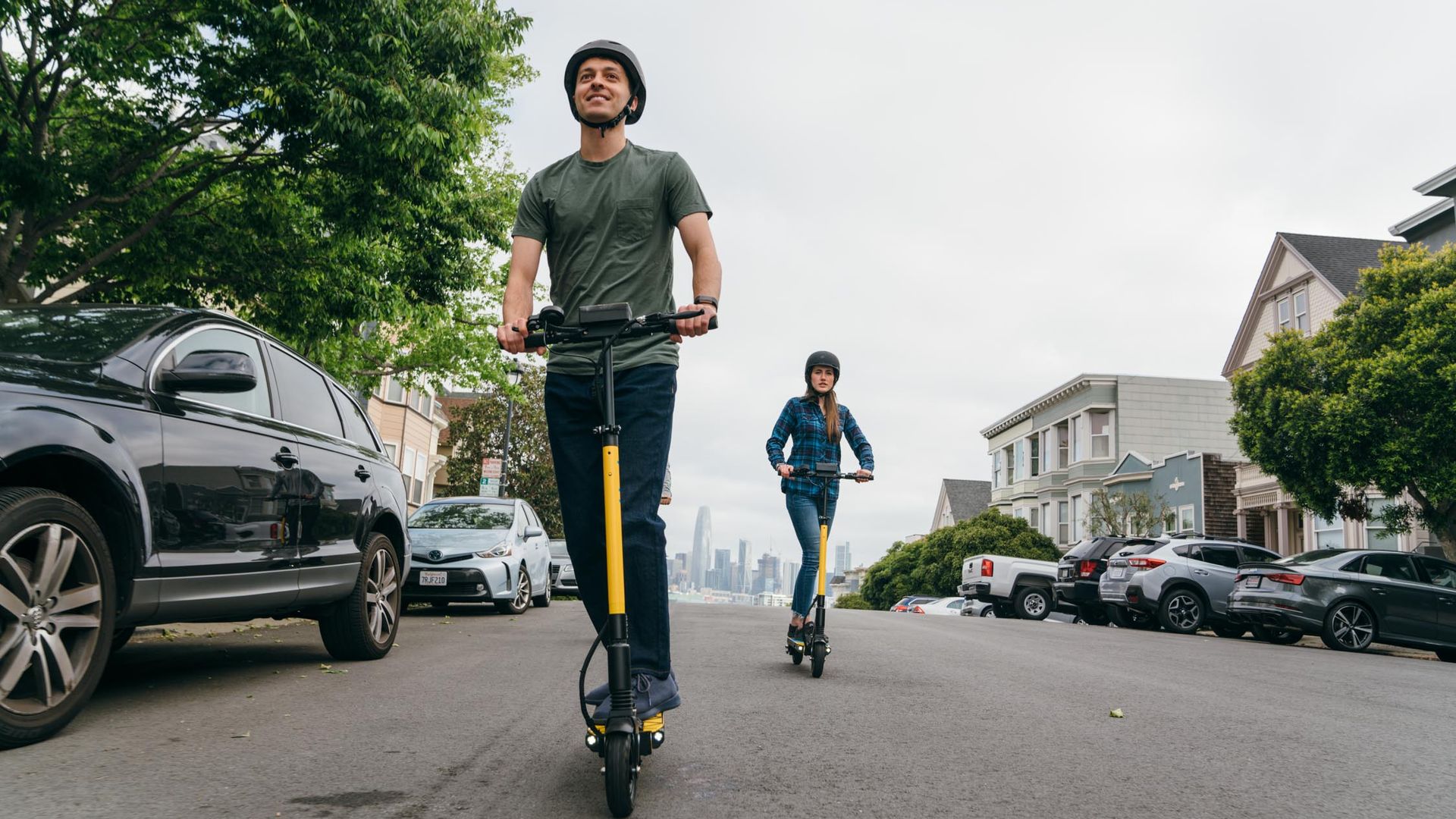
Portland, a city known for investing in public transit and promoting alternatives to cars, has granted permits to scooter-sharing startups Skip and Bird as part of a four-month pilot program.
Why it matters: This could be a great test of whether a huge cash pile proves as much an advantage in the scooter wars as it did for Uber in the ride-hailing race. In this case, Bird is the wealthy competitor.