Doug Field, Tesla's senior vice president for engineering, is leaving the Silicon Valley electric automaker, one day after the company announced it'd successfully met production targets on its Model 3.
Why it matters: Field, who has been on leave since May, is one of numerous top Tesla executives who have left the company in recent months. The turnover comes at a critical time for the automaker that's seeking to further ramp up production of the Model 3 sedan while preparing to launch new products including an electric semi-truck.
Extreme heat and humidity will continue through the end of the holiday week across the eastern U.S., before it shifts westward, roasting the Midwest and Great Plains, potentially setting records and intensifying ongoing wildfires all the way to California.
Why it matters: Heat is the top weather killer in the U.S. during most years. According to the Centers for Disease Control and Prevention, more than 600 people are killed every year due to heat-related illnesses in the U.S.
Why it matters: The election is a seismic political shift in a country that has deep two-way energy ties with the U.S., including major U.S. gas exports to Mexico, as well as imports of heavy crude.
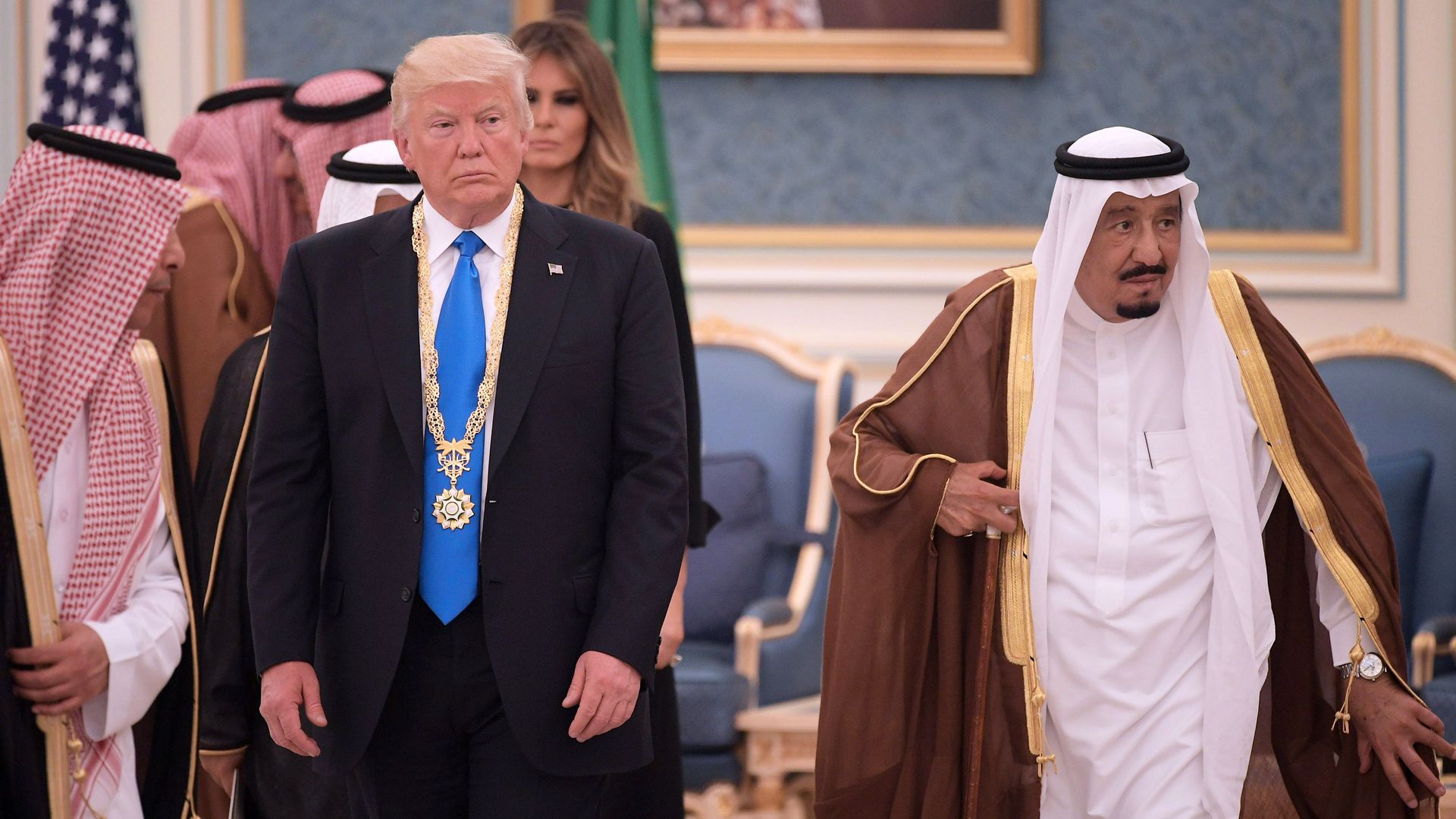
A series of weekend statements about OPEC and Saudi Arabia from the Trump administration are helping to put downward pressure on oil prices.
The latest: Oil prices dropped slightly Monday, and MarketWatch notes one reason is that investors were "rattled" by President Trump's weekend tweet suggesting Saudi Arabia may sharply boost output.
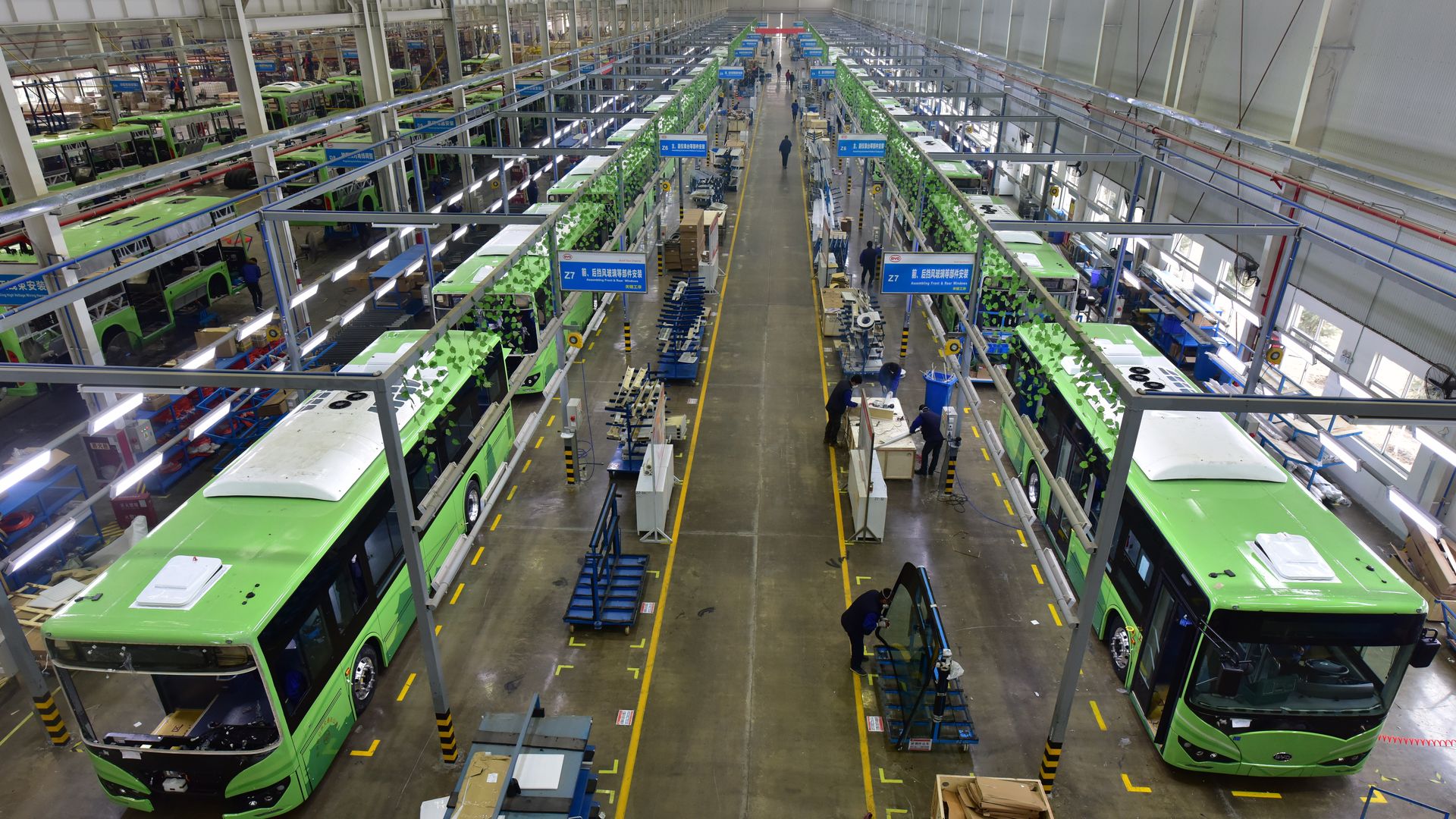
Electric buses are set to command the bus market worldwide by the late 2020s — and, in 2040, they could make up 80% of the global municipal bus fleet, according to Bloomberg New Energy Finance (BNEF).
Why it matters: While personal electric vehicle penetration has grown more slowly than many advocates hoped, buses are a more practical means of achieving greater levels of implementation across the world. According to BNEF, nearly all electric buses will have a lower cost of ownership than conventional buses by next year.
Tesla almost reached Elon Musk's goal of producing 5,000 Model 3 electric sedans per week during the last week of its second quarter, reports Reuters. The 5,000th car made it through final quality checks around 5 a.m. PT — mere hours after Musk's midnight deadline.
Why it matters: Achieving the 5000-per-week production level for the Model 3 during the second quarter was vital for Tesla, even if it came a few hours late. The company has previously fallen short of production targets during the slower-than-expected ramp-up.
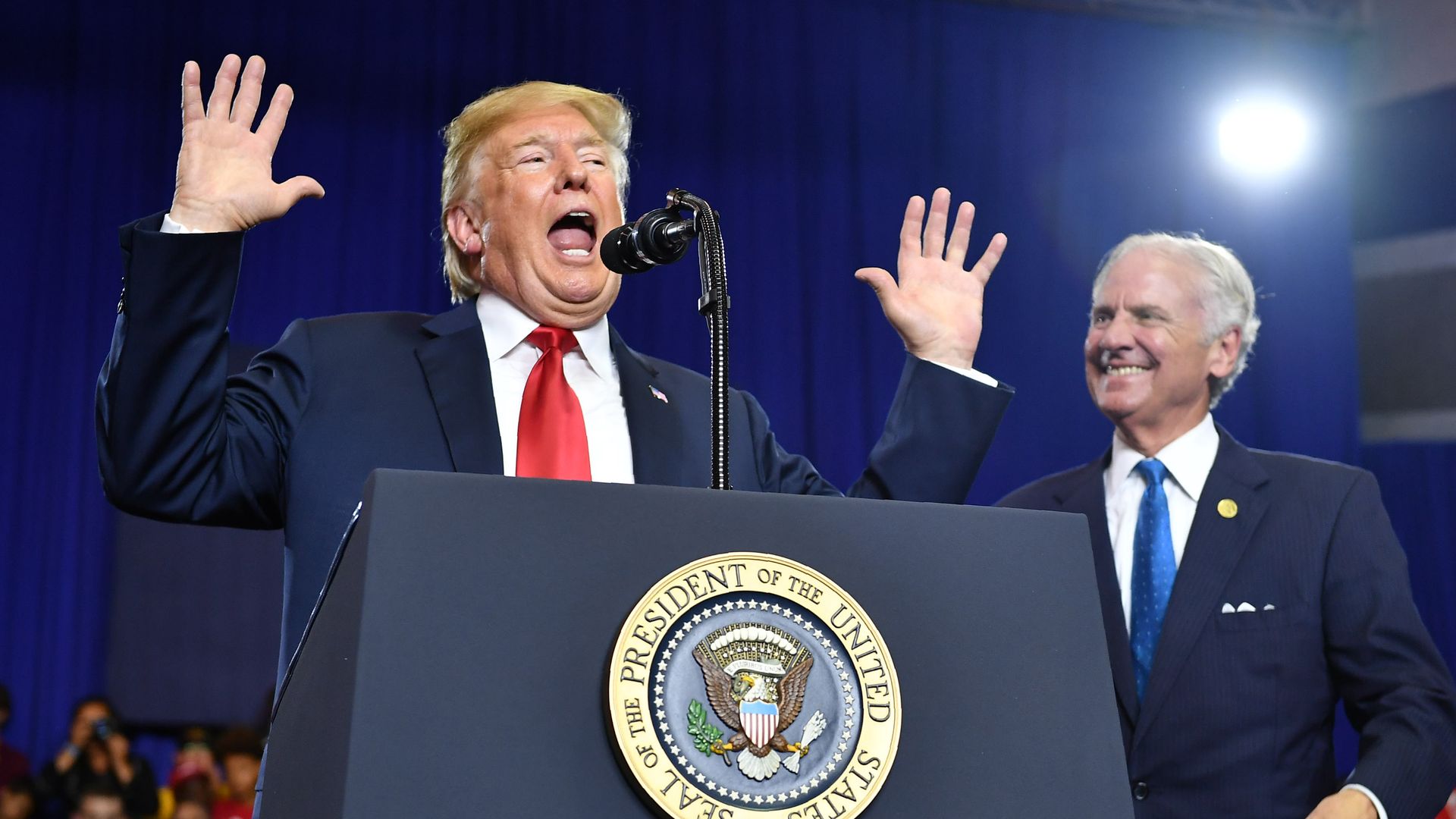
In an interview on Fox today, President Trump appeared to change his claim that Saudi Arabia had committed to pumping an additional 2 million barrels of oil a day, saying instead that OPEC countries "are going to have to put out more oil."
Why it matters: Resurrected U.S. sanctions on Iran will reduce OPEC supply to the market, and are already pushing up prices. In a tweet yesterday, Trump asserted that he had persuaded Saudi King Salman to raise production, but last evening, the White House said it was more like Salman agreed only to meet global demand. The new interview with Maria Bartiromo suggests that any commitment in the conversation may have been even vaguer.
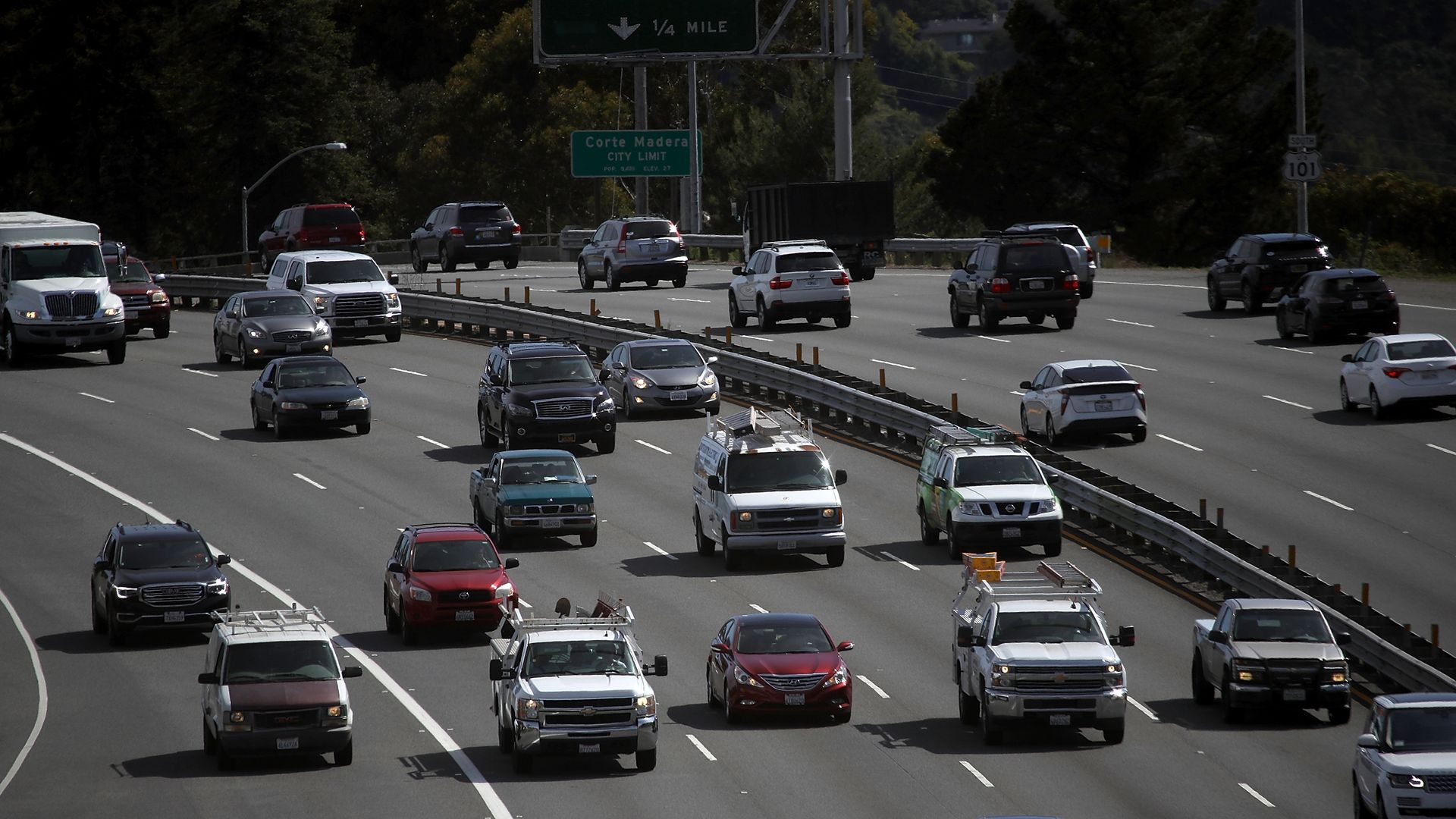
A record number of 49 million people will travel by car, train or plane on Independence Day weekend, the American Automobile Association says in a new report.
Why it matters: Many cities in the sun belt or the west coast are seeing tourist mobility and the holiday weekends contribute to that. Consumer spending and confidence has been steadily on the rise and is expected to continue in the summer months.