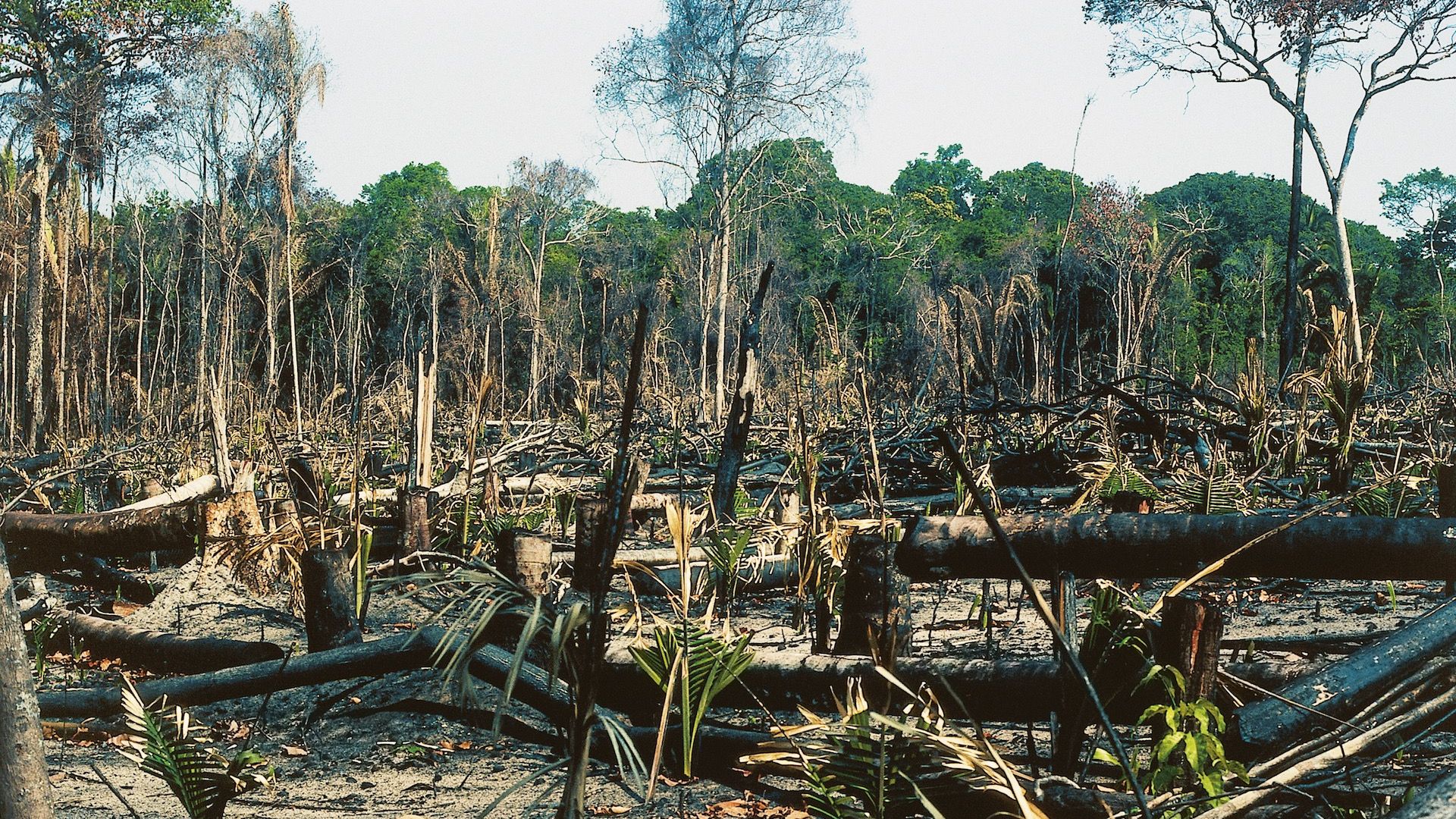
Last year saw the second-largest tropical tree cover loss on record since 1999, in large part because of human-caused fires in the Amazon, a new analysis from the World Resources Institute and University of Maryland found.
What it means: Trees absorb huge amounts of carbon dioxide annually, preventing even more global warming. Losing tree cover means there's the potential for accelerating warming, as well as a range of other effects, including damage to biodiversity.
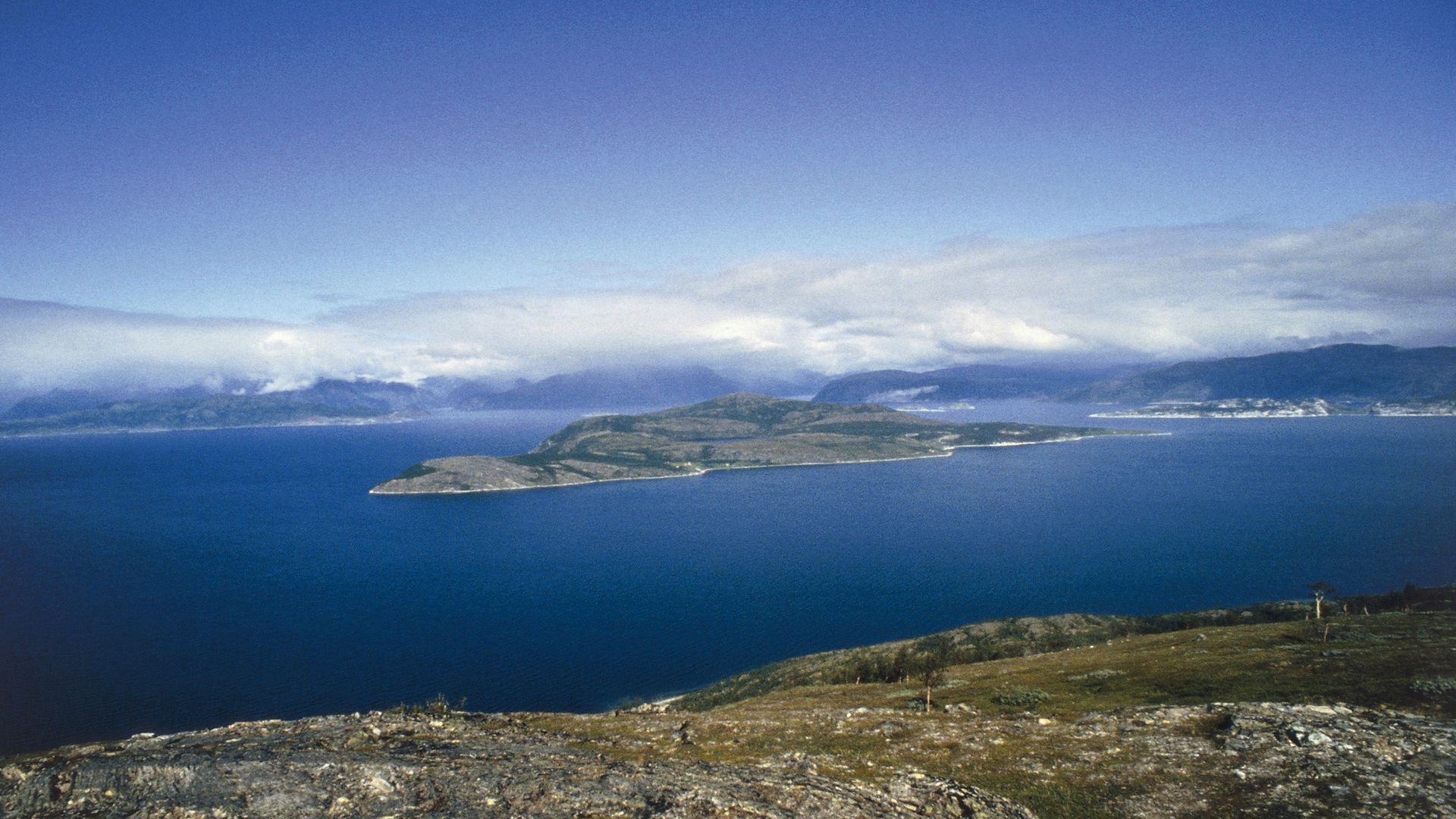
The Arctic Ocean's boundaries are getting fuzzier as Atlantic waters push further northward and sea ice thins and melts more with each passing year, a new study finds.
Why it matters: If this trend continues, it could have wide-ranging impacts on lucrative marine fisheries, and may already be altering the weather patterns affecting your daily life in ways researchers are only now discovering.
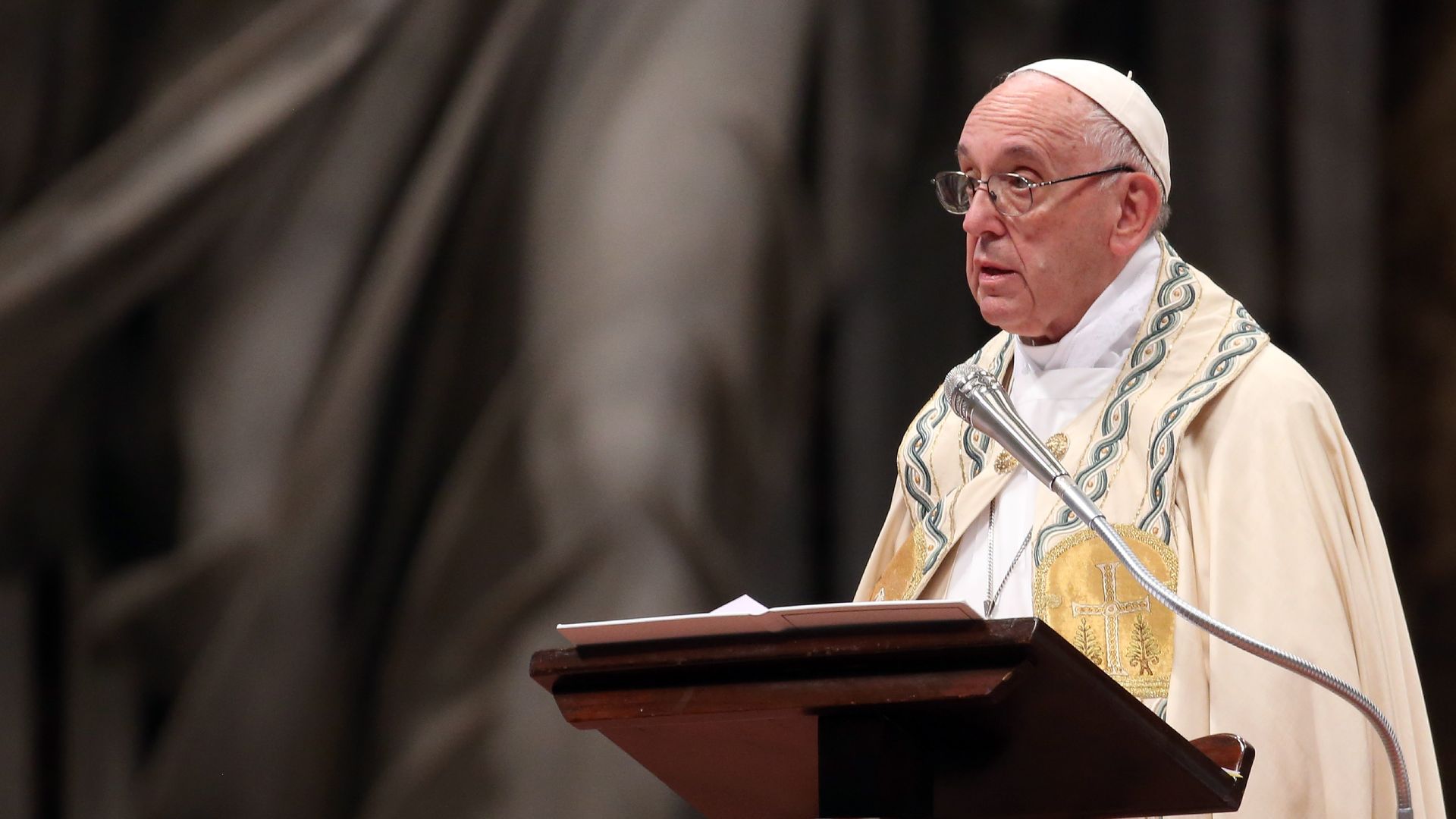
Pope Francis is hosting environmental leaders, researchers and activists next week at the Vatican to advocate for more aggressive action on climate change, according to multiple officials and an agenda viewed by Axios.
Why it matters: It’s the latest move in Francis’ strategy pushing a worldwide discussion on climate change and comes just a few weeks after he hosted a very different crowd on the same topic: big oil and investment firm executives.
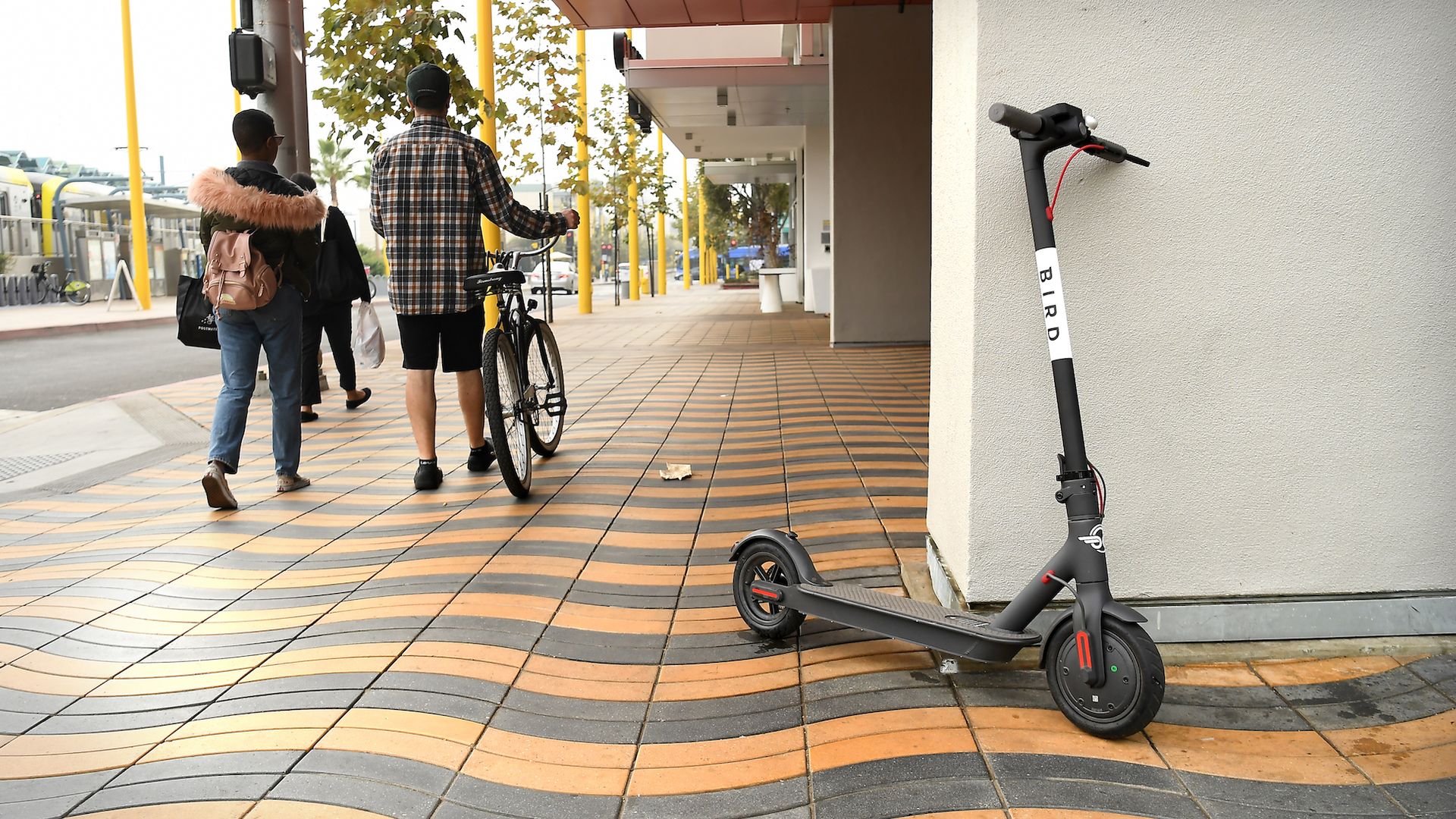
Scooter startup Bird confirmed on Thursday that it has raised $300 million in new funding led by Sequoia Capital, just months after raising its last round.
Why it matters: Scooters are the latest smartphone-enabled transportation craze, reminiscent of the ride-hailing wars a few years ago, and Bird's strategy resembles Uber's—raise more money than the competition and rapidly expand.
The retirement of Supreme Court Justice Anthony Kennedy — and a replacement that will most likely move the court further to the right — could help weaken federal regulation of greenhouse gas (GHG) emissions.
The big question: Whether there's an opening for revisiting 2007's Massachusetts v. EPA, the 5-4 decision where Kennedy joined the majority to clearly enable regulation of CO2 emissions.
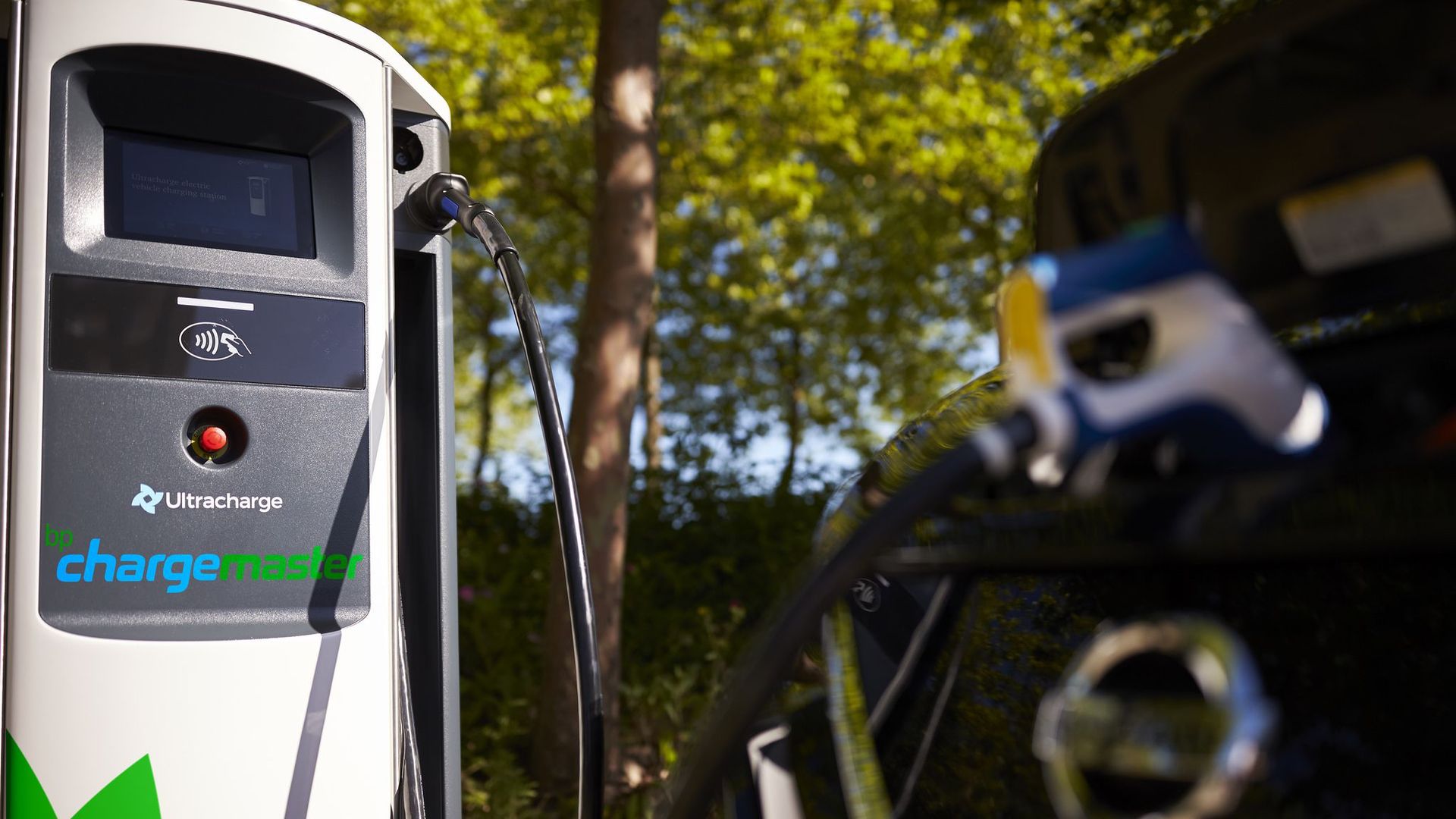
Oil-and-gas giant BP announced Thursday that it's buying the U.K.'s largest electric vehicle charging network, Chargemaster, for roughly $170 million.
The big picture: The move comes amid efforts by European regulators to bolster the share of EVs on roads. BP estimates that by 2040 there will be 12 million EVs on U.K. roads, up from 135,000 last year.
More broadly, it's the latest sign of European-based oil majors making increasing investments in the electricity and EV space, although it remains a very small part of their overall budgets.
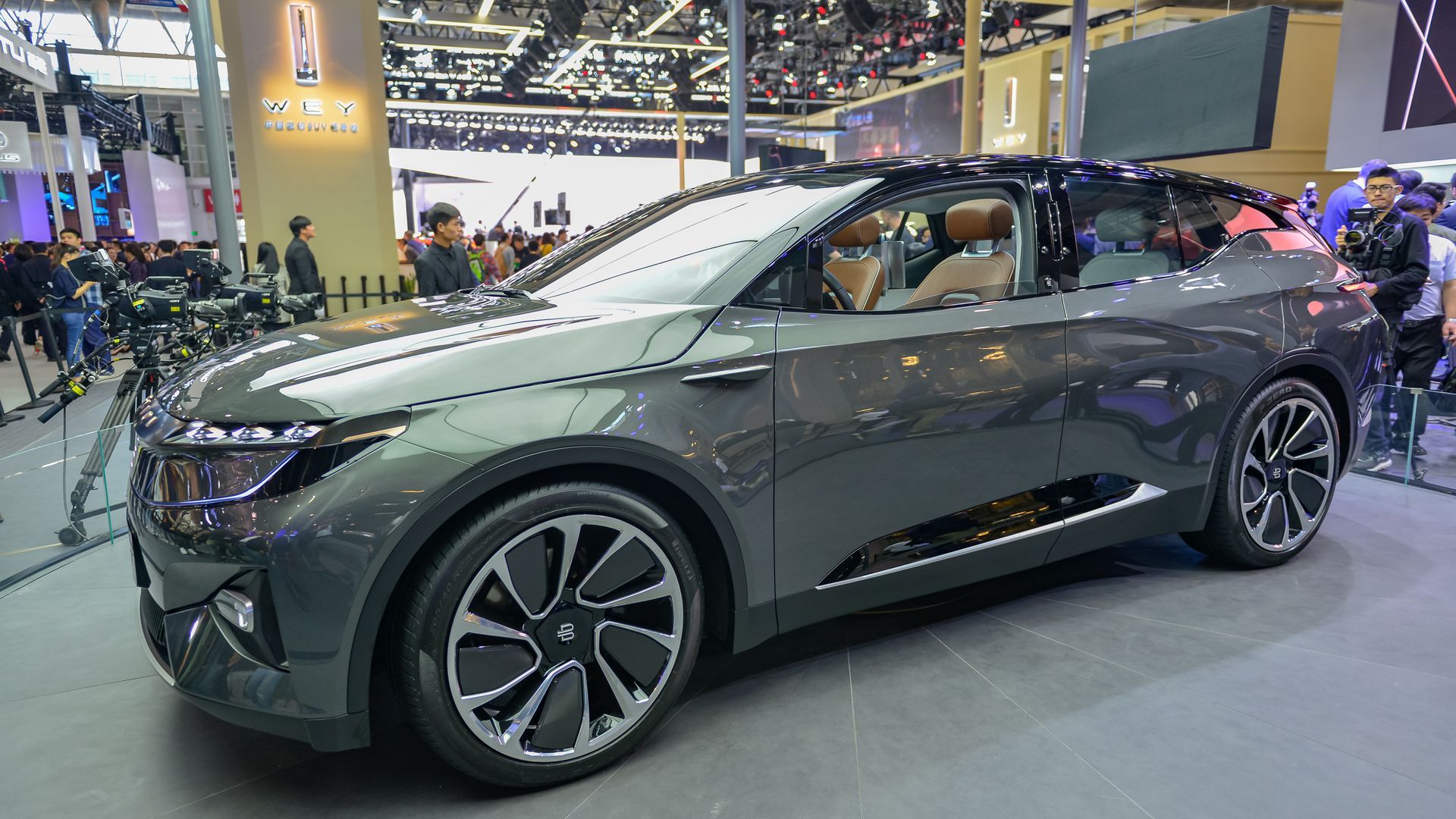
Following its IPO this month, Chinese lithium-ion battery manufacturer CATL became one of the highest-valued companies on the ChiNext stock exchange. Founder Zeng Yuqun, vice chairman Huang Shilin and shareholder Pei Zhenhua have become newly minted billionaires.
Why it matters: Founded 7 years ago, CATL has the largest market share of battery makers in China and recently surpassed Panasonic as the world’s largest supplier of electric vehicle (EV) batteries.
U.S. exports of crude oil surged to average 3 million barrels per day for the week ending June 22, by far the highest level ever, according to newly released data from the federal Energy Information Administration (EIA).
Why it matters: The record signals how the U.S. has become an increasingly powerful force in global crude oil markets as domestic production, already at record levels, inches closer to reaching 11 million barrels per day.
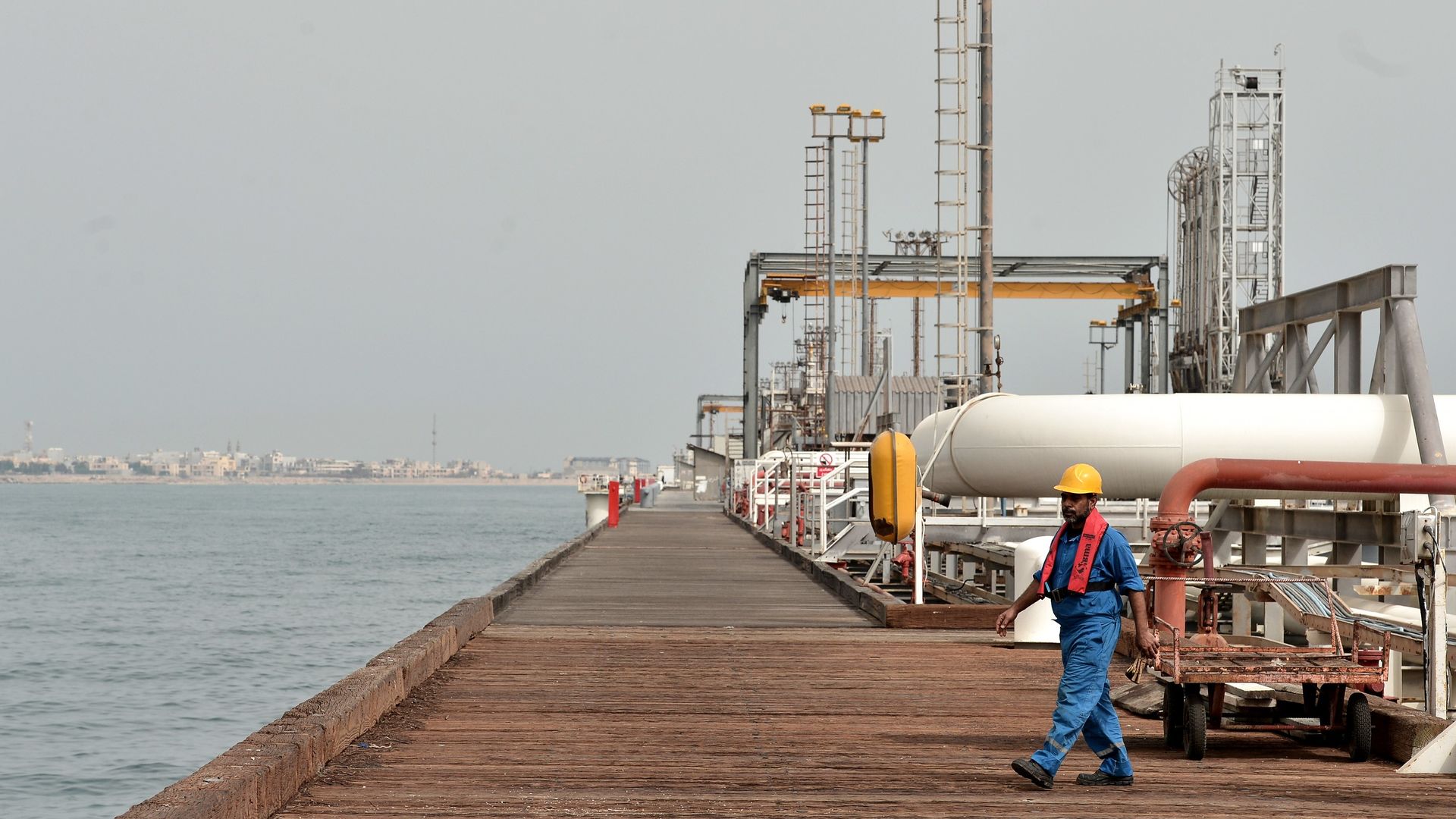
Oil prices are up following yesterday's claim by a senior State Department official that the U.S. doesn't intend to grant sanctions waivers for buyers of Iranian crude oil.
Why it matters: The Trump administration plans to take a hard line once the penalties are reimposed in November, but the posture comes with uncertainties.
Oil and gas companies are increasingly focusing on how to cut emissions of methane, a potent greenhouse gas that’s also the primary component of natural gas. At a conference underway in Washington, attendees can try for themselves with virtual reality.
Why it matters: With the world’s use of natural gas growing, determining its impact on climate change is key. While many people are familiar with carbon emissions, less awareness exists around methane. A virtual reality exhibit by the Environmental Defense Fund at the World Gas Conference is aimed at making something intangible to most people seem less so — at least virtually.
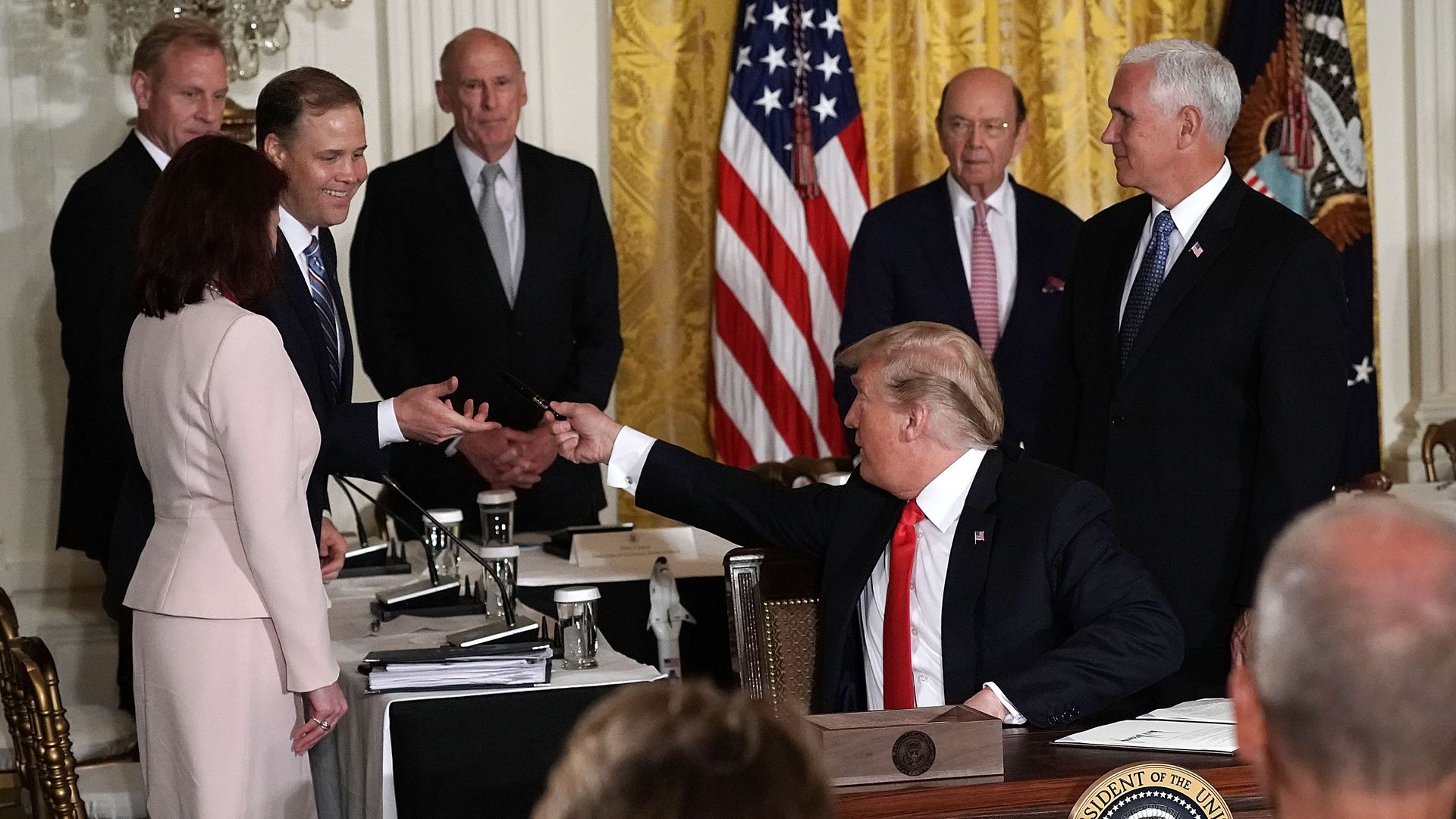
NASA chief Jim Bridenstine said he’s not getting pushback from Trump administration officials over his recent, high-profile endorsement of the scientific consensus that human activities are the dominant cause of global warming.
"The administration has been very supportive of my position. Nobody's given me a hard time about it at all"
— NASA administrator Jim Bridenstine, in an interview with Axios
Why it matters: Bridenstine leads one of the world's top climate science research agencies, so his position on this issue will influence support for studies that in turn form the basis for policy decisions. Yet he's out of step with senior Trump officials.