The U.K. has historically supported the emerging marine-energy industry with incentives to encourage adoption. The region has some of the best wave and tidal resources in the world and could benefit substantially from the industry once it fully matures.
Yes, but: The government’s support for the industry may be ebbing. After nearly two years of waiting and debate, the U.K. government decided to throw out the £1.3 billion Swansea Tidal Lagoon project, to be developed in Wales, on the grounds that it would not provide sufficient value for the cost. This directly contradicts a government-commissioned independent review that found the project economically viable.
Why it matters: Without effective research and development to increase crop yields, combat climate change's impact on agricultural output and increase global access to more nutritional diets, the world will experience more famines leading to forced migrations, political instability and human suffering.
A federal district court judge has tossed out a lawsuit against five major oil companies, including Exxon and Shell, brought by two California cities seeking compensation for the costs of dealing with rising seas.
Why it matters: The litigation by San Francisco and Oakland is an early and important battleground in a wider group of lawsuits that directly go after powerful oil companies over the effects of climate change.
The world’s biggest publicly traded oil and natural gas companies account for less than 4% of the world’s energy-related carbon emissions, according to the head of the International Energy Agency, Fatih Birol.
Why it matters: The datapoint underscores the large symbolic and political role companies like ExxonMobil, BP, and Shell fill in the world’s climate debate, despite accounting for a relatively small piece of the global carbon-emitting pie. Just as much attention should be paid to growth in coal electricity in Asia, Birol said in an interview Monday ahead of a big natural-gas conference kicking off Tuesday.
With the rise of scooter-sharing startups, China-based scooter maker Segway-Ninebot is looking to remain the manufacturer of choice by expanding into commercial-grade vehicles.
Bottom line: Setting up a scooter startup is as easy as ever, so there's an immense opportunity for manufacturers like Segway-Ninebot.
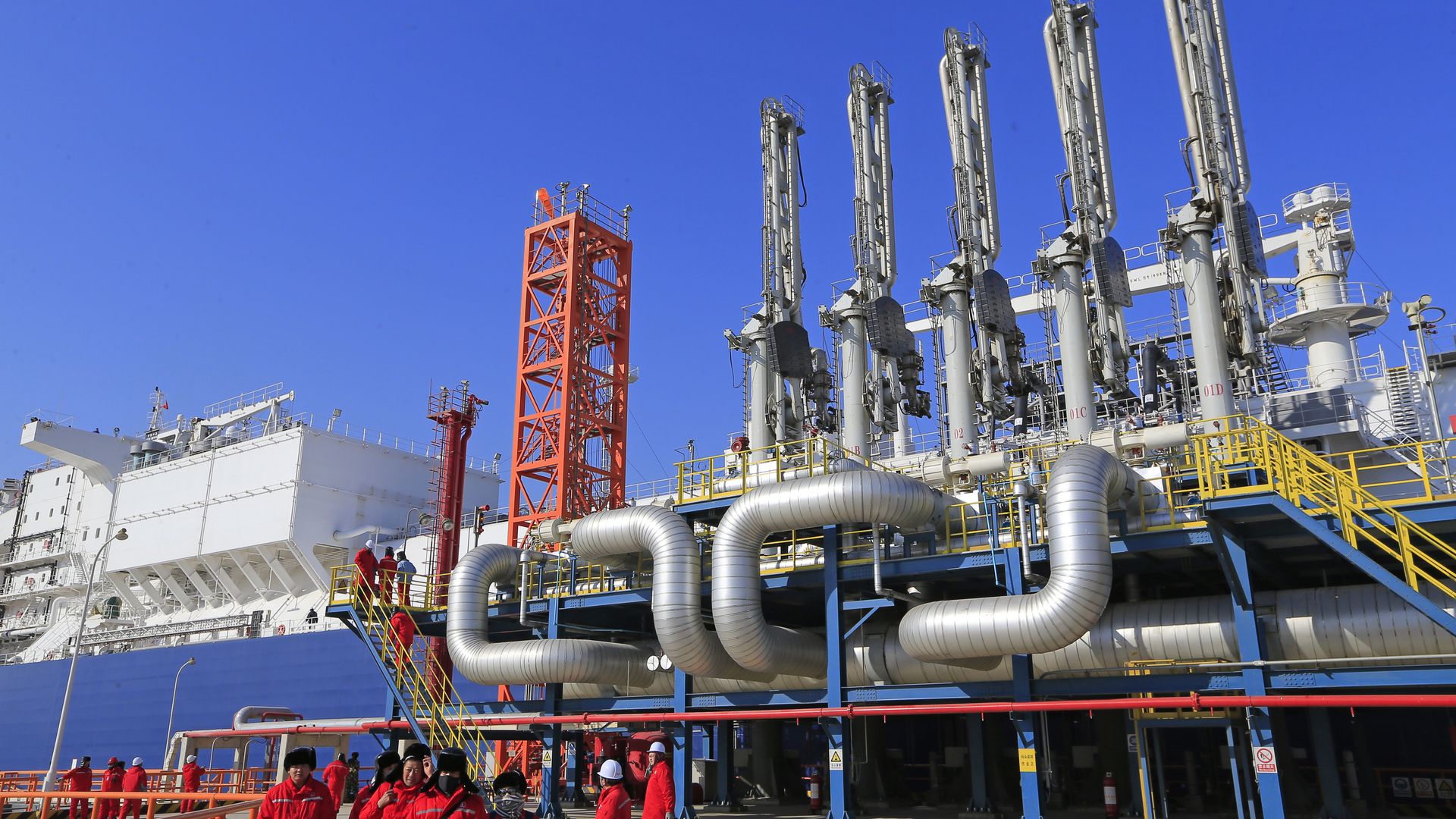
Surging Chinese natural gas consumption, combined with its limited domestic production, will make the country the world's largest gas importer starting in 2019 or even this year, the International Energy Agency said in a new report.
Why it matters: That projection, and other new IEA forecasts of China's remarkable gas demand growth, underscores the country's huge and growing presence in global energy markets.
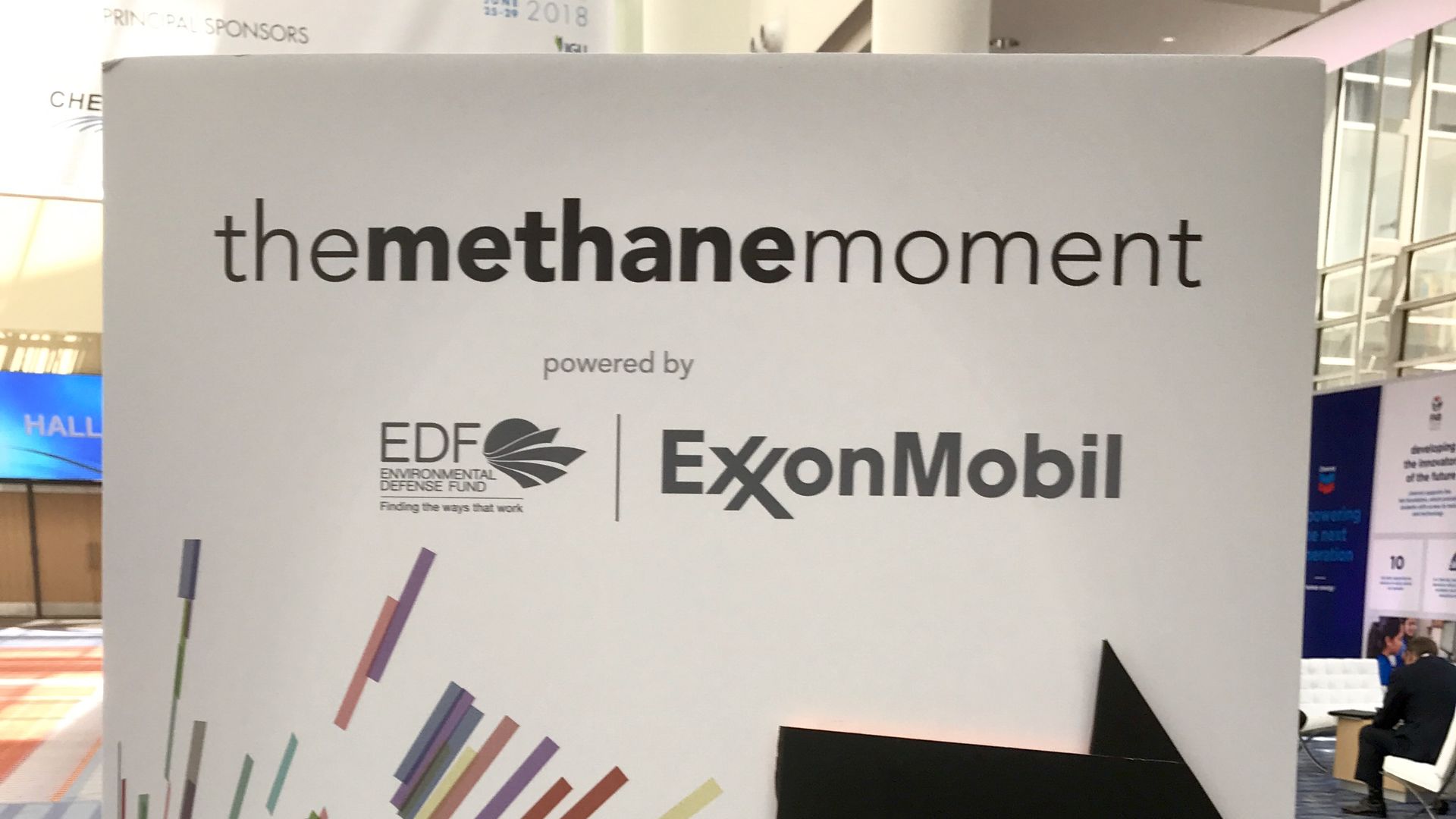
Environmental Defense Fund and ExxonMobil Corp., are sponsoring an event together for the first time ever.
Why it matters: It’s a sign of deepening ties between an environmental group and the oil industry at a time of division on the polarized topic of climate change and energy. EDF is one of the only environmental groups that works closely with the industry, despite scrutiny of the sector’s role exacerbating climate change.
The details: The event, which occurred at lunchtime Monday, focused on cutting emissions of methane, a potent greenhouse gas, that's the primary component of natural gas. It's inadvertently emitted during the oil and gas production and transportation process.
What's next: The event comes a day before the official start of a big conference this week in Washington on natural gas. Speakers at the conference include Energy Secretary Rick Perry, Exxon CEO Darren Woods and more.
The digital revolution sweeping the energy sector would seem poised to help reduce the greenhouse gas emissions that cause climate change. Progress in artificial intelligence and computing power, the plunging cost of sensors and other digital equipment, and rising connectivity could all make it easier to use clean energy sources and cut wasteful energy use.
Yes, but: Digitalization is a double-edged sword. Unless policymakers around the world act quickly, it could make the global energy system dirtier. Policies such as carbon pricing are needed to steer the energy industry toward digital technologies that reduce emissions rather than raise them.
Climate change is intangible and complicated, which makes it an easy target for our era of fake news.
Why it matters: Addressing climate change, whether through government or private action, requires acknowledging a problem exists. Misinformation about the science, including inaccurate statements and articles, makes that harder. Concern about climate change has dropped over the past year among Republicans and independents, according to Gallup polling released in March.












/2018/06/24/1529879371748.gif?w=3840)