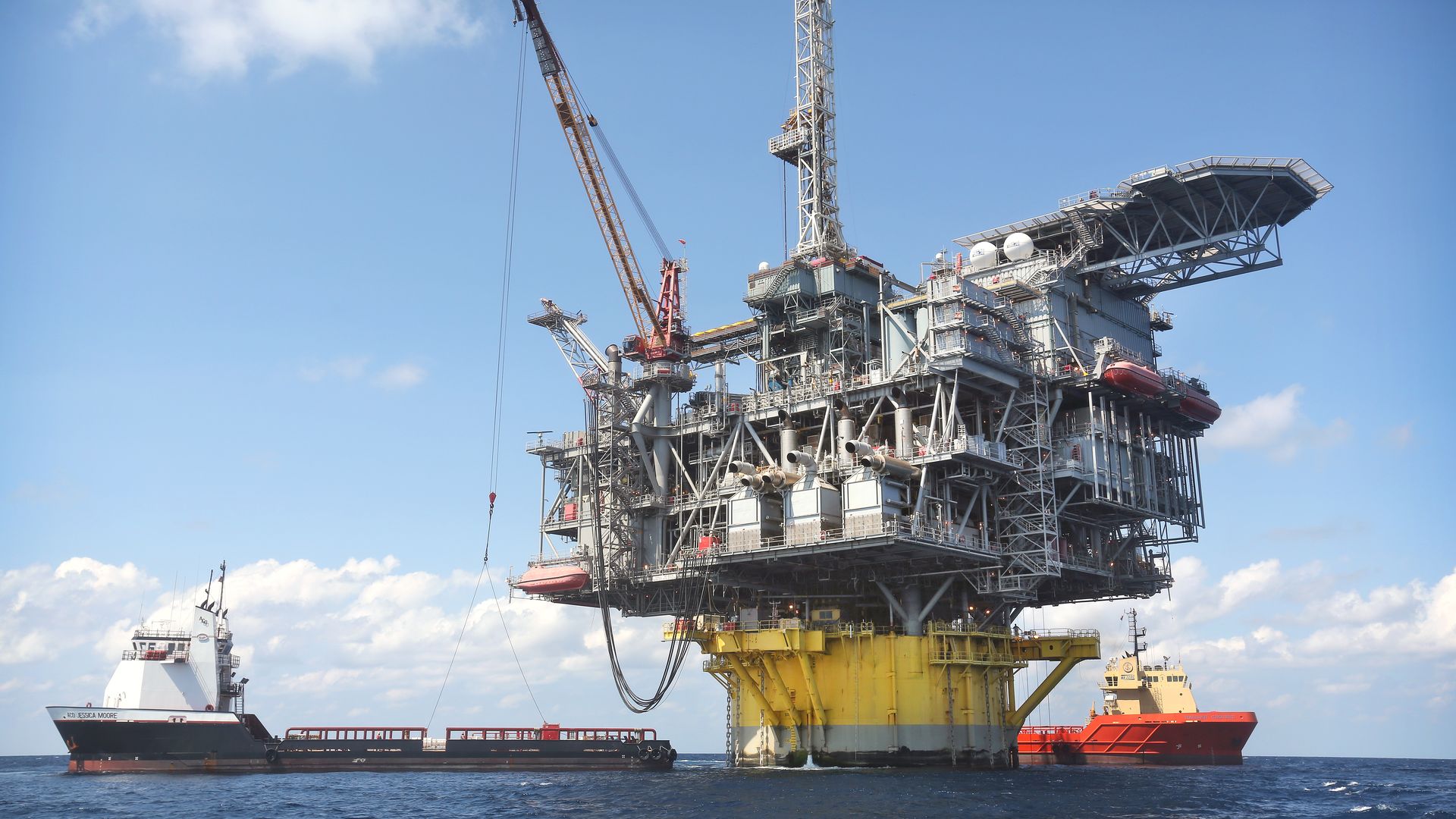
The Pentagon this week issued a stern warning to congressional lawmakers about offshore and natural gas drilling in the eastern part of the Gulf of Mexico, saying it would collide with military training and testing, reports The Hill.
Why it matters, per Axios' Amy Harder: This gives military credence to the Interior secretary's haphazard decision earlier this year to remove this portion from consideration. It will also rankle the oil industry, which was upset at Zinke's surprise move.
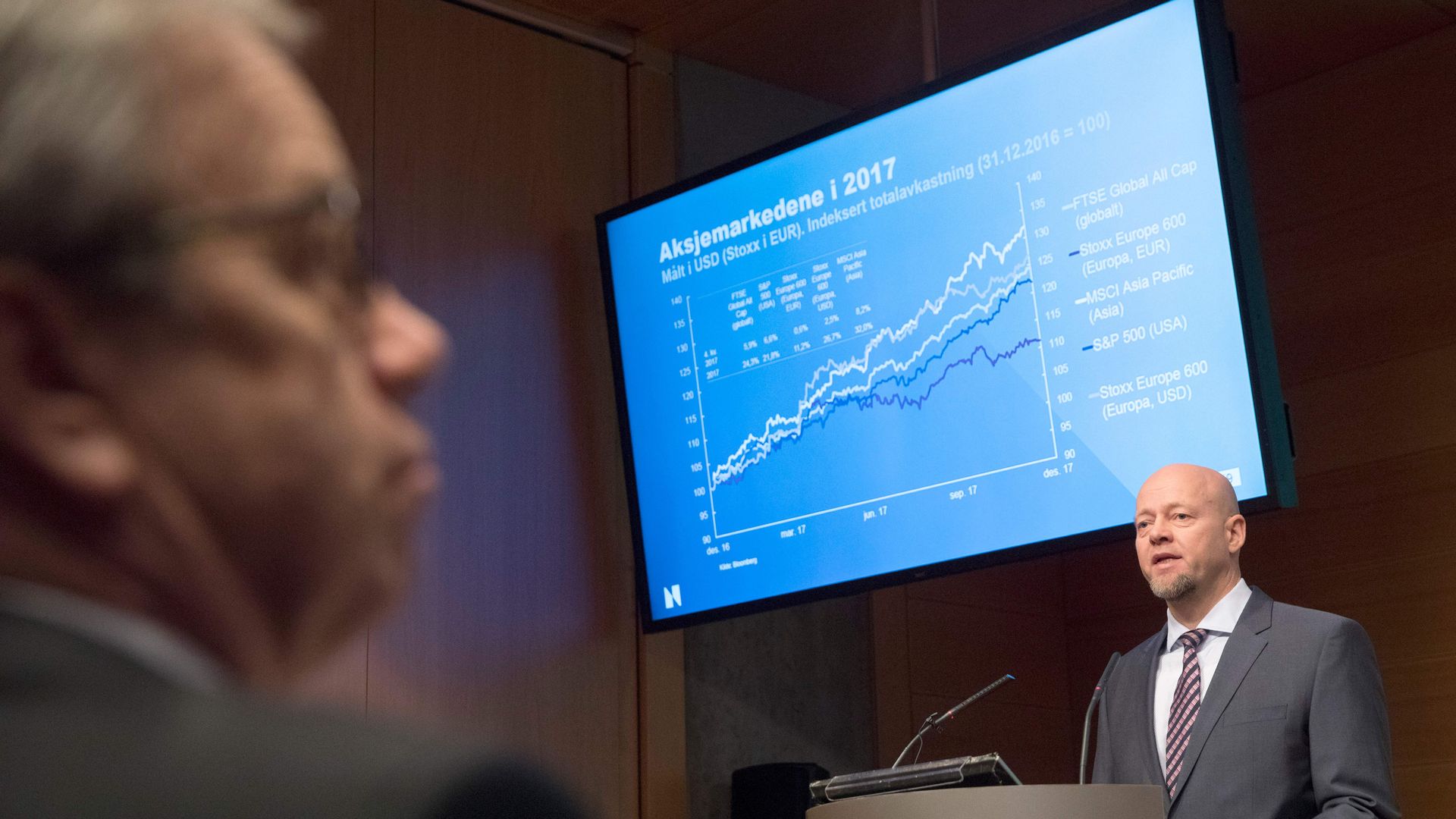
Since the Paris Agreement's adoption in 2015, a majority of the world's largest investors have begun to take action on climate change. According to a new report, the 2016–2017 year showed an average improvement in decarbonization within all major investor categories except pension funds.
The big picture: As more countries act to reduce carbon emissions, large institutional investors are becoming increasingly aware that high-carbon assets, such as oil firms and coal mines, may become worthless in the long run, driving them to dedicate a larger portion of their assets to renewable energy.
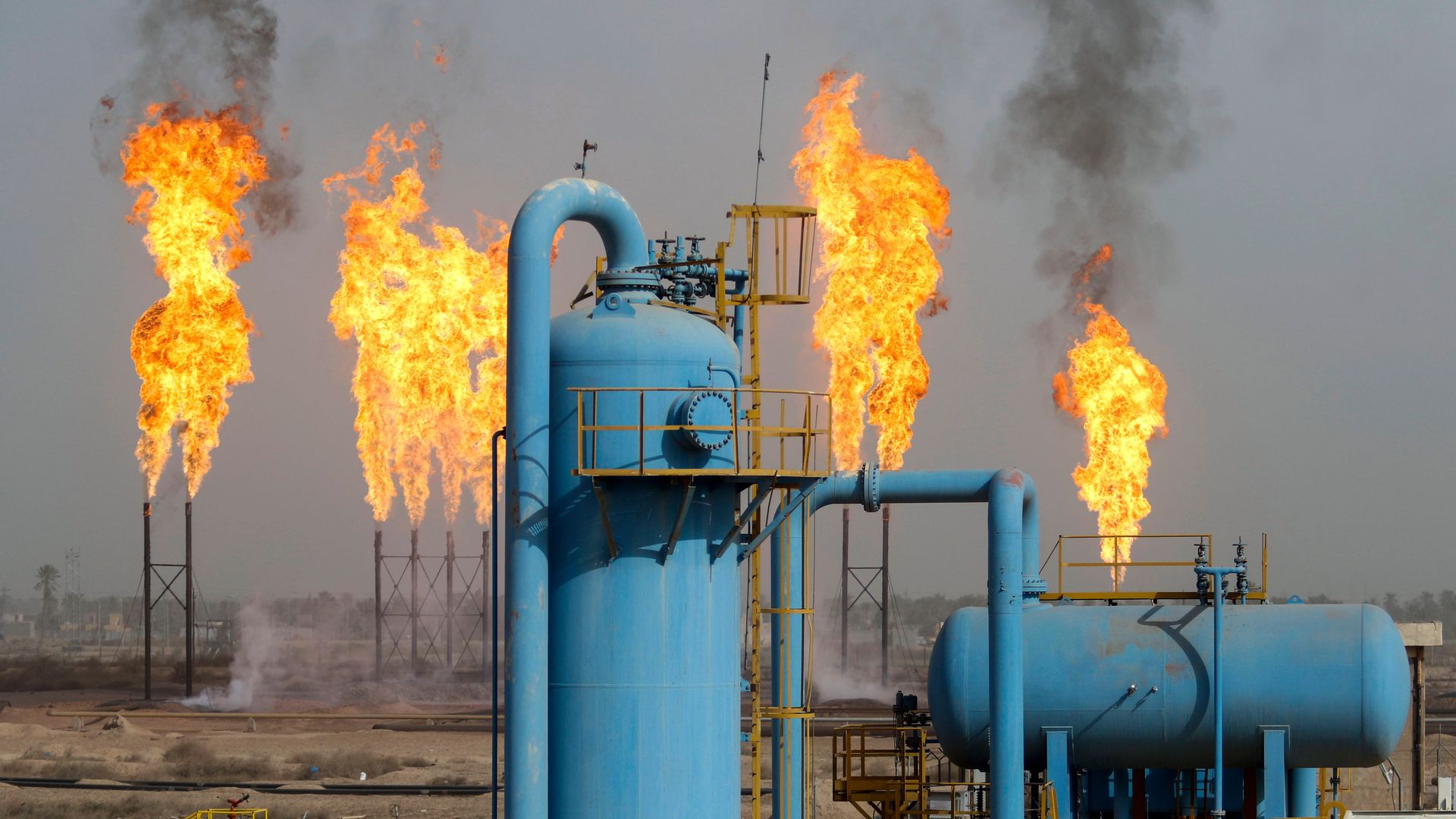
Bank of America predicts that oil prices could spike to $100 a barrel next year, a price not seen since 2014, Bloomberg's Grant Smith reports.
Driving the assessment: The economic crisis in Venezuela has created oil supply problems, and President Trump's decision to withdraw the U.S. from the Iran nuclear deal and reimpose sanctions on the country have sent crude prices soaring. Meanwhile, world inventories are expected to shrink while demand has been on the rise.
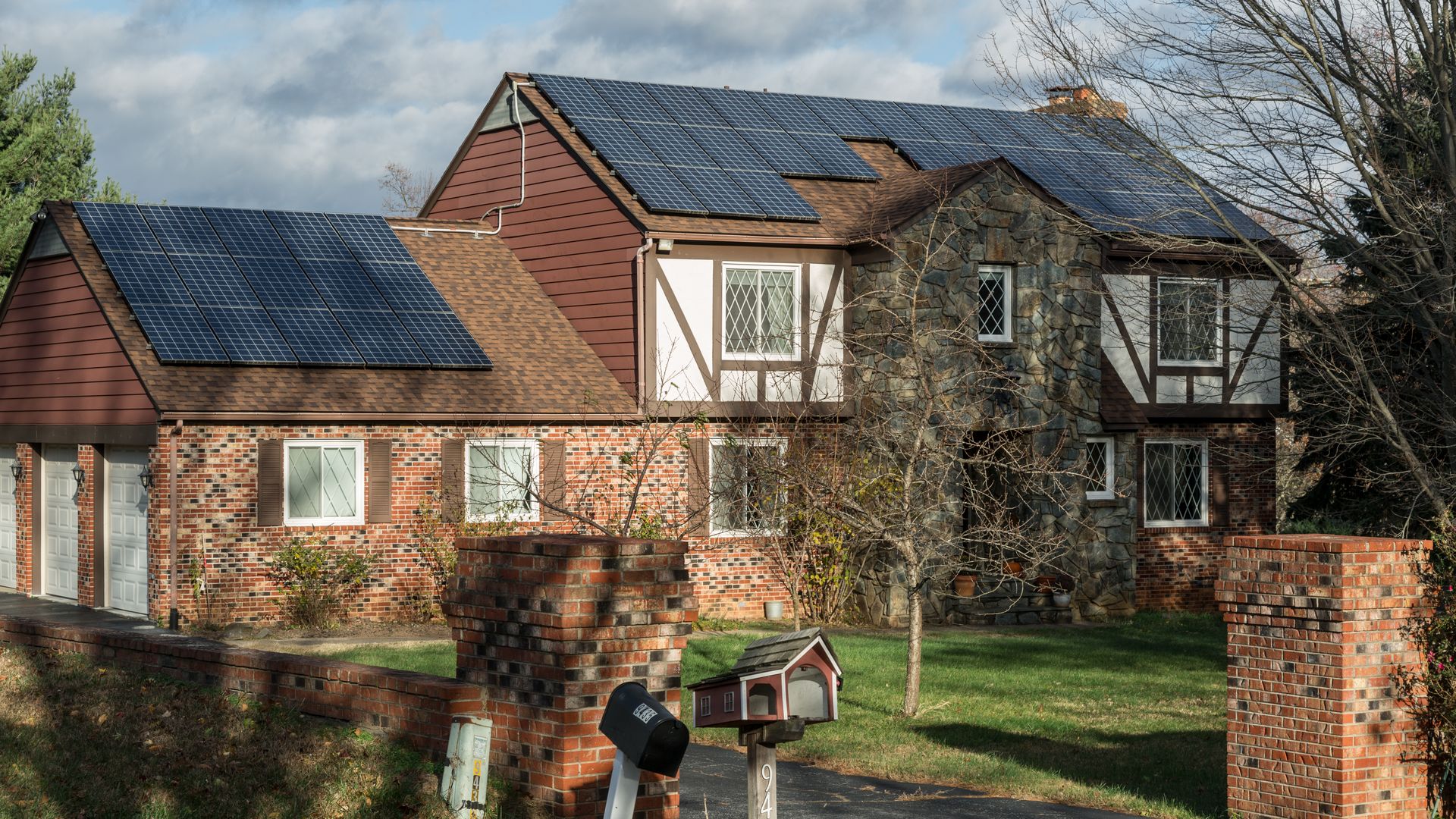
California regulators announced Wednesday that, beginning in 2020, all new single family houses and multifamily buildings of three stories or less will be required to have solar panels, reports the LA Times — a move that reflects the state's push to aggressively fight climate change.
One level deeper: California already leads the nation in solar power capacity by a wide margin with over 21,000 megawatts deployed (a tally that includes not just residential but also utility-scale projects and other sources,) according to the Solar Energy Industries Association.
Green-focused venture capital players have formed the Business Coalition for Conservation and Climate aimed at curbing emissions from public lands where the White House is seeking to widen fossil fuel development.
Why it matters: They hope to create a government-focused equivalent to what's already a robust network of sustainability and investor activists — groups like Ceres and the Task Force on Climate-related Financial Disclosures — that have long pushed private companies for more openness about climate risk.