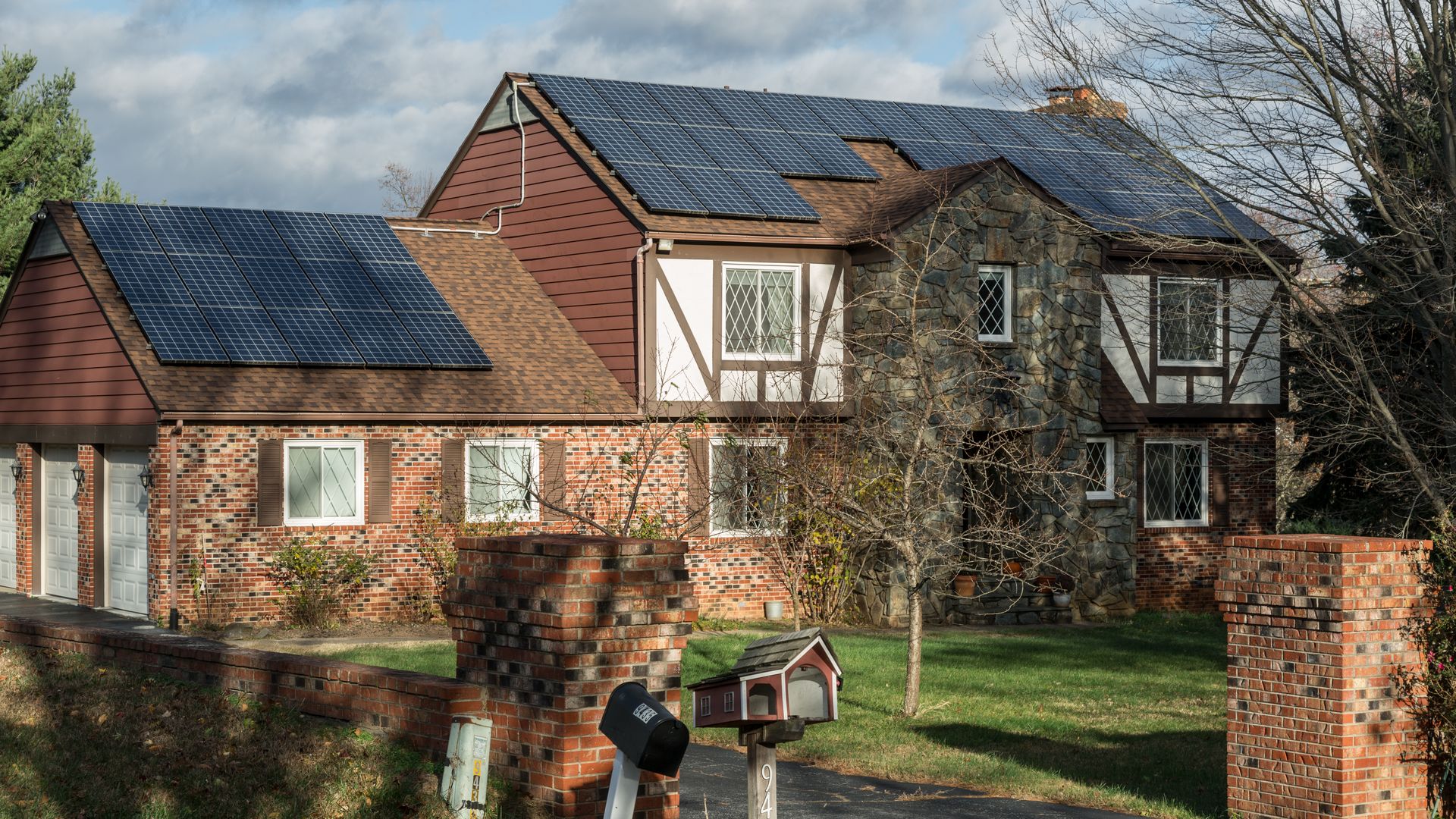
California regulators announced Wednesday that, beginning in 2020, all new single family houses and multifamily buildings of three stories or less will be required to have solar panels, reports the LA Times — a move that reflects the state's push to aggressively fight climate change.
One level deeper: California already leads the nation in solar power capacity by a wide margin with over 21,000 megawatts deployed (a tally that includes not just residential but also utility-scale projects and other sources,) according to the Solar Energy Industries Association.
Green-focused venture capital players have formed the Business Coalition for Conservation and Climate aimed at curbing emissions from public lands where the White House is seeking to widen fossil fuel development.
Why it matters: They hope to create a government-focused equivalent to what's already a robust network of sustainability and investor activists — groups like Ceres and the Task Force on Climate-related Financial Disclosures — that have long pushed private companies for more openness about climate risk.
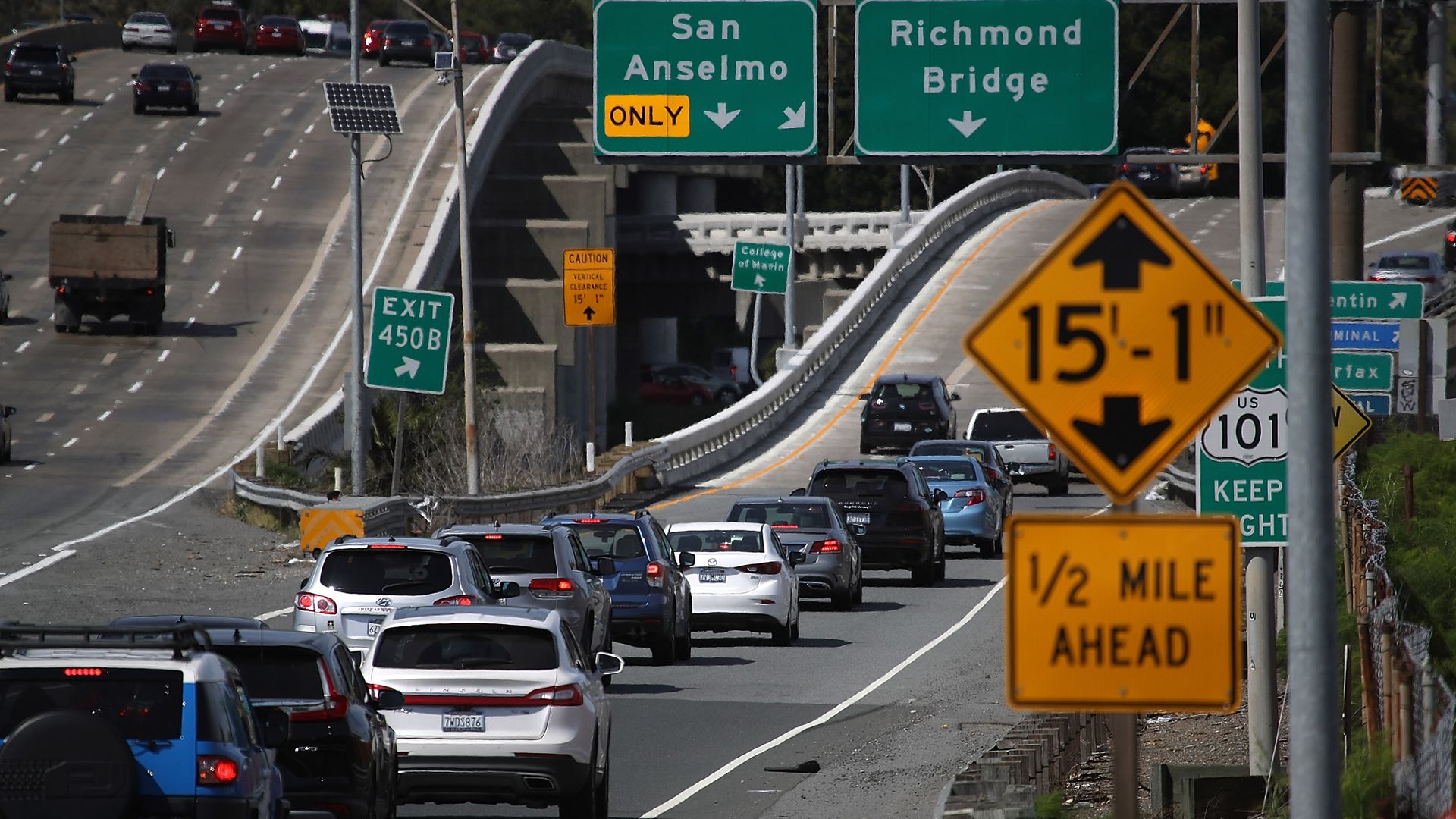
On April 2, the EPA issued its final determination to roll back the federal greenhouse gas (GHG) vehicle emissions standards, one of the most effective policies for reducing carbon pollution. The Obama administration enacted the policy with auto industry support in 2009, but the EPA has now called the standards for model years 2022–2025 “not appropriate."
Why it matters: The Trump administration may freeze air pollution standards at 2020 levels and limit states’ authority to enforce more stringent ones, sparking a familiar legal battle with leading states and making it more difficult for them to meet pollution reduction goals.