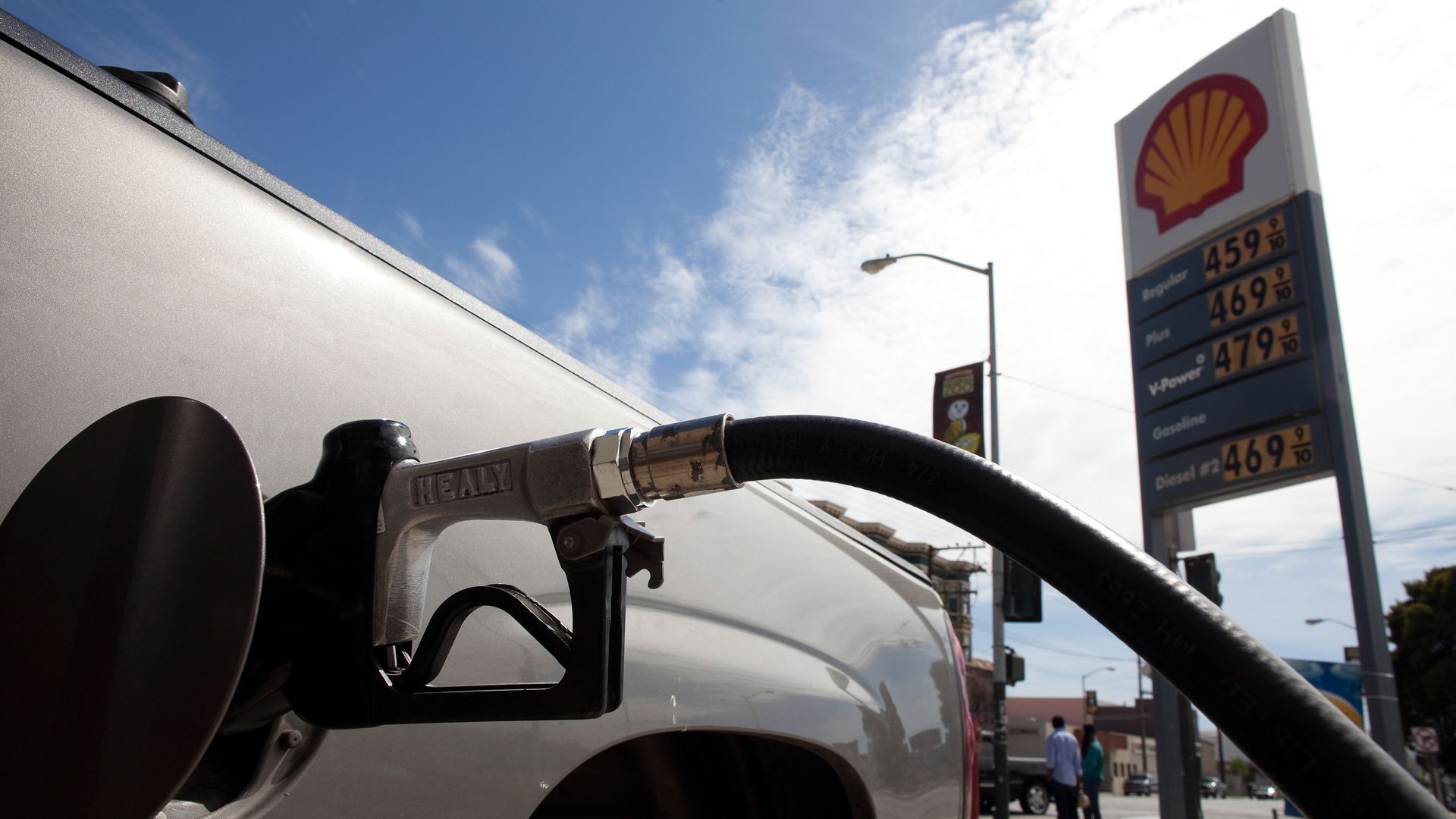
Gas prices are reducing the benefits Americans are getting from President Trump's tax cuts, reports USA today.
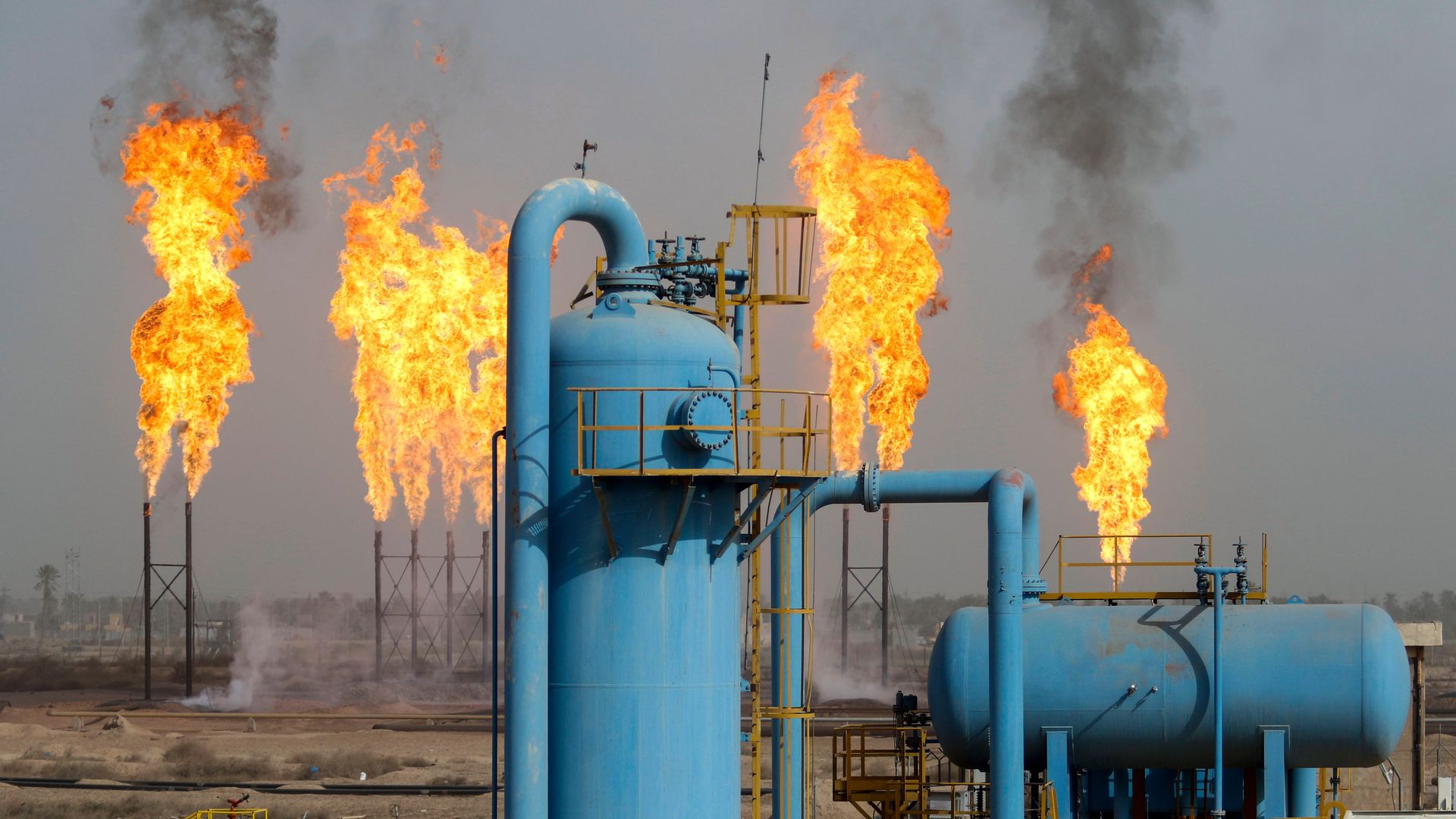
The big picture: "President Trump’s decision this week to withdraw from the Iran nuclear deal and reinstate sanctions against that oil-rich country could constrain global supplies, further pushing up crude and gasoline prices," writes USA Today.
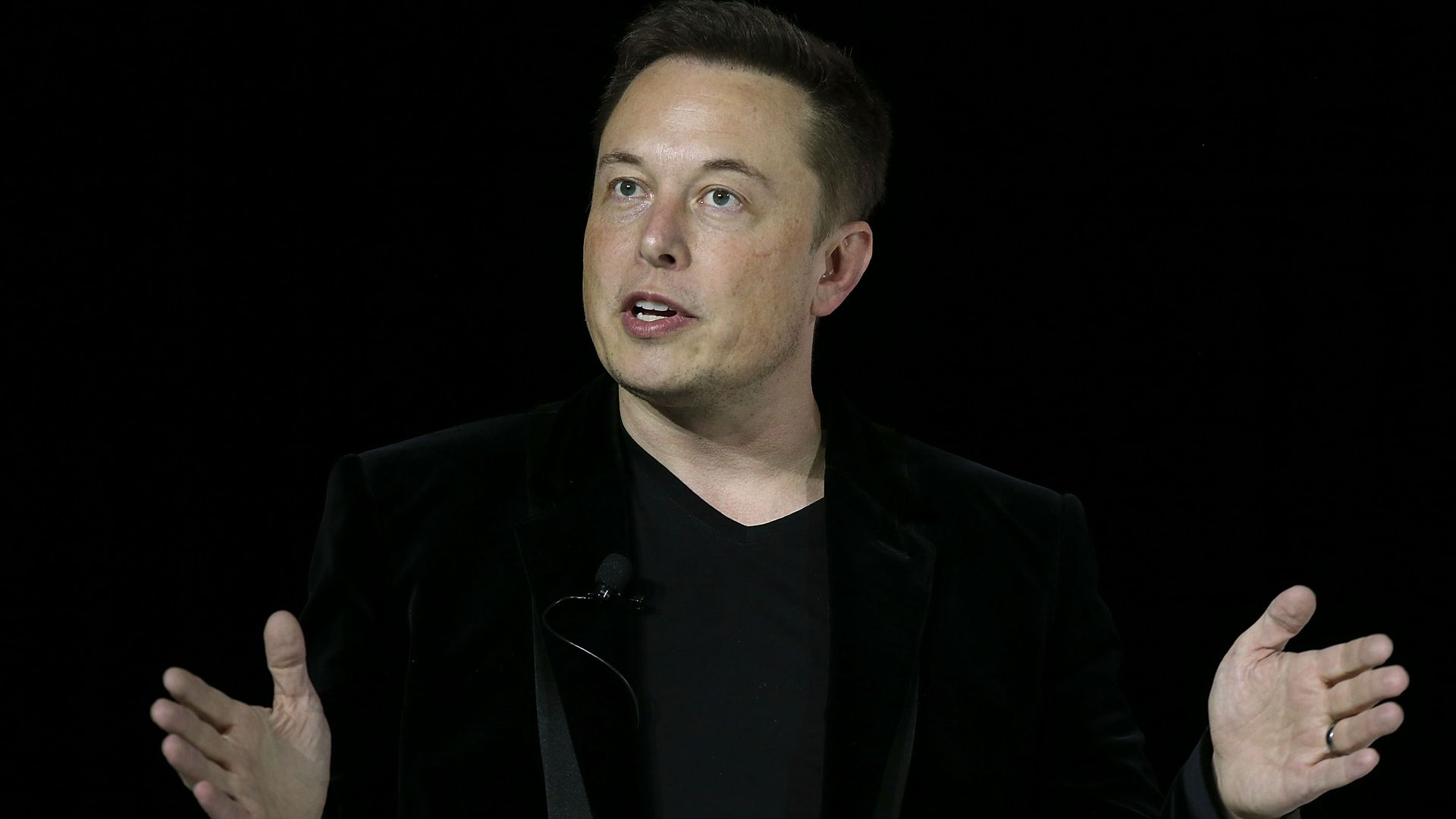
Tesla CEO Elon Musk has unveiled a video of his Boring Company's underground tunnel that will soon offer Los Angeles commuters an alternative mode of transportation in an effort to escape the notoriously clogged highways of the city.
The details: Musk announced in an Instagram post that, once the first-of-its-kind tunnel is operational and approved by the city, free rides will be available to the public "in a few months." He added that the system "will always give priority to pods for pedestrians & cyclists for less than the cost of a bus ticket."
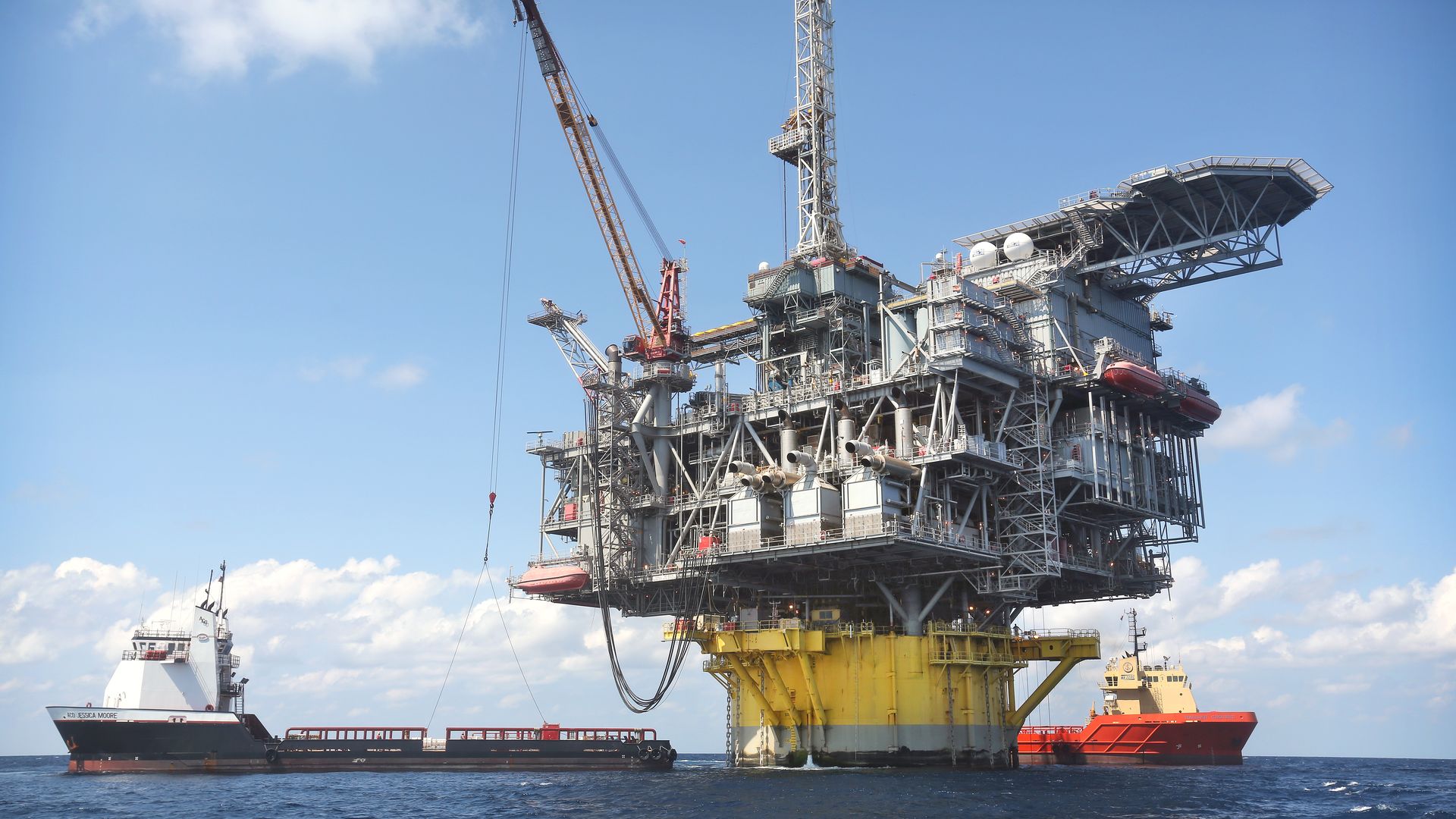
The Pentagon this week issued a stern warning to congressional lawmakers about offshore and natural gas drilling in the eastern part of the Gulf of Mexico, saying it would collide with military training and testing, reports The Hill.
Why it matters, per Axios' Amy Harder: This gives military credence to the Interior secretary's haphazard decision earlier this year to remove this portion from consideration. It will also rankle the oil industry, which was upset at Zinke's surprise move.
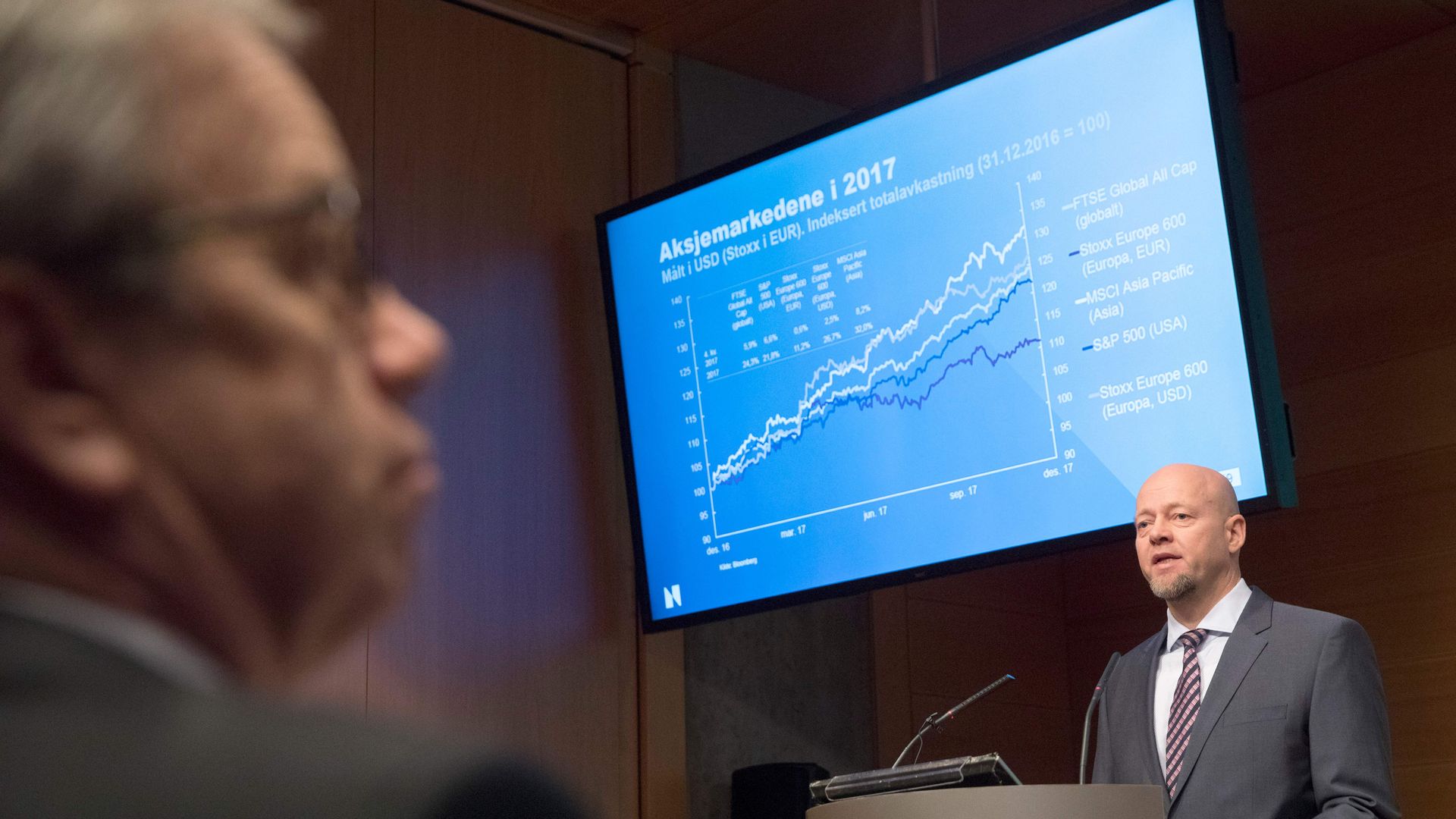
Since the Paris Agreement's adoption in 2015, a majority of the world's largest investors have begun to take action on climate change. According to a new report, the 2016–2017 year showed an average improvement in decarbonization within all major investor categories except pension funds.
The big picture: As more countries act to reduce carbon emissions, large institutional investors are becoming increasingly aware that high-carbon assets, such as oil firms and coal mines, may become worthless in the long run, driving them to dedicate a larger portion of their assets to renewable energy.
Bank of America predicts that oil prices could spike to $100 a barrel next year, a price not seen since 2014, Bloomberg's Grant Smith reports.
Driving the assessment: The economic crisis in Venezuela has created oil supply problems, and President Trump's decision to withdraw the U.S. from the Iran nuclear deal and reimpose sanctions on the country have sent crude prices soaring. Meanwhile, world inventories are expected to shrink while demand has been on the rise.