Gretchen Watkins, the former CEO for Maersk Oil, is expected to begin overseeing energy giant Royal Dutch Shell's growing U.S. business, Bloomberg reports.
Why it matters: This is the latest development for female executives being promoted to "oversee marquee U.S. assets," after the oil industry has been largely dominated by men. There's still a long way to go, however, as 80% of industry workers are men and there's a significant wage gap.
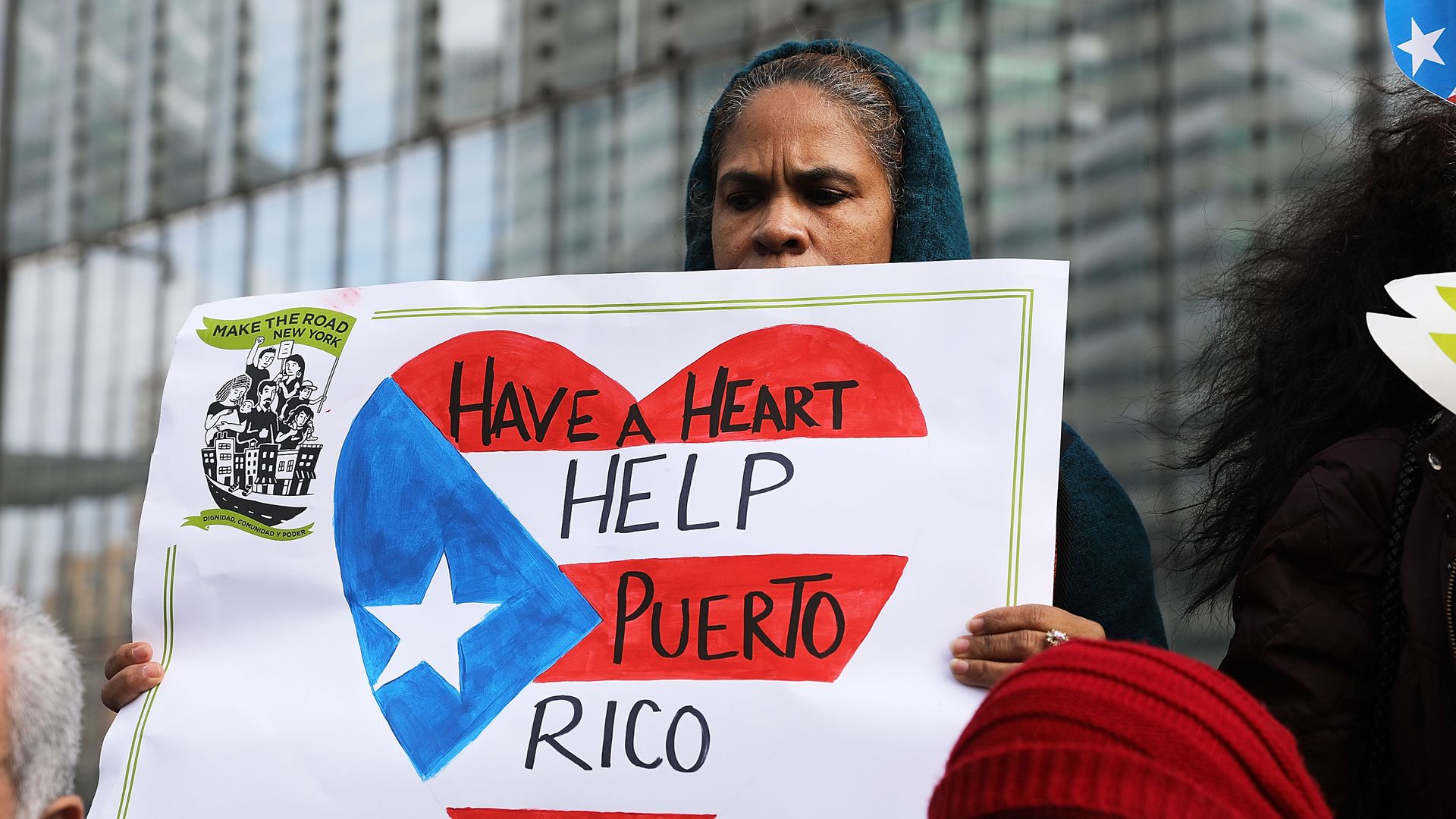
The media and the public noted the stark differences in the Trump administration's tone and urgency following hurricane Harvey, which ravaged Houston last summer, versus hurricane Maria, which Puerto Rico is still recovering from several months later. Now Politico's recent reporting reveals that the relief provided by the federal government was also imbalanced.
Flashback: Trump sent several more tweets following Hurricane Harvey and the situation in Texas than he did about Maria and Puerto Rico. It also took 13 days before Trump visited PR — while he visited Texas twice within 8 day of the hurricane striking.
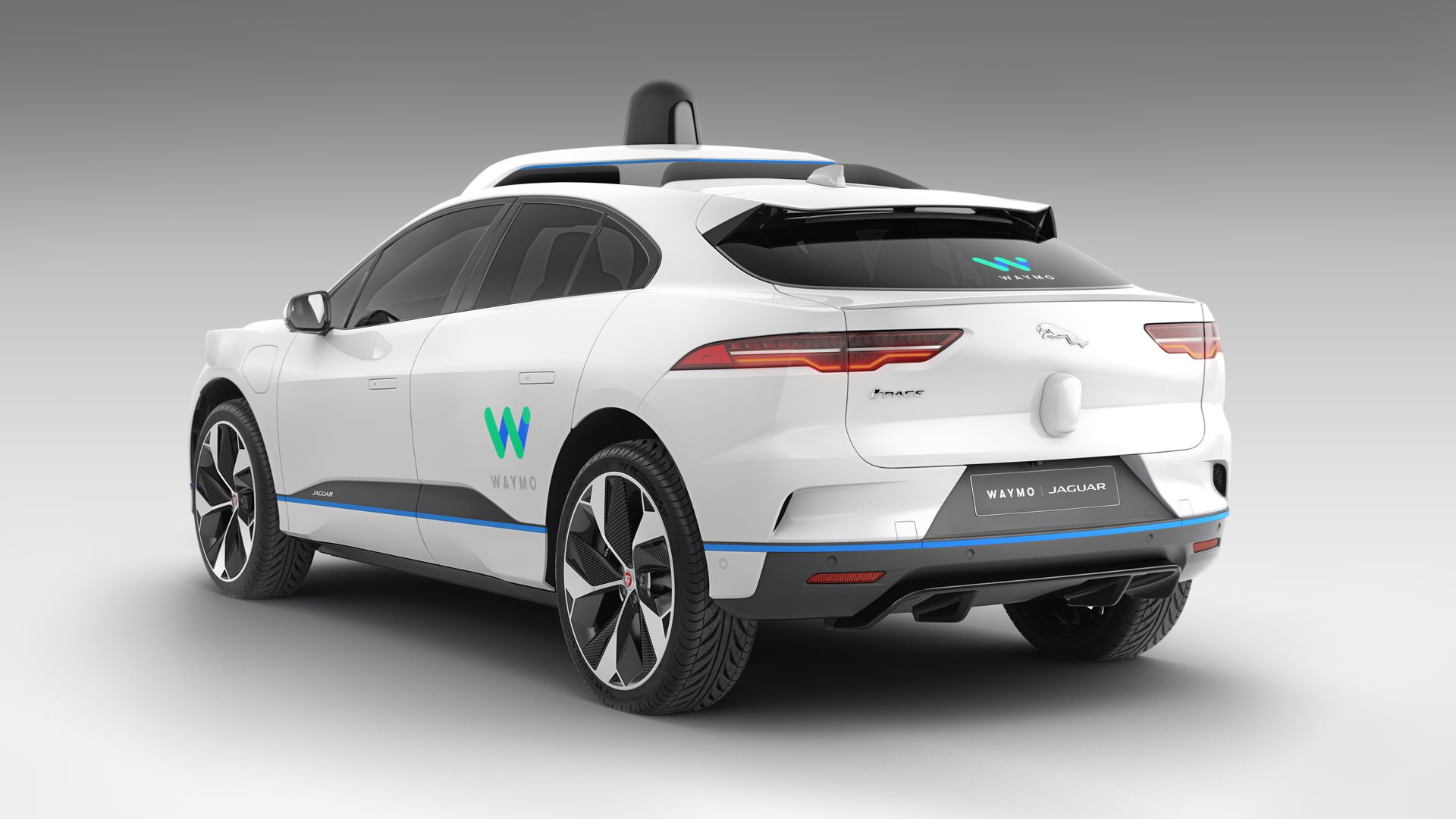
On Tuesday, Waymo announced a new partnership with Jaguar Land Rover, including the companies' first collaboration: an all-electric Jaguar I-PACE vehicle outfitted with the former's autonomous driving tech.
Why it matters: Waymo plans to roll out its commercial ride-hailing service with self-driving cars this year (starting in Phoenix) and says it will add 20,000 of these I-PACE cars to its fleets for testing over the first two years. According to the company, these vehicles alone would be able to complete one million trips.
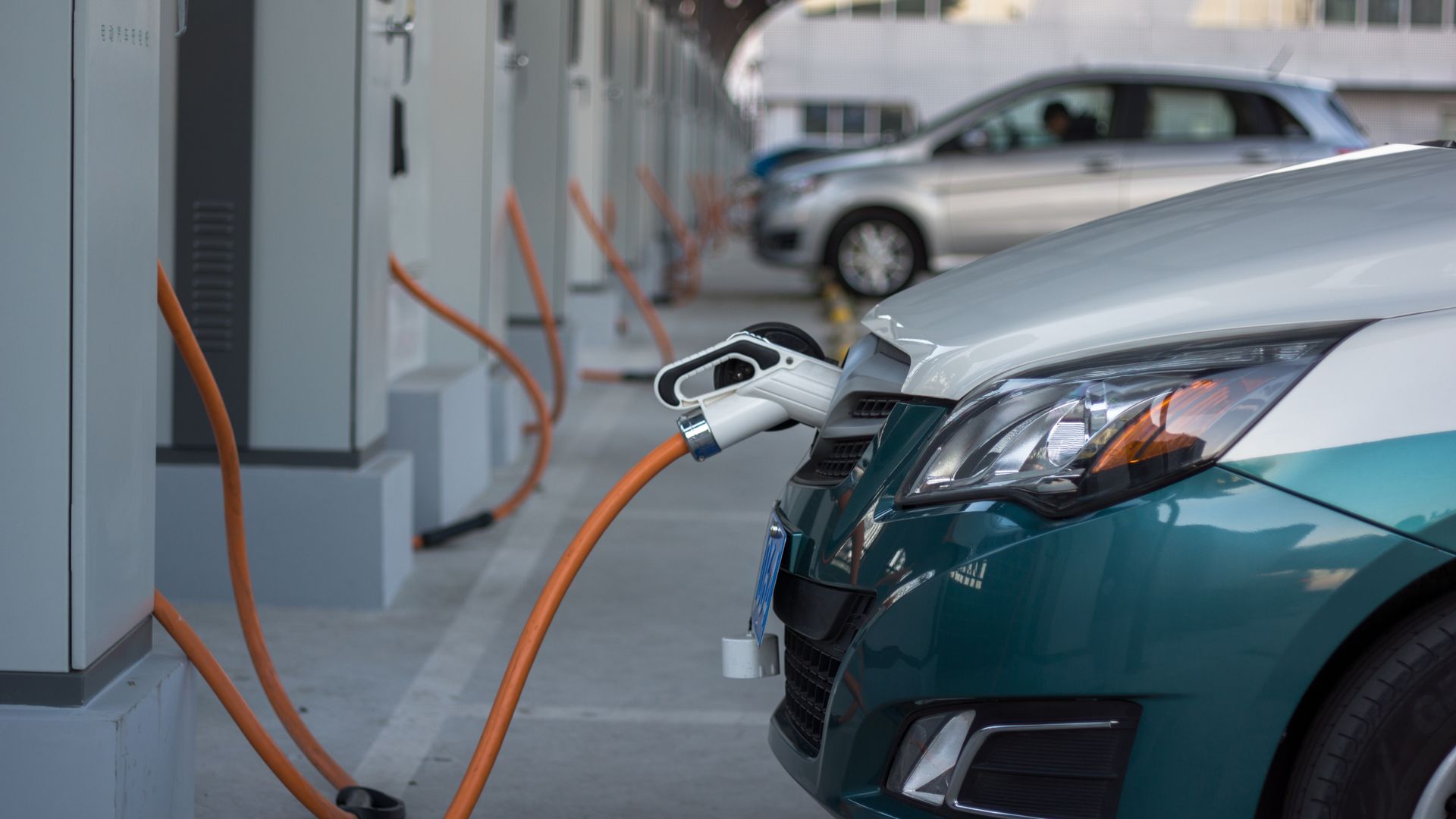
A new analysis by Goldman Sachs looks at how the perception that low-carbon energy would cut future oil demand — especially via electric vehicles — could actually boost the finances of the world's most powerful oil companies over the coming decade or so.
Why it matters: The lengthy report and that counterintuitive conclusion underscore the complicated interplay between powerful legacy companies, emerging technologies and market behavior.
Coal, oil and natural gas would plummet within the next couple of decades in a new report Royal Dutch Shell released Monday, envisioning a future where world leaders cut greenhouse gas emissions as laid out in the 2015 Paris climate deal.
Why it matters: This is a company sketching a potential future where its primary products precipitously drop in use. That’s like McDonald’s imagining a future without beef hamburgers. Meanwhile, Shell is one of the most aggressive global hydrocarbon producers addressing climate change by investing in other energy technologies.
Oil, gas and electricity markets in the U.S. showed more yearly volatility and proved tougher for Energy Department analysts to predict from 2005 to 2014 compared to preceding decades, new research published in the journal Nature Energy shows.
Why it matters: The results underscore the challenges facing policymakers, and companies making investment decisions that "influence the cost, and environmental and health impacts of the US energy system for decades," the paper states.
China, the world’s largest crude oil buyer, started trading Monday of the first yuan-denominated oil futures trading contract on the Shanghai International Energy Exchange.
Why it matters: It’s a move by the energy-hungry nation to bolster its influence over pricing. "The aim is to wrest some control, away from US dollar-based international benchmarks, such as the West Texas Intermediate and Brent markers, so that prices reflect as closely as possible the crudes processed by Chinese refineries," per the Financial Times.
ExxonMobil is betting on two costly technologies — carbon capture and biofuels — and overly optimistic data to drive its climate-change strategy.
Why it matters: As the world’s largest publicly traded oil company, Exxon is the face of America’s fight over climate change and fossil fuels. While other oil majors like Shell and BP are branching out to wind and solar, and investing in electrification technologies, Exxon has made its existing natural gas and liquid fuels business the focus of its climate strategy.