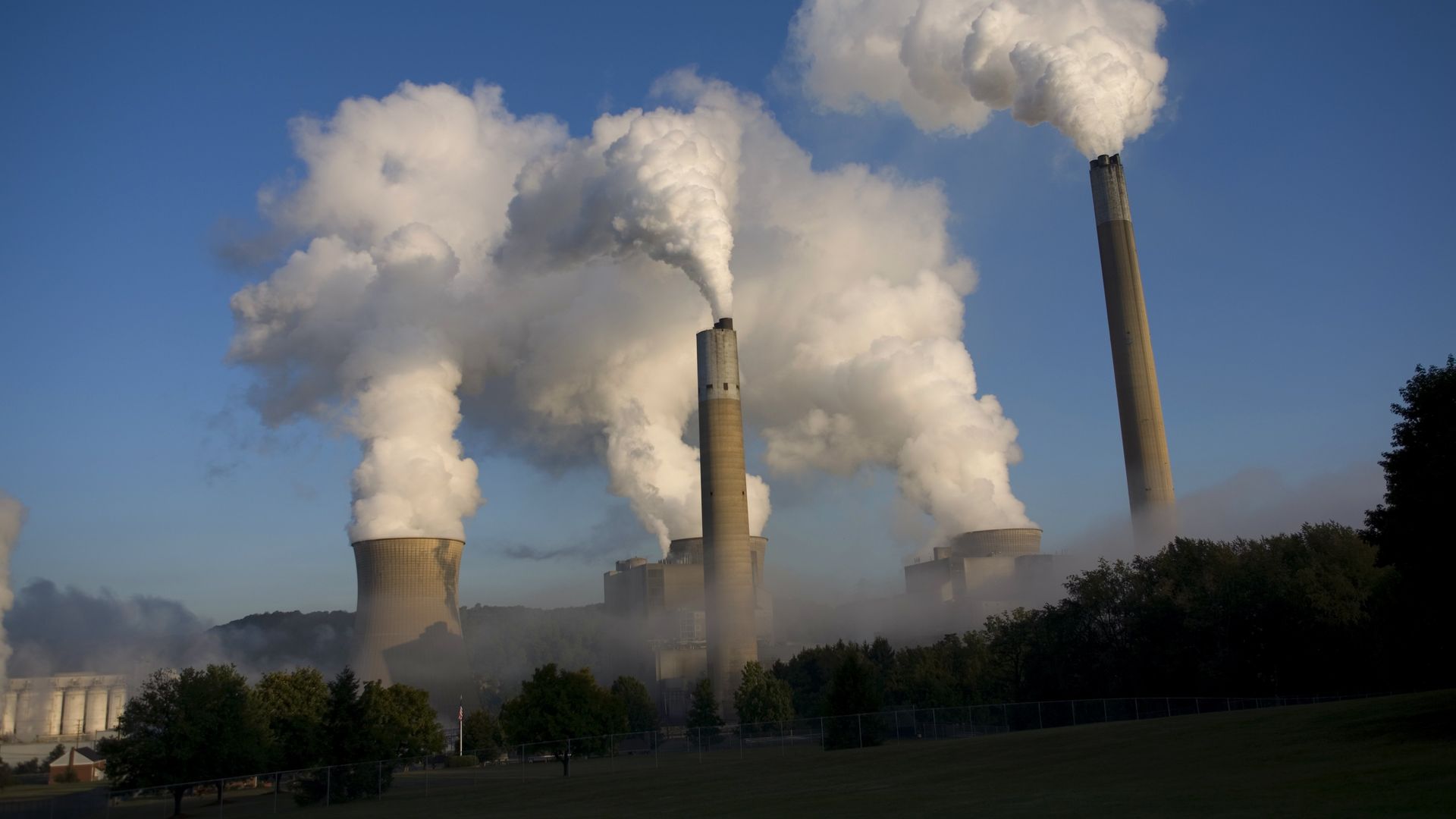
FirstEnergy Solutions said Wednesday it will be closing two nuclear power plants in Ohio and another in Pennsylvania within three years. The company plans to continue lobbying for legislative solutions to keep plants operating, "but will also look for potential buyers as another alternative."
Why it matters, per Axios' Ben Geman: The closures underscore the intense competition nuclear plants face at a time of stagnant power demand, cheap natural gas and falling renewable costs. This will also focus more attention on the Trump administration's efforts to aid struggling coal and nuclear plants.
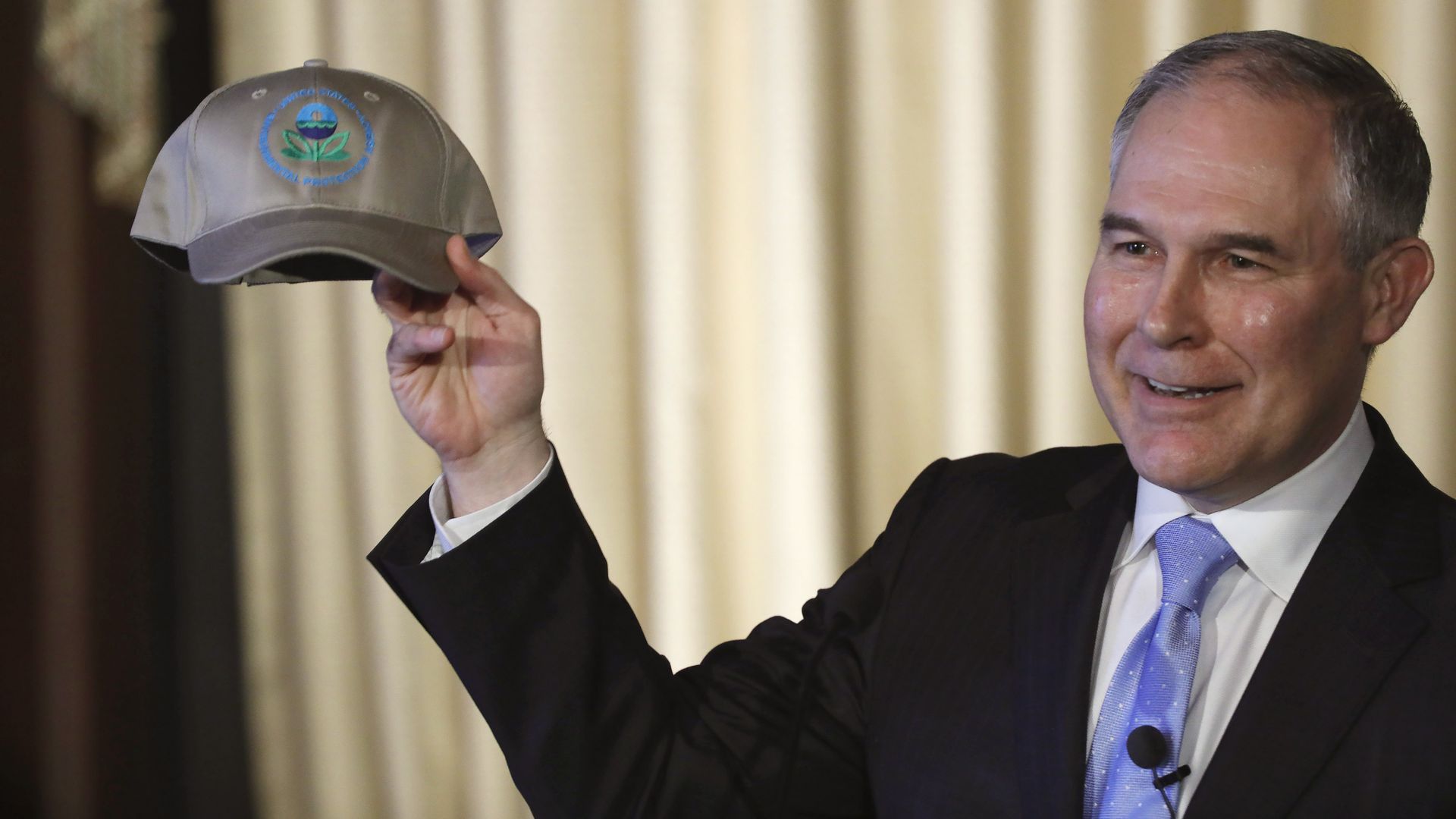
The Environmental Protection Agency downplayed the role that human activity has played in accelerating climate change in talking points distributed via an internal memo, reports The Huffington Post. One of the memo's talking points says that "human activity" impacts climate change in "some manner," adding, "The ability to measure with precision the degree and extent of that impact, and what to do about it, are subject to continuing debate and dialogue."
Why it matters: Axios' Amy Harder says the very existence of these talking points puts on paper the phrasing that EPA chief Scott Pruitt has been using for months. For that reason, it's one of the most concrete public signs that the EPA's effort to dismiss climate change is coordinated and not haphazard.
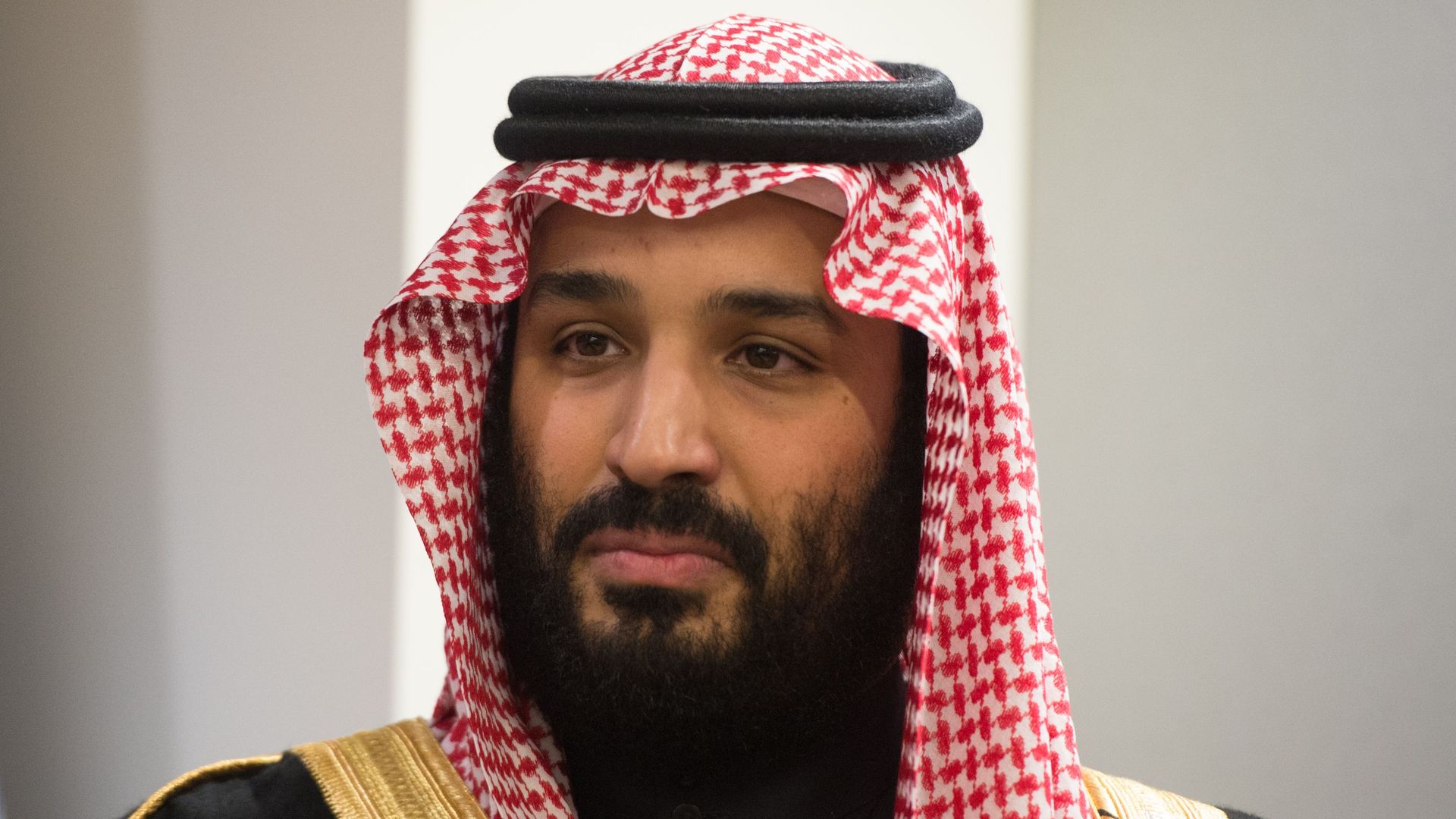
Saudi Crown Prince Mohammed bin Salman told Reuters that the kingdom and Russia are weighing plans for long-term extension of their cooperation on oil market management. “We are working to shift from a year-to-year agreement to a 10 to 20 year agreement,” the heir to the Saudi throne said.
Why it matters: It's the strongest, highest-level signal yet that the two-year-old pact between OPEC and Russia to limit supplies could be transformed into a lasting agreement between the huge producers, whose market positions have been challenged by the rise of U.S. shale.
Saudi Arabia's sovereign wealth fund and the SoftBank Group Corp. of Japan announced plans last night for what would become the world's largest solar power project in the kingdom, developing 200 gigawatts of new solar power capacity by 2030, the Wall Street Journal reports.
Why it matters: If the plan actually comes to pass, well, that's a lot of solar. By way of comparison, the U.S. added a total of 10.6 GW of new solar PV capacity last year, according to a recent industry report. Plus — it also underscores Saudi Arabia's efforts to diversify its oil-dependent economy.
Newly released Gallup polling shows a widening partisan split on climate change and a growing rejection among Republicans of the dominant scientific views on the topic.
Why it matters: The polling underscores why, despite rare bipartisan policy agreements, prospects for sweeping legislative action on climate change are as remote as ever. The data arrives as the White House is unwinding several Obama-era global warming initiatives.
Data: Gallup. Note: Survey conducted March 1-8; Chart: Axios Visuals
Gretchen Watkins, the former CEO for Maersk Oil, is expected to begin overseeing energy giant Royal Dutch Shell's growing U.S. business, Bloomberg reports.
Why it matters: This is the latest development for female executives being promoted to "oversee marquee U.S. assets," after the oil industry has been largely dominated by men. There's still a long way to go, however, as 80% of industry workers are men and there's a significant wage gap.
The media and the public noted the stark differences in the Trump administration's tone and urgency following hurricane Harvey, which ravaged Houston last summer, versus hurricane Maria, which Puerto Rico is still recovering from several months later. Now Politico's recent reporting reveals that the relief provided by the federal government was also imbalanced.
Flashback: Trump sent several more tweets following Hurricane Harvey and the situation in Texas than he did about Maria and Puerto Rico. It also took 13 days before Trump visited PR — while he visited Texas twice within 8 day of the hurricane striking.
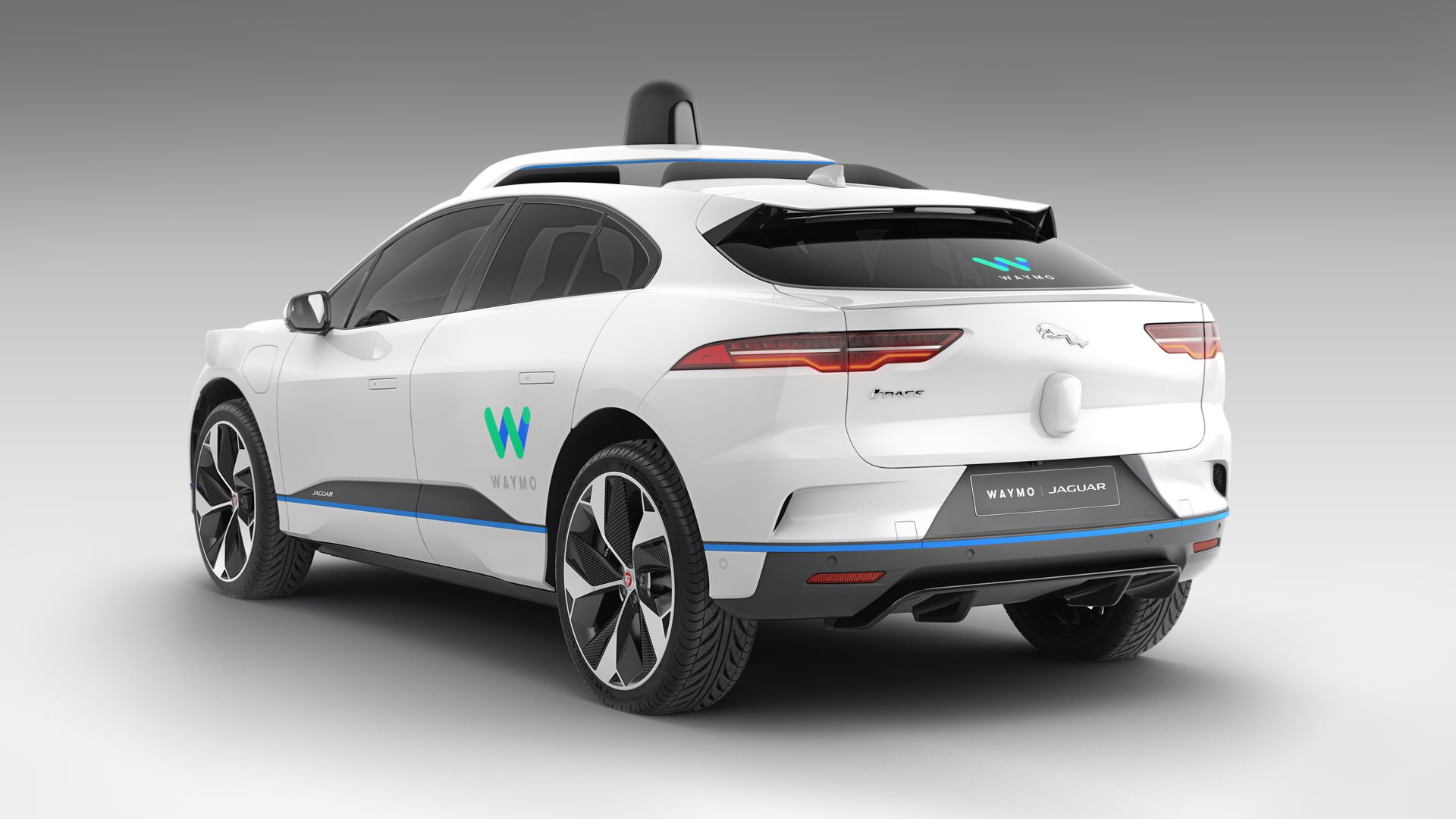
On Tuesday, Waymo announced a new partnership with Jaguar Land Rover, including the companies' first collaboration: an all-electric Jaguar I-PACE vehicle outfitted with the former's autonomous driving tech.
Why it matters: Waymo plans to roll out its commercial ride-hailing service with self-driving cars this year (starting in Phoenix) and says it will add 20,000 of these I-PACE cars to its fleets for testing over the first two years. According to the company, these vehicles alone would be able to complete one million trips.
A new analysis by Goldman Sachs looks at how the perception that low-carbon energy would cut future oil demand — especially via electric vehicles — could actually boost the finances of the world's most powerful oil companies over the coming decade or so.
Why it matters: The lengthy report and that counterintuitive conclusion underscore the complicated interplay between powerful legacy companies, emerging technologies and market behavior.