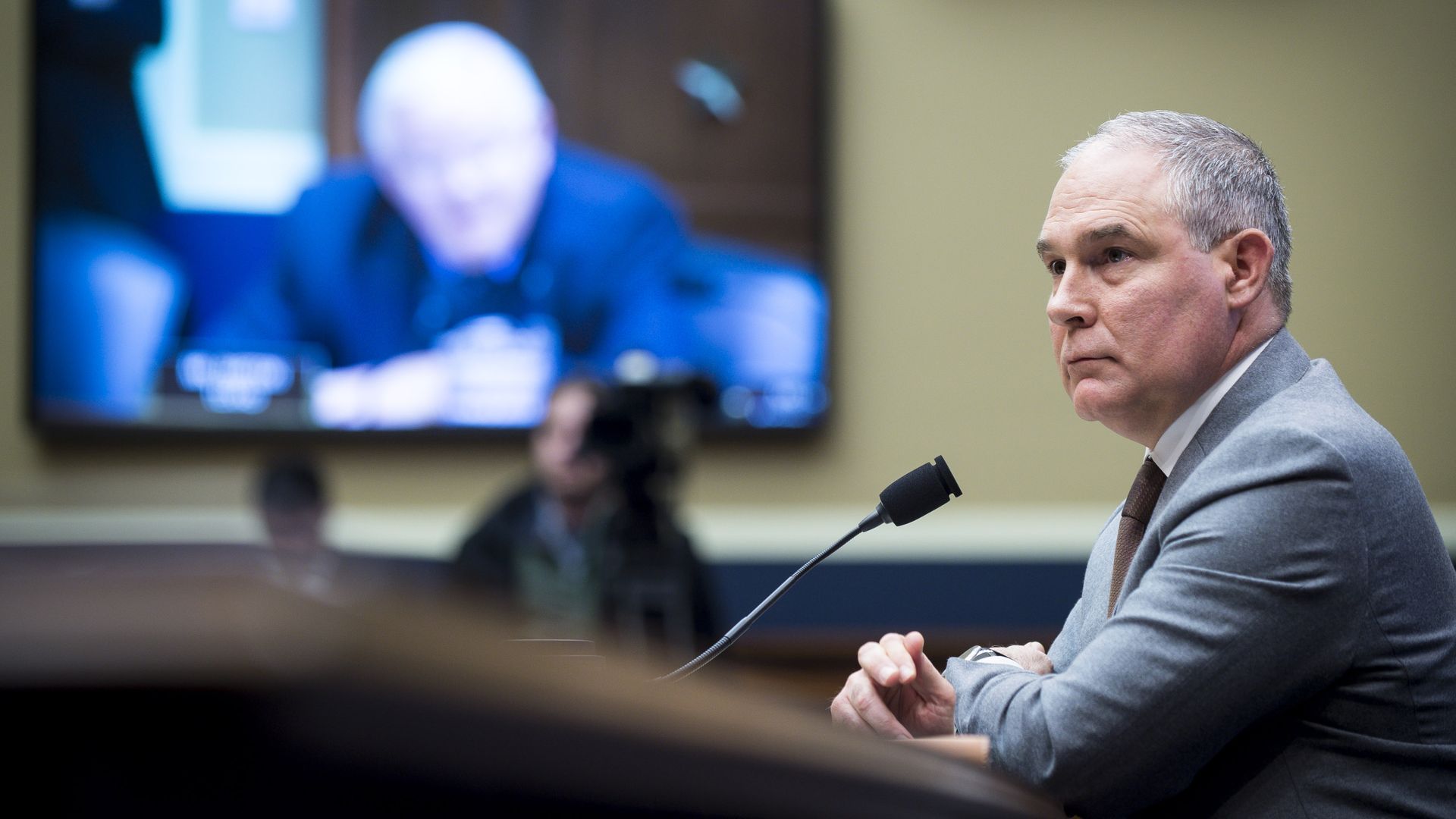
In an interview with KSNV News 3 Las Vegas, EPA administrator Scott Pruitt claimed that while no one disputes that the climate is changing, the bigger question is if warmer temperatures are necessarily a bad thing.
"Is it an existential threat? Is it something that is unsustainable, or what kind of effect or harm is this going to have? We know that humans have most flourished during times of, what, warming trends. I think there are assumptions made because the climate is warming, that that is necessarily a bad thing. Do we really know what the ideal surface temperature should be in the year 2100?"
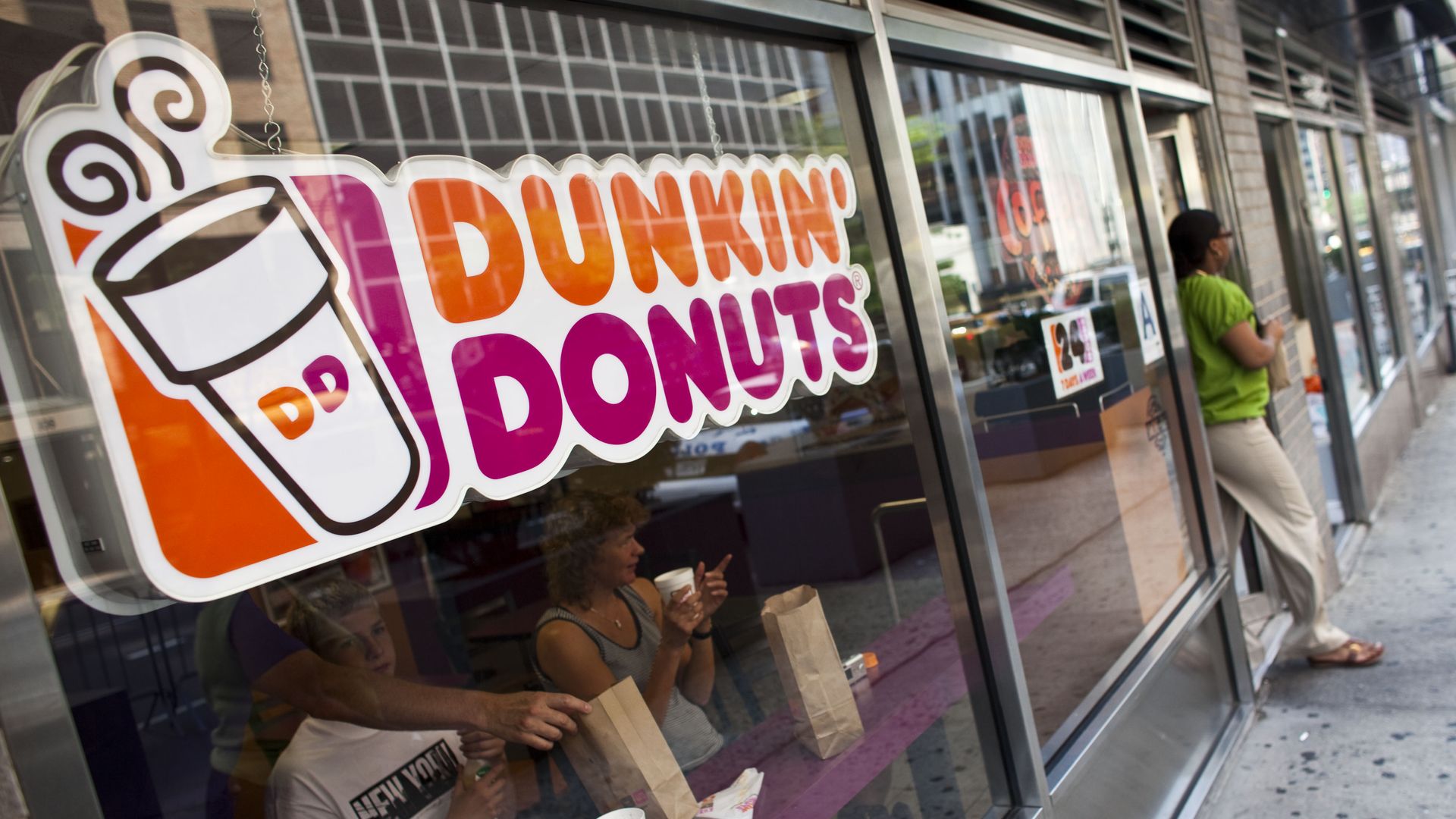
Dunkin' Donuts announced its plans today to eliminate all polystyrene foam cups from its stores. The move to replace foam cups with new, double-walled paper cups will begin this spring in New York and California with plans to complete the switch across the globe by 2020.
The impact: Dunkin', which has been working on developing an environmentally-friendly coffee cup since 2011, claims that the transition will remove nearly 1 billion foam cups from trash bins.
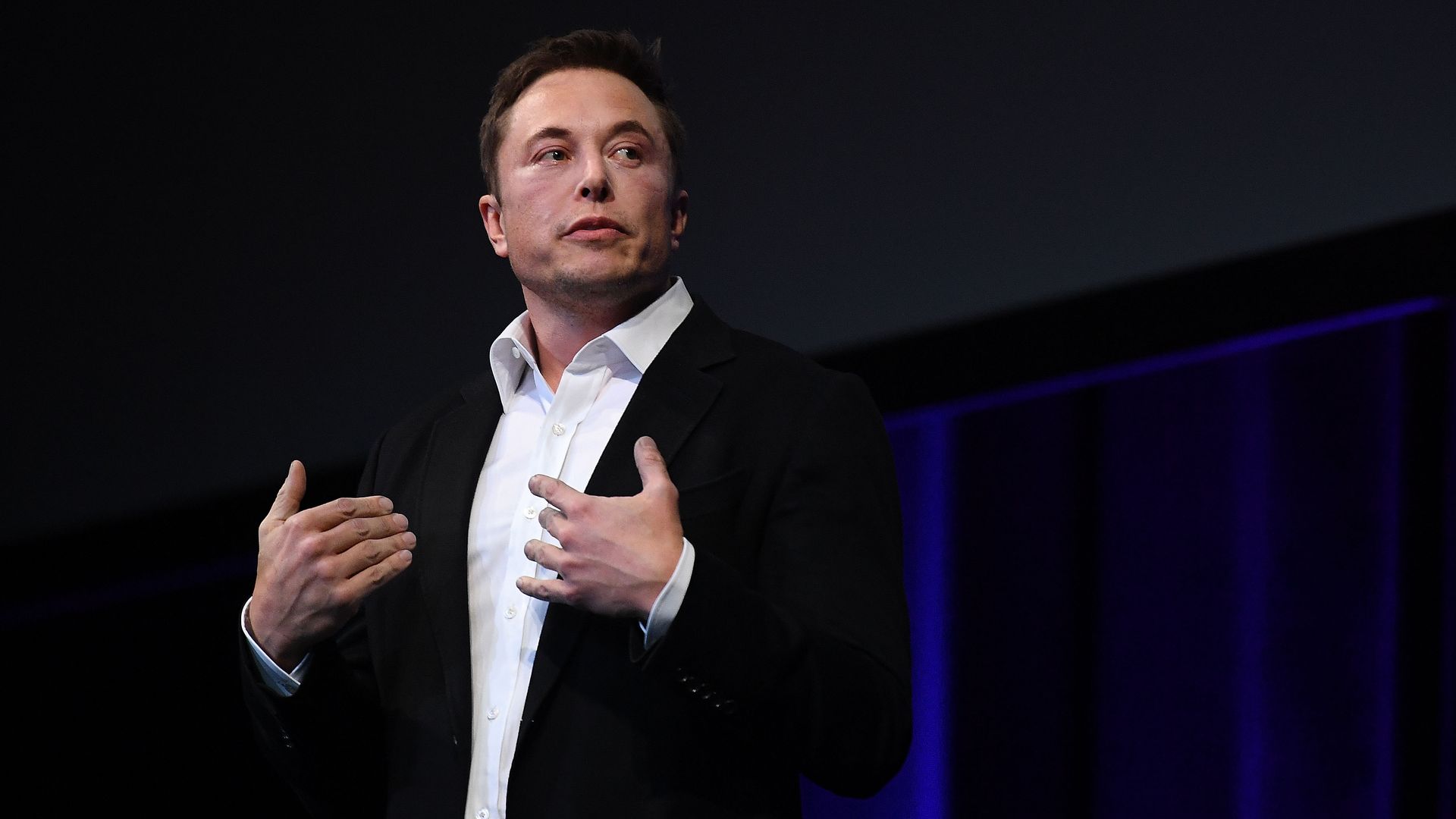
Tesla CEO Elon Musk said on Tuesday evening, after the successful launch of the SpaceX rocket FalconHeavy earlier in the day, that he hopes for another major test launch in 3-4 years.
What is it: The Big F*ing Rocket, or BFR, will be SpaceX's workhorse. If all goes according to plan, it will debut in the 2020s, and replace the Falcon9 and FalconHeavy spacecraft. Musk currently plans to create several models: one will take humans to the other side of the planet, and some might take them to the moon or other planets.
FEMA gave a $156 million contract to a single-employee Georgia company (which had five previously-terminated government contracts) to provide 30 million meals for Puerto Rico after Hurricane Maria, according to a report from The New York Times. The company only delivered 50,000 meals and the contract was canceled last October.
Why it matters: Risky contracts awarded in the earliest days after Maria, like Whitefish Energy, indicate that both the federal government and local entities in Puerto Rico simply weren't equipped for the scale of the disaster.
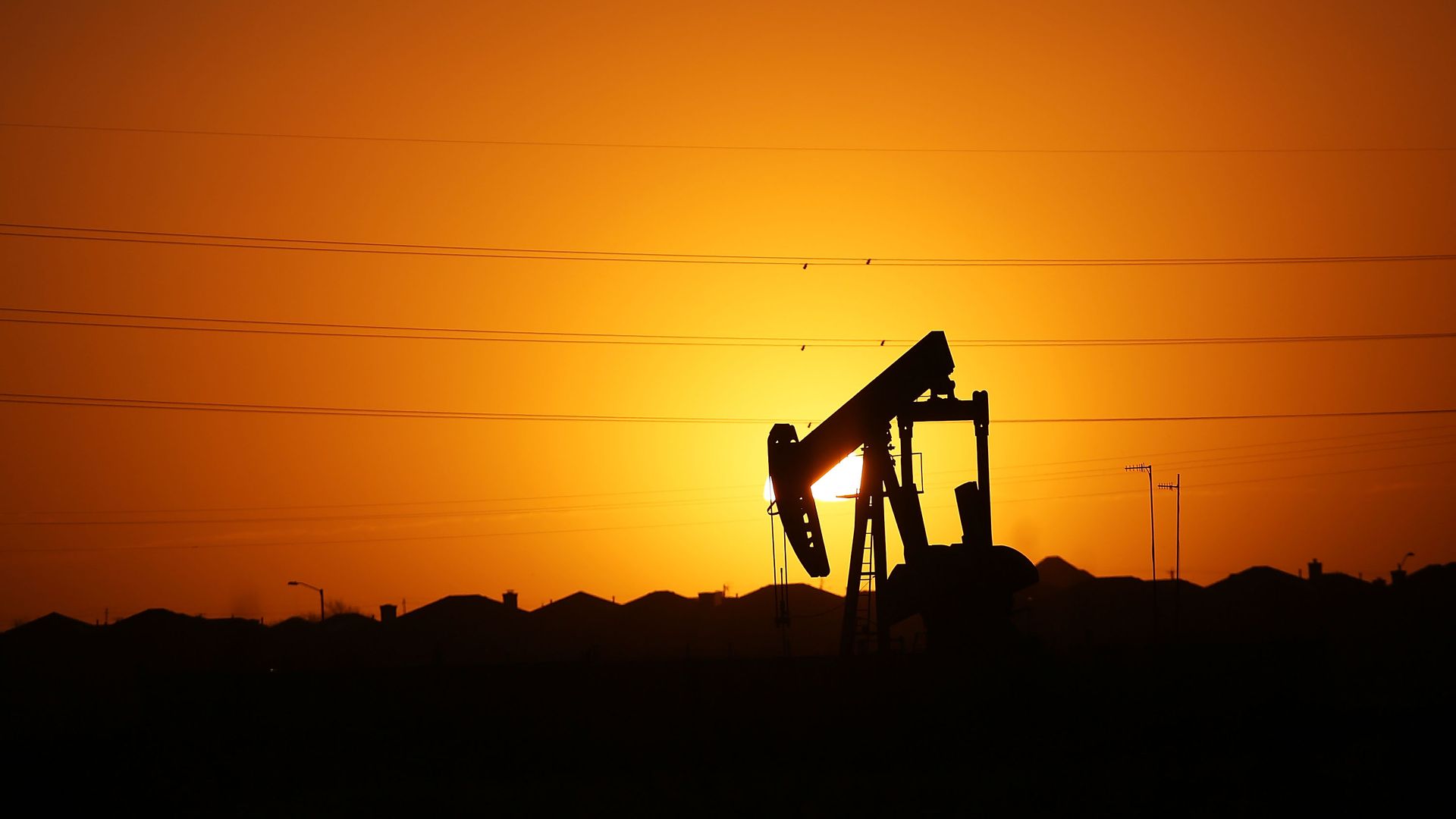
The Energy Department's statistical arm projected Tuesday that rising U.S. crude oil production will level off between 11 million and 12 million barrels per day, a level that's higher than the 2017 version of the annual long-term forecast but could nonetheless prove too conservative.
Why it matters: The increased projection in the base, or reference, scenario underscores the surge in oil development from shale plays — the stuff tapped by fracking and horizontal drilling — in Texas and elsewhere.
America’s biggest oil company is supportinga federal regulation on emissions of methane, a potent greenhouse gas that’s also the primary component of natural gas.
Why it matters: The move puts the oil and gas giant at odds with many of its smaller peers that are urging President Trump to wholly repeal an environmental regulation issued by the Obama administration. It’s the latest and among the most significant signs that some of the biggest fossil-fuel companies want regulatory certainty over outright deregulation.