Thursday's energy & climate stories

ExxonMobil added 2.7 billion barrels of reserves in 2017
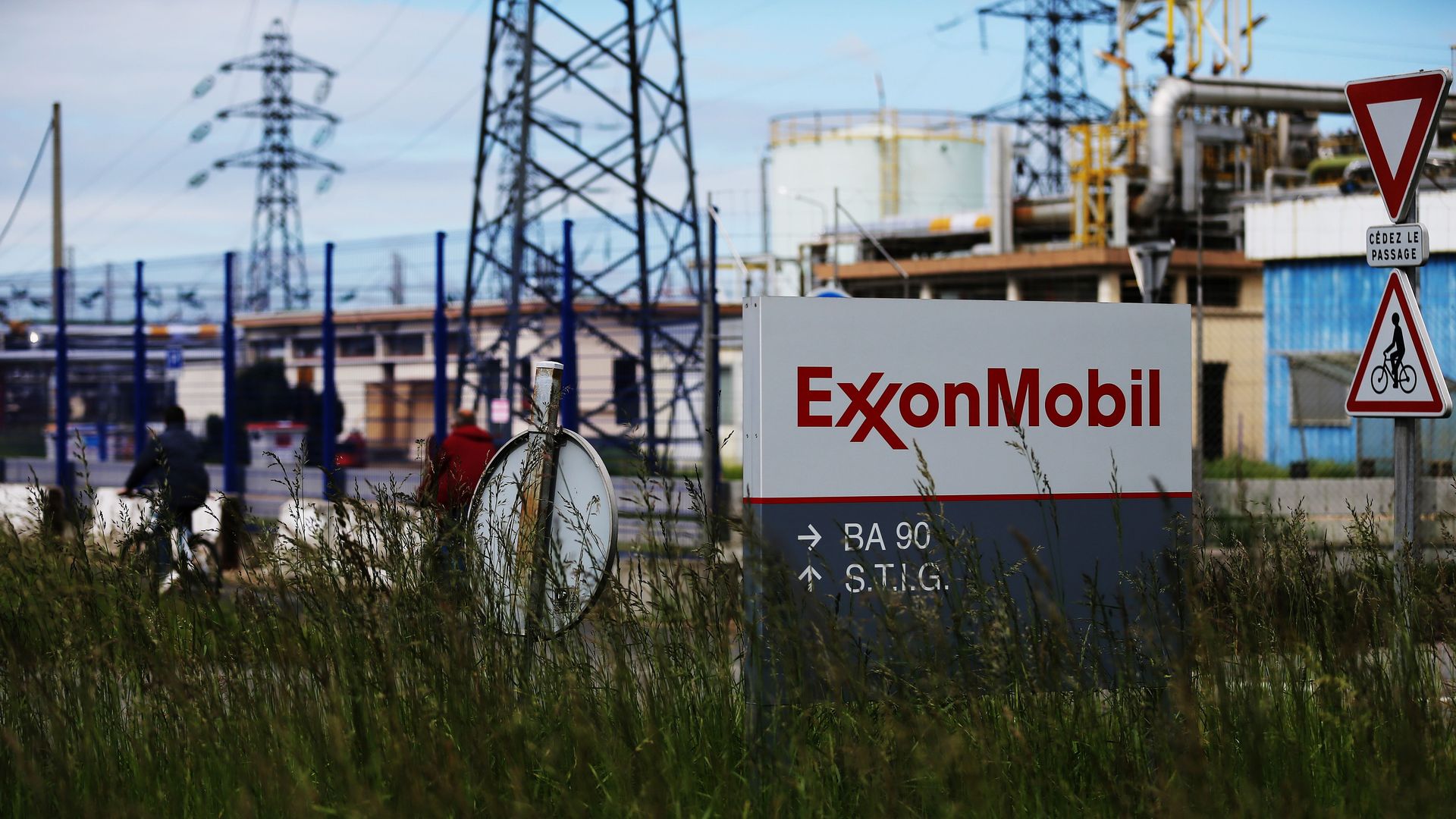
Breaking out of a debilitating two-year slump with spectacular discoveries in Guyana, ExxonMobil announced today that it added 2.7 billion barrels of proven oil and gas reserves in 2017, replacing 183% of its production.
Why it matters: The result is relief for ExxonMobil which, for decades the standard of Big Oil, has suffered black eye after black eye for performance failures, and begun being treated by Wall Street as a mere mortal on the oil patch.

Auto and tech players back solid-state battery company
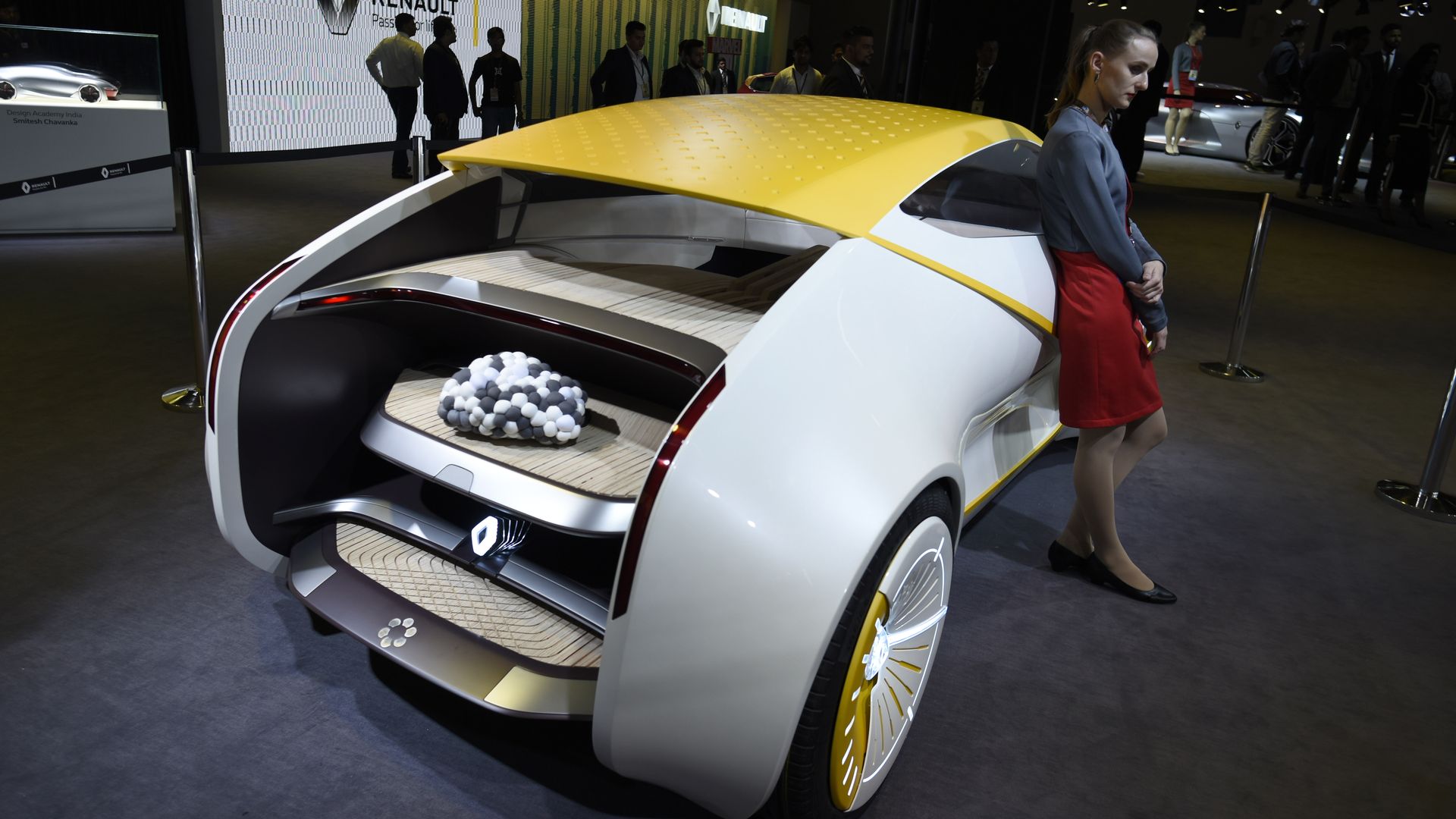
Ionic Materials has raised another $65 million to help the development and commercialization of its plastic solid-state battery tech, with funders including an alliance of auto giants Renault, Nissan and Mitsubishi and a relative newcomer Volta Energy Technologies.
Why it matters: Improvements in battery tech are a key piece of the puzzle to speeding deployment of electric vehicles, as well as stationary power storage that can help bring far more renewables onto the grid. But developing solid-state technology has been a challenge even as it offers the promise of more energy-rich batteries.

Fact-checking Pruitt’s warming comments
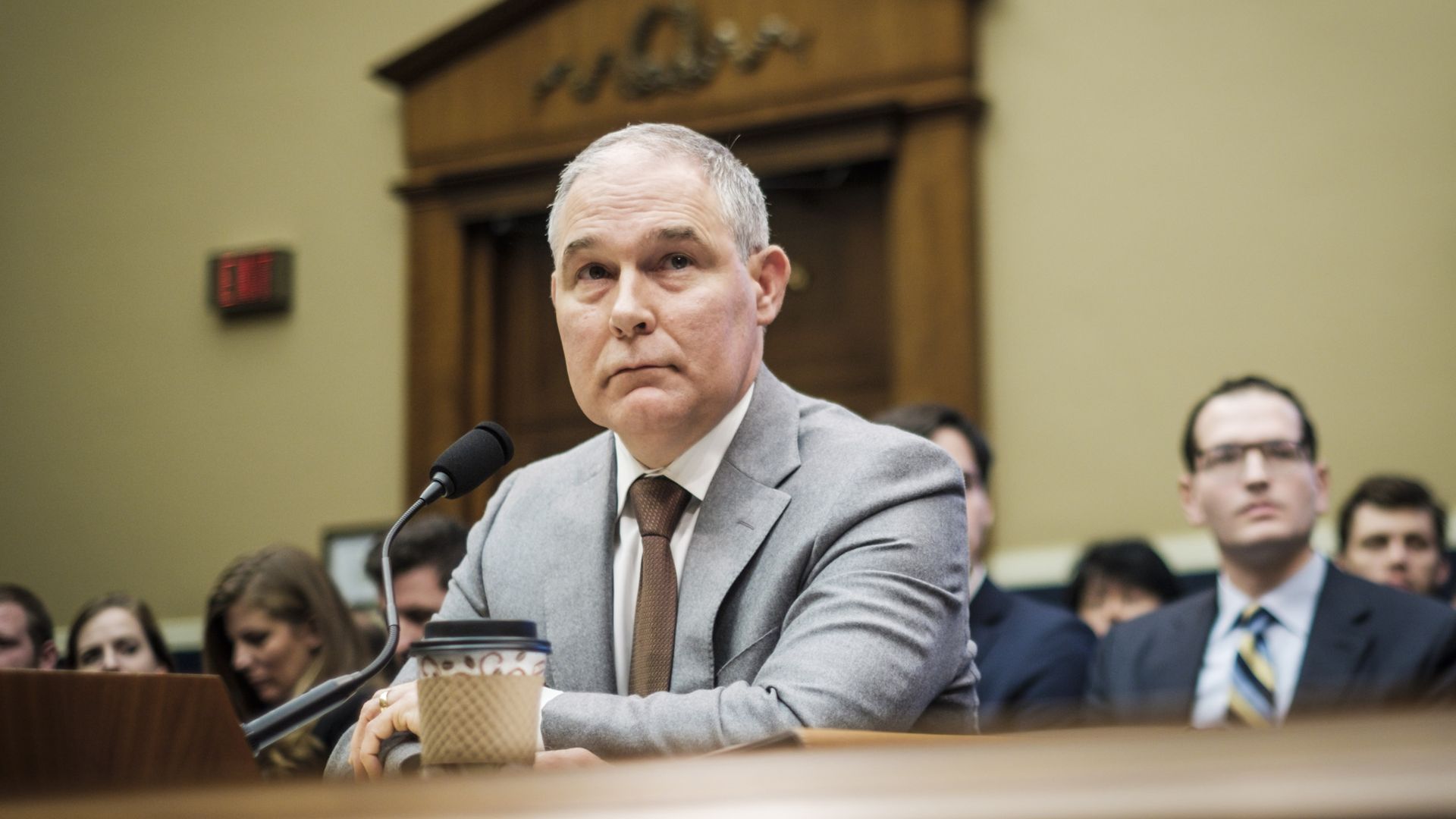
EPA Administrator Scott Pruitt indicated in an interview this week that some global warming could be good for humans. He's technically not wrong, but he's overstating and muddling a scientific consensus that's unequivocally saying the opposite.
The bottom line: There will be some benefits to a warmer planet, notably in colder regions like Canada and Russia. But, overall the negative effects far outweigh the benefits in colder regions.
Quoted: "Global warming is plausibly beneficial in some places, like where it is presently cold. So Administer Pruitt isn’t way off here," said Joseph Makjut, director of climate policy at the Niskanen Center, a libertarian think tank. "The rub is that global warming is really bad in places where it is already hot. More people live in hot places, so we can expect net losses."
One level deeper: The United Nations’ summary of the world’s foremost scientific literature has answered this question: "Are the future impacts of climate change only negative? Might there be positive impacts as well?" Here it is:
“Overall, the report identifies many more negative impacts than positive impacts projected for the future, especially for high magnitudes and rates of climate change. Climate change will, however, have different impacts on people around the world and those effects will vary not only by region but over time, depending on the rate and magnitude of climate change.”
Between the lines: It's hard to know for sure whether Pruitt is being disingenuous or is ill-informed on the science. It's a common position taken by people who question the mainstream scientific consensus that human activity is driving Earth’s temperature up over the past century.
For the record: A request for additional comment to EPA regarding the UN's address of the issue was not immediately returned.
Go deeper: Climate scientists roundly refuted with very detailed responses an article in May 2016 that said in "many ways global warming will be a good thing."

Musk: solving electric cars as easy as firing one into space
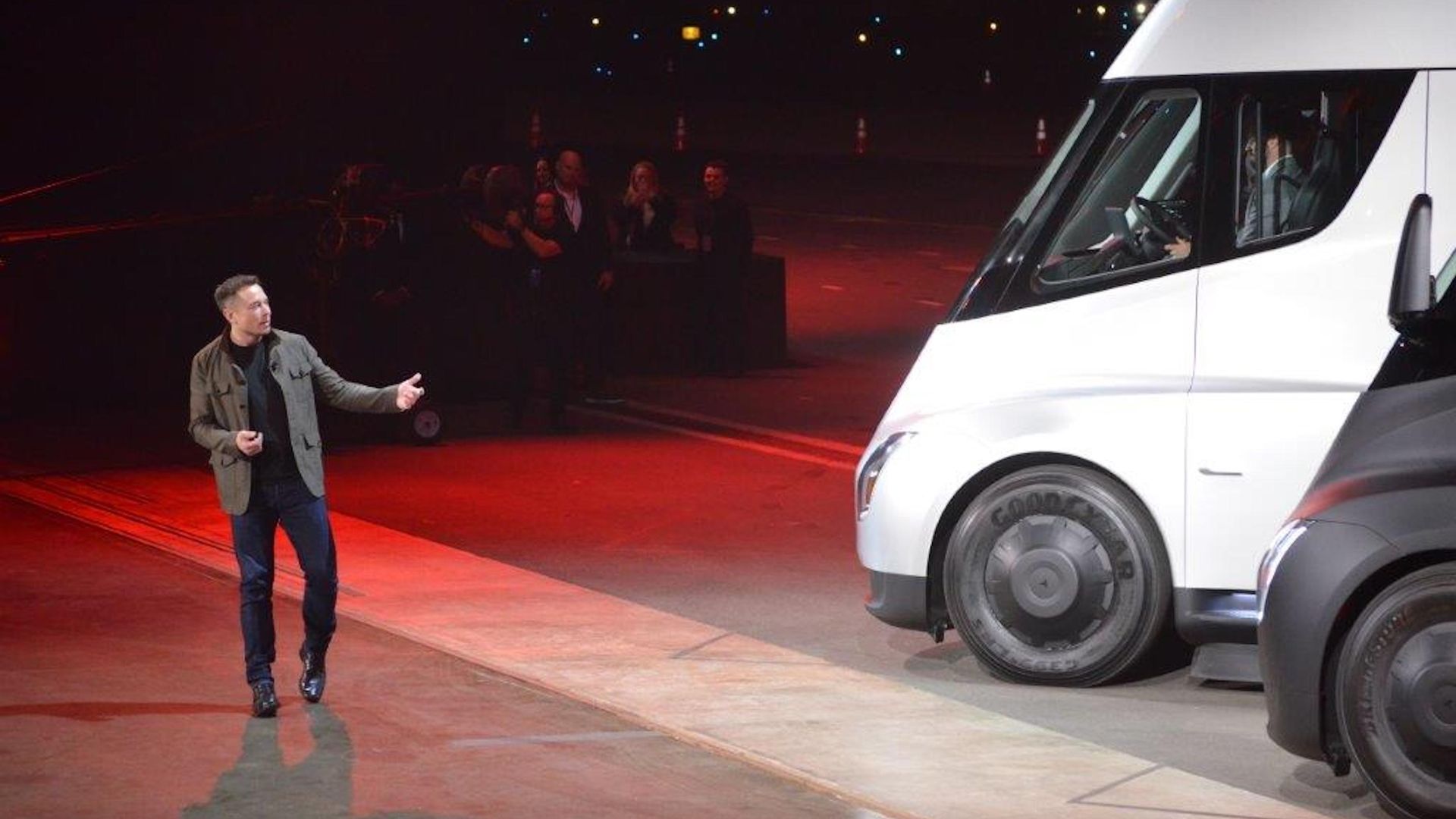
Tesla today reported record losses for the fourth quarter on the glitch-riddled ramp-up of its much-promoted mainstream Model 3 electric car, but said annual revenue grew by 55% in 2017, and suggested that its main problems will be resolved in the coming weeks.
Driving the news: CEO Elon Musk spent much of an hour-long call with analysts explaining why his flagship Model 3 is so far behind production targets, and vowing to get back on track. Relying on humor and a bit of braggadocio, he suggested that he had what he called "deeper hell than we expected" under control.

Pruitt claims humans have flourished most during periods of warming
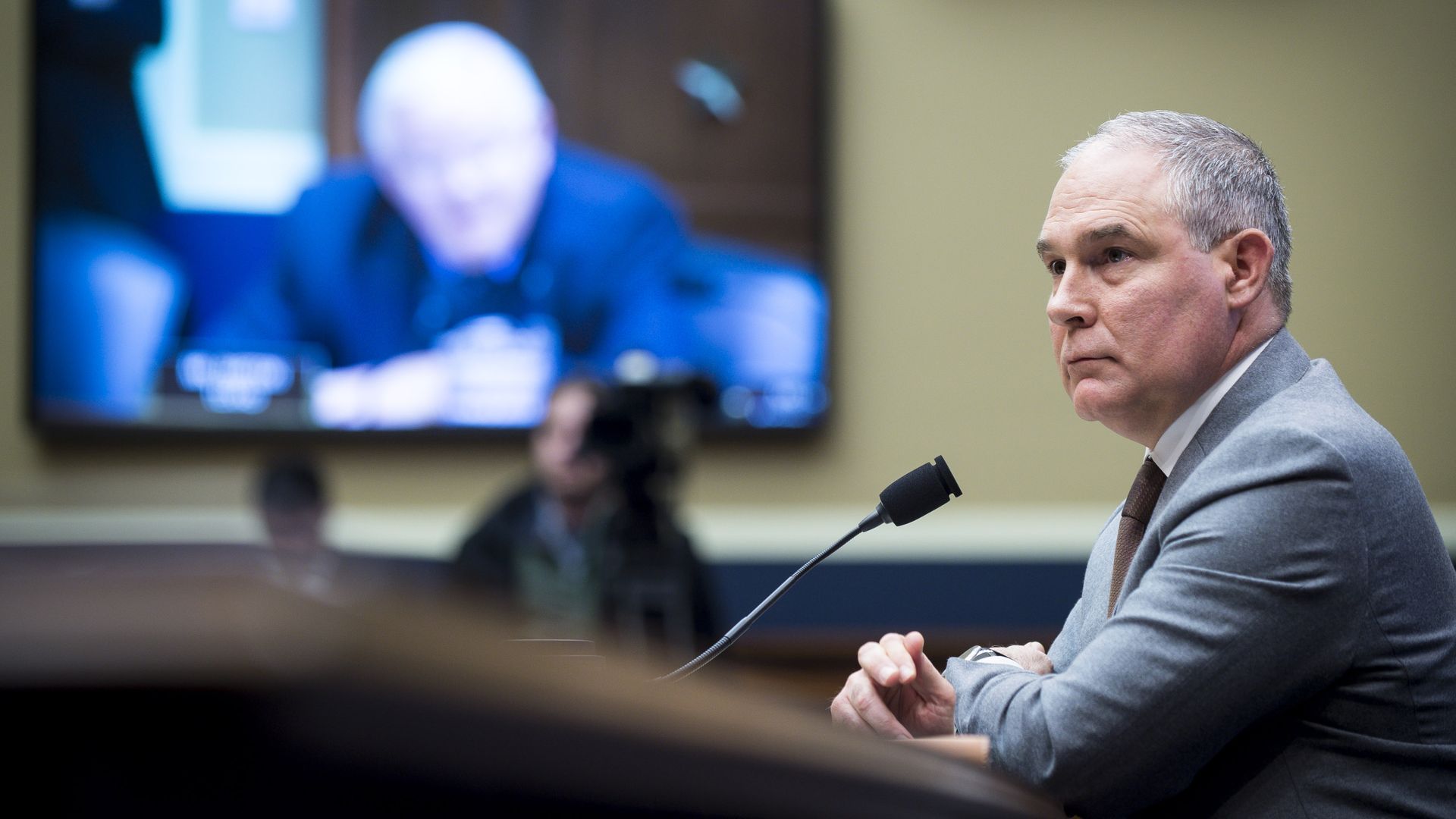
In an interview with KSNV News 3 Las Vegas, EPA administrator Scott Pruitt claimed that while no one disputes that the climate is changing, the bigger question is if warmer temperatures are necessarily a bad thing.
"Is it an existential threat? Is it something that is unsustainable, or what kind of effect or harm is this going to have? We know that humans have most flourished during times of, what, warming trends. I think there are assumptions made because the climate is warming, that that is necessarily a bad thing. Do we really know what the ideal surface temperature should be in the year 2100?"— EPA administrator Scott Pruitt
Dunkin' Donuts plans to eliminate foam cups by 2020

Dunkin' Donuts announced its plans today to eliminate all polystyrene foam cups from its stores. The move to replace foam cups with new, double-walled paper cups will begin this spring in New York and California with plans to complete the switch across the globe by 2020.
The impact: Dunkin', which has been working on developing an environmentally-friendly coffee cup since 2011, claims that the transition will remove nearly 1 billion foam cups from trash bins.

Musk moving on to BFR after successful launch
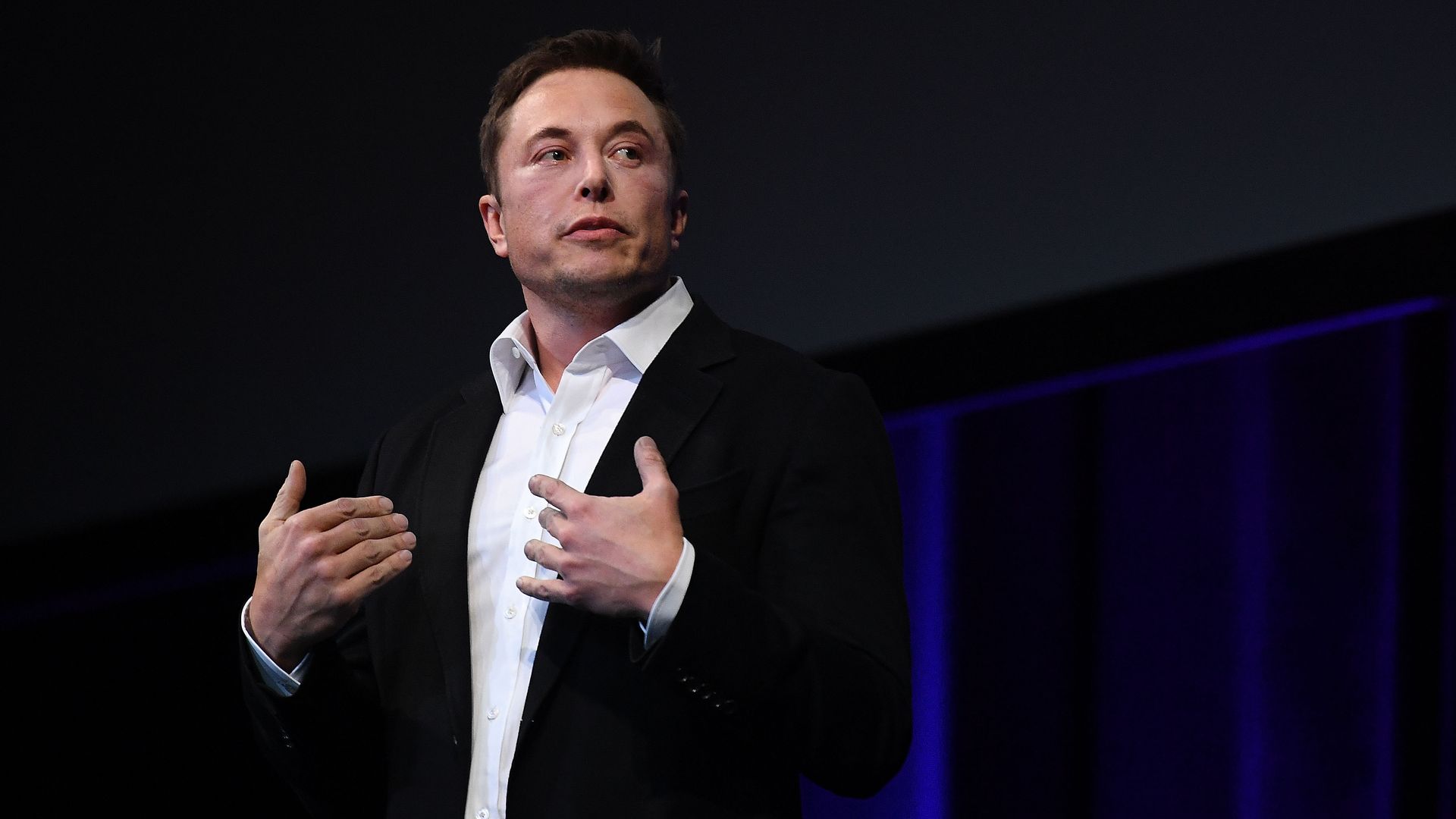
Tesla CEO Elon Musk said on Tuesday evening, after the successful launch of the SpaceX rocket FalconHeavy earlier in the day, that he hopes for another major test launch in 3-4 years.
What is it: The Big F*ing Rocket, or BFR, will be SpaceX's workhorse. If all goes according to plan, it will debut in the 2020s, and replace the Falcon9 and FalconHeavy spacecraft. Musk currently plans to create several models: one will take humans to the other side of the planet, and some might take them to the moon or other planets.