Wednesday's energy & climate stories

New study links underweight babies to nearby fracking sites
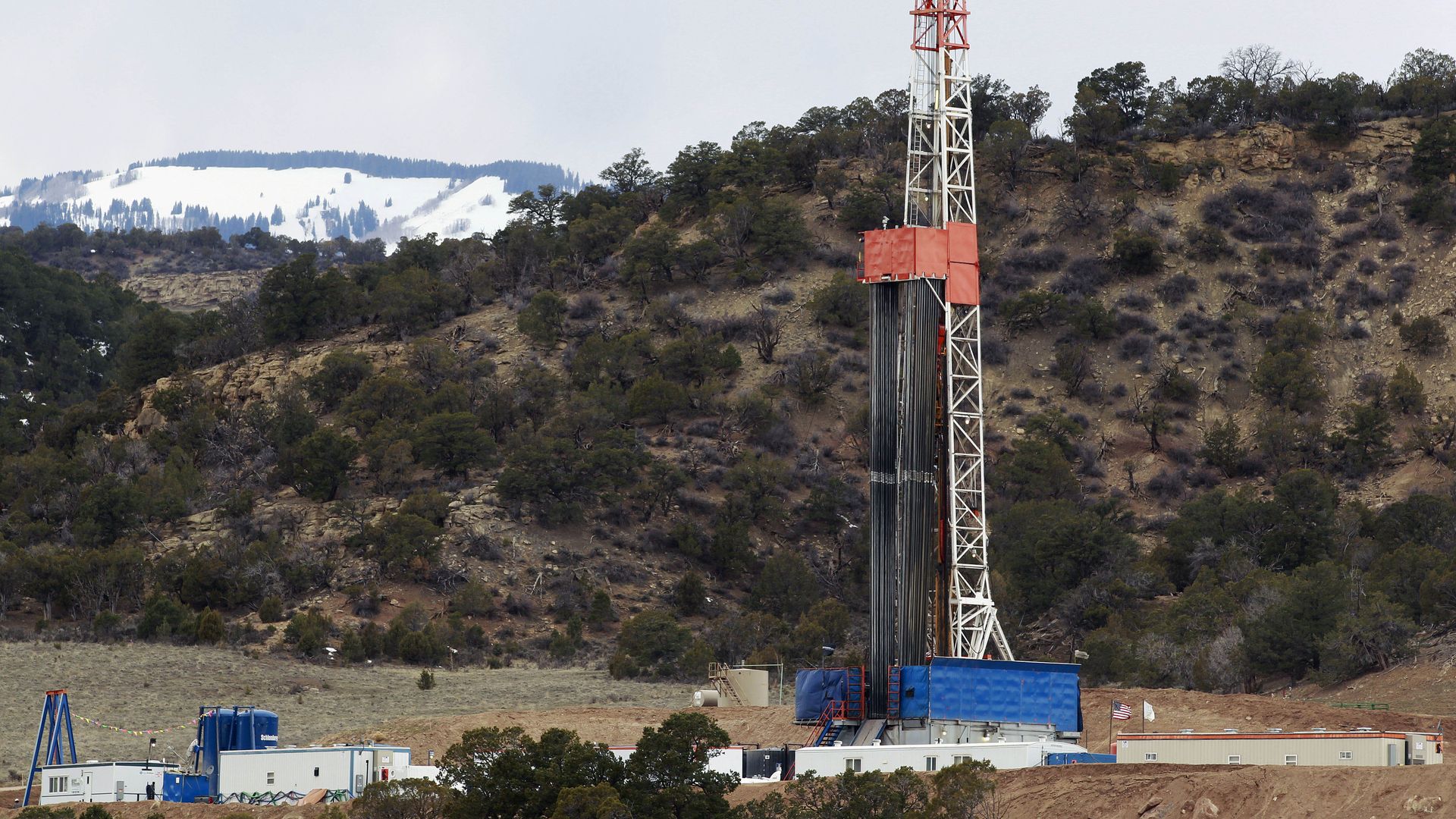
Women living within half a mile from hydraulic fracturing sites are 25% more likely to have babies with low birth weight than mothers who lived more than two miles beyond the sites, according to a new study released Wednesday.
Why it matters: The findings by researchers at the University of Chicago, Princeton University and the University of California, Los Angeles suggests that hydraulic fracturing — a technique used to force out oil and natural gas from the earth — imposes negative health impacts on locals despite the enormous economic benefits it generates. While most drilling operations are in remote areas, some sites in places that are heavily populated.

2016’s record heat not possible without climate change, says report
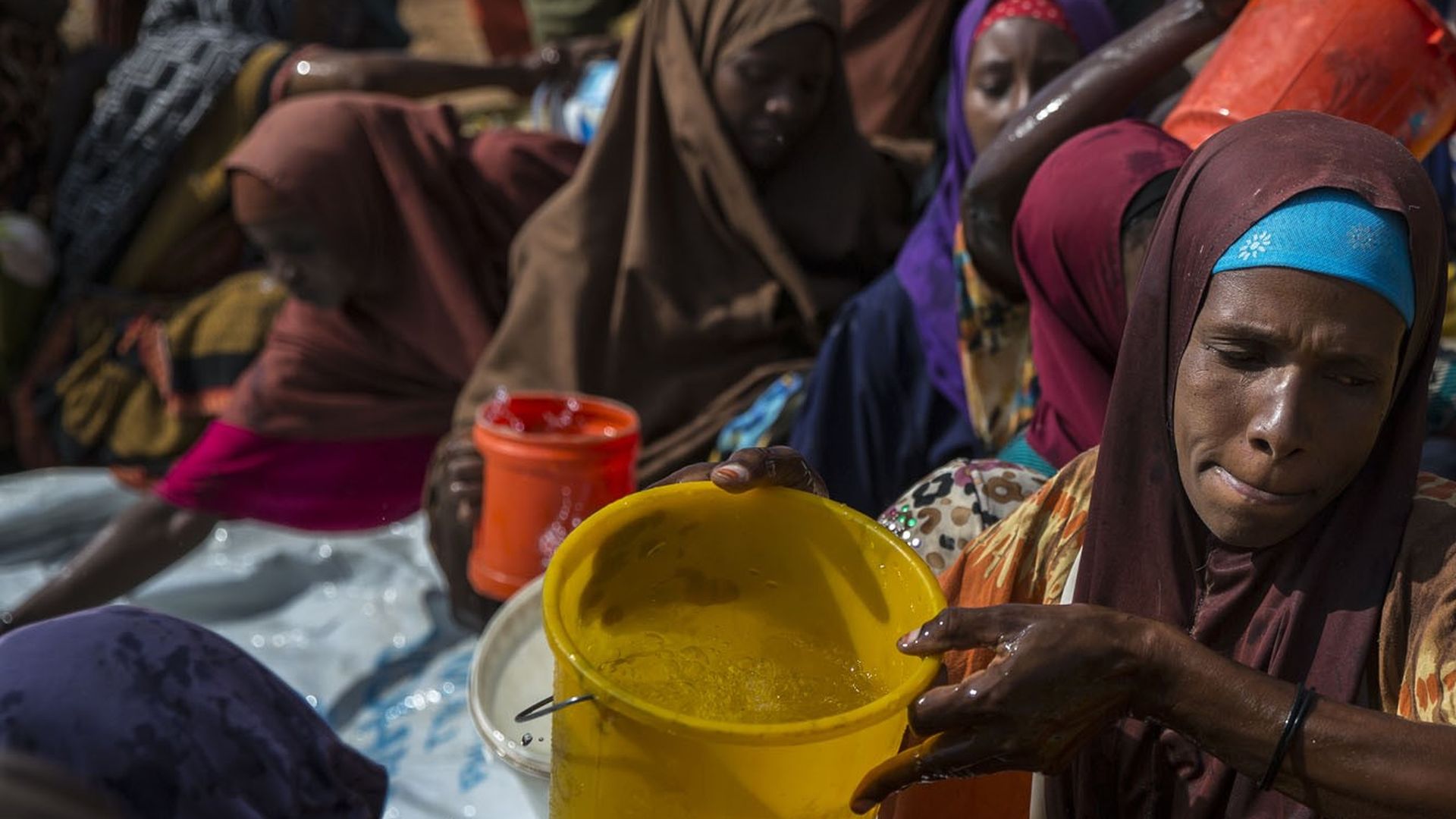
At least three instances of extreme weather would not have happened without climate change, according to the American Meterological Society’s annual report on extreme weather and climate change. Past reports found certain weather events were ‘influenced’ or made more frequent by climate change, but the tools researchers used weren’t powerful enough to measure just how much climate change played a role. This is the first time the report has definitively pointed the finger at global warming.
Why it matters: These weather anomalies are becoming more common, say the report authors, and they can have massive health and economic impacts. If the role climate change played in causing them can be pinpointed, researchers may be able to better predict how climate change might impact our future. For example, by understanding how marine heat waves change weather, scientists were able to predict the 2016/2017 Somalian drought, and mitigate some of the loss of life.

Harvey's extreme rainfall due to climate change
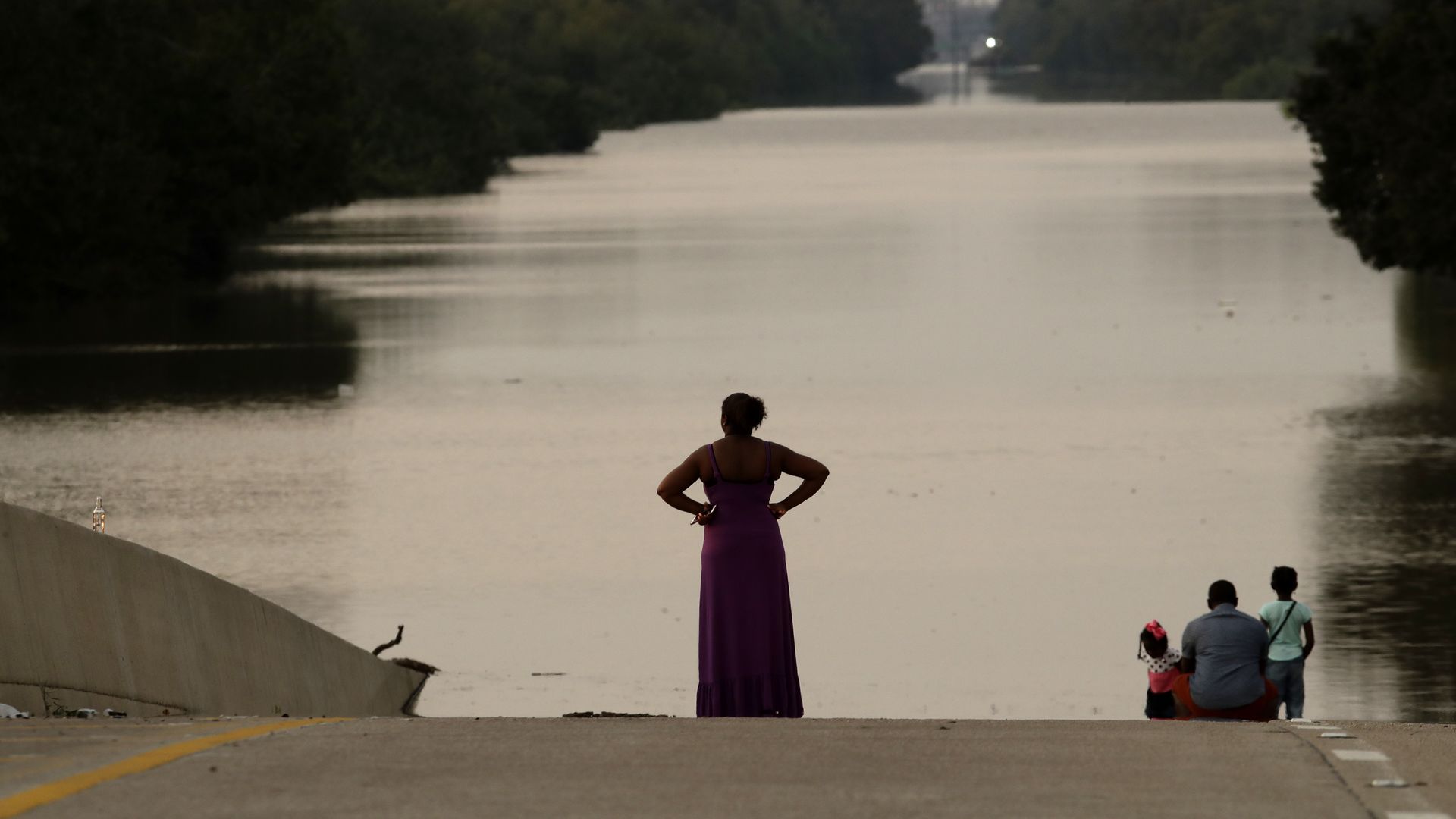
Rainfall from Hurricane Harvey, which struck Houston over the summer, was at least 15% heavier due to human caused climate change, according to two independent studies by researchers at the Lawrence Berkeley National Laboratory and Royal Netherlands Meteorological Institute. Hurricanes like Harvey are also three times more likely today than in 1900, researchers reported.
Why it matters: This isn't the first time scientists have attributed violent weather events to a warming planet, The Washington Post reports. Scientists have also warned of the increased likelihood of droughts such as the one in Texas in 2010 and floods similar to Colorado's in 2013. These findings suggest cities and communities may need to reassess their risk and find new ways to prepare for harsher weather as climate change continues.

Federal report shows the Arctic warming at an "unprecedented" rate
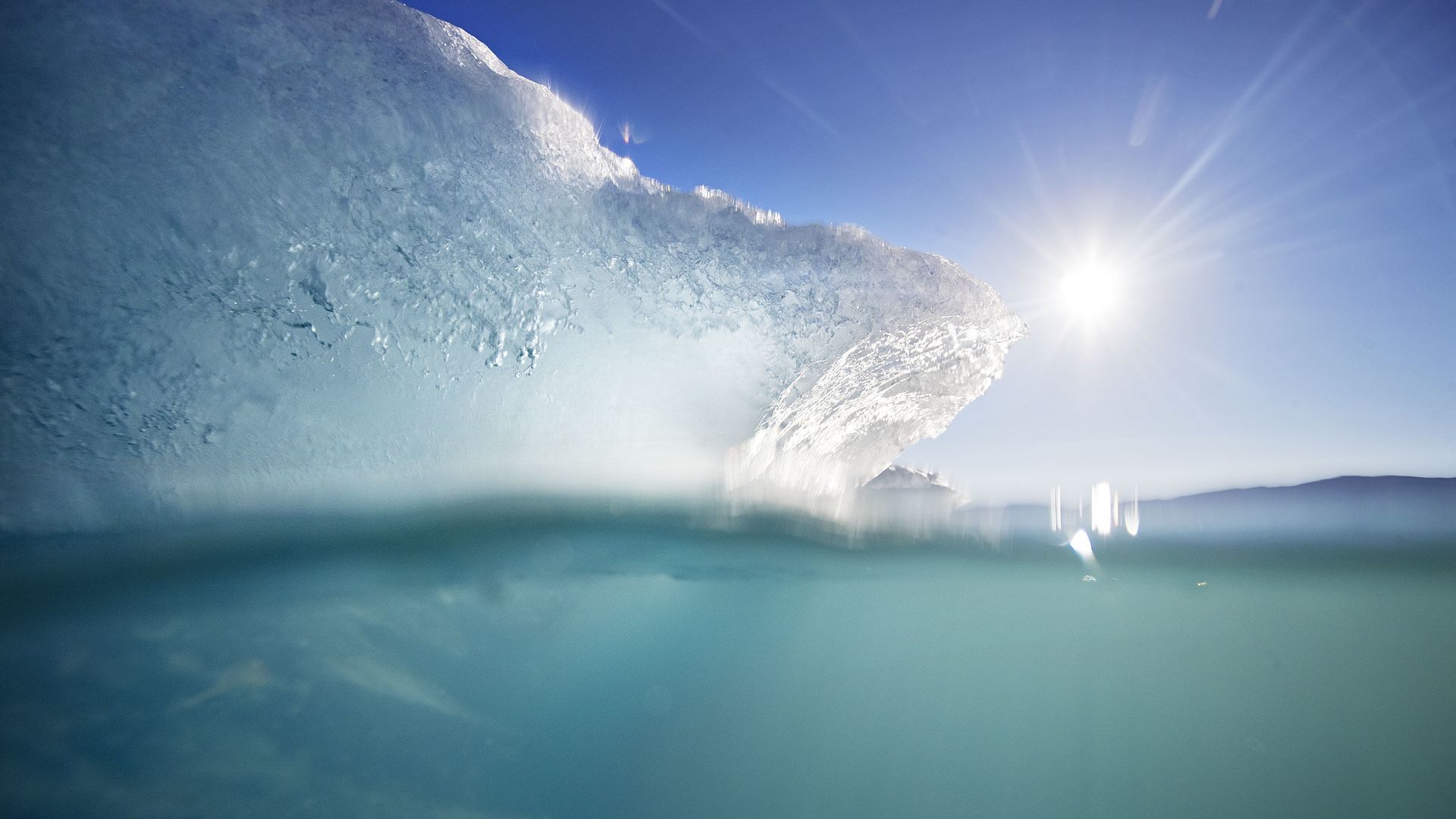
A group of 85 scientists reported on Tuesday that the Arctic is warming about twice as fast as the rest of the planet and "that the current decline of Arctic sea ice is 'outside of the range of natural variability and unprecedented' in the past 1,450 years," reports Chris Mooney in The Washington Post.
Why it matters: The 2017 Arctic Report Card presented on Tuesday raises again the question of the Trump administration's stance on climate change. President of the Woods Hole Research Center, Phil Duffy, told the Post the report "is completely at odds with the policies and statements of the Trump administration."

Pruitt in Morocco discussing natural gas
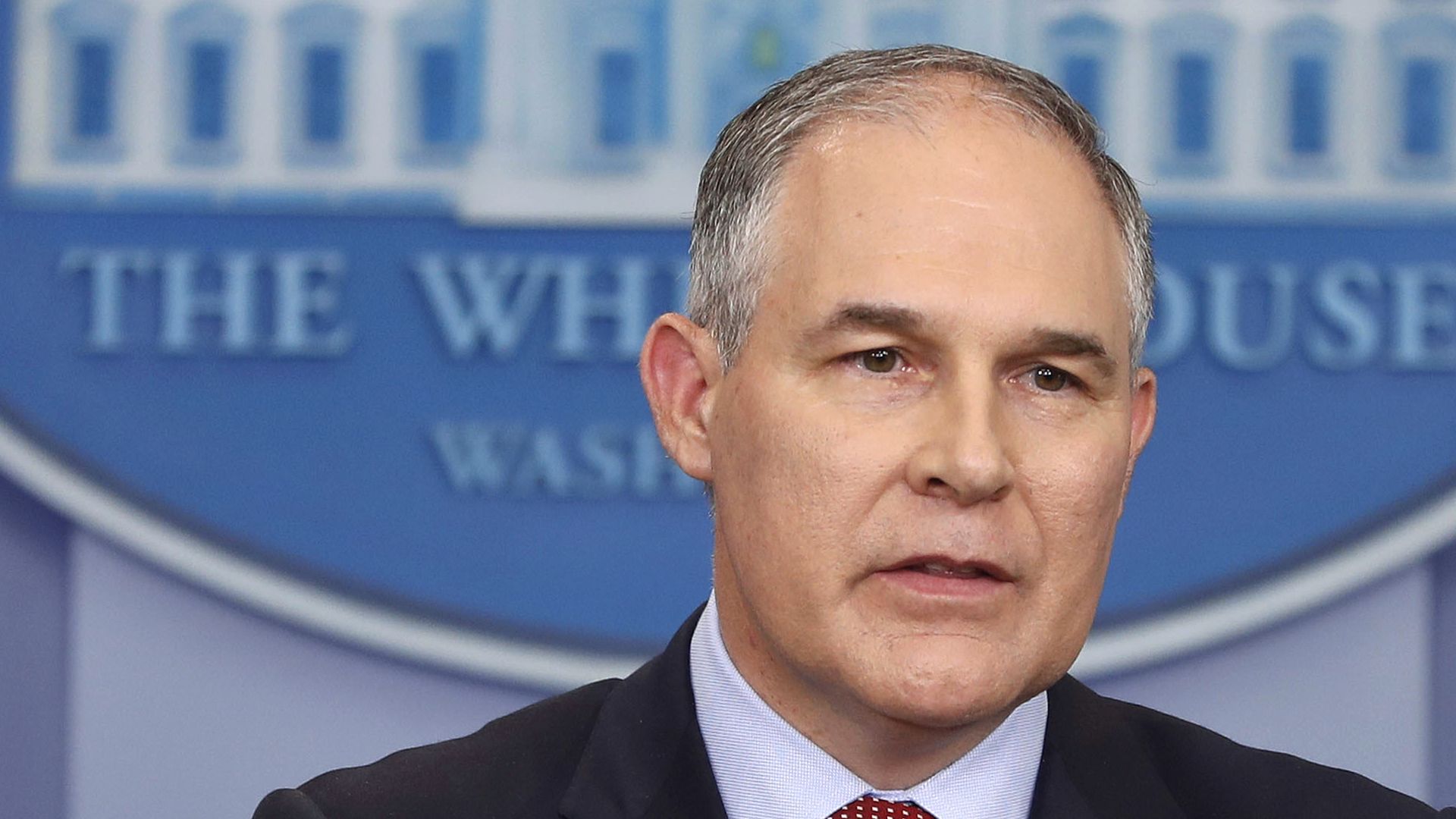
EPA Administrator Scott Pruitt has been in Morocco to talk about the U.S./Morocco trade agreement and how American natural gas can help the Moroccan economy, according to an agency official.
Why it matters: Natural gas, which produces 50% less carbon emissions than coal, has been a key part of the environmental platform for an administration that has otherwise focused on rolling back regulations. Morocco hosted the United Nations climate talks last year.
Between the lines: Pruitt has taken a very broad definition to what his mission is at the agency, whose stated mission is to protect human health and the environment in the U.S. It is not customary for the environmental chief of the U.S. to be touting natural gas as an economic solution to another country.
One level deeper: The EPA has faced criticism for not publicly alerting the administrator’s travel ahead of time. It was not previously publicly known than Pruitt was traveling abroad.

Macron lures climate scientists to France for Trump's term with millions in grants
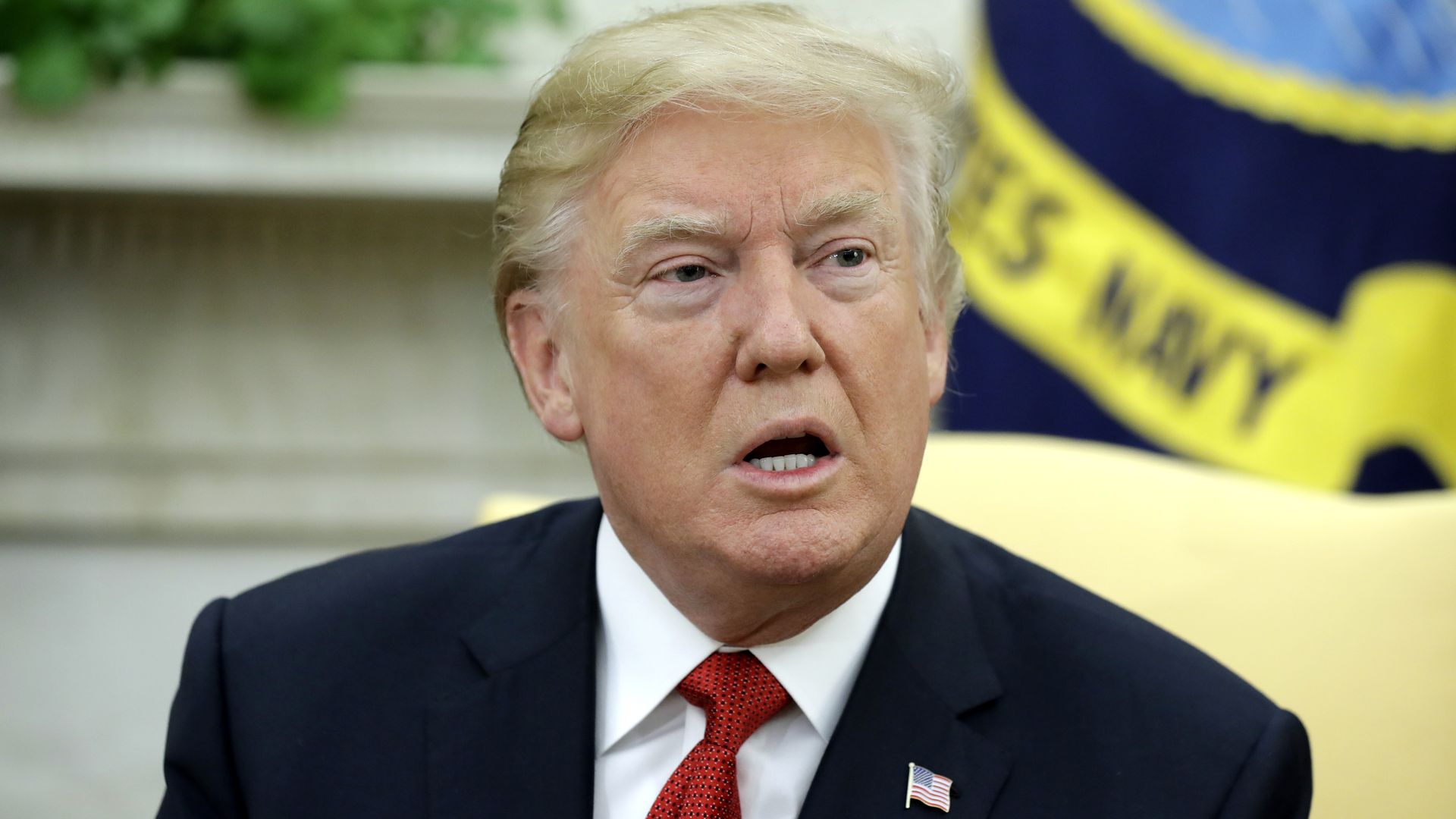
Under a program called 'Make Our Planet Great Again', France has offered 18 climate scientists — 13 of them U.S. based — millions of euros in grants to work in France for the rest of President Trump's term, according to the Guardian.
French president Emmanuel Macron announced the contest right after Trump pulled out of the Paris climate accord, and more than 5,000 people pursued the grants.
Why it matters: The program, with the branding driving home the point, makes clear that France views the U.S. under Trump as hostile ground for climate science.