Wednesday's energy & climate stories

Iraq to open new oil and gas exploration to fund ISIS fight
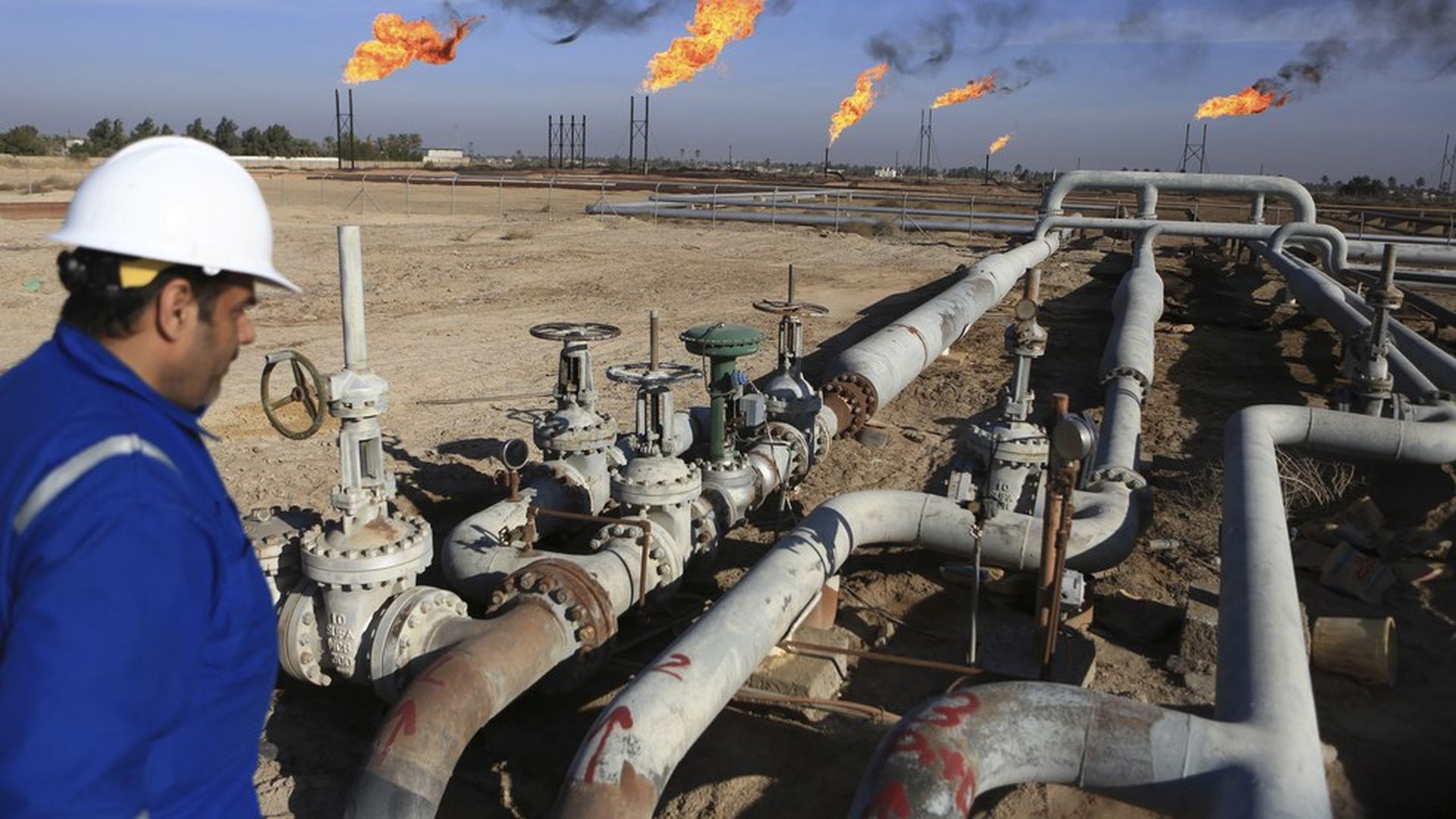
Iraq, which has the world's fourth-largest oil reserves, announced this week it will be offering oil and gas exploration rights as part of its effort to root out ISIS from the region, per the AP. The measure is intended to boost energy revenues amid low oil prices.
Why it matters: Oil has been important to financing Iraq's security services and its fight against ISIS — for context, in 2014 94% of Iraq's federal revenue came from oil, per the IMF, and even amid the tensions in the region, Iraq stepped up its production last year, according to CNNMoney. Note also, U.S. imports from Iraq are up this year from last, per the EIA, and more than doubled between August and September 2016 alone.
The plan: Putting nine border exploration blocks up for bidding, according to Oil Minister Jabar Ali Al-Luaibi. Five are shared with Iran, three with Kuwait, and one in the Persian Gulf.

Iceberg the size of Delaware breaks into the sea
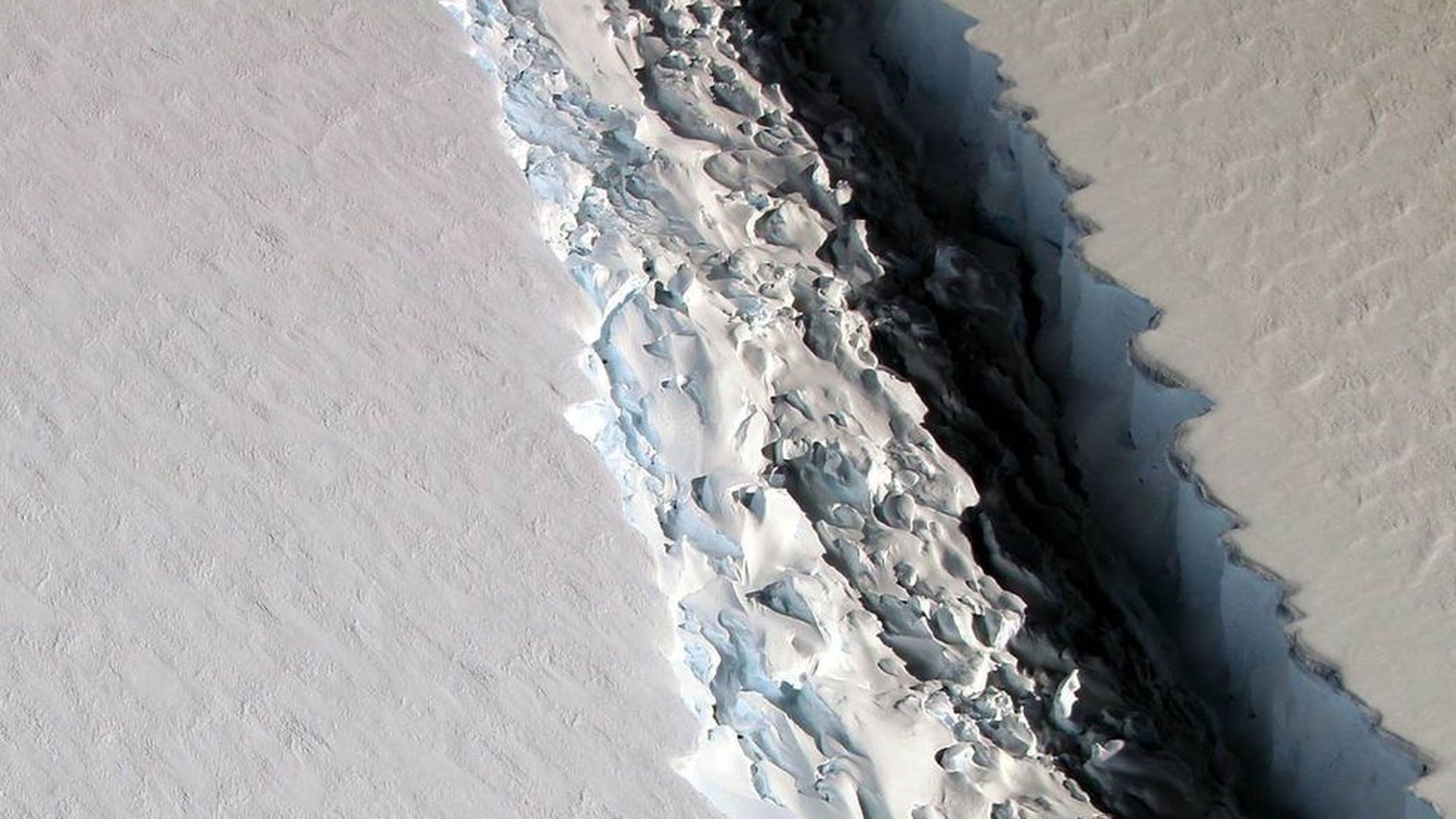
A 2,239 square mile iceberg (roughly the size of Delaware) has broken off of Antarctica's Larsen C ice shelf. The chunk of ice weighs over a trillion tons.
Climate scientists have been monitoring the rift ever since the Larsen A ice shelf disintegrated in 1995. The Larsen B ice shelf also collapsed in 2002 following a similar calving event in 1995. It's possible that Larsen C will regrow and stay stable, but it's also possible it will meet the same fate as the other ice shelves.
Why it matters: Ice shelves are floating on water already, so they don't contribute to sea level rise. However, they act as sort of dams, keeping land-based glaciers from flowing into the sea. Such glacial flows could gradually contribute to sea level rise. Regardless of what happens, the geography of the Antarctic peninsula is forever changed.
EPA chief: Americans "deserve" a TV debate on climate change
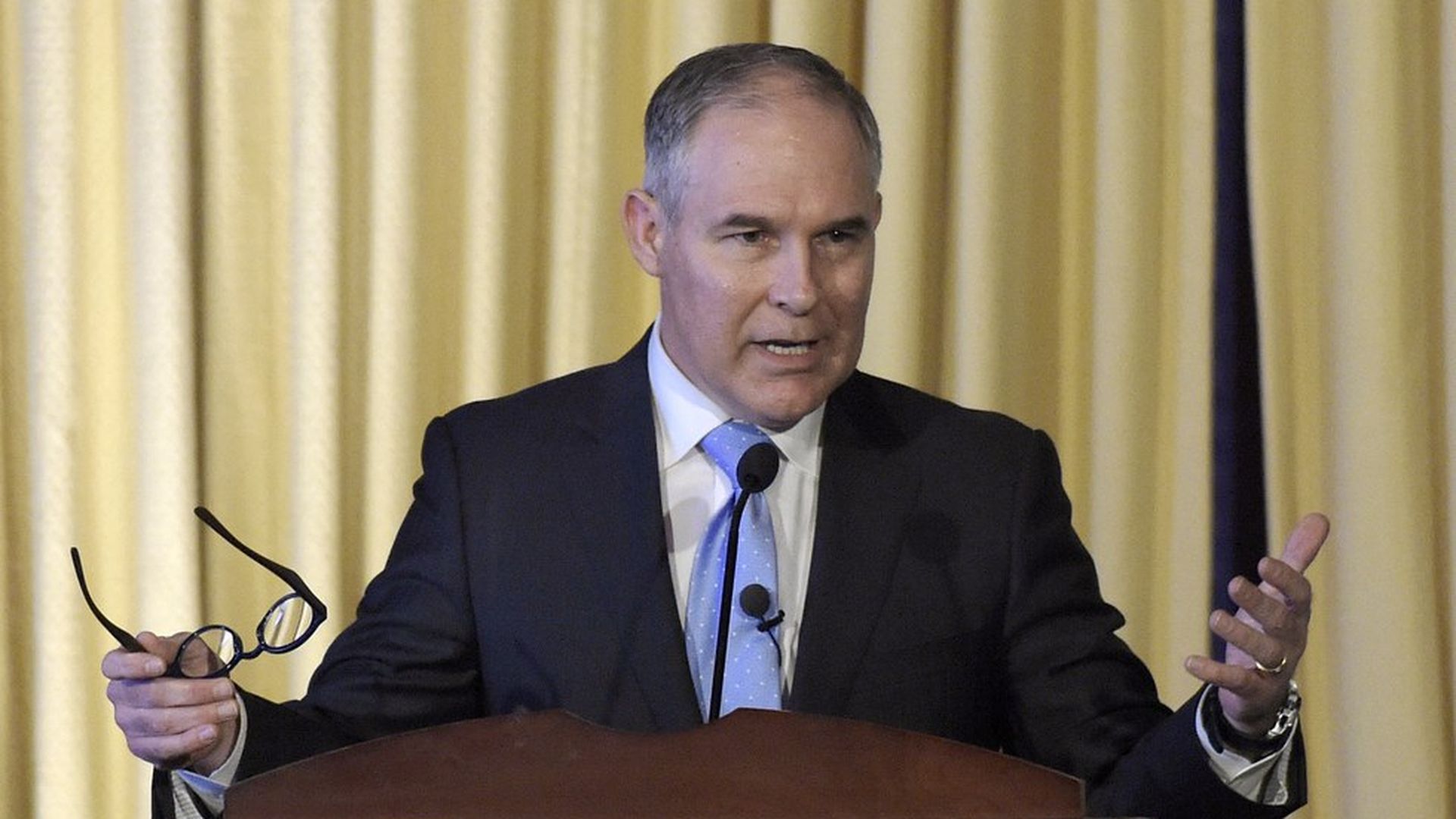
EPA Administrator Scott Pruitt, who has been dismantling Obama's efforts to combat climate change and has worked to undo more than two dozen regulations, is challenging scientists to debate whether climate change is a threat on TV, he told Reuters.
The reasoning: "I think the American people would be very interested in consuming that. I think they deserve it."
Pruitt's message to scientists who think they are right about climate change: "if you're so certain about it, come and do your deal." He added, "There are lots of questions that have not been asked and answered."

Climate article goes big time — and draws pushback
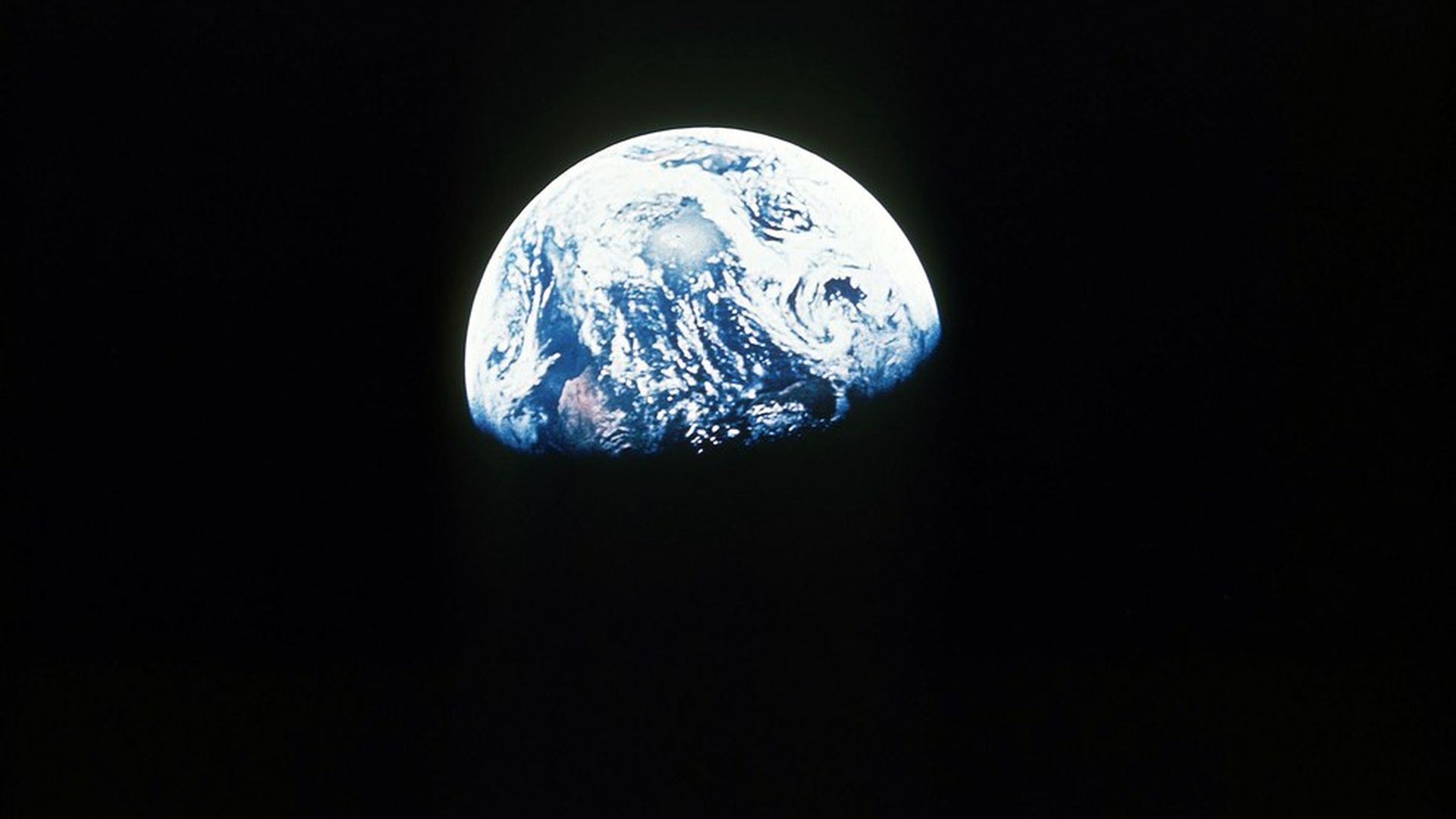
A deeply reported, deeply pessimistic New York Magazine cover piece on global warming titled "The Uninhabitable Earth" has set the climate policy world buzzing since it went up Sunday night. David Wallace-Well's piece makes the case that human-induced climate change is on such a dangerous pathway that, absent far more aggressive action, "parts of the Earth will likely become close to uninhabitable, and other parts horrifically inhospitable, as soon as the end of this century."
Yes, but: The piece is getting some pushback in climate science and journalism circles.
- Penn State's Michael Mann, one of the world's most prominent climate scientists, posted a rebuttal that criticizes the "doomist framing" and says the piece "paints an overly bleak picture by overstating some of the science."
- Over at Mashable, veteran climate journalist Andrew Freedman writes that in some places, the piece exaggerates evidence or makes mistakes. His verdict? "It's still worth reading, but with a sharp critical eye."
The next frontier for renewables powers up
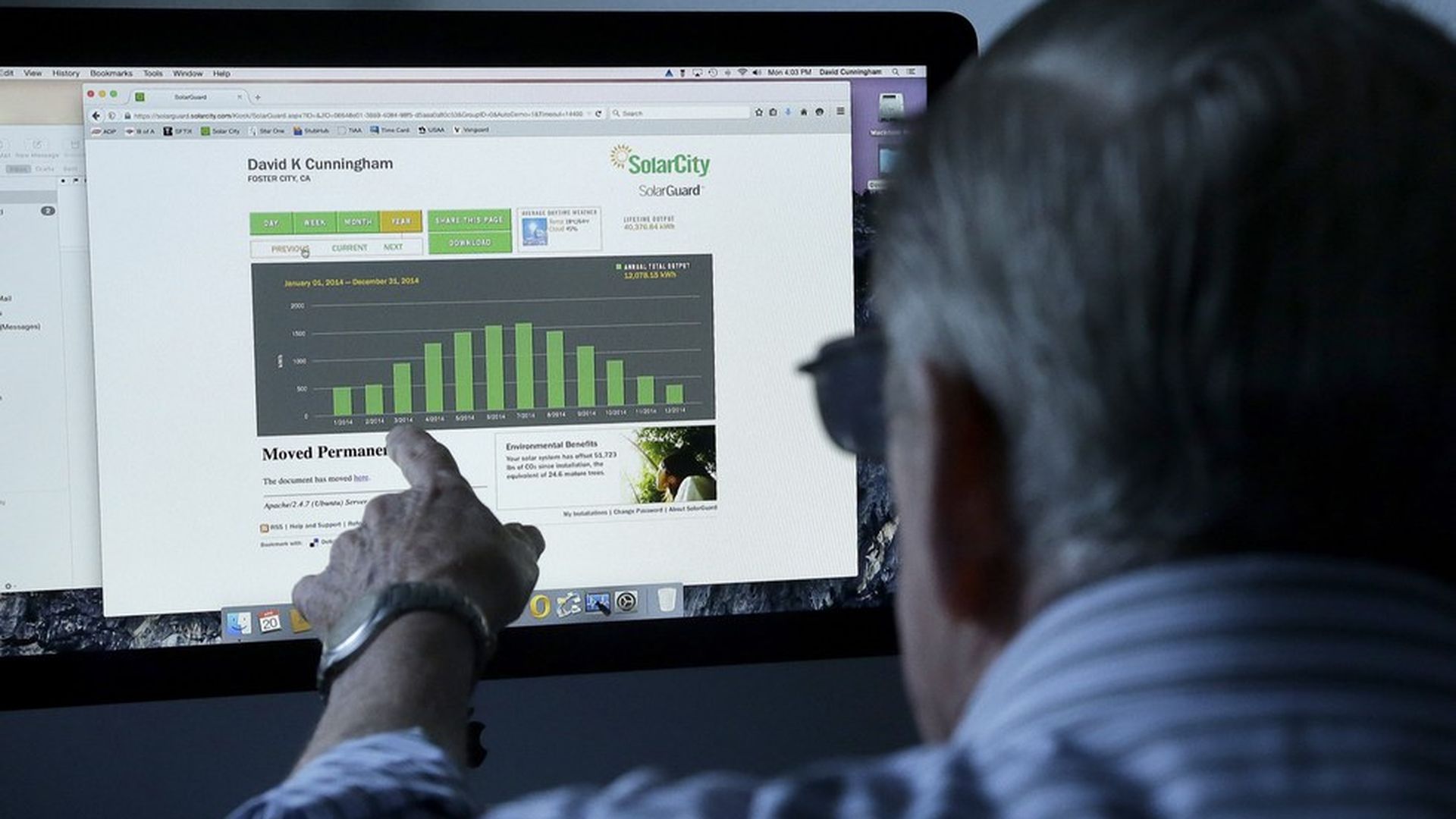
Siemens and AES Corp. announced Tuesday they are combining forces to create a major new energy storage industry powerhouse with a joint venture called Fluence.
Why it matters: Growth in battery storage is an important way to enable integration of more renewable energy sources, while it also can aid reliability and curb the need for additional fossil fuel generation and other infrastructure to serve peak demand.