Monday's energy & climate stories

Farmers feel the effect of warming Arctic
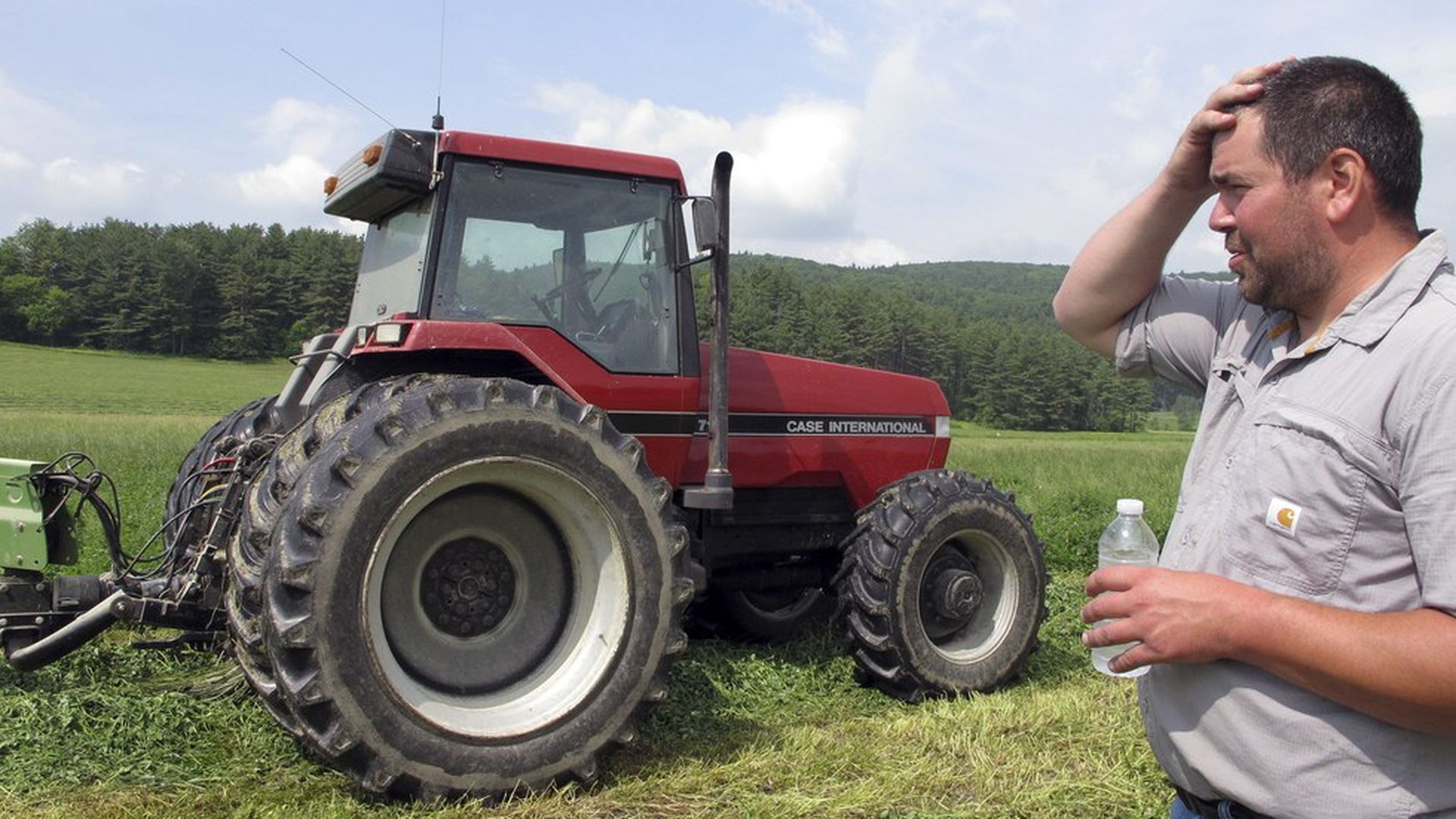
Warmer weather in the Arctic due to climate change is making winters in the U.S. longer and affecting farms, according to a new study.
The Arctic is warming twice as fast as the rest of the planet, changing the circulation of cooler air to the planet's middle latitudes. The effect is harsher winters and cooler spring seasons that, in the years studied, were associated with a 1 to 4% decline in agricultural yield on average in the growing seasons following warm Arctic years. Certain areas, such as Texas, saw a much steeper decline of 20% due to the colder temperatures and drier weather.
Why it matters: The Arctic is only getting warmer, and American farmers may have to adjust harvesting schedules to handle the weather changes. Fewer plants also mean that less carbon dioxide is absorbed from the atmosphere, which can accelerate the effects of climate change even more.

71% of greenhouse emissions could be linked to 100 companies
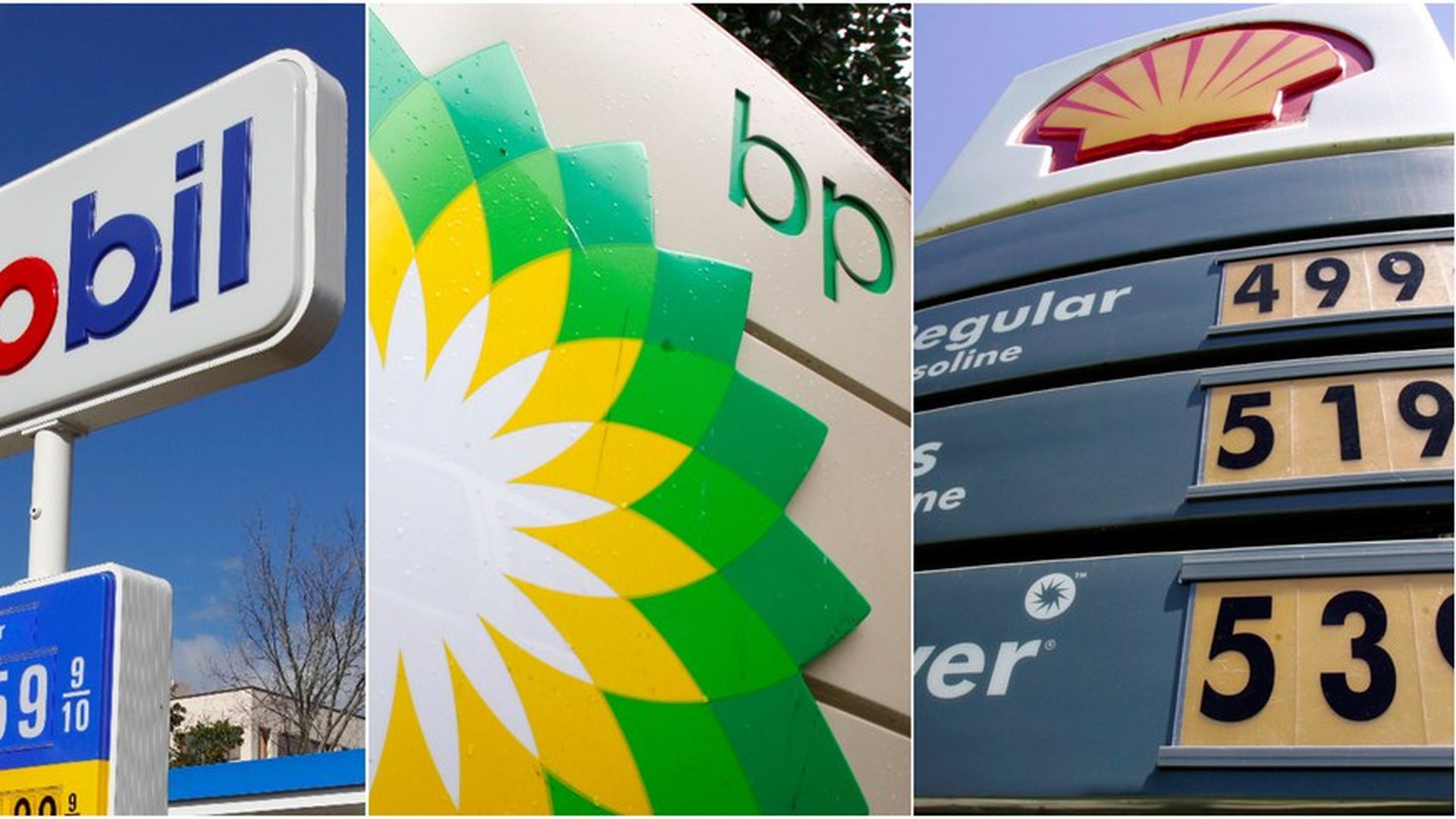
The Carbon Majors Report took a look at industrial carbon dioxide and methane emissions by fossil fuel producers since 1988, and found that just 100 companies have been the source of more than 70% of the world's greenhouse gas emissions, per the Guardian. About half of those emissions have been produced by just 25 corporations, including ExxonMobil, Shell, BP and Chevron.
The study's goal: To pinpoint "how a relatively small set of fossil fuel producers may hold the key to systemic change on carbon emissions," according to Pedro Faria, the technical director at environmental non-profit CDP.
Why it matters: The companies have played a big role in causing greenhouse emissions, and now they could have a big role in cutting them as alternative energy plays a bigger role.

Could robots make us even more polarized?
Over the last decade or so, we've seen ordinarily apolitical topics polarize us into angry opposing mobs, among them vaccines, atmospheric gases, electric cars and Russia. When there has been a super-strong view one way or another, it's been sucked into the hothouse and associated with an ideology. Charges of fake news and a general deterioration of debate have followed.
Checking my emails over the last couple of weeks, I've noticed politics seeping into the subject of the future of work. One technically expert reader, for instance, explained why he sides with the singularity, the theory predicting super-human intelligence, and the Universal Basic Income, the call for a basic stipend for all Americans as an antidote to robotization. Then he wrote: "Trump will do eight years. The Democratic Party is totally obsolete. Something will replace it." A non-sequitur? An identification of issue with party?
Or perhaps we are headed for political cleavage over robots and artificial intelligence.