The U.S. trade deal with China isn't finalized yet, but America has to trust that Chinese leaders will keep their word, Treasury Secretary Scott Bessent said Sunday.
Why it matters: It was only a month ago that Bessent said China couldn't be trusted. His shift in tone captures the uneasy stakes of a pact central to global trade in rare earths and American soybeans.
Grocery prices will come down, and consumers should feel a real rebound in purchasing power in the first half of 2026, the Trump administration's top economic officials said Sunday.
Why it matters: The government's own inflation data keeps ticking up, as most shoppers say they're paying more for groceries now than a year ago.
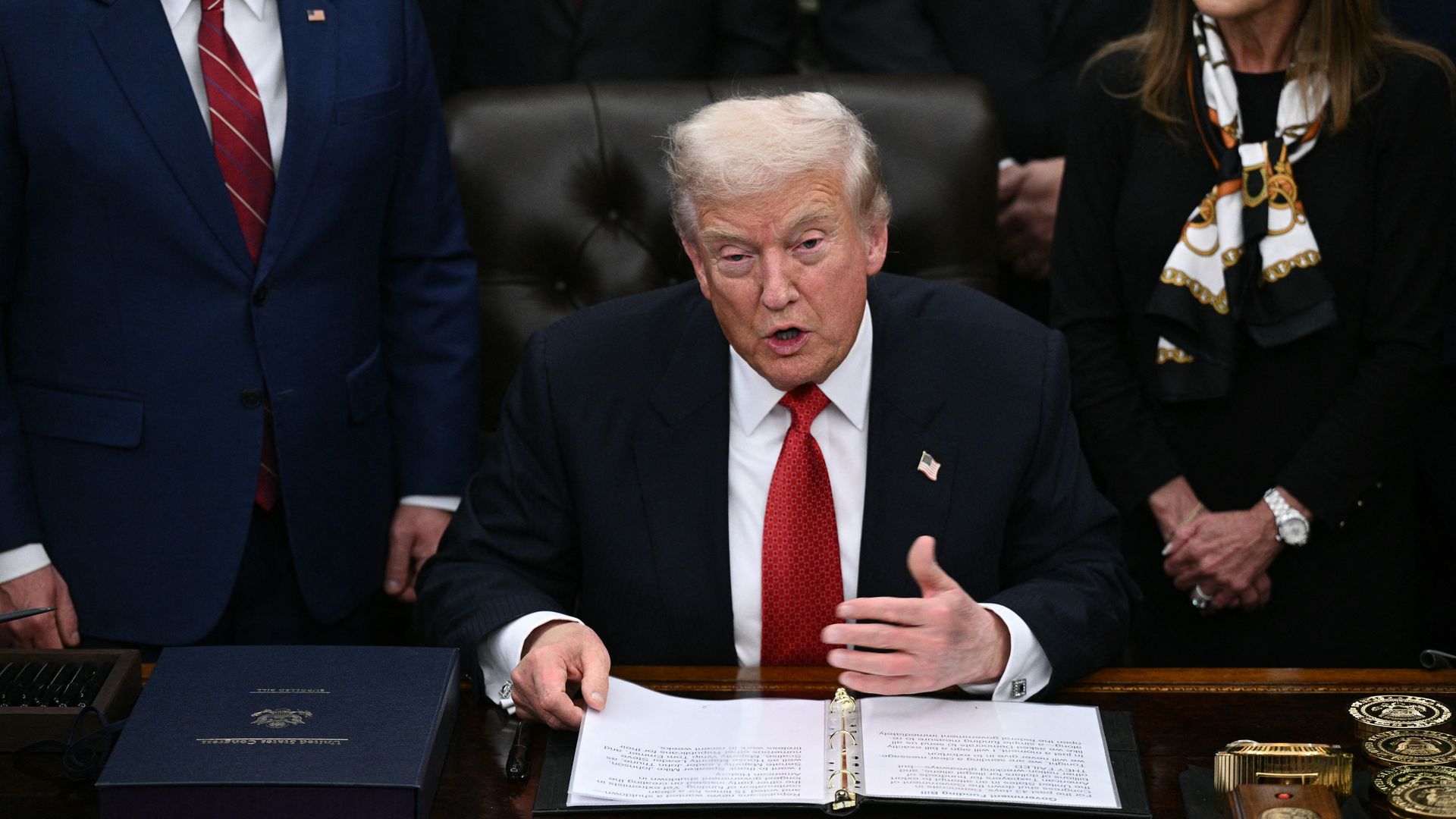
President Trump's promise to send $2,000 tariff dividend checks to most Americans will require legislation to accomplish, Treasury Secretary Scott Bessent said Sunday.
Provo, Utah, is home to the country's fastest-growing entry-level wages, per new Glassdoor data.
Why it matters: While places like San Francisco, Seattle and New York have some of the highest early-career salaries overall, zooming in on areas of rapid growth can reveal hot spots for those just getting their foot in the corporate door.
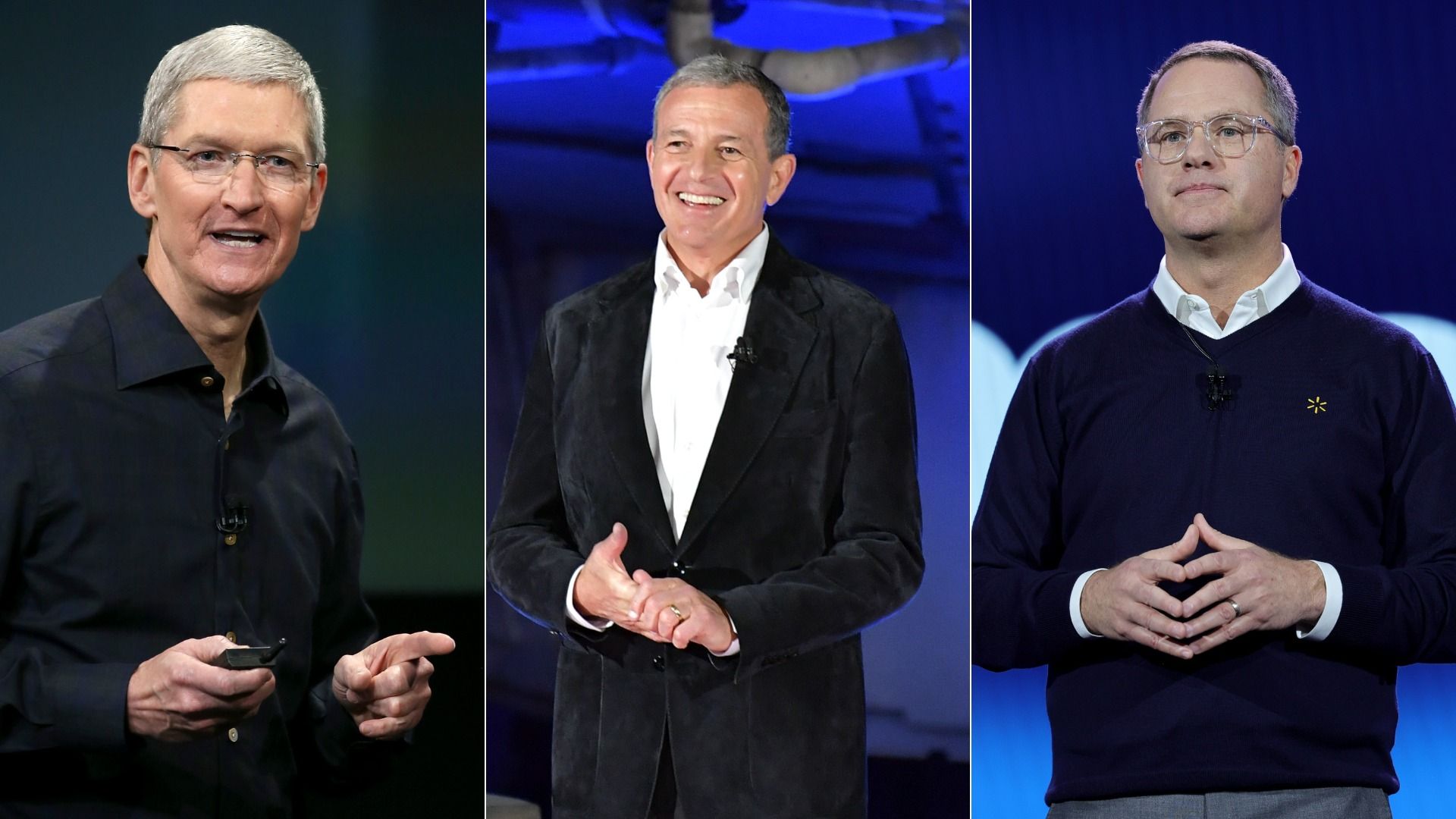
On Wall Street, in Washington, in the halls of corporate America, they don't need last names. Everyone just knows: Apple CEO Tim Cook, Disney CEO Bob Iger, Walmart CEO Doug McMillon — all stars of the business set, and all preparing to leave the stage.
Why it matters: Some of the world's best-known leaders are leaving the next generation to sort out historic technological, political and economic changes.
And at a fraught moment for the American economy, an unusual number of globally iconic brands are getting new leadership — complicating what was already certain to be an uncertain 2026.
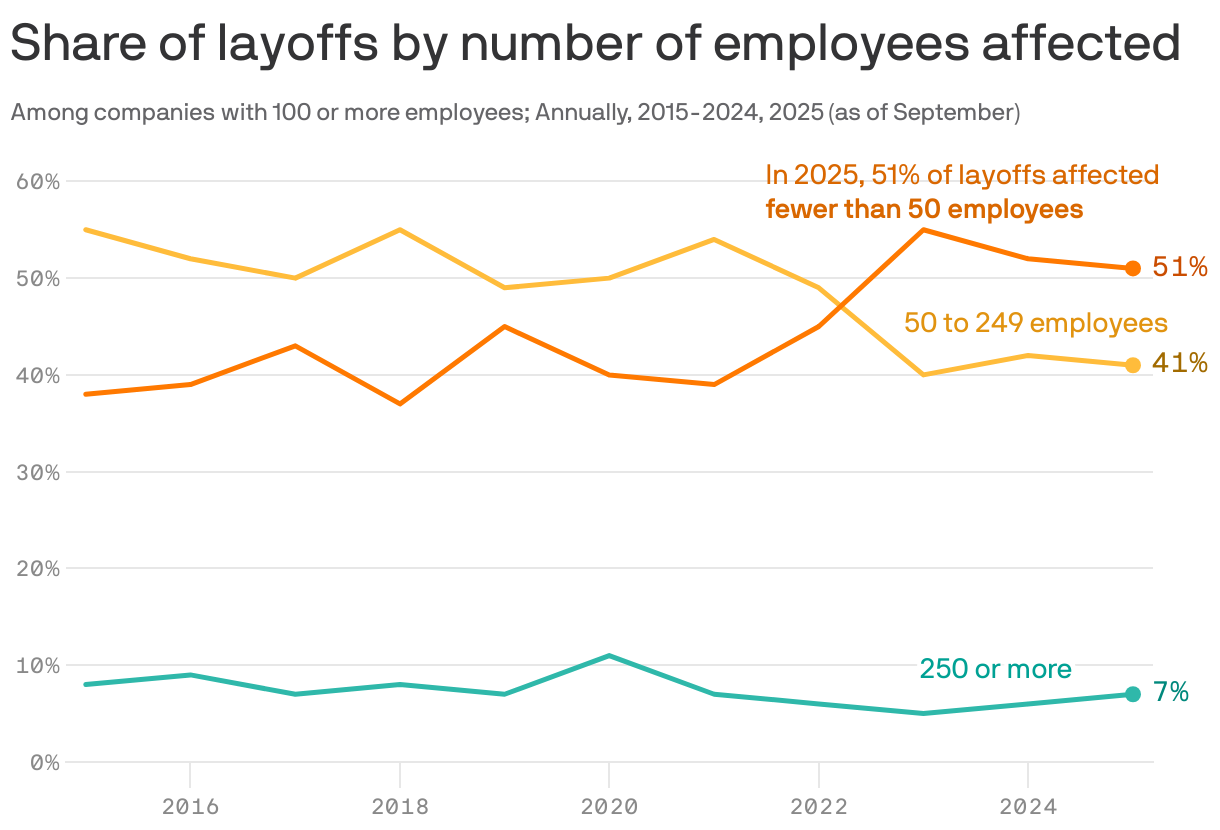
Welcome to the world of the "forever layoff." Companies are increasingly making cuts year-round in small batches rather than big sweeping firings.
Why it matters: The smaller batches of layoffs let businesses make changes and shift strategies without attracting scrutiny — and they normalize layoffs as a typical part of work. But they still put people out of jobs and make workers super anxious.
Congress rallied to pass a spending bill that ended the record-long government shutdown, but it came with a price: much of the legal cannabis industry.
The big picture: A last-minute provision in the spending bill criminalized many hemp-derived products, despite the objection of businesses, lobbying groups, and lawmakers with stakes in the $28 billion industry.
Dozens of food items will no longer face President Trump's sweeping global tariffs — including grocery staples like coffee, some fruits and orange juice.
Why it matters: The fresh exemptions — cheered by some industry groups — are aimed at addressing an affordability crisis that has worsened since the imposition of steep import taxes.
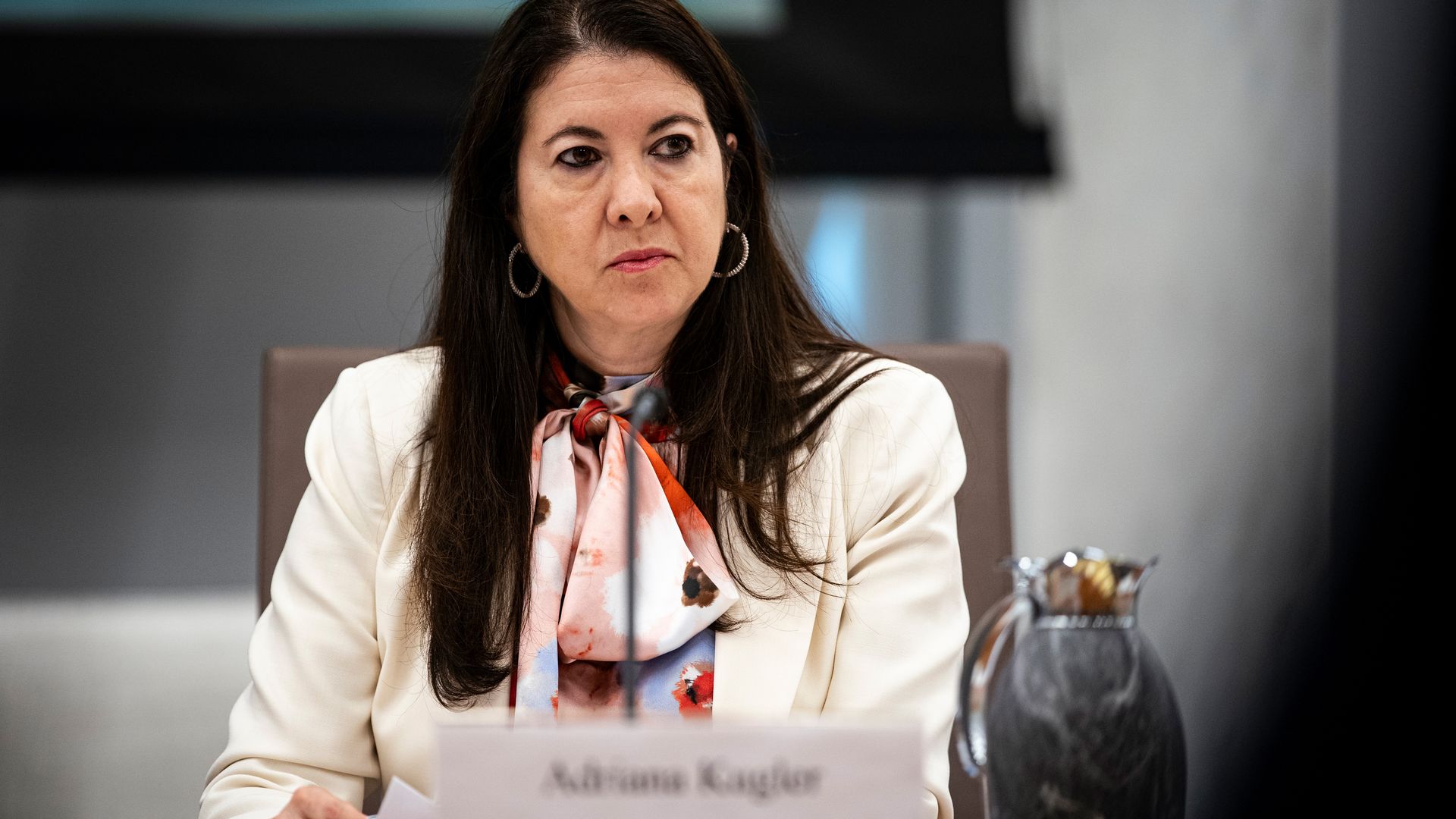
Former Federal Reserve governor Adriana Kugler was referred for investigation earlier this year for allegedly breaking the central bank's stock trading rules, per new financial disclosures released on Saturday.
Why it matters: The documents provide a backdrop for Kugler's surprise resignation in August, which opened up a vacancy for President Trump to further leave his mark on the Fed.
President Trump has touted tariffs as the key to unlocking America's Golden Age — and his rationale for how they'll do that constantly shifts.
Why it matters: Trump wields tariffs like an all-powerful multipurpose tool, but economists say his strategy isn't enough to address all of America's problems, especially if he's double-dipping into tariff revenues to fix cost of living issues, balance the trade deficit and reshore manufacturing.
Retailers are locked in a Thanksgiving turkey price war, cutting into margins to hold onto cost-conscious consumers.
Why it matters: Americans are feeling squeezed, with grocery prices about 30% higher than before the pandemic — and millions facing new food insecurity after the government's SNAP benefits freeze.