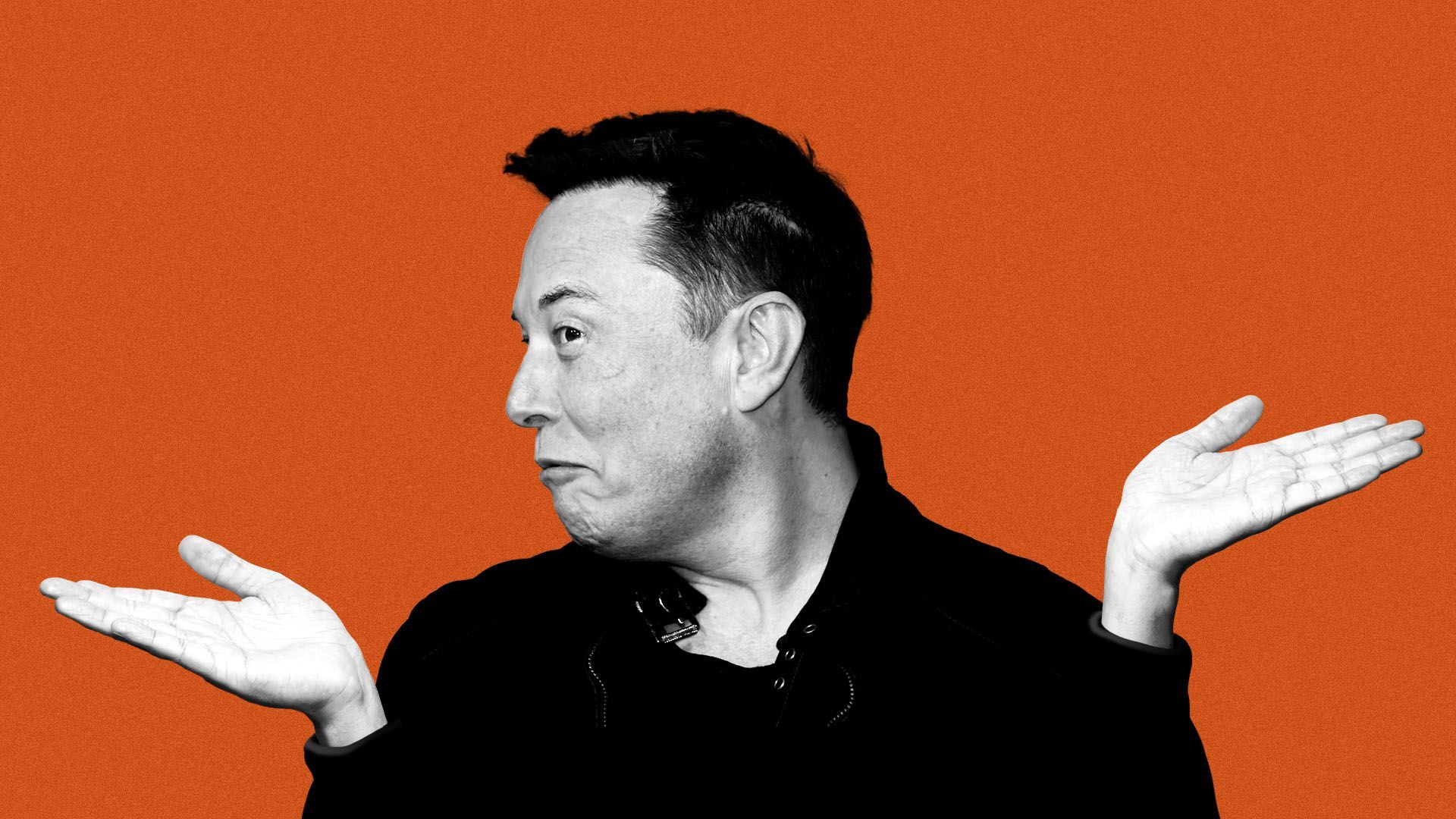
Elon Musk threw his weight behind Trump transition co-chair Howard Lutnick for Treasury secretary on Saturday, signaling a late move to influence a looming – and key – choice.
Why it matters: Musk has grown increasingly important in President-elect Trump's orbit, and Treasury secretary is one of the last major posts not yet filled.
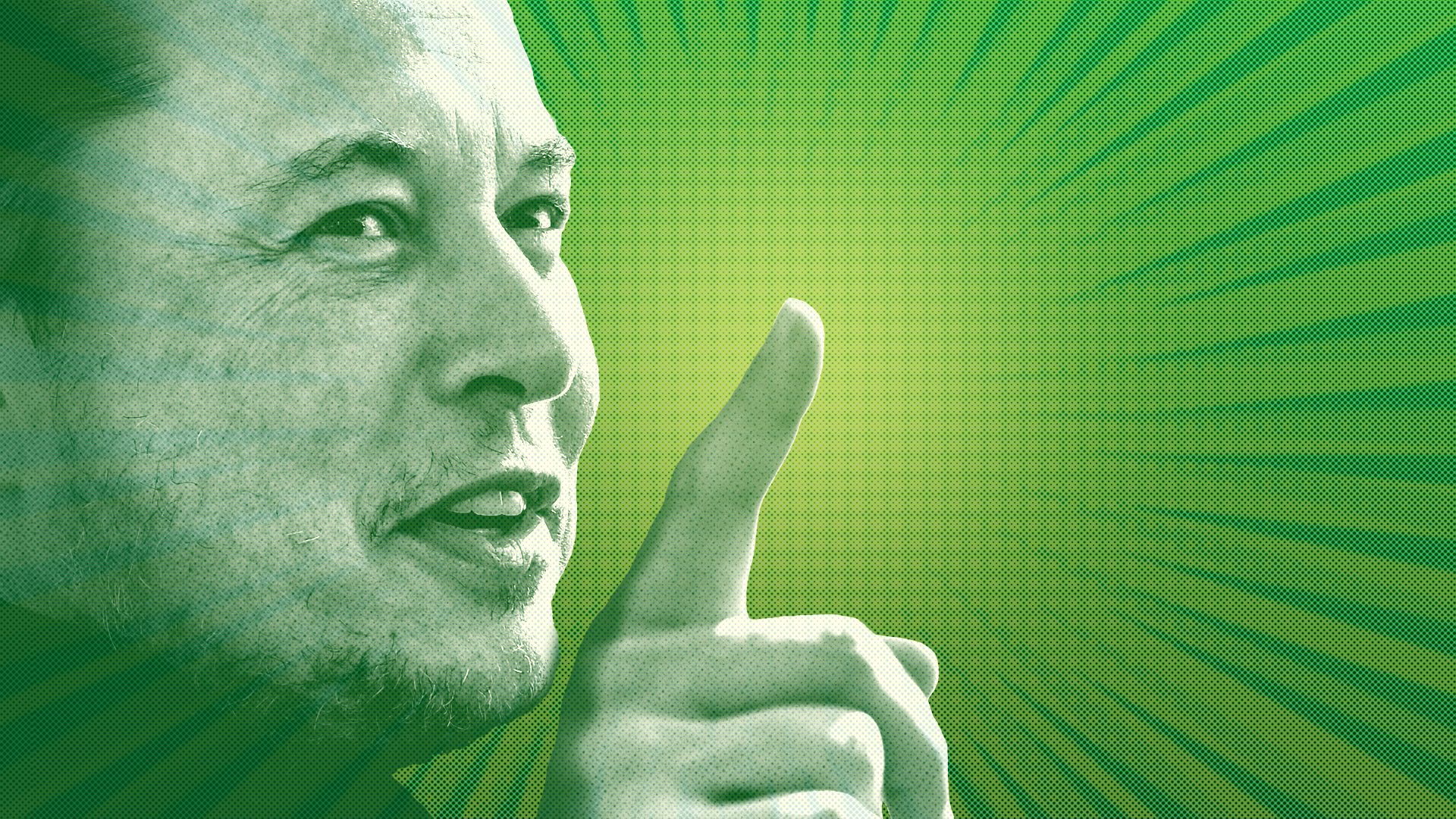
Why it matters: The richest person in the world has devoted considerable time lately to his newfound alliance with President-elect Trump, but in the meantime, his companies are attracting a deluge of capital.
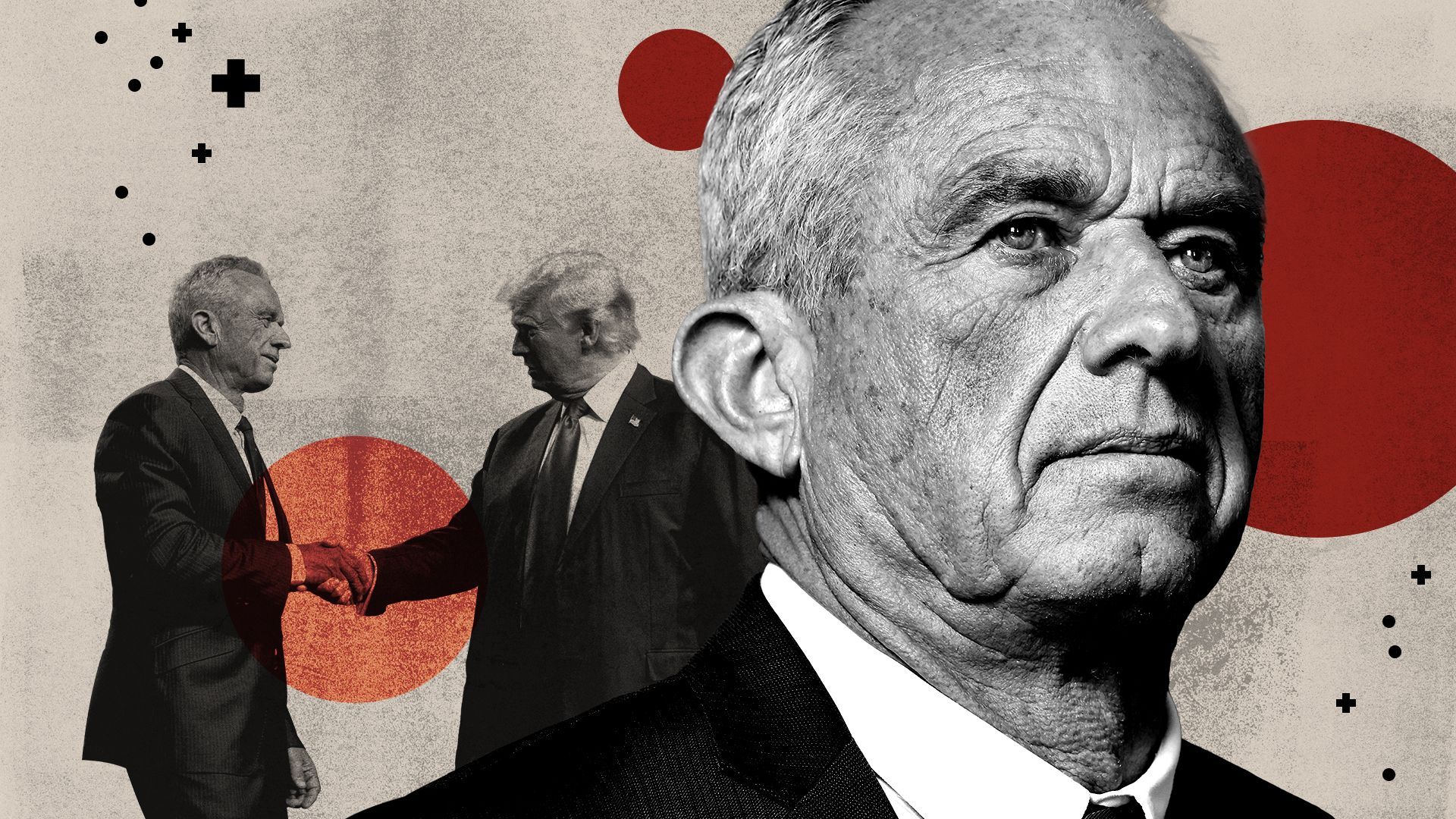
President-elect Trump yesterday said that he'll nominate Robert F. Kennedy Jr. to lead the Department of Health & Human Services, sending shockwaves through the biotech sector.
Why it matters: Investing in vaccine and other drug development is inherently risky and expensive, and soon may have the added variable of a medical conspiracy theorist leading a department that oversees the FDA.
Chinese robotaxi operator Pony AI has set its U.S. IPO terms to 15 million shares being offered at between $11 and $13.
Why it matters: This is the first ZIRP unicorn in quite some time to prep a float at below its last private market prices, apparently deciding it's better to take its medicine now than to eventually die of thirst.
A new messageis emerging from top Fed officials: With an economy this strong, why rush to cut interest rates?
Why it matters: The Fed sees a fundamentally sound economy, with few (if any) conditions warranting aggressive rate cuts.
That, in the emerging Fed consensus, means it makes sense to move slowly in assessing how much to support the economy — especially with the uncertainty tied to the incoming administration's economic policies.
Regardless of how President-elect Trump changes the Biden administration's long-term climate policies, automakers are already panicking about state-level electric vehicle mandates just around the corner.
In California and 11 other blue states that follow its lead, 35% of new cars must be electric starting with 2026 models — some of which will be in showrooms as early as next spring.
President-elect Trump has vowed to impose sweeping tariffs with or without the support of Congress.
The big picture: While setting tariffs is a power typically afforded to Congress, the executive branch can also do so without congressional approval under special circumstances like over economic emergencies and national security issues.