The $1.9 billion merger between Alaska Airlines and Hawaiian Airlines may move forward, the U.S. Department of Transportation said Tuesday, after securing certain consumer protections.
Why it matters: DOT held the fate of the airlines' merger in its hands after the deal cleared a key antitrust review by the Justice Department last month.
Former President Trump and his two oldest sons lent their social media accounts' tens of millions of followers to a livestream last night launching a so-called decentralized finance project called World Liberty Financial.
Reality check: Over the meandering audio-only stream on X that lasted two hours, we didn't learn anything specific about the project beyond how it plans to distribute its token, WLFI.
We attempted to wring some news out of the event, but here I want to tell readers about the misery of listening.
In the room: The former president didn't say a word about the project on last night's stream.
We all knew these days would come, but crypto's fate in the U.S. is being decided in the courts, which have seen a flurry of blockchain-relevant activity.
Why it matters: Some of these actions look to be teeing up more aggressive actions down the line.
Galois Capital
The SEC opted to kick a firm when it's down and really, truly out.
Galois Capital closed shop amid the FTX debacle. But that didn't stop the agency from suing it for failing to use a registered custodian for its securities under management. The defunct company (unsurprisingly) settled.
The settlement alleges that Galois held securities for its investors, but it doesn't identify them. (It also alleges some other things, which aren't really crypto-specific.)
Stablecoins are becoming a bigger part of the financial lives of many people around the world, according to a new report.
What they're saying: "Our survey results contradict the common belief that stablecoins are exclusively used as a tool for the speculative trading of cryptoassets," say the authors.
"Gaining access to crypto exchanges remains the top use case for those surveyed, but a long tail or ordinary (non crypto) economic activities is evident as well."
47% of crypto users surveyed used it for saving, 43% used it for currency conversion, and 39% used stablecoins to access yield.
Context: The report comes from seven authors including Nic Carter at investment firm Castle Island Ventures; Peter Johnson and Ross Trachtman at institutional investors organization Brevan Howard Digital; and Anthony Yim at data company Artemis.
Consumers keep defying jitters about the health of the economy.
Why it matters: The labor market is slowing, judging by the summer drop-off in job opportunities. But those getting paychecks are still spending them, rather than preemptively hoarding cash. That bodes well for avoiding a steeper downturn.
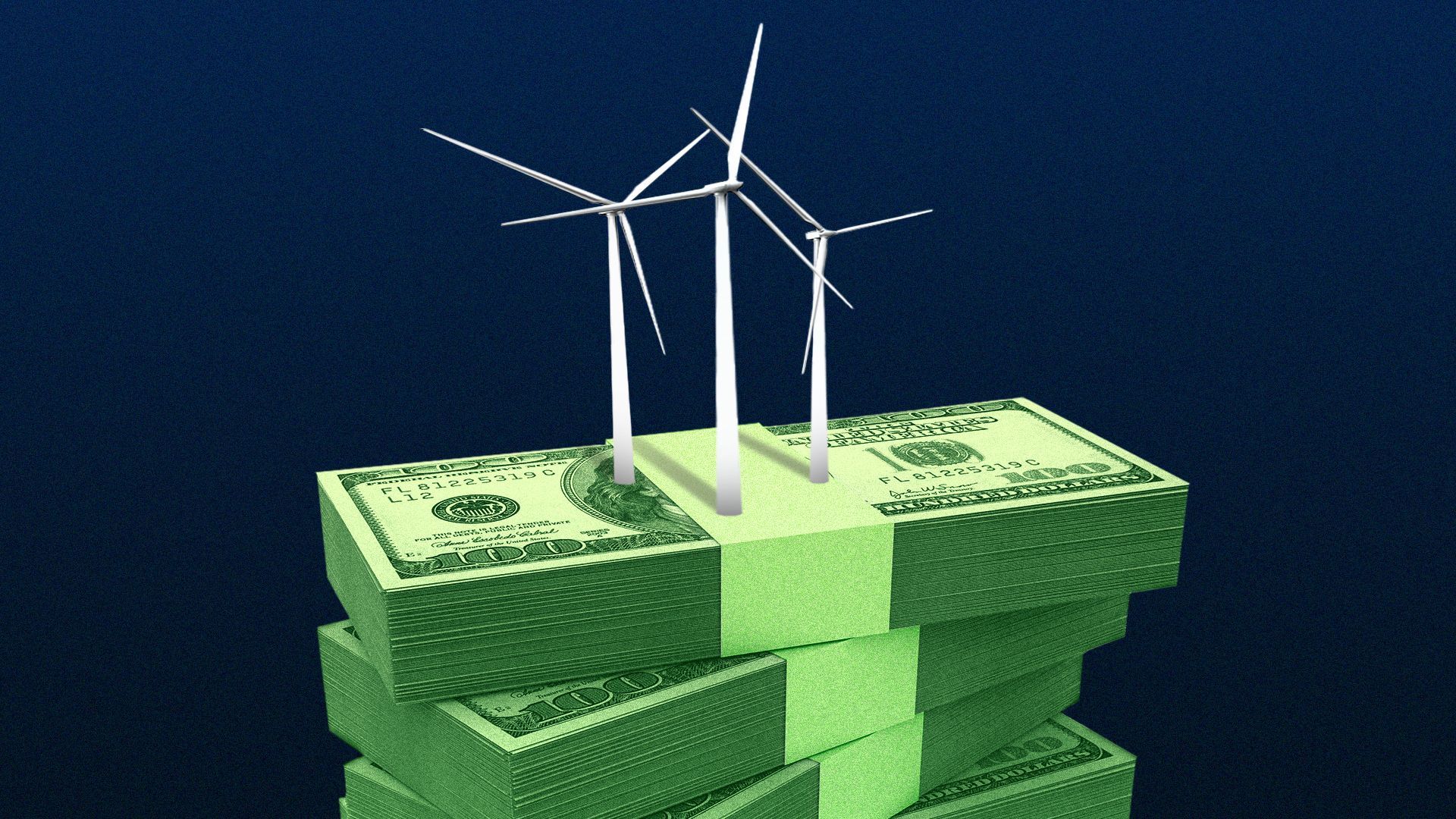
British energy giant BP said that it will seek to sell its U.S. onshore wind business, which could fetch around $2 billion, as it refocuses its U.S. renewables business on solar.
Why it matters: This reflects how solar capacity is catching up to wind in the U.S., and may eventually surpass it, thanks to lower costs and installation complexity.
• Workday (Nasdaq: WDAY) agreed to buy Evisort, a a San Mateo, Calif.-based document intelligence platform that had raised over $150m from TCV, General Atlantic, M12, Amity Ventures and Vertex Ventures. evisort.com
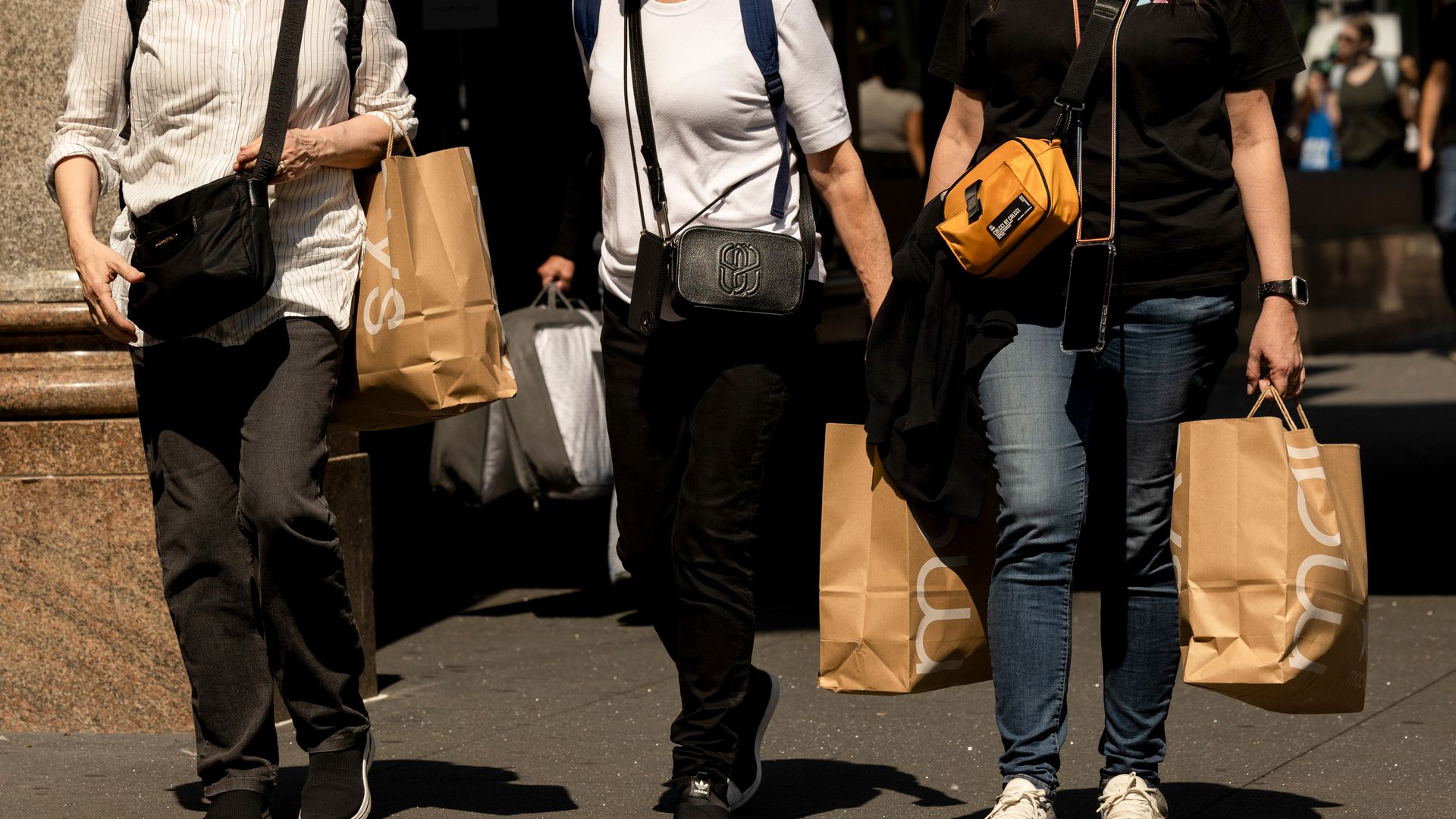
The summer shopping season ended on a softer note: Retail sales ticked up 0.1% in August as consumers pulled back on spending, the Commerce Department said on Tuesday.
Why it matters: That consumers kept spending, albeit at a slower rate than earlier in the summer, raises confidence about the health of the U.S. economy.
If elected Donald Trump says he'd stop taxing overtime pay.
Why it matters: The policy, which would likely require legislation, would certainly incentivize more overtime work. But part of the reasoning behind the federal overtime laws — included in the 1938 Fair Labor Standards Act — was to discourage employers from giving workers long hours.
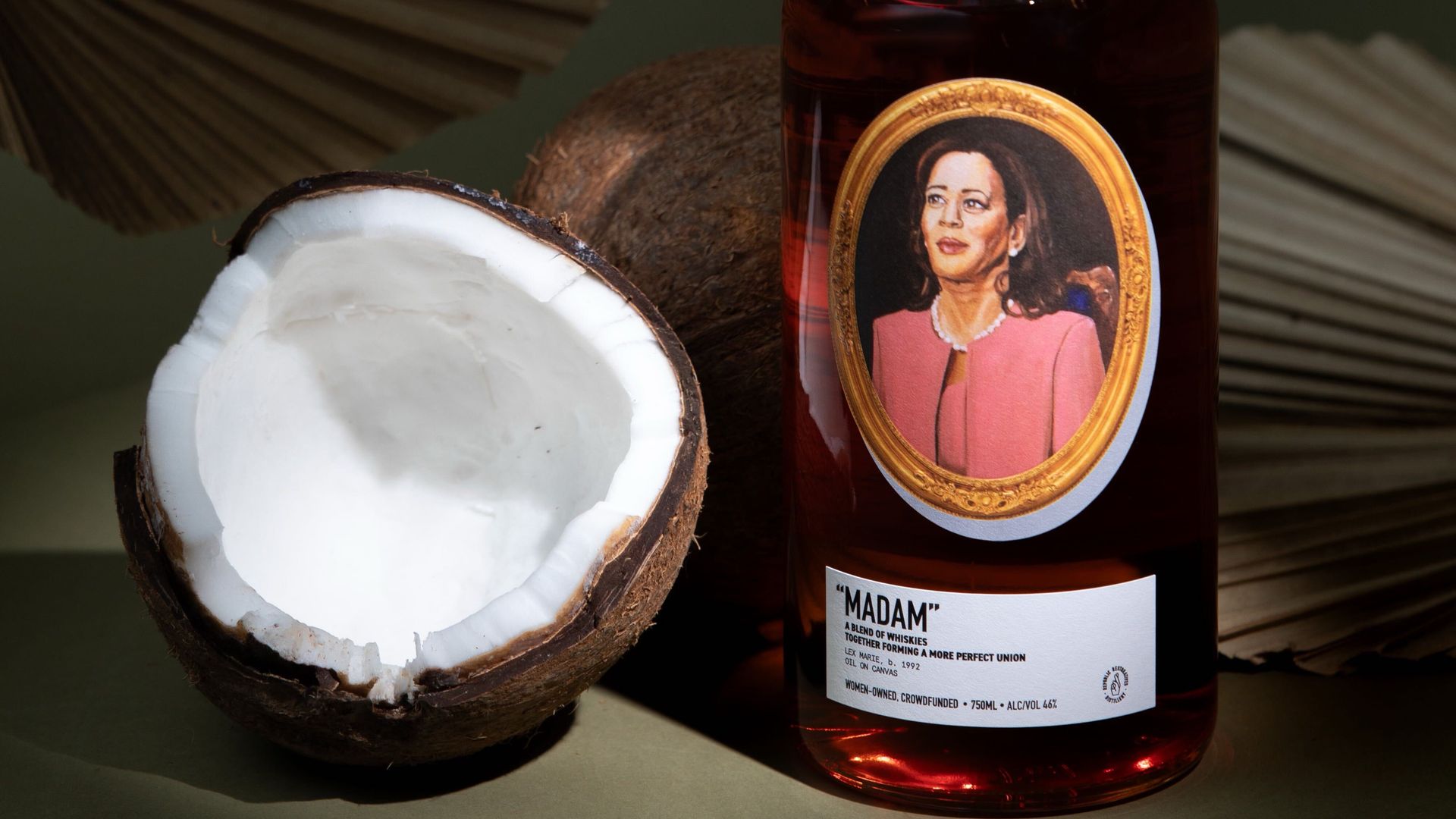
Kamala Harris merchandise has been flying off the shelves since the vice president became the Democratic presidential nominee, creating a sudden "Kamala-conomy" in deep-blue D.C.
Why it matters: Some local business owners say the enthusiasm for Harris, a Howard University alum with longstanding local ties, is driving big spikes in sales and boosting their brands.










/2024/09/17/1726536575841.gif?w=3840)