It's never been more confusing, or more expensive, to watch your favorite sports teams as leagues struggle to figure out the best way to reach the most people in a fractured TV ecosystem.
Why it matters: Leagues and media platforms are walking a fine line — trying to follow viewers who are migrating to streaming services without making those fans so frustrated that they skip the games altogether.
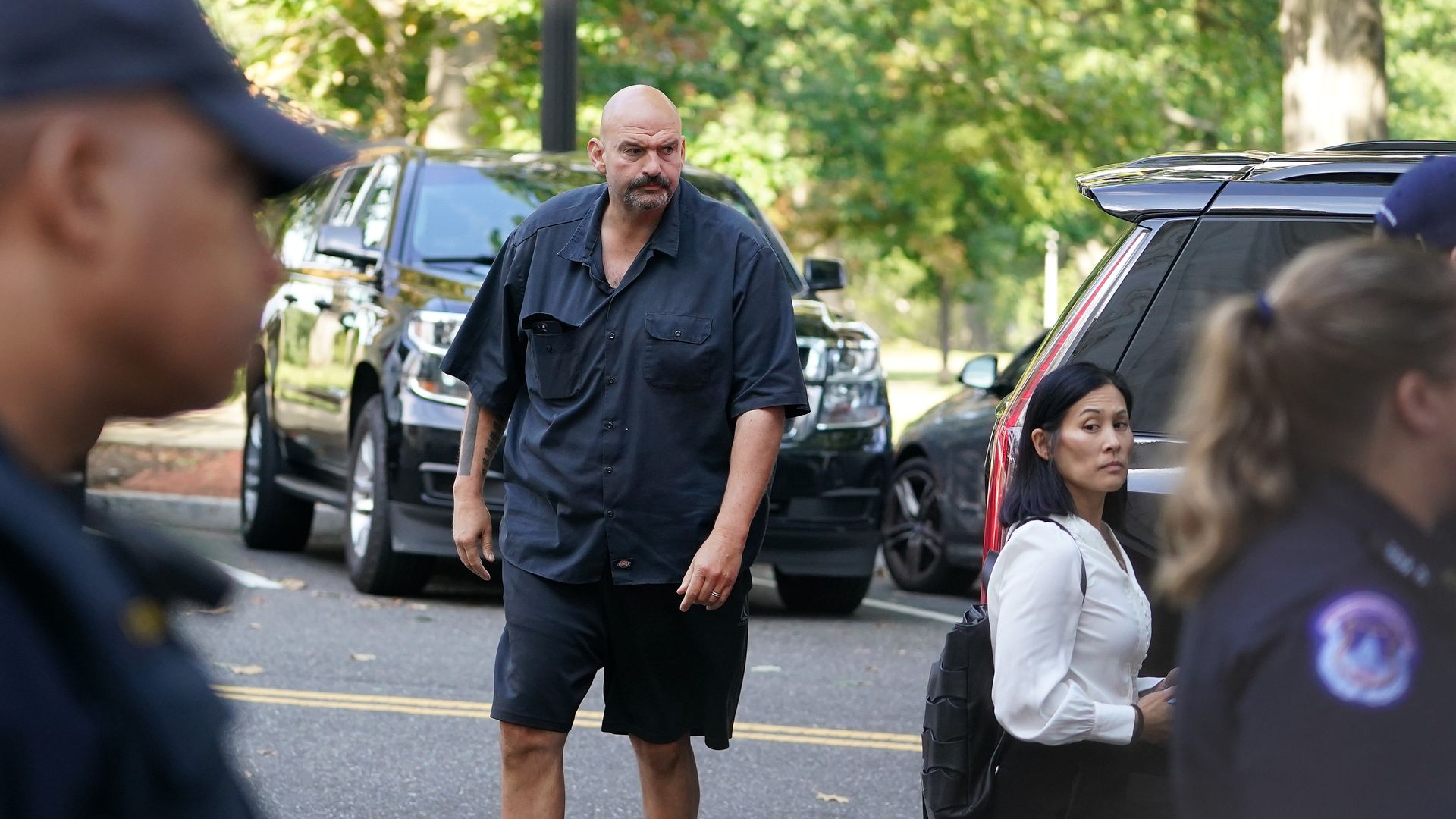
Pennsylvania Sen. John Fetterman (D) joined United Auto Workers members on the picket line Saturday after the union launched an unprecedented strike against General Motors, Ford and Stellantis.
Driving the news: "Hold that line, @UAW ! On my way to join you now," the Democrat wrote on social media Saturday as union leaders and the Big Three automakers were set to resume contract negotiations.
Arm's return to the public market Thursday was hailed by some as a comeback for technology initial public offerings, but the window's reopening is more cautious than it appears at first glance.
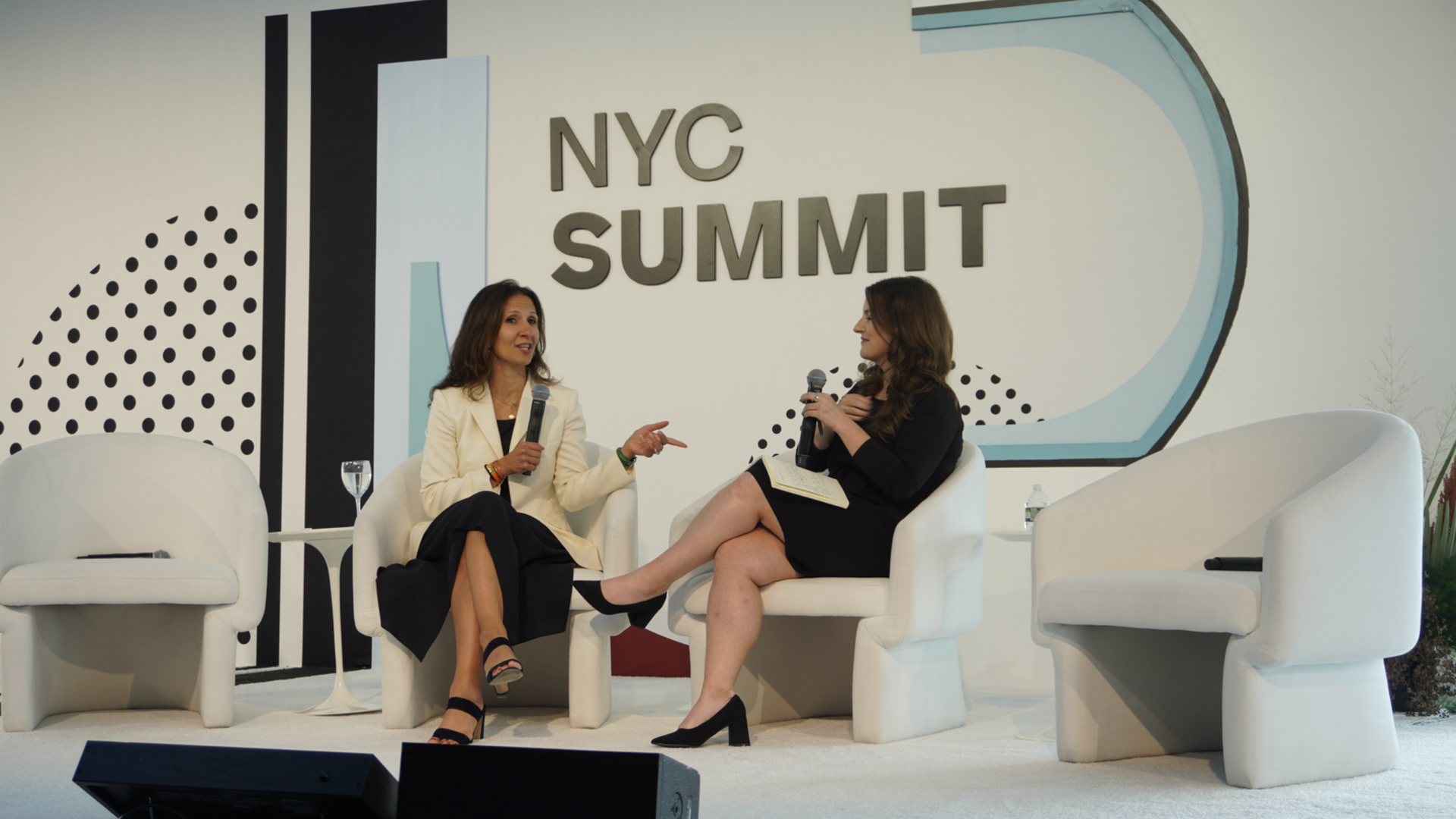
What they're saying: "There are deals coming to market with all different sorts of structures, so people are being thoughtful about how they tap the IPO markets at the moment," New York Stock Exchange president Lynn Martin told Axios' Kia Kokalitcheva on Wednesday at Primary Venture Partners' NYC Summit.
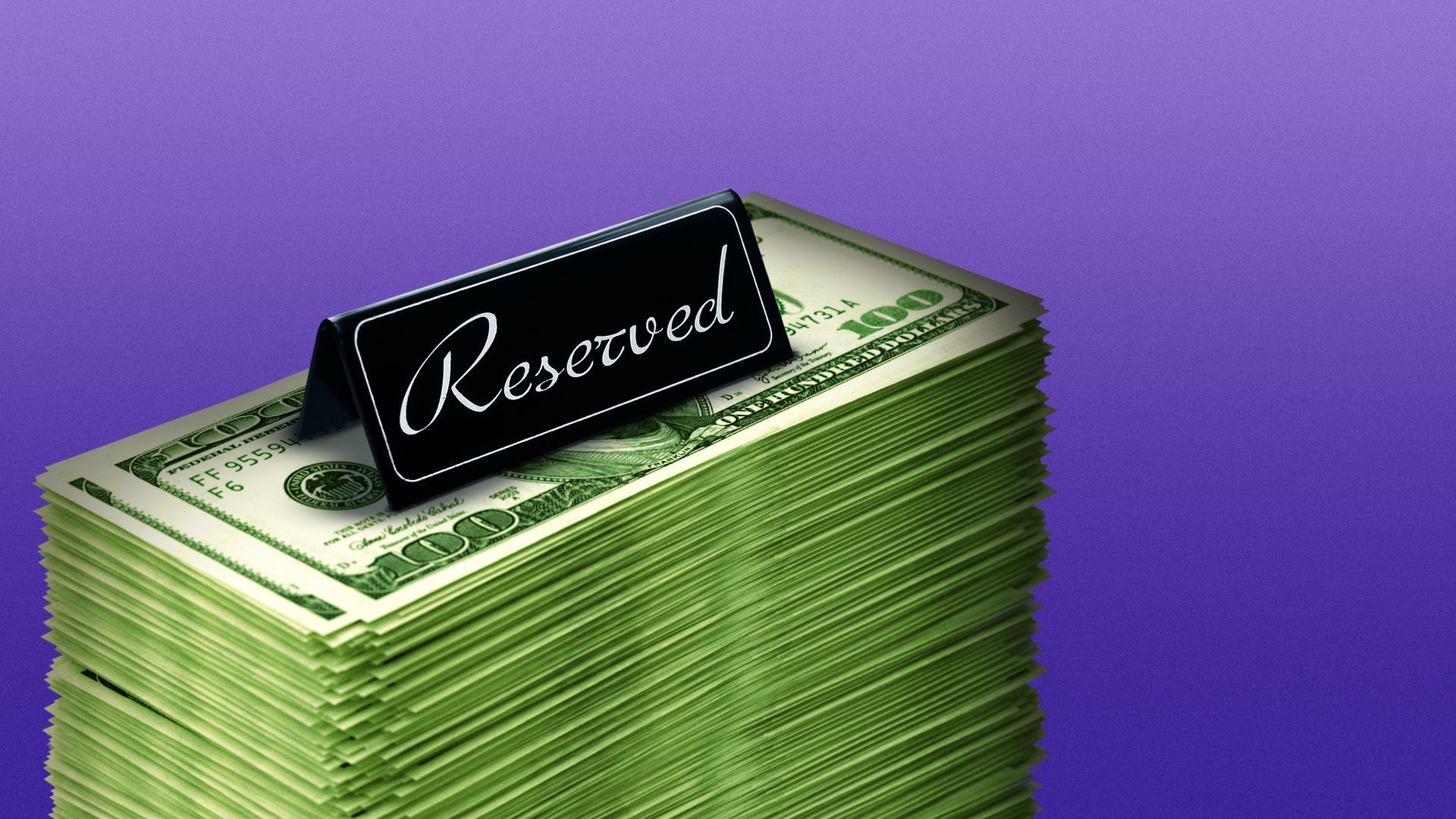
An obscure clause from the insular world of venture capital — the liquidation preference — has spilled over into at least two multibillion-dollar M&A take-private transactions where it really doesn't belong.
Why it matters: The two deals, while both exceptional in many ways, are a window into the kind of risk appetite that can be found among the ranks of the world's richest self-made men.
Would you lend against this asset class? (Photo: Melodie Jeng/Getty Images)
At the beginning of this month, an unknown clothing collector borrowed $1.1 million for a period of just 60 days, at an astonishing interest rate of 40%.
Why it matters: At least some of us still seem to be living in a YOLO world where risk-taking can be an end in and of itself.

Workers in America's biggest, most competitive cities aren't giving up the flexibility and savings — in both time and gas money — of working from home.
By the numbers: Overall, 15% of the U.S. worked from home last year, according to new Census figures released last week — but the numbers are much higher on both the East and West coasts, and in other large metro areas.