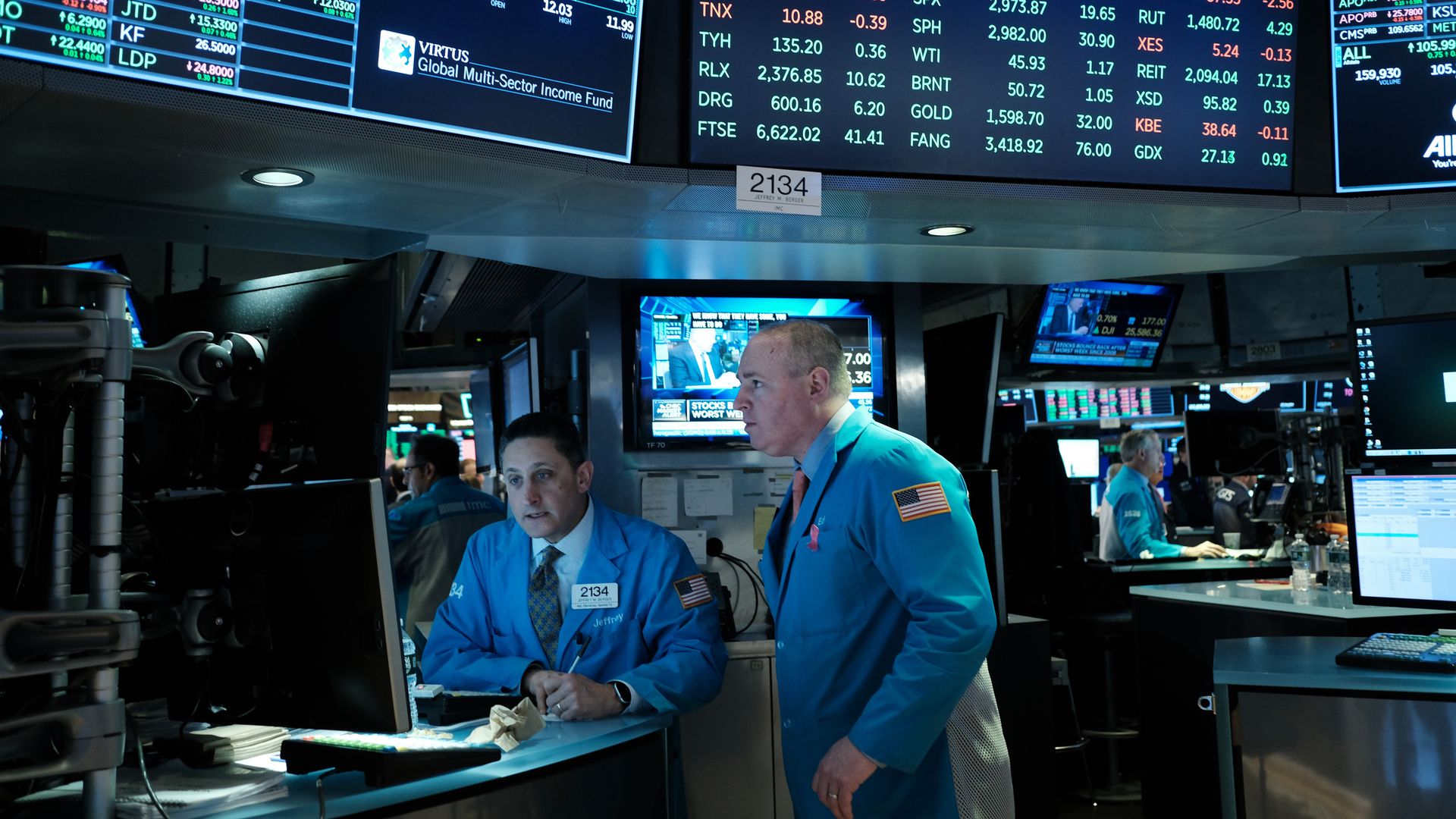
The yield on the U.S. 10-year Treasury fell below 1% for the first time ever after the Fed unexpectedly cut rates to shield the economy from any coronavirus impact.
Why it matters: Yields on the benchmark 10-year note have fallen by more than 90 basis points in just the first two months or so of 2020. That's a huge move in a short amount of time — and reflects investors' appetite for safe-haven assets and pessimism about the global economy.
Millions of stock and options traders were effectively shut out of the market for all of Monday as well as two hours of early trade on Tuesday.
Driving the news: The culprit was Robinhood, a fast-growing stock-trading platform that inexplicably face-planted on a day when trading volume surged and the stock market rose by 4%.
The big picture: While President Trump has often threatened to sue news organizations for libel, he rarely followed through until last week — when his campaign filed a similar suit against the New York Times.
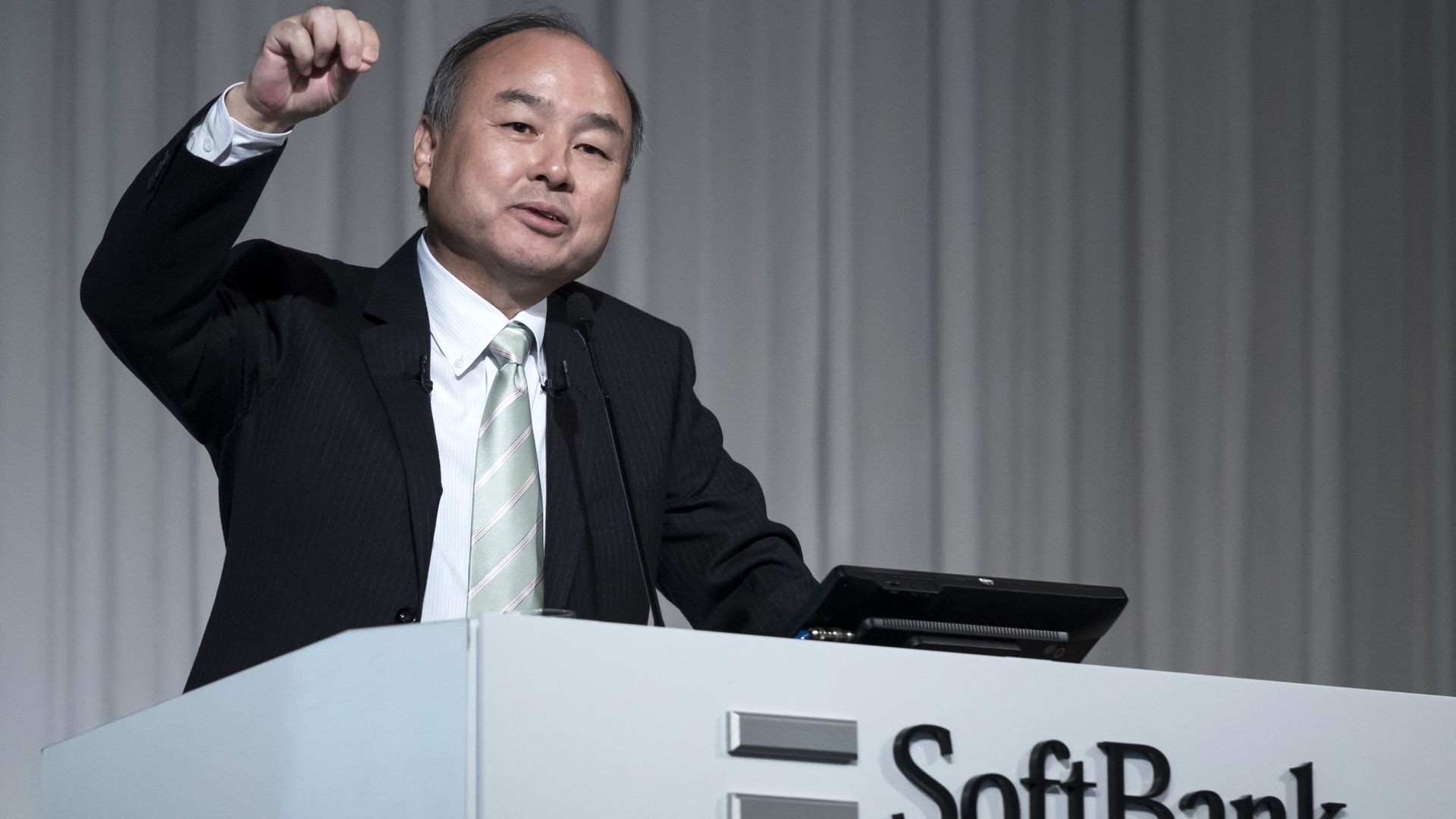
SoftBank CEO Masayoshi Son on Monday promised institutional investors that he'll do a better job of listening to their concerns, but stopped well short of saying that they'll change his mind.
The state of play: Son was "interviewed" by Goldman Sachs investment banking co-head Dan Dees, at a private event in New York.
BBC Studios said Monday that it's investing in Pocket Casts, a free-to-download podcasting platform. NPR, WNYC Studios and WBEZ Chicago are already investors.
Why it matters: The investment is likely a response to media companies wanting their own data, analytics and distribution outlets instead of Apple, which shares very little data with publishers.
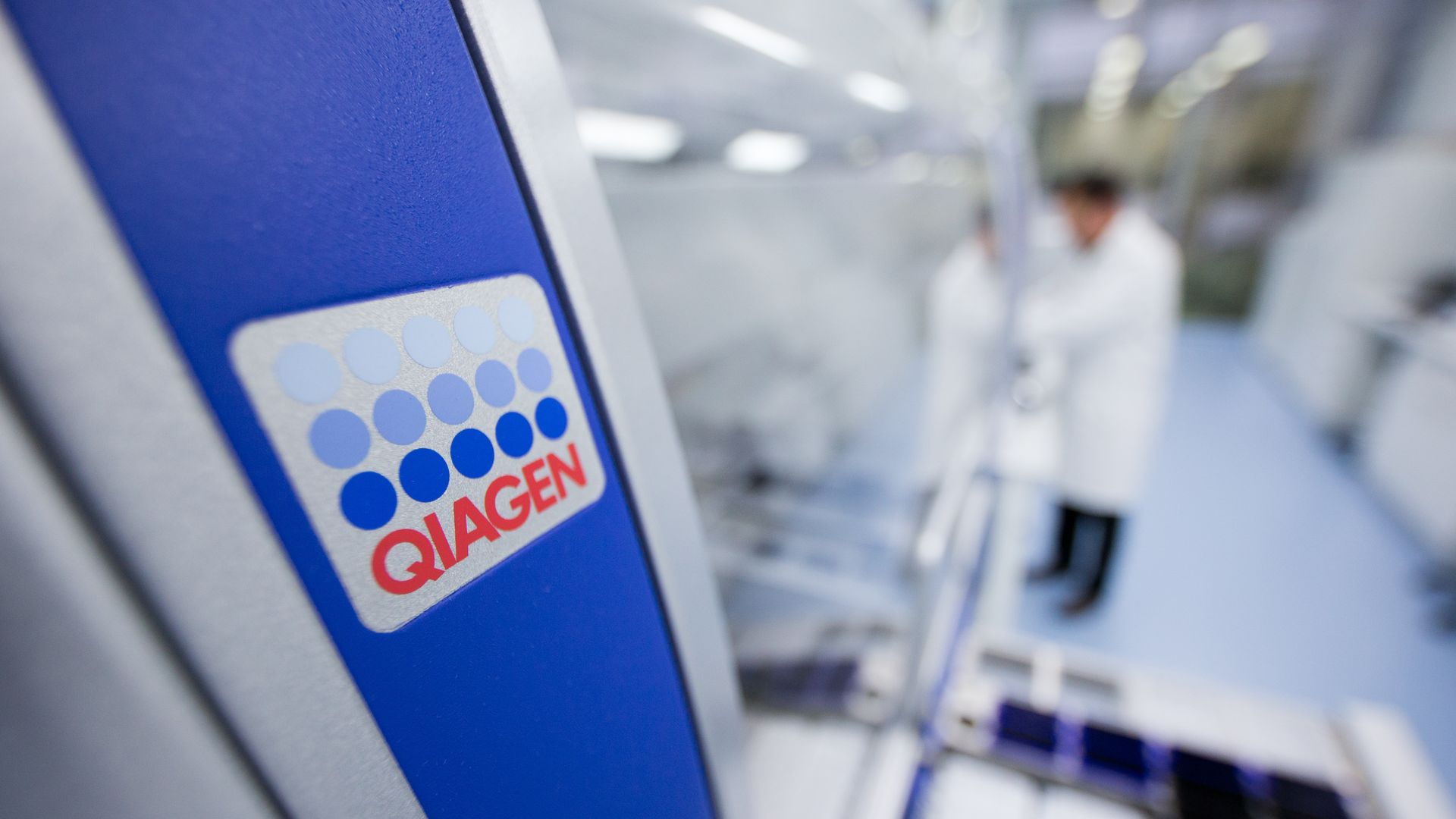
Thermo Fisher is acquiring Qiagen, a company that makes lab equipment and diagnostic tests, for $10.1 billion plus the assumption of $1.4 billion of debt.
Why it matters: This is the largest health care transaction so far in 2020. It's also especially relevant because Qiagen makes a testing kit that detects the new coronavirus strain.
Journalists within the Voice of America (VOA) are pushing back on the idea that their reporting could fall prey to political influence by the Trump administration.
Why it matters: Top VOA executives are concerned that alarmist reporting, some from progressive outlets, may have prematurely undermined the credibility of the agency.
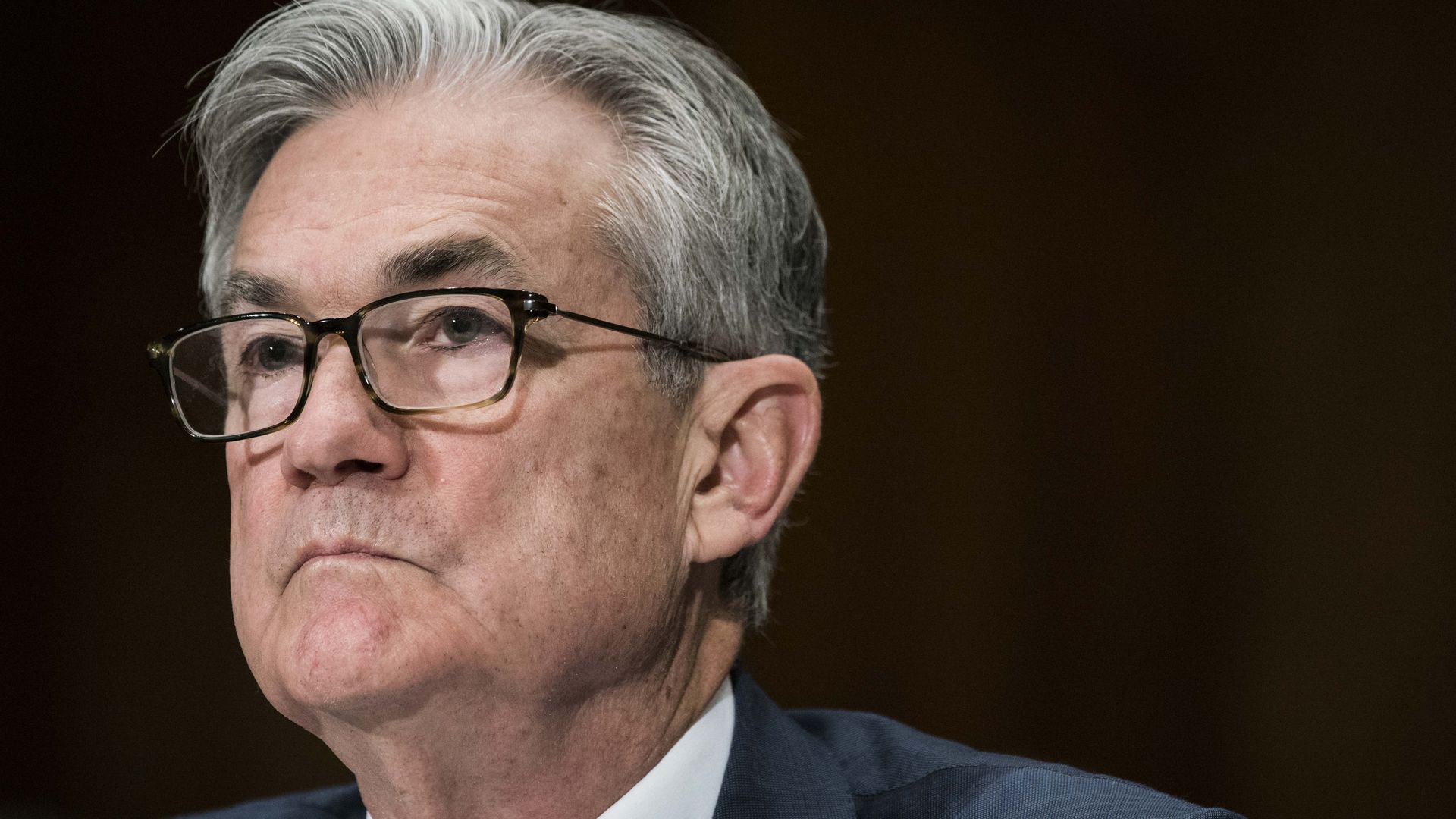
The Federal Reserve unanimously decided to cut interest rates by half-a-percentage point — a large amount — in an emergency response to the spread of coronavirus and its impact on the economy.
Why it matters: The last time the Fed announced an interest rate cut outside a regularly scheduled meeting was in the midst of the financial crisis. The rare move shows the Fed's effort to stem any impact the coronavirus poses to the record-long economic recovery.
C16 Biosciences, a company seeking to commercialize a manufactured alternative to palm oil, announced yesterday that it has raised $20 million in Series A funding from backers including the Bill Gates-led Breakthrough Energy Ventures.
Why it matters: Palm oil is used in a massive array of products — from shampoo to foods to biofuels.
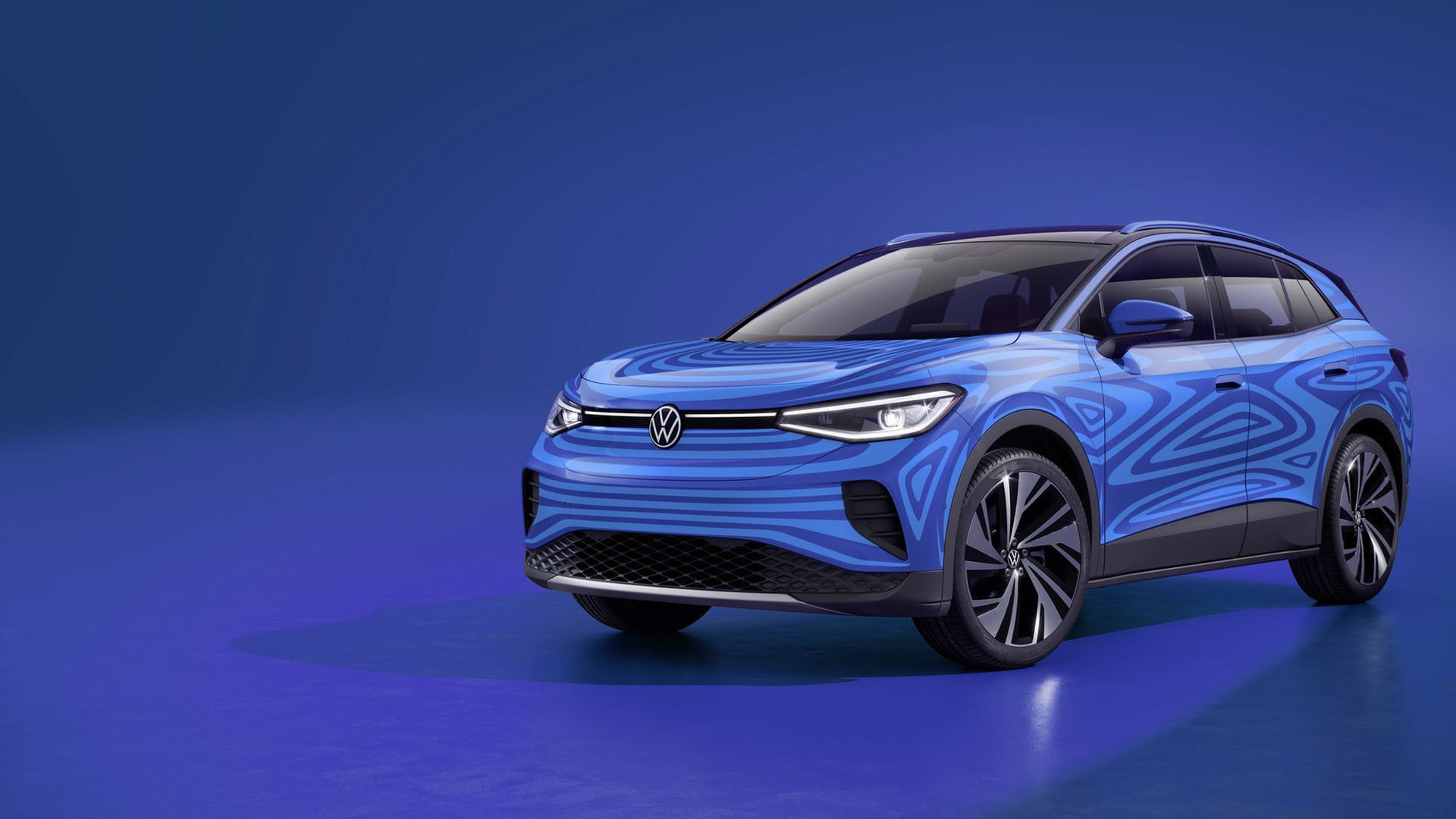
Volkswagen shared Tuesday more information and images of a small electric SUV that the automaker announced will be called the ID.4.
Why it matters, via Car and Driver: "The electric crossover will be the first vehicle on VW's MEB electric platform to make its way to the United States and will initially launch in Europe later in 2020."
Portfolio flows to emerging market assets fell to $3.4 billion last month, as equity flows were negative and debt flows fell by 60% from their January level, data from the Institute of International Finance showed.
Details: Investment in the less developed nations' securities saw a "dramatic collapse of flows in the last one-and-a-half weeks, when the increasing spread of the coronavirus rattled global financial markets," analysts said in a report.
The global manufacturing industry fell into contraction in February, largely as a result of the coronavirus outbreak, with activity in China shrinking at a record pace, dragging down the world's index.
The state of play: It was the steepest contraction since 2009, JPMorgan reported, "as demand, international trade and supply chains were severely disrupted by the COVID-19 outbreak."
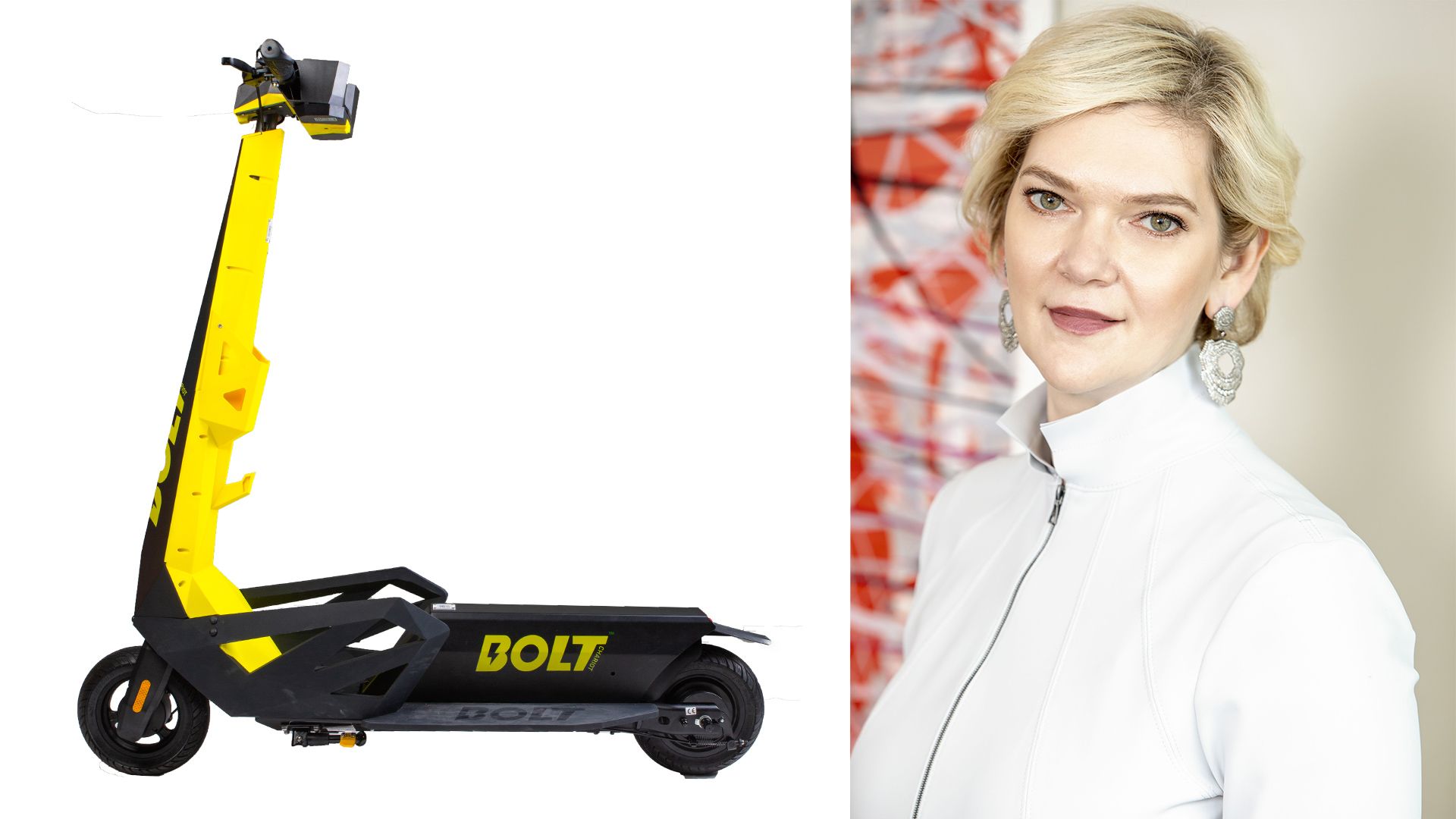
Bolt Mobility, a Miami Beach-based electric scooter company co-founded by Olympic sprinter Usain Bolt, announced Tuesday that it closed a Series A funding round, bringing total investment to $30 million at a $100 million valuation.
Why it matters: Bolt, led by former General Motors mobility executive Julia Steyn, is entering a crowded field in which many competitors are losing money and cutting back after two years of explosive growth.
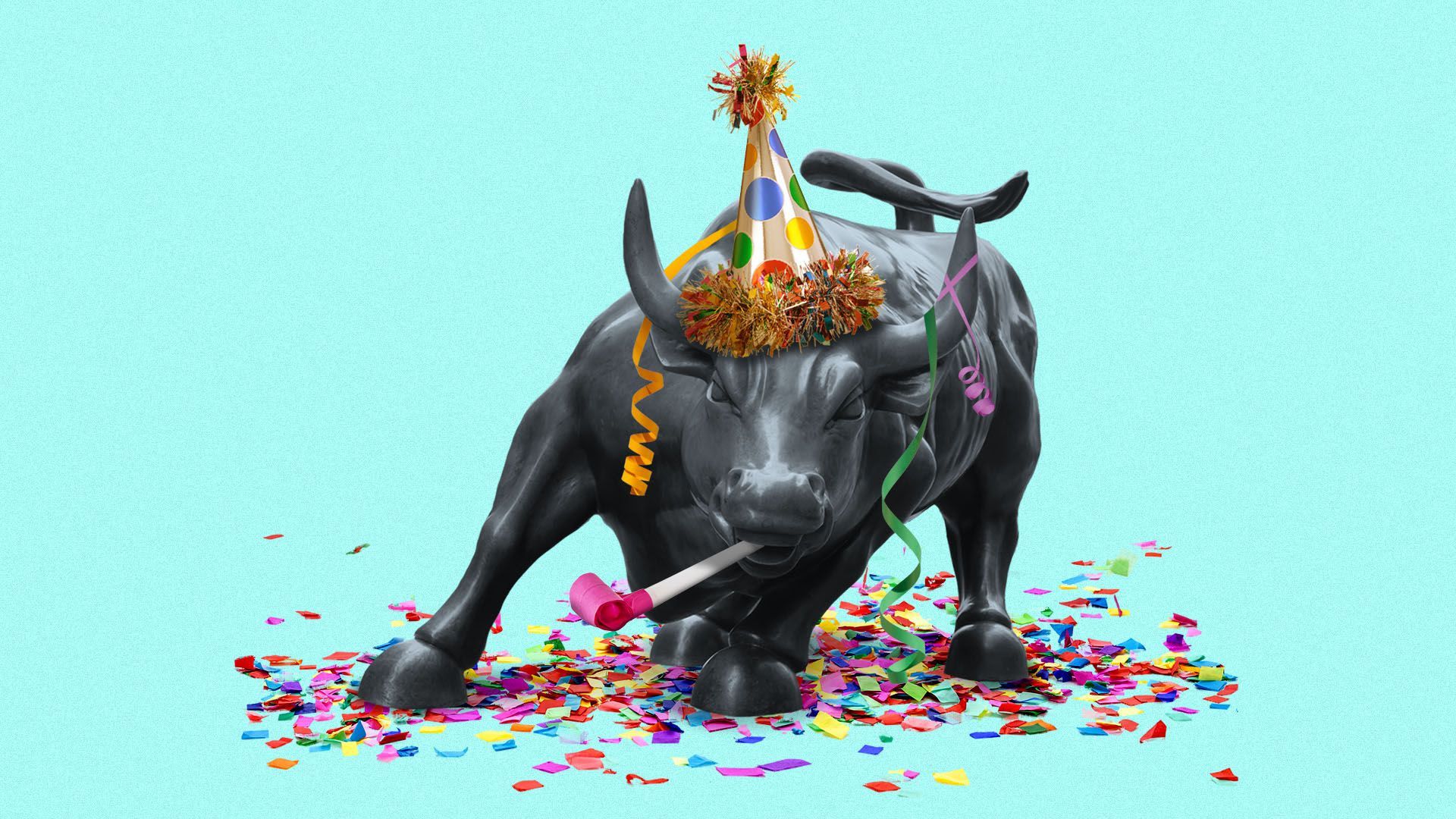
News about the coronavirus outbreak got worse on Monday, but stock traders saw a stimulus bat-signal in the sky and sent the Dow to its biggest points gain on record — 1,294 points.
Why it happened: Stock prices jumped after it was confirmed that finance ministers and central bank governors from each of the G7 countries would hold a conference call Tuesday morning, presumably to announce coordinated stimulus measures to deal with the coronavirus outbreak.
With Amy Klobuchar and Pete Buttigieg out of the 2020 U.S. presidential race, today's primaries will be a major test for Joe Biden and Bernie Sanders.
Why it matters: For the markets, Sanders' economic policy proposals and anti-Wall Street rhetoric are seen as a major potential negative for the stock market and a good showing could put him one step closer to the Democratic party nomination and the presidency.
DAZN, an international sports streaming company, said Monday that it will expand to more than 200 countries and territories this year.
Why it matters: DAZN, pronounced "da-zone," is looking to take on ESPN as a global leader in sports streaming. Its current chairman, John Skipper, is the former president of ESPN.
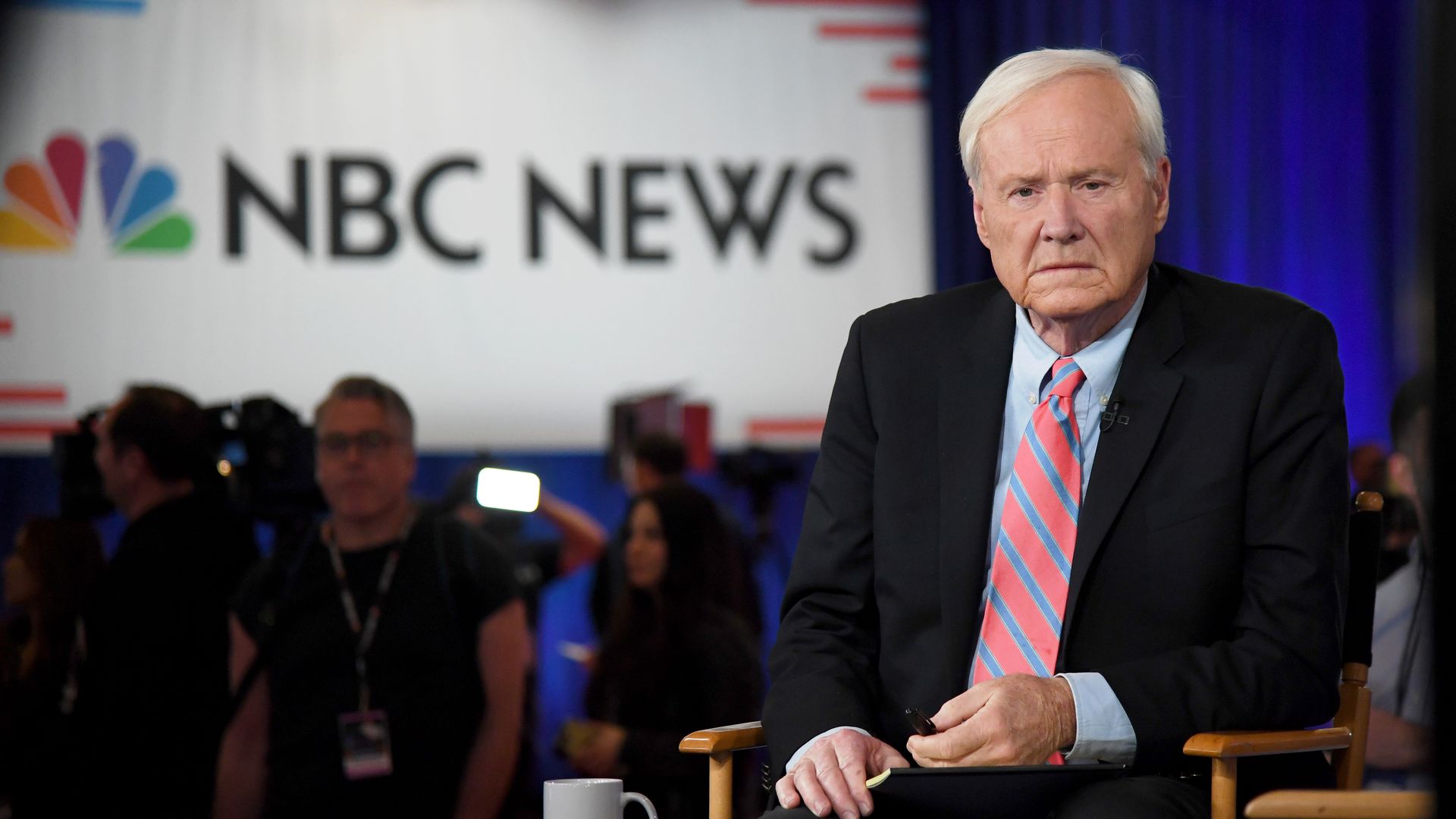
MSNBC anchor Chris Matthews has announced that he will be retiring from his signature program, "Hardball," on what will be his final show Monday night.
Why it matters: Matthews has been a stalwart of MSNBC’s political coverage for decades. His departure likely leaves an opening for a new prime time star at MSNBC.
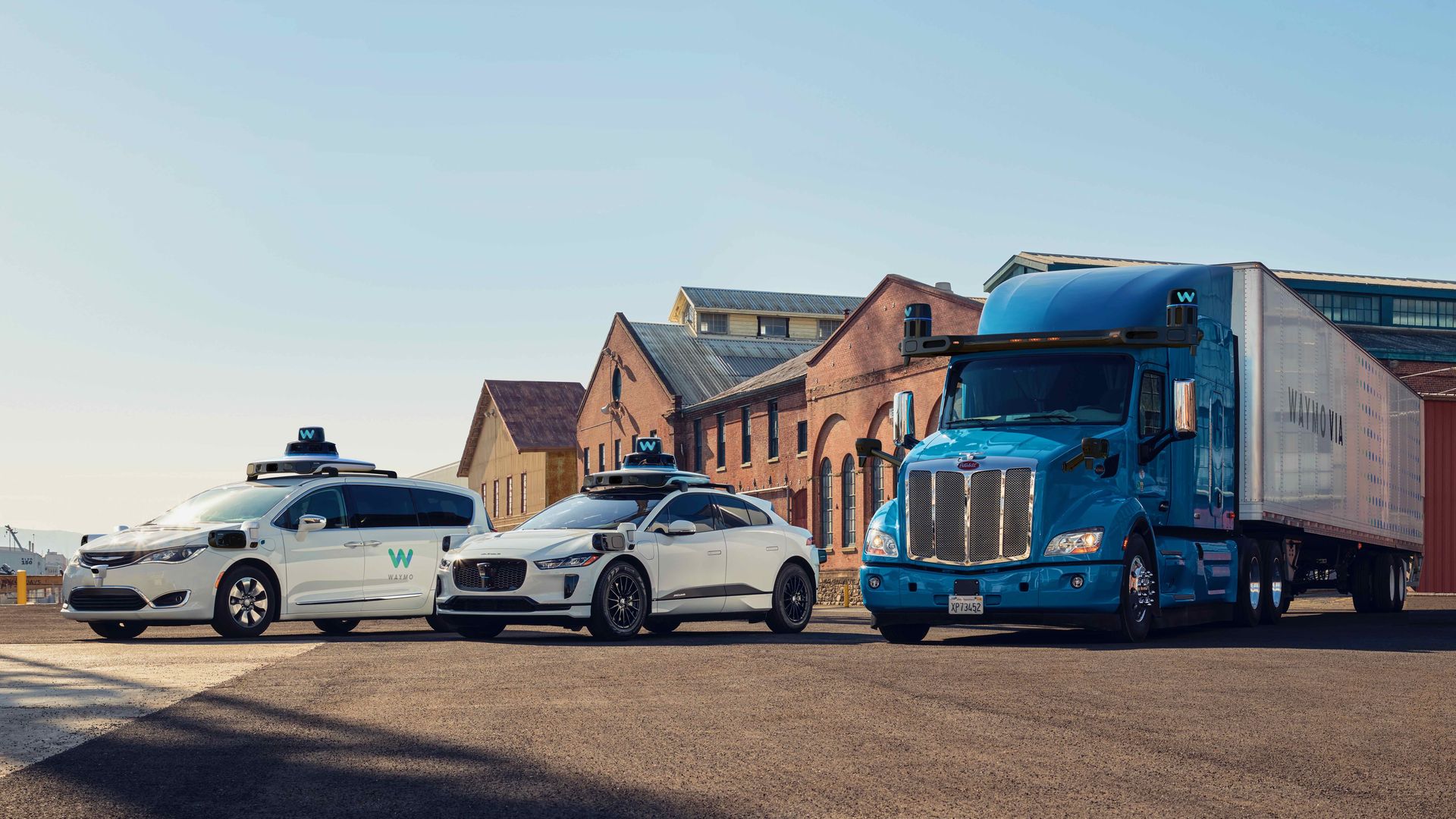
Waymo said it has raised $2.25 billion in new funding — adding its first non-Alphabet investors — and said it will likely bring in other first-round investors as its self-driving technology moves closer to commercialization.
Why it matters: It's a strong signal that these investors believe Waymo — the self-driving tech startup from Google parent Alphabet — is leading the race to bring automated vehicles to market. But it's also a reminder that the technology is incredibly expensive, and eventually, parent company Alphabet expects Waymo to stand on its own.