Viktoria Marinova, a Bulgarian journalist whose last broadcast was a report into potential fraud by companies involved in EU-funded infrastructure projects, was found dead on Saturday, reports Politico.
The big picture: Per BBC News, Marinova is the fourth high-profile journalist to be killed in the European Union since 2017. While there is no evidence to suggest her murder was connected to her work, Bulgaria is considered by Reporters Without Borders to be the worst country in the EU for press freedom.
The stock market might look as though it's effortlessly gliding to record highs, but there's a lot of turmoil right below the surface, much of it related to tensions between shareholders and management.
Driving the news: At Tesla, CEO Elon Musk seems to be constitutionally incapable of dialing down the tweets that have cost him and his shareholders billions of dollars in wealth.
The best-performing sector of the American stock market this year, bar energy, has been the "consumer discretionary" category — the companies that sell the things we like to buy but don't have to buy.
The big picture: It's also been one of the main drivers of the market as a whole. While the broad stock market is up a very impressive 332% from its 2009 lows, consumer discretionary stocks are up a stunning 630%.
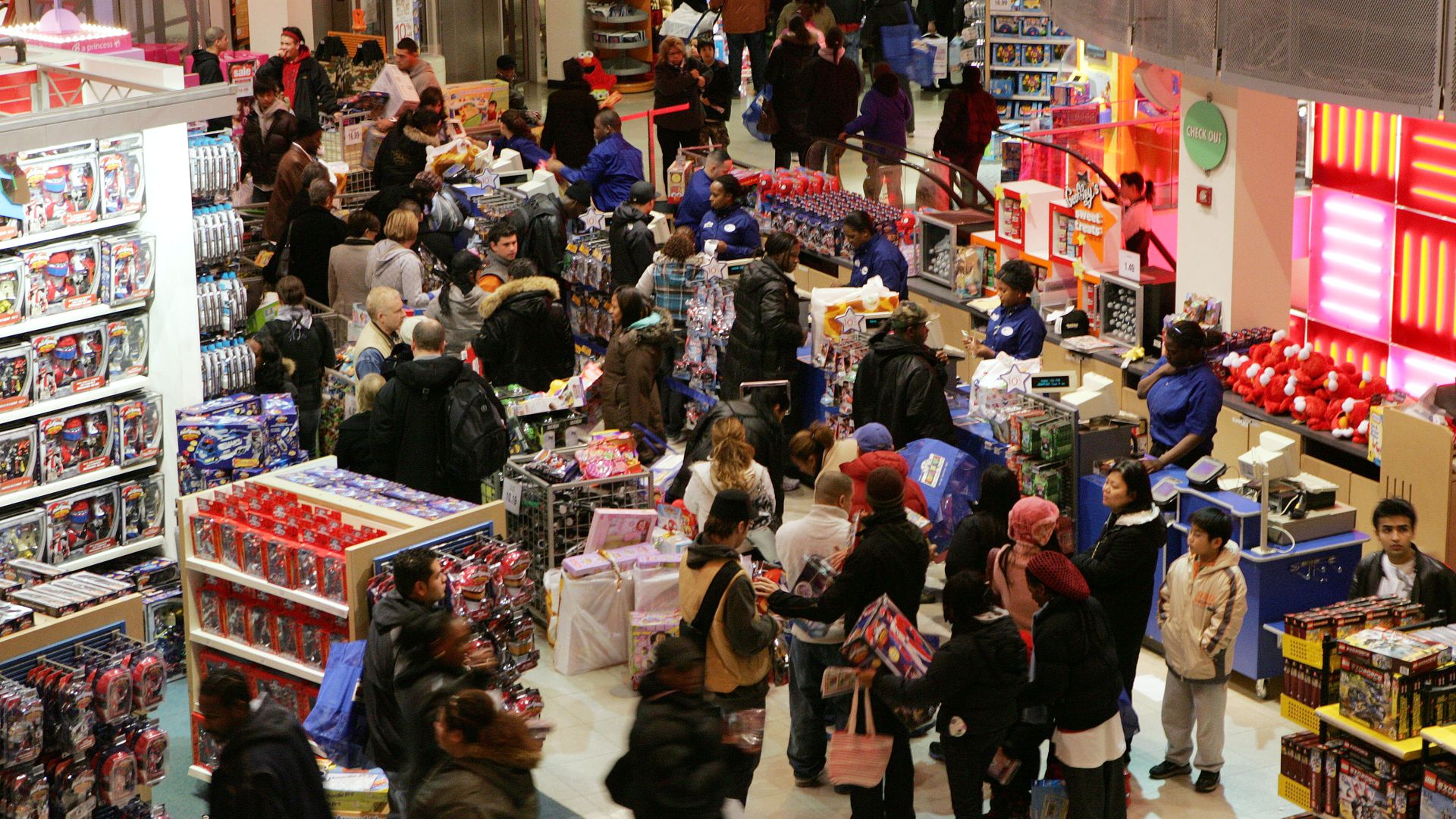
Consumers will deliver a robust holiday shopping season, thanks to a booming economy. But industry watchers forecast sales growth won't measure up to last year.
Why it matters: Consumer spending makes up a huge chunk of gross domestic product, and what they spend during November and December contributes to that. The holiday season can account for as much as 30% of retailers' annual sales, according to the National Retail Federation.
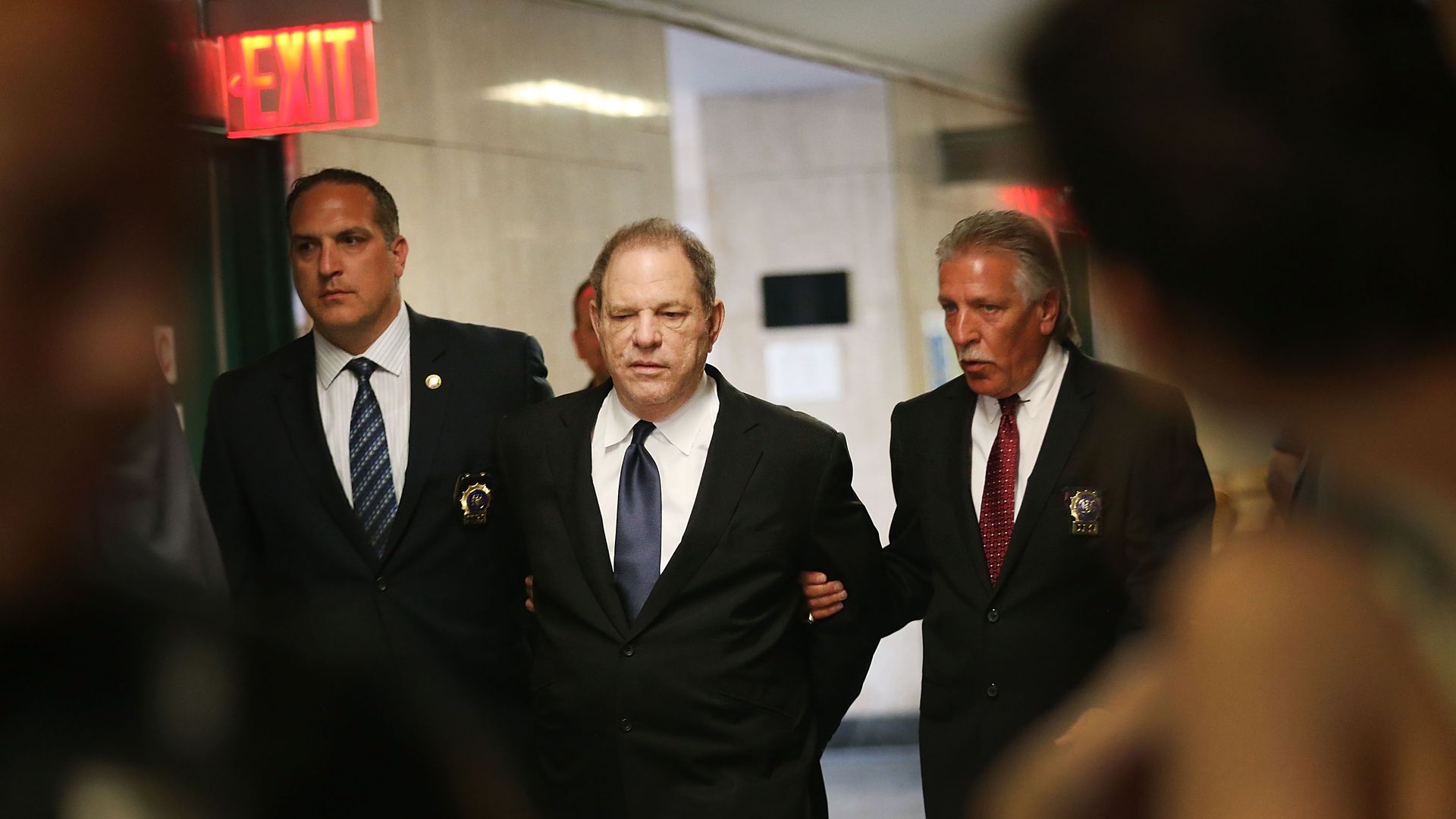
By the numbers: A task force led by Los Angeles County District Attorney Jackie Lacey has pursued charges against 22 entertainment figures, including actor Kevin Spacey and former CBS CEO Les Moonves. Sixteen of the cases have been closed, largely due to the age of the allegations, while six remain open.
Sen. Susan Collins told CNN's State of the Union Sunday that she initially thought Brett Kavanaugh would have to withdraw after hearing Dr. Christine Blasey Ford's "compelling and painful testimony," but she changed her mind when Kavanaugh came back with a "forceful" denial.
The big picture: Collins reiterated that she believed Ford was assaulted by someone and that it upended her life, but she said doesn't believe the assailant was Brett Kavanaugh. Collins said her decision to vote for Kavanaugh was driven by her belief in the American legal system of "presumption of innocence and fairness."
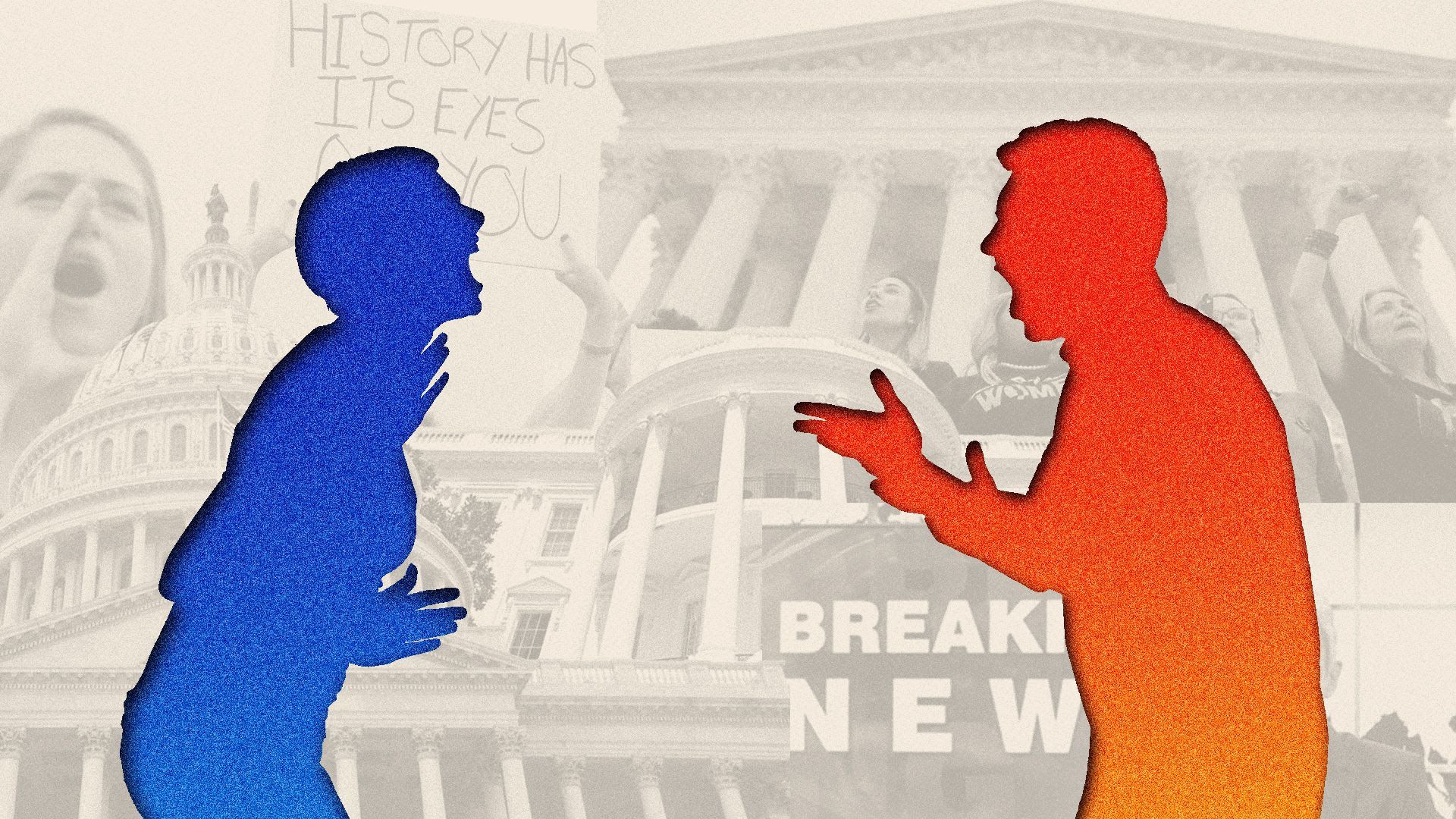
It's going to get worse. Virtually every major American institution is being radicalized — or being reshaped by the radicalization of our public lives.
You see this most vividly in politics, where the White House and Congress are often the cause and effect of the radicalization. You now see it in the courts and the Supreme Court, in particular, where a narrow, party-line vote made Brett Kavanaugh the next justice after a nasty, personal political brawl. Already, lawyer Michael Avenatti is calling for a new Democratic litmus test: increasing the size of the court to 11 from nine.
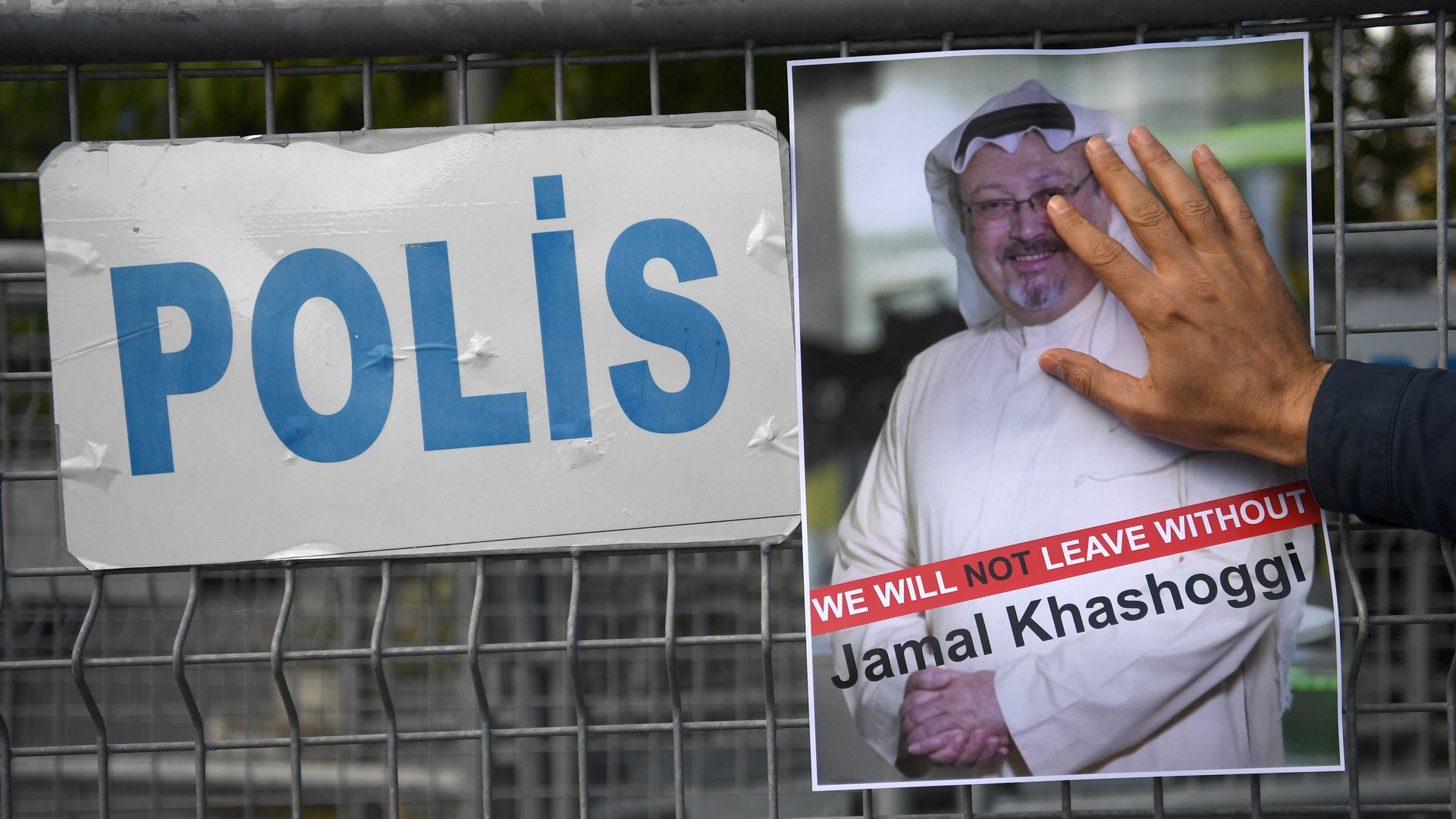
Turkish investigators have concluded that Jamal Khashoggi, a well-known Saudi journalist who has been missing since October 2, was murdered in a pre-planned attack inside the Saudi consulate in Istanbul, reports the WashPost.
The details: Khashoggi reportedly entered the consulate last week to retrieve marriage documents but never emerged, leaving his fiancé waiting for hours before she called the police. Khashoggi was a high-profile critic of Saudi Crown Prince Mohammad Bin Salman, whose liberalization of Saudi Arabia has been coupled with a harsh crackdown on dissidents and political rivals. The Saudis have denied the allegations and insist that Khashoggi left the consulate shortly after he arrived.
Jobless black people are taking full-time work at a higher rate than unemployed whites, amid a more favorable economy for a population whose prospects have historically been dimmer than for other races.
Why it matters: The data, reflected in the chart above, suggest a greater willingness by jobless black people to accept relatively low wages, while many whites continue to sit out the sizzling economy.