President Trump tweeted his decision to not endorse the commitment with fellow G7 nations, just hours after Canadian Prime Minister Justin Trudeau announced that all seven countries had signed the agreement, despite trade tensions.
No single shot in President Trump’s trade wars matters much. But the wild, simultaneous spraying of shots at a half dozen U.S. allies — unprecedented in modern America — is changing the balance of trade politics and power before our eyes.
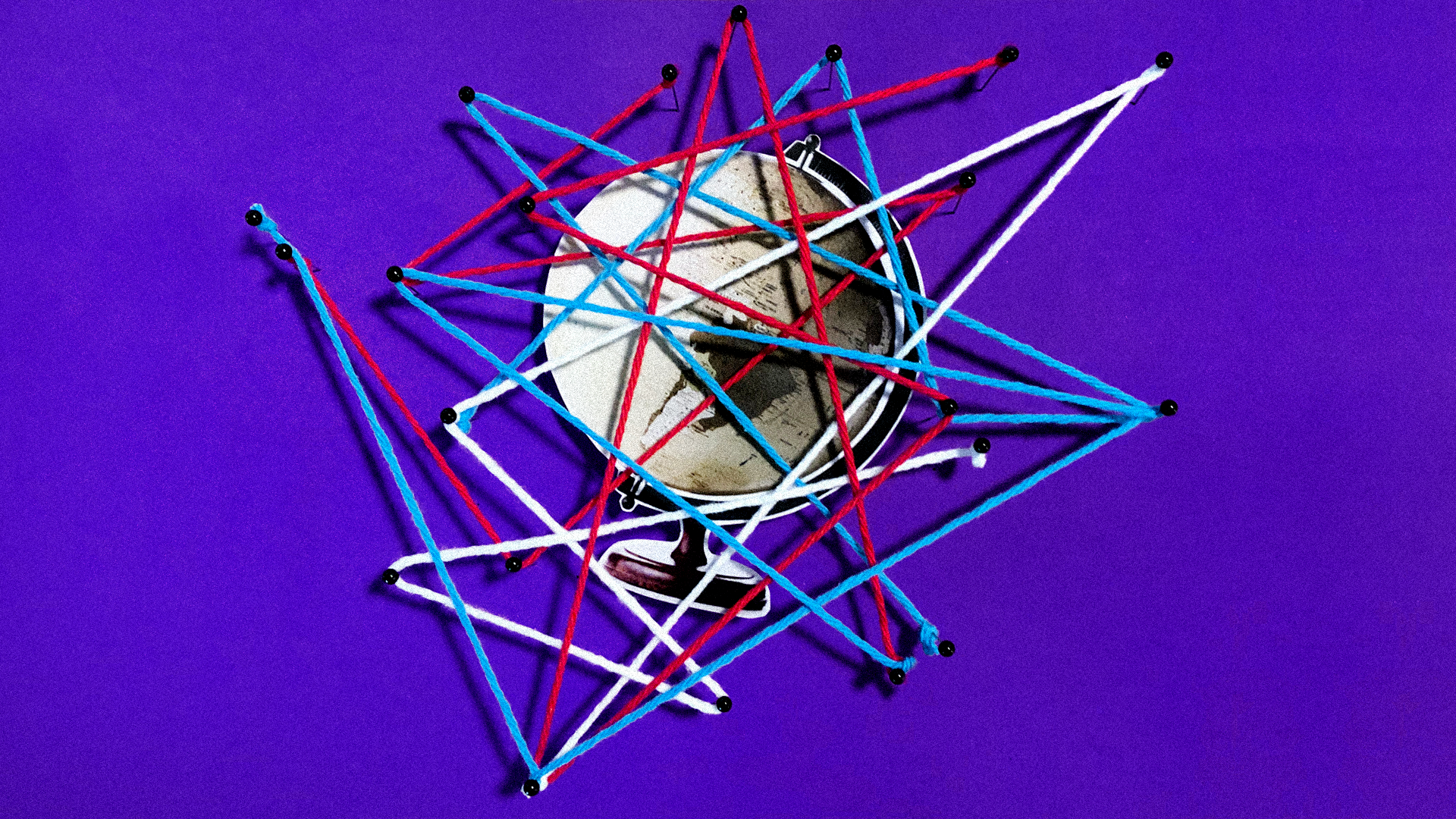
President Trump didn't start a single trade war — he started at least four, all by choice:
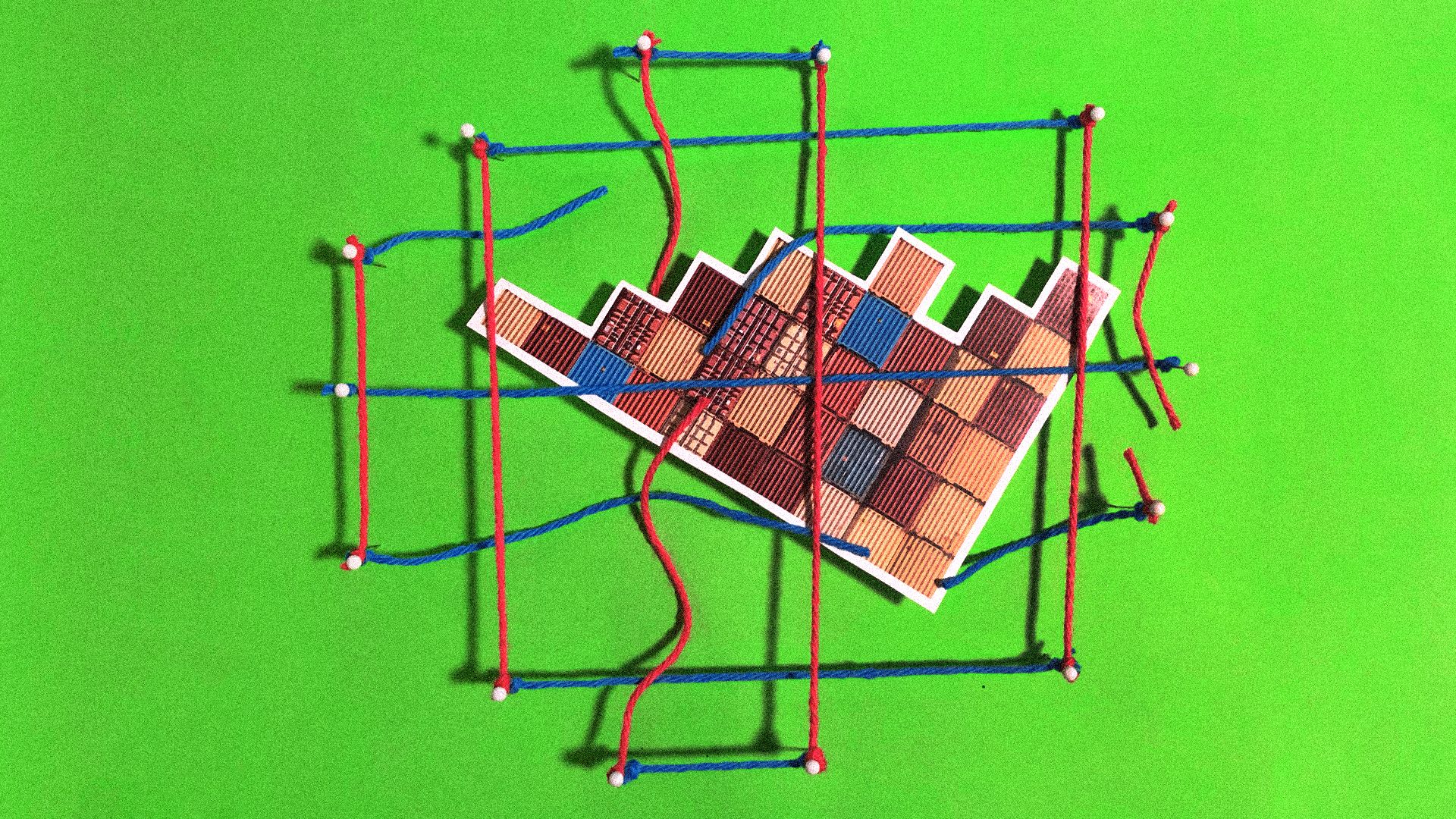
President Trump is obsessed with the trade deficit — it's often the only number he requests and the only number he mentions. But the vast majority of economists agree the number is a misleading indicator of whether the United States is getting the better of any trade deal.
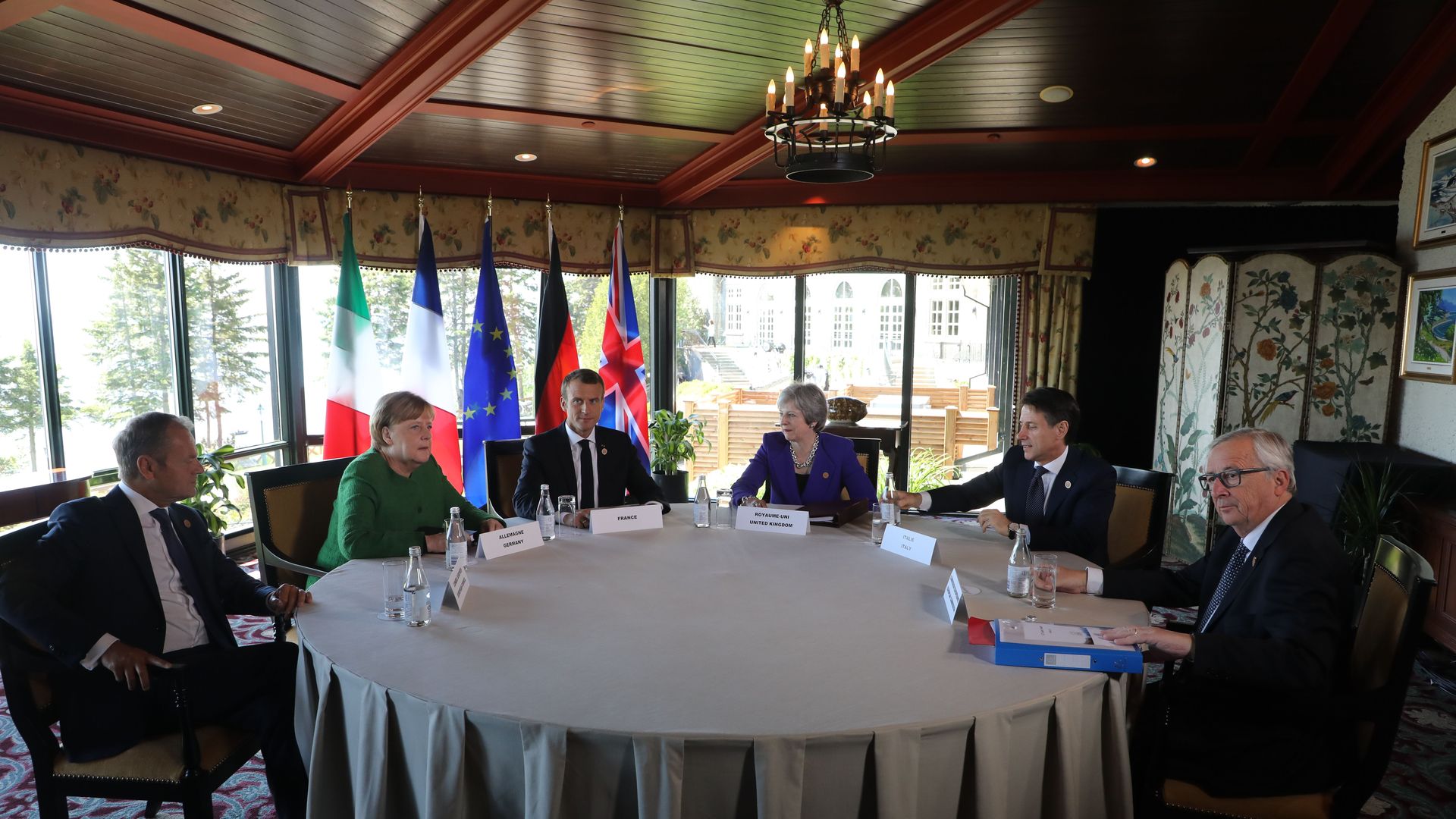
As G7 leaders gather in Quebec, the U.S. is on a collision course with the 6 other members over it the Trump administration’s decision to impose tariffs on steel and aluminum producers in Europe, Canada and Japan.
Why it matters: The prospect of growing U.S. isolation has not deterred President Trump, who will likely use the summit to push his unilateral, economic nationalist trade agenda even harder. The optics of doing so while simultaneously cutting a deal with ZTE, the Chinese technology giant suspected of posing a national security threat to the U.S., add to allies’ sense of victimhood.
Worried that President Trump is embarking on a global trade war, U.S. allies and adversaries alike are turning to the World Trade Organization to mediate — and getting nowhere.
The big picture: The WTO has no track record of dealing effectively with intellectual property theft or state-run corporations — two of the biggest modern trade obstacles — and takes months to resolve disputes at a time when the trade landscape shifts on a daily basis, according to trade experts.
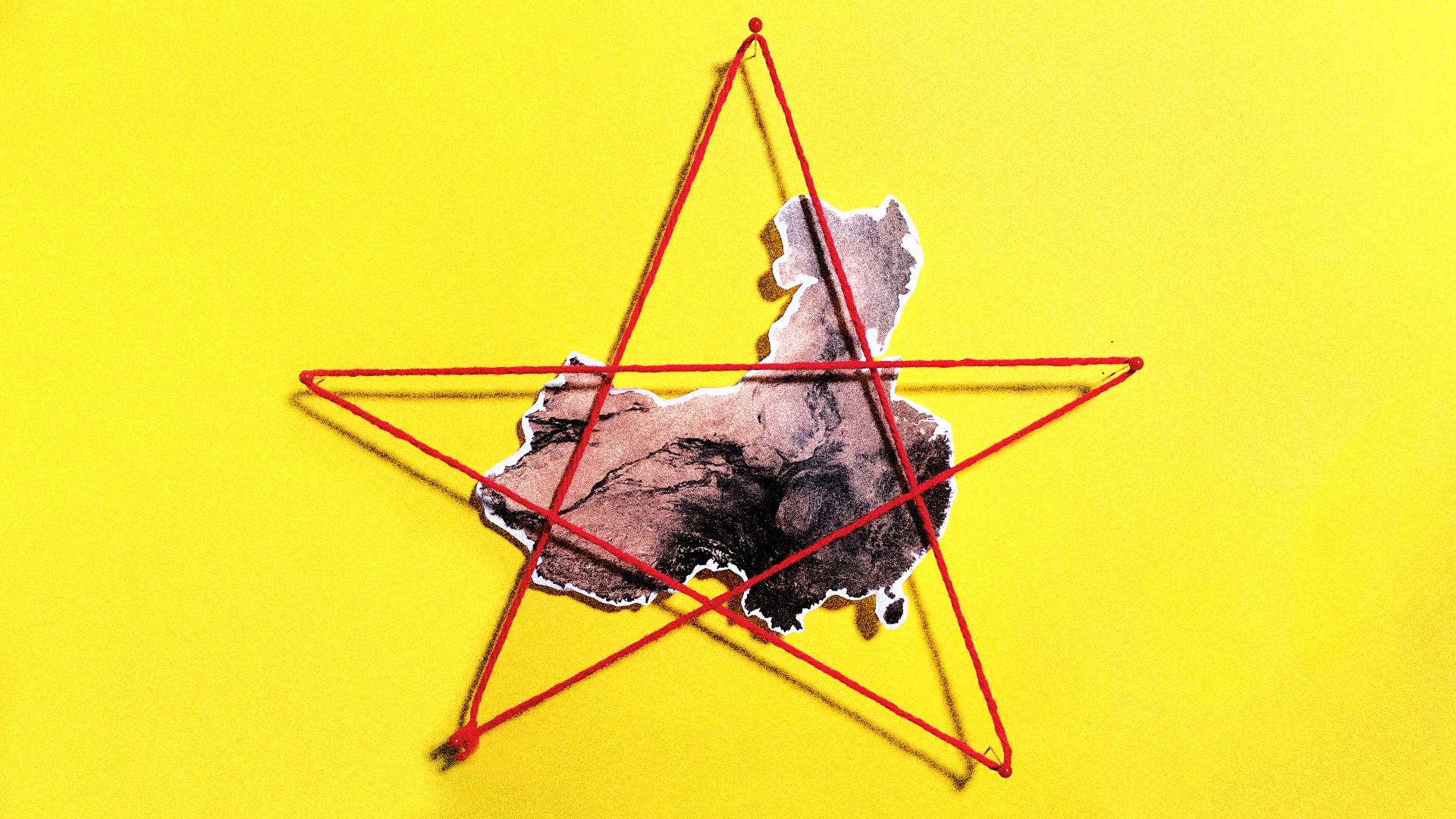
While the U.S. is consumed by its own political chaos, China is filling the global power vacuum.
The big picture: When the U.S. touts America First, China ends up being the defender of globalization, and Beijing uses that message to try to pick off U.S. allies for itself.
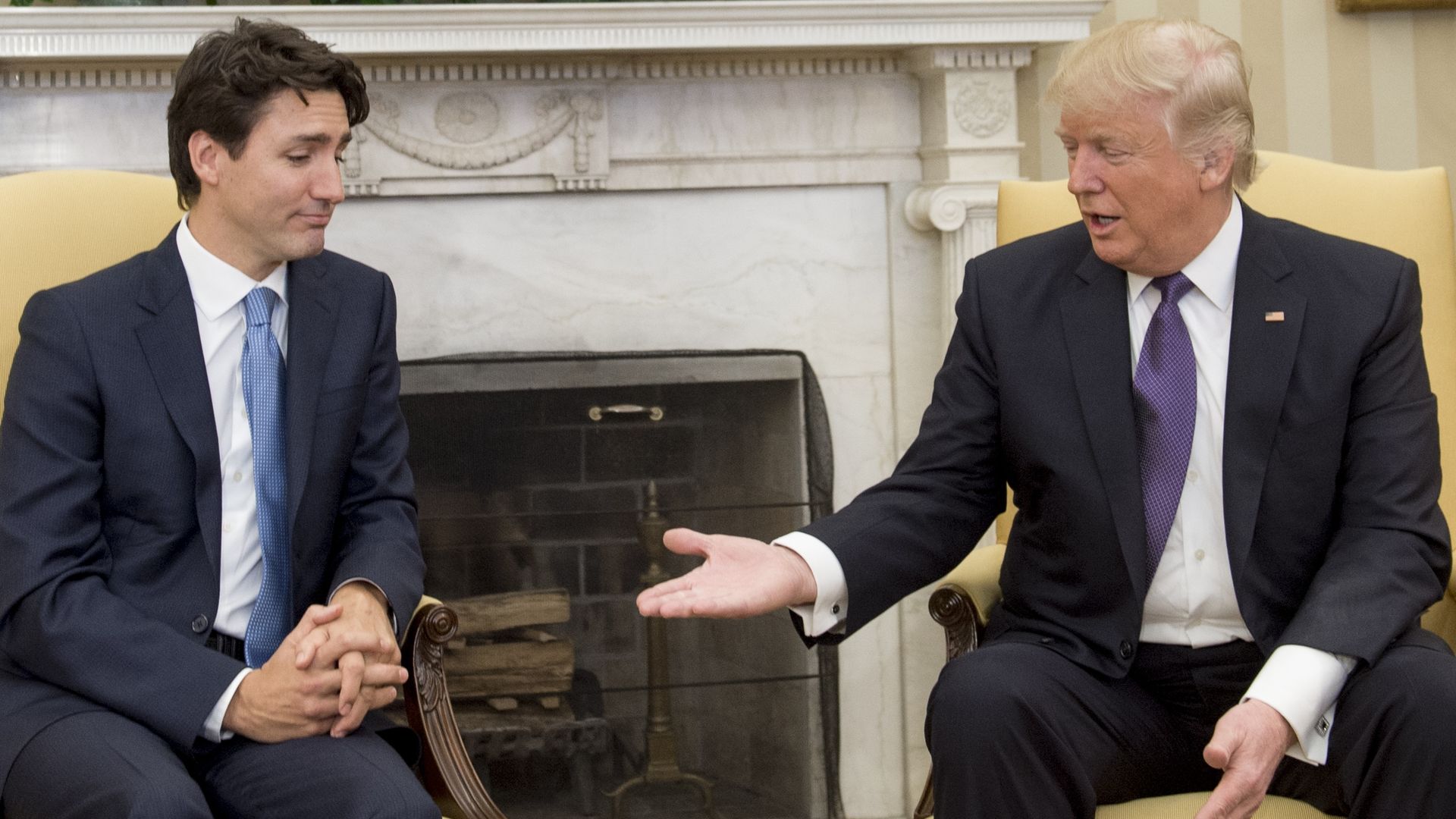
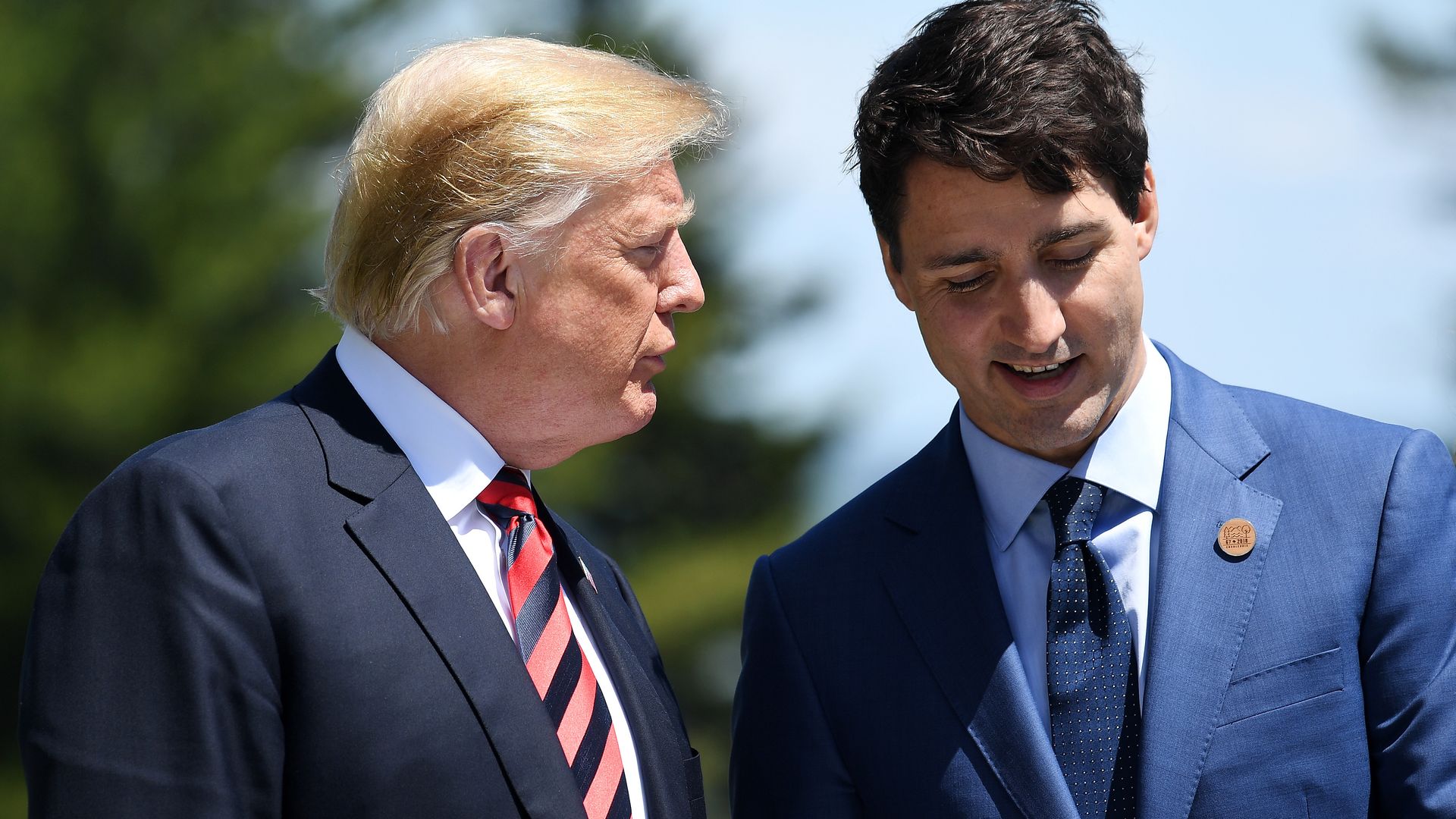
President Trump and Canadian Prime Minister Justin Trudeau sat down on Friday as the G7 summit kicked off in Quebec, Canada.
The big picture: The relationship between the two neighboring leaders has grown increasingly strained recently, after Trump announced tariffs against Canada, and Trudeau retaliated. Just a day before, Trudeau spoke out against Trump's decision, but on Friday Trump said the "relationship is probably as good, if not better than it's ever been."
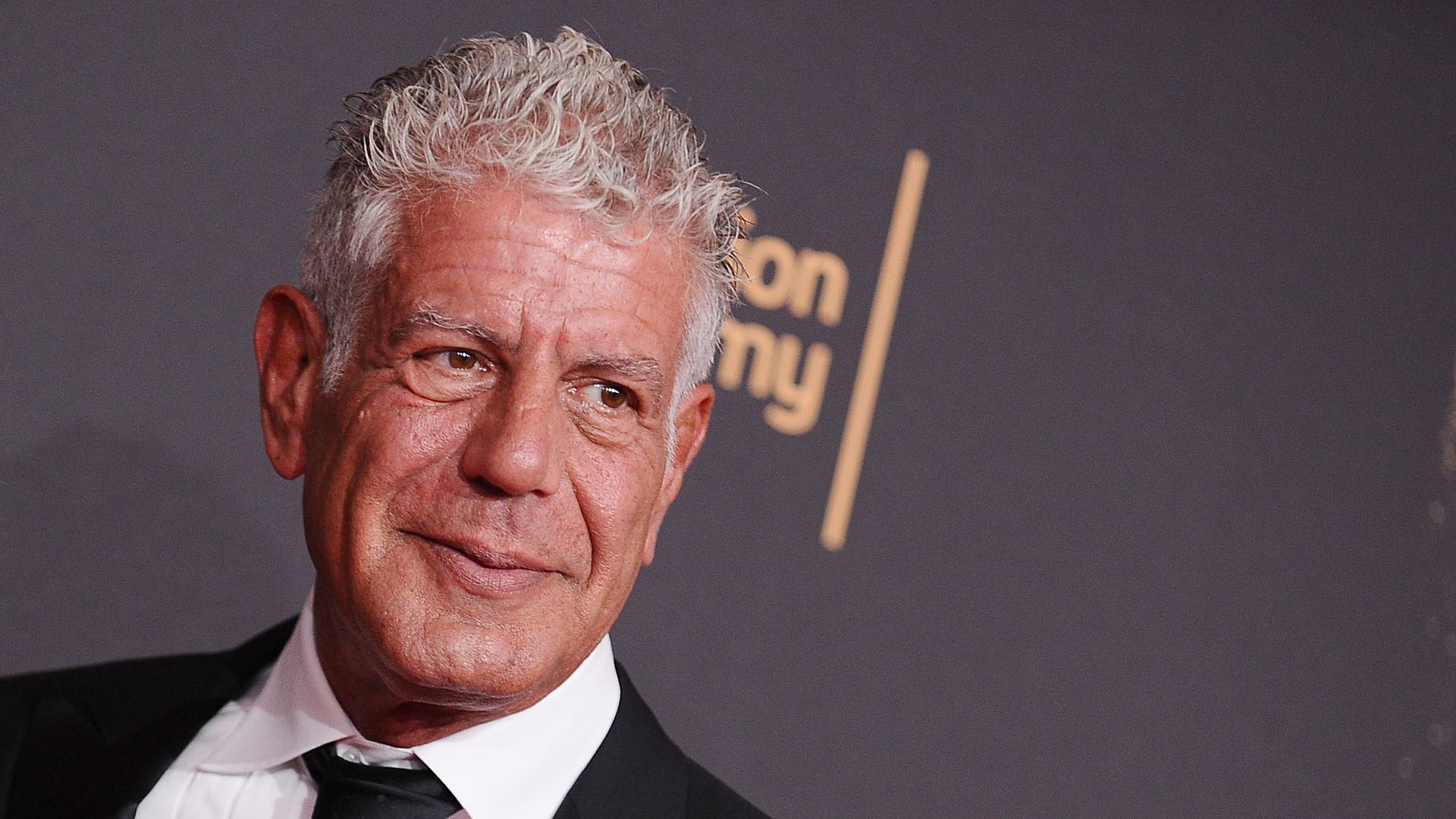
Celebrity chef, author, and television personality Anthony Bourdain has died at 61 of apparent suicide, his network CNN reported in a statement read on-air Friday morning.
"It is with extraordinary sadness we can confirm the death of our friend and colleague, Anthony Bourdain. His love of great adventure, new friends, fine food and drink and the remarkable stories of the world made him a unique storyteller ... Our thoughts and prayers are with his daughter and family at this incredibly difficult time."
— Statement from CNN
The National Suicide Prevention Lifeline phone number is 1-800-273-8255.
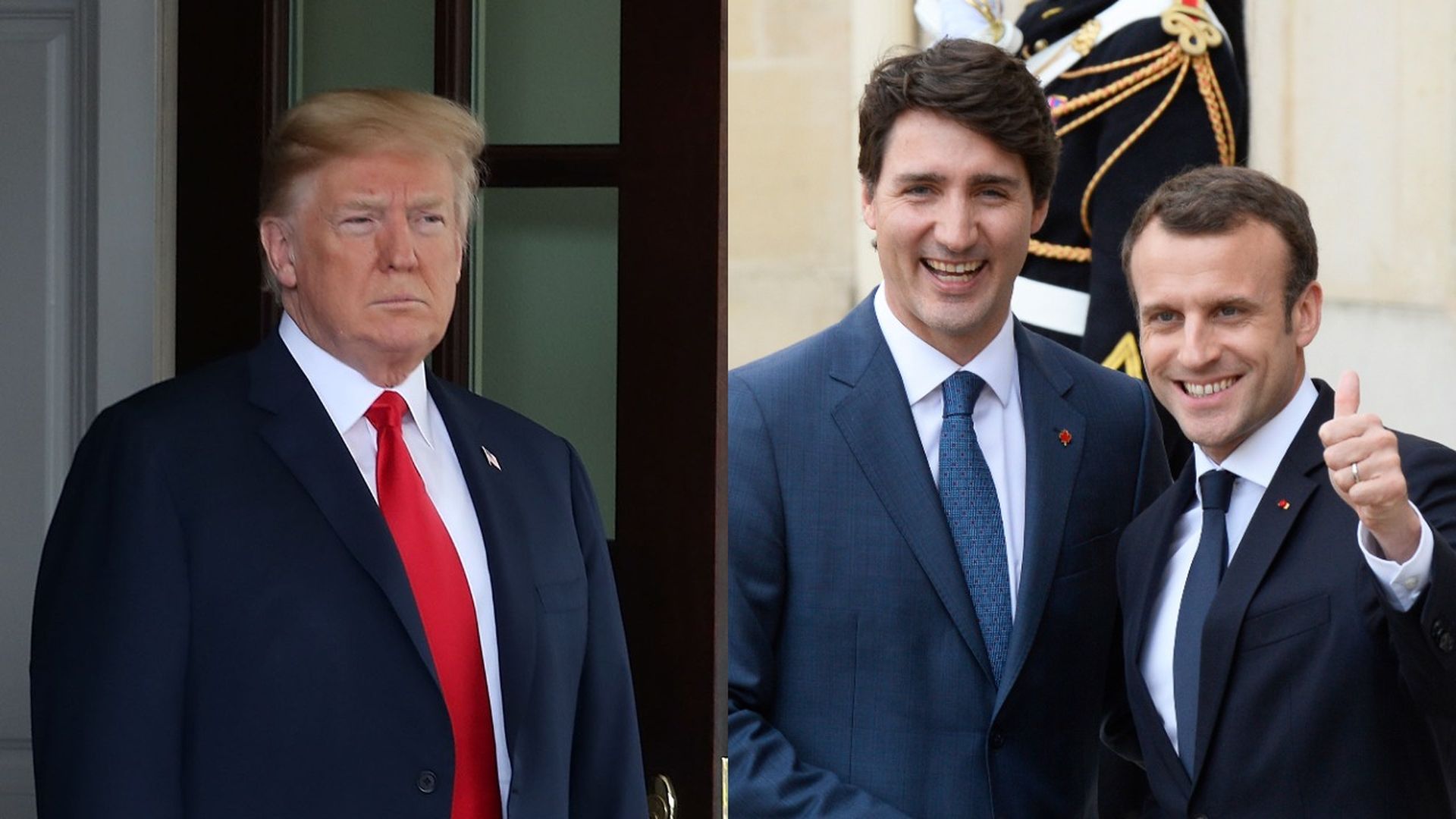
President Trump is facing off with two close allies — Canadian Prime Minister Justin Trudeau and French President Emmanuel Macron.
The big picture: Since Trump announced tariffs on the two countries, both leaders have spoken out against the president and announced retaliatory tariffs against the U.S. Trudeau and Macron met this week ahead of the G7 summit to strengthen their relationship, and took turns criticizing Trump's trade moves at a joint press conference.