Saturday's economy stories

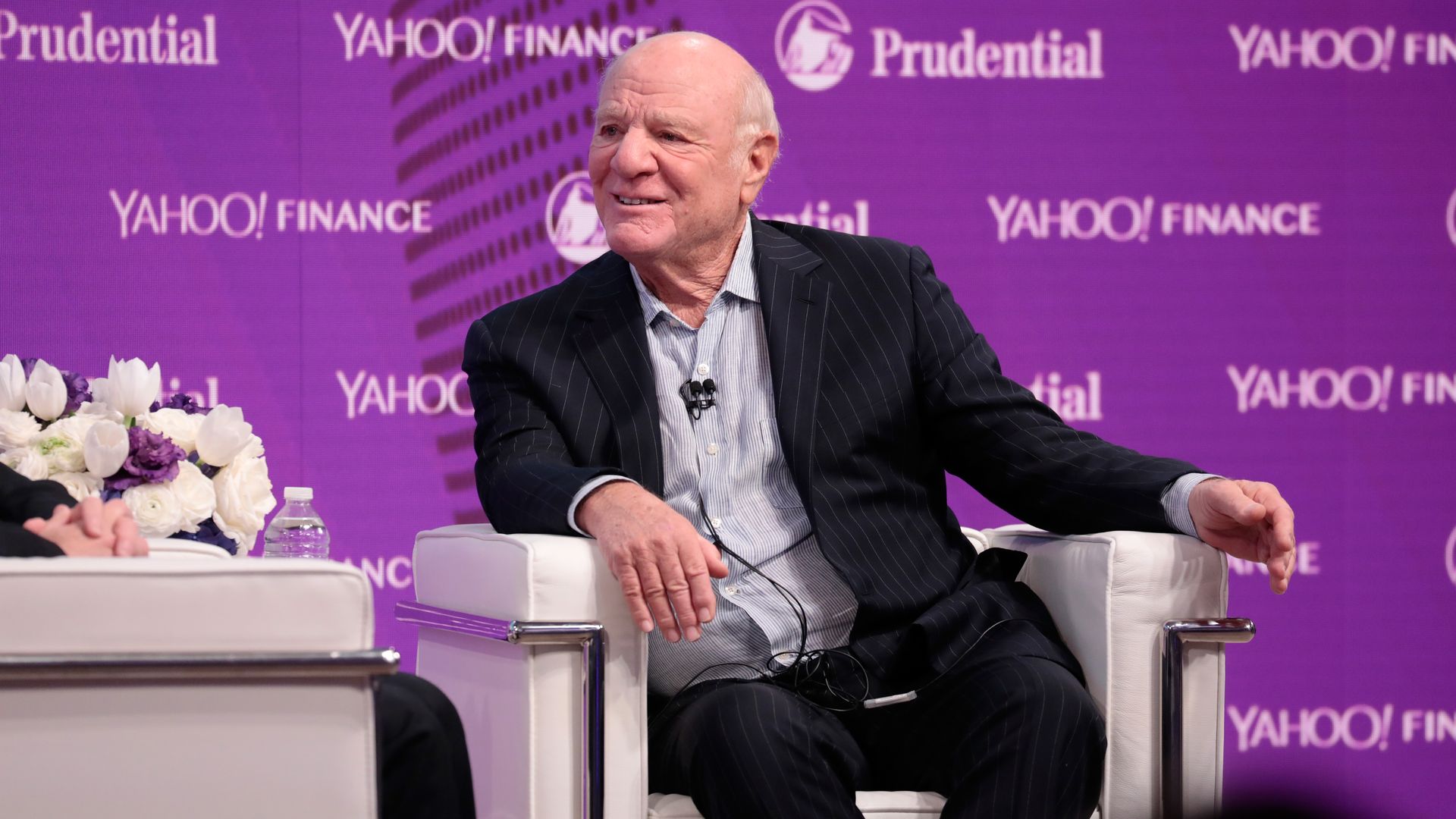
Media tycoon Barry Diller talks #MeToo
Barry Diller, chairman of mega-media and internet company IAC, told the New York Times he thinks "all men are guilty," when it comes to "the spectrum" of the #MeToo movement. Per NYT, Diller said:
"I hope in the future for some form of reconciliation. Because I think all men are guilty. I’m not talking about rape and pillage. I’m not talking about Harveyesque. I’m talking about all of the spectrum. From an aggressive flirt. Or even just a flirty-flirt that has one sour note in it. Or what I think every man was guilty of, some form of omission in attitude, in his views."
Why it matters: The #MeToo movement has rocked Hollywood and the media industry. Diller told NYT he sees the effects of this "in our companies, where the relationships between people are changing."

America's delayed backlash to globalization
The backlash to globalization is coming "at exactly the wrong time," the New York Times reports.
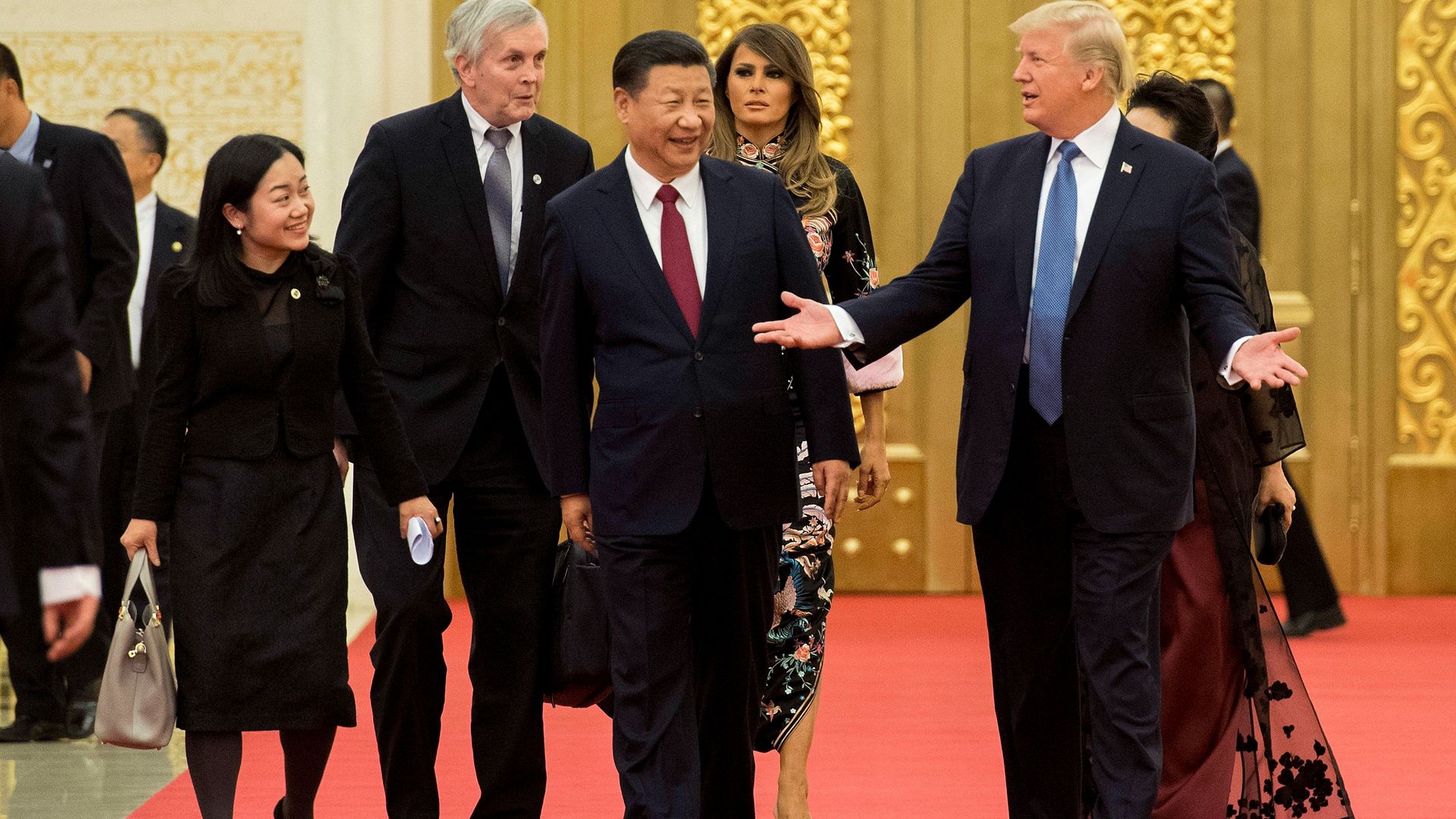
Why it matters: President Trump's new tariffs, on steel and aluminum and most recently against China, are working to "re-set the terms of the global economy," the NYT reports. But the globalization the world is seeing today is not focused on goods and services, but "greater connectivity and communication."
Smarter Faster Revolution: Howard University
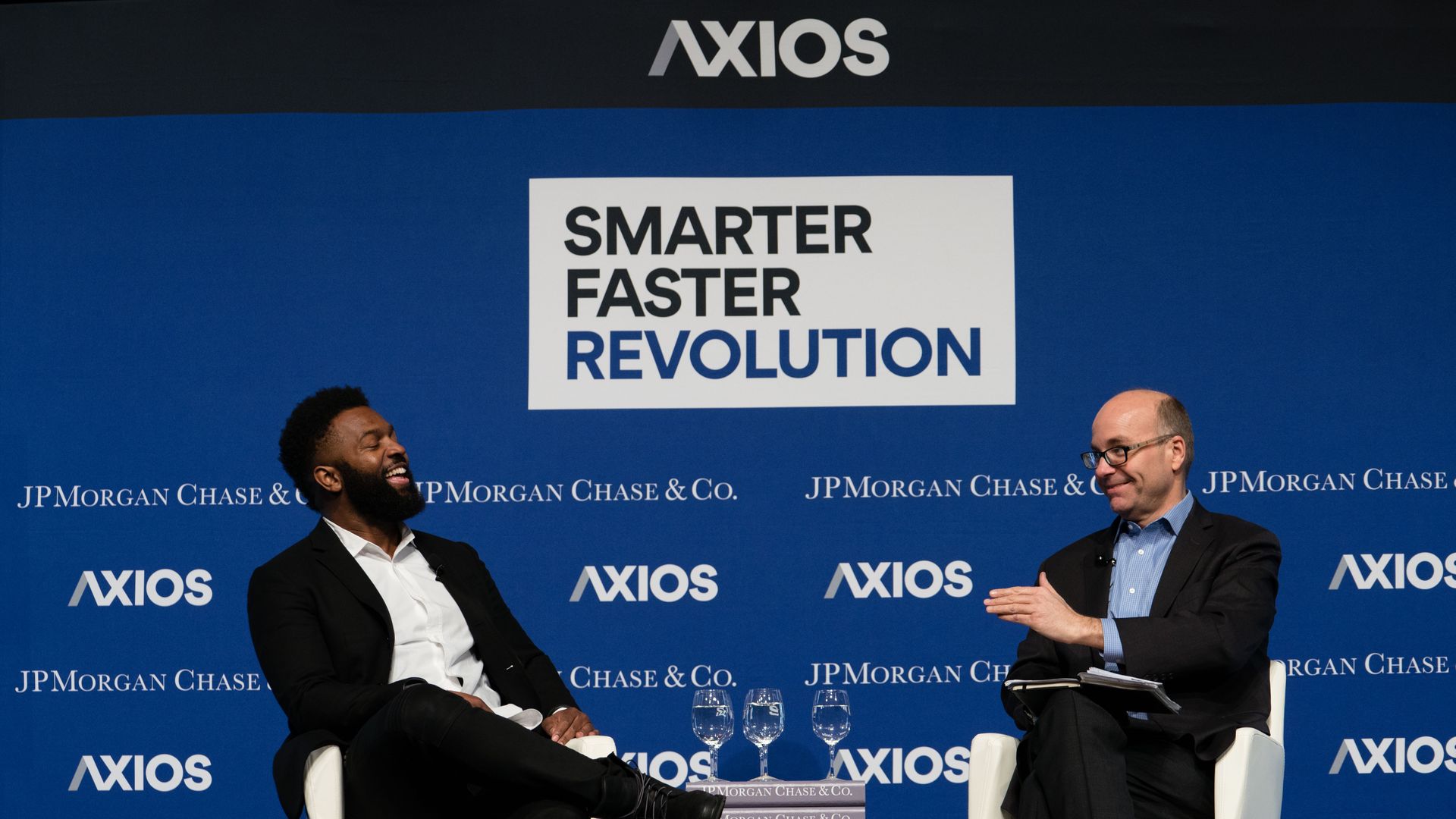
On Wednesday, Howard University students spent their snow day getting smarter faster with Axios and JPMorgan Chase & Co. Axios' Mike Allen explored how diversity & inclusion, tech & innovation, media, and privacy will affect the future of work for soon-to-be college graduates. He dove in with:
- Mr. Ali Velshi, Co-Host "Velshi & Ruhle", MSNBC
- Mr. Steve Case, Chairman and CEO, Revolution/Co-Founder, America Online
- Mr. Baratunde Thurston, Futurist comedian, Writer & Activist
- Mr. Jamie Dimon, Chairman and CEO, JPMorgan Chase & Co.
Diversity & Inclusion

The importance of inclusive innovation, according to Case: ""Even though this is a great entrepreneurial nation, it does matter where you live, what you look like, who you know...we’re trying to figure out ways to level that playing field."

Dimon on JPMorgan Chase & Co.'s inclusion efforts: "We started entrepreneurs of color funds based on the fact that people of color aren't afforded the same amount of opportunities. We're looking to make a difference."
Tech & Innovation

What Baratunde Thurston learned during his social media cleanse: “We have made a linguistic choice to describe what we do with technology as ‘connectivity,’ but we have lost so much human connection."
We should focus on pushing innovation in cities that tend to be left behind [like] DC, Detroit, New Orleans.— Steve Case, Chairman and CEO, Revolution/Co-Founder, America Online
The Media

"It used to be that there was shame preventing you from lying to a reporter...it doesn’t matter that you’ll be found out now, what matters is that you get to tell people that you fought the good fight. Everyone has their own truth.— Ali Velshi, Co-Host"Velshi & Ruhle", MSNBC
On privacy

Jamie Dimon's thought bubble: "This privacy issue is a a big deal. I don’t buy this idea that millennials don’t care. Millennials don’t know. We took out all the contracts, laid them out…every time you push that 'I agree,' you have know idea what you agree to."
“We co-signed to the largest information gathering system in exchange for birthday reminders."— Baratunde Thurston, Futurist comedian, Writer & Activist
Why it matters: Dimon and Thurston's comments came on the heels of the Facebook data scandal that revealed Cambridge Analytica, which did work for the Trump campaign, gathered the data on millions of Facebook users.
Other Highlights


Jazmin Goodwin, who is the Editor-in-Chief of Howard University's student newspaper (and an Axios intern!), discusses her career ambitions and what Howard has meant to her. "Howard chose me, and the great gift that it has given me is identity," she said.

Two more pieces of inspiration/advice from our Smarter Faster thought leaders:
“It always seems impossible until it happens. For me it was the internet. For you, it could be healthcare. If you do persevere, you have the opportunity to change the world.— Steve Case, Chairman and CEO, Revolution/Co-Founder, America Online
"Take care of yourself. Your mind, body, spirit and soul. Take care of your friends and your family because companies cannot do that for you."— Jamie Dimon, Chairman and CEO, JPMorgan Chase & Co.

Thank you to the Howard students who joined us!
Our next stop is the Ohio State University, with Mark Cuban and Governor John Kasich. See you there.

Target and Kroger ride stock roller-coaster
Stock shares in Target and Kroger surged on Friday morning, after Fast Company reported that the two companies were in talks about a possible merger. But then they pulled back, after CNBC reported that the discussions only were about a strategic partnership with Shipt, the same-day delivery service Target recently bought for $500 million.
Why it matters: Investors got excited by the idea of Target and Kroger joining forces, because that could give both companies a better shot of competing with giants like Amazon and Wal-Mart.


Where Trump's steel and aluminum trade war will hit first


The Trump administration has begun imposing tariffs on imports of steel and aluminum, but several countries are exempted temporarily until May 1, as shown in the chart above. The administration may still apply quotas on exempted countries to prevent a flood of foreign steel and aluminum in the U.S. market, per the White House.
Why it matters: After railroading past a number of his advisors, Trump announced the tariffs on imports of steel (at 25%) and aluminum (at 10%) earlier this month, citing national security concerns. But with the exemption noted above, the tariffs won't carry major bite, at least to start.

Pivotal files for IPO, as Dell looks to reduce debt
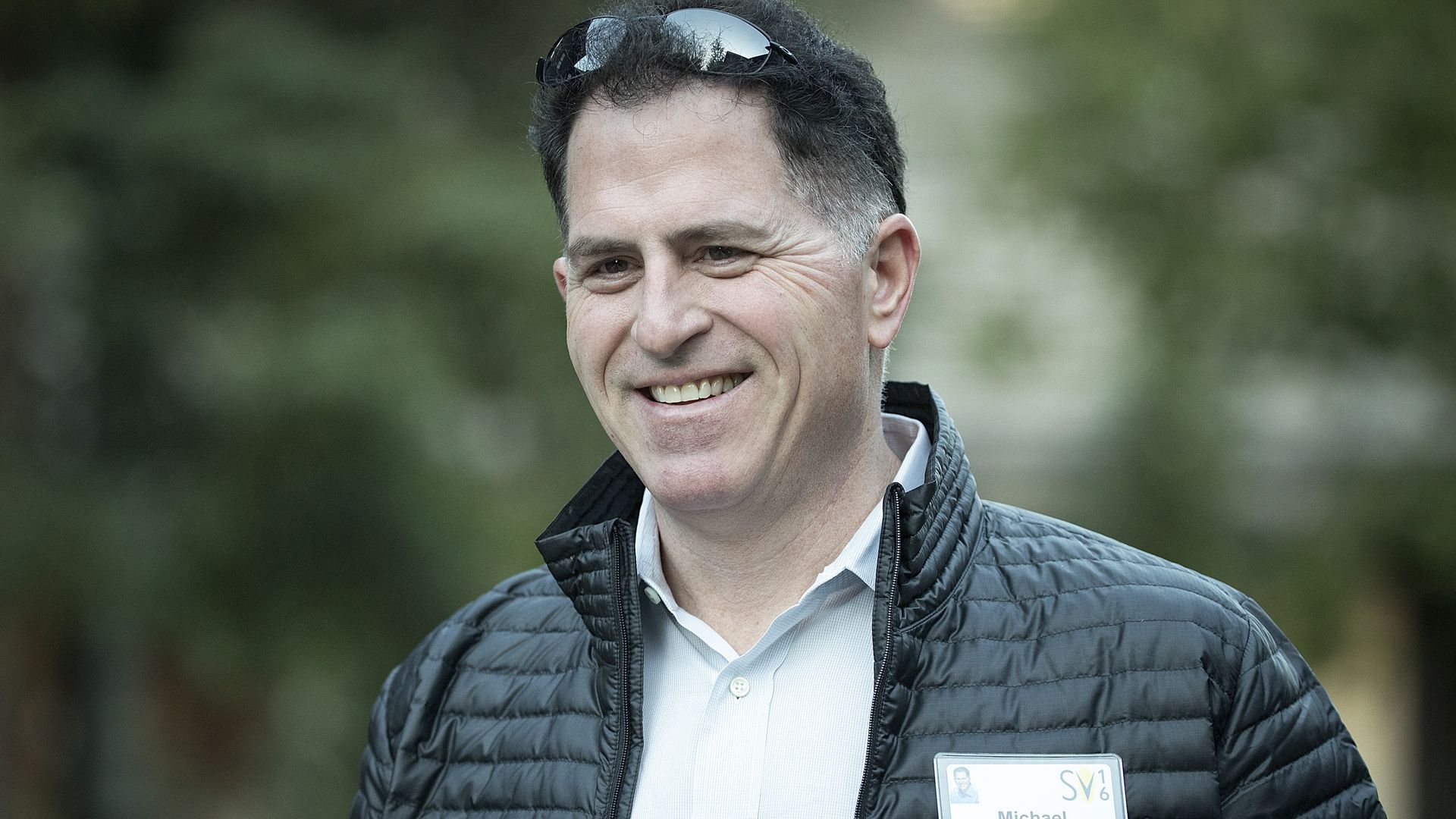
Pivotal Software on Friday filed for an IPO, reporting a $164 million net loss on $504 million in revenue for its most recent fiscal year.
Bottom line: Pivotal is majority owned by Dell Technologies, and this is Dell's first big step toward reducing its massive debt-load. Subsequent steps may include buying the rest of VMWare and/or Dell itself filing to go public.

Dropbox CEO Drew Houston on the decision to IPO
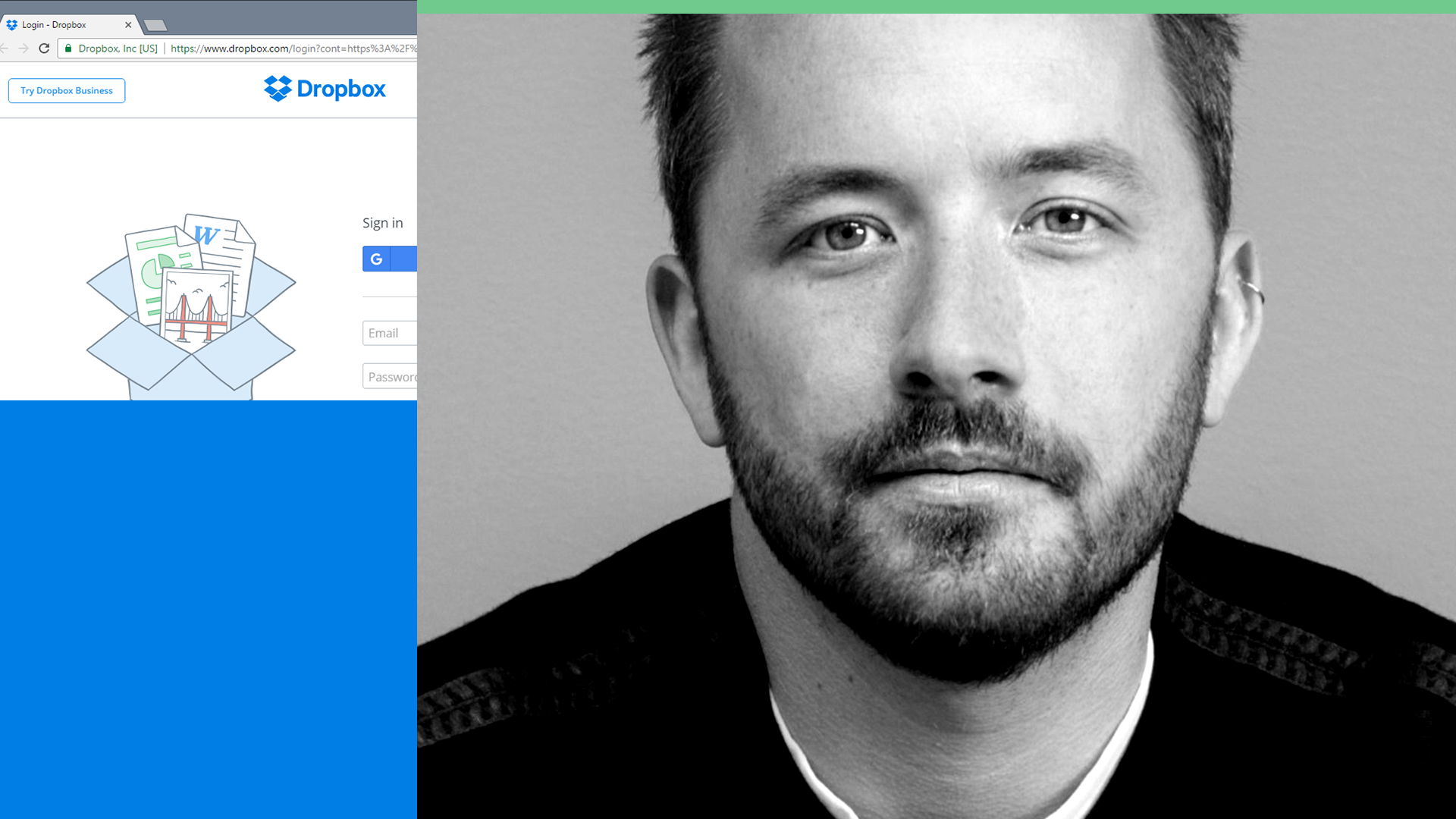
File storage and sharing company Dropbox went public earlier today, and has seen its shares pop more than 40%.
Axios spoke to company co-founder and CEO Drew Houston about why Dropbox went public now ("we were ready"), his message to employees ("enjoy it") and if he sweated yesterday's market drop ("you don't like to see giant blinking red anything").

Dropbox valuation buzz is as much about timing as dollars
Dropbox raised $756 million in its IPO, pricing shares at $21. That's above its already-increased offering range, and indications are that it will open trading today much higher.
But most of the attention so far is on a fully-diluted IPO valuation ($9.23 billion) that falls a little short of Dropbox's last private-market valuation.

Why U.S. foreign policy needs a middle-class message
The Trump administration announced yesterday new trade and investment restrictions on China, the latest shot in a possible trade war, fired in retaliation against theft of U.S. intellectual property. Together with steel and aluminum import tariffs, these measures represent a further isolationist turn for American policy, following years of attacks from President Trump on economic engagement, alliances, legal immigration and anything else that smacks of internationalism.
The problem: From NAFTA to NATO, Trump has disregarded bipartisan consensus on America’s role in the world. Yet no constituency has arisen to defend the internationalist foreign policy that his critics yearn for.