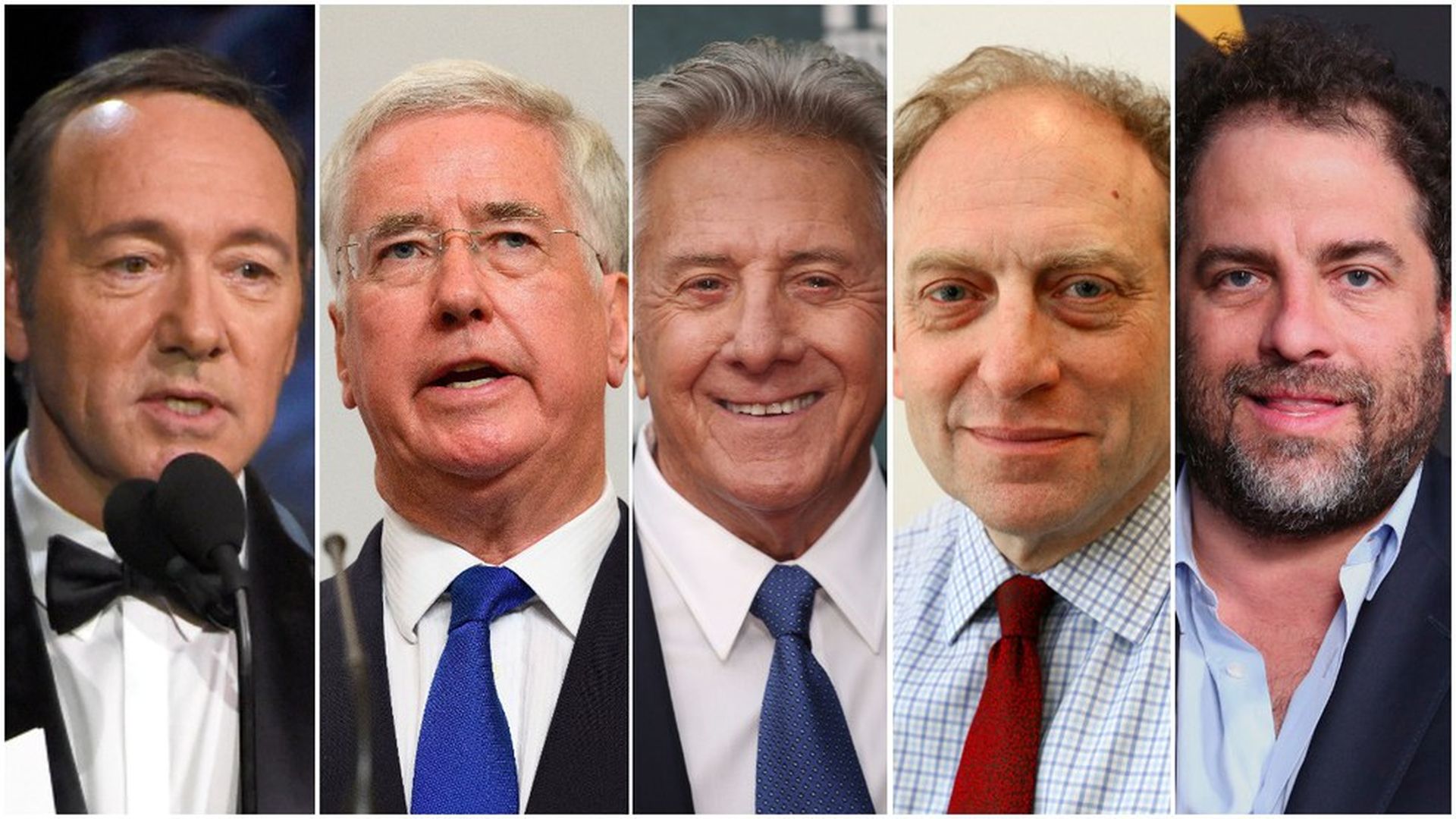
In the month since the first allegations against Harvey Weinstein shook Hollywood the number of men, accused of sexual harassment and sexual abuse grows every day. This week actor Kevin Spacey, U.K. defense secretary Michael Fallon, U.S. congressmen, and several others were added to the list.
The bottom line: After decades of staying silent out of fear of backlash, victims of sexual abuse are coming forward, creating an environment where sexual predators in every walk of professional life are nervous of being exposed.
Note: The chart adjusts for workers receiving higher or lower wages in a new job; Data: Bureau of Labor Statistics; analysis by Jed Kolko / Indeed.com; Chart: Chris Canipe / Axios
The U.S. has the very picture of a squeaky-tight jobs market, according to government figures released today: Unemployment at a 17-year low — at 4.1%, a top-line jobless figure just a tick away from the classic, 4% definition of full employment; seven straight years of jobs growth; and longer job searches — those lasting 15 weeks or longer — now only 1.5% of the work force, down from 2% a year ago.
Yet wage growth — one of the key underlying factors in last year's political earthquake with the election of Donald Trump — worsened last month (see chart). According to the law of supply and demand, employers should be sharply bidding up wages in order to capture increasingly scarce workers. But they aren't — and in fact, by the numbers, you might say they defiantly aren't. In October, they raised wages just a tad over inflation, at 2.4%, a plunge from September's already-miserly rate of 2.8%.
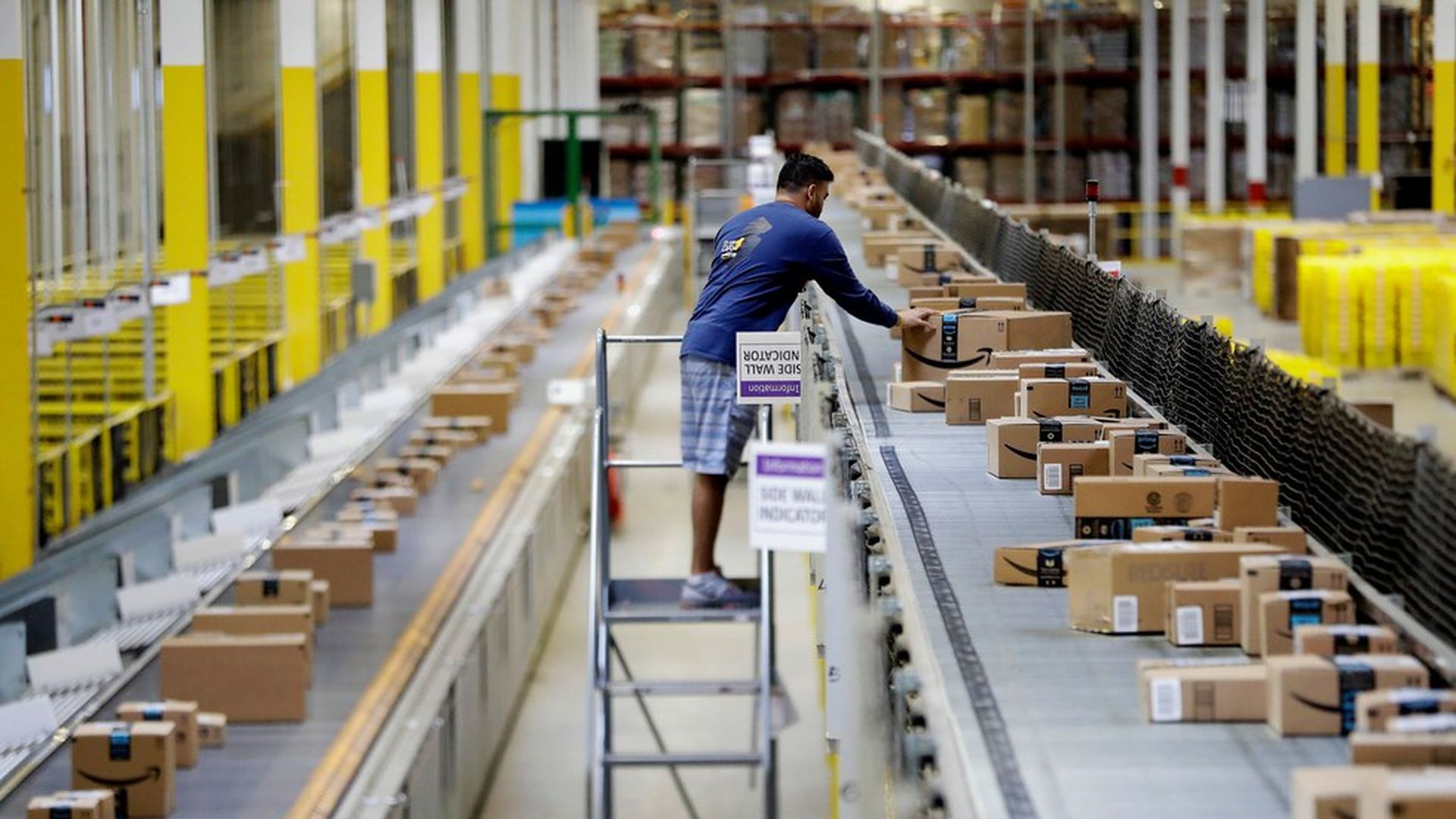
Almost a third of all online orders are returned compared to only 9% of purchases made in a brick-and-mortar store, according to Bloomberg. This is largely due to free shipping offered by most companies, which has also caused an increase of online purchases by almost three times those of physical stores.
Why it matters: Returns can be costly for online companies — anywhere from 20-65% of the cost of goods sold a UPS study found. Now companies like Amazon and Jet.com are looking for ways to make returns less costly and to ensure customers know exactly what they're buying in the first place.
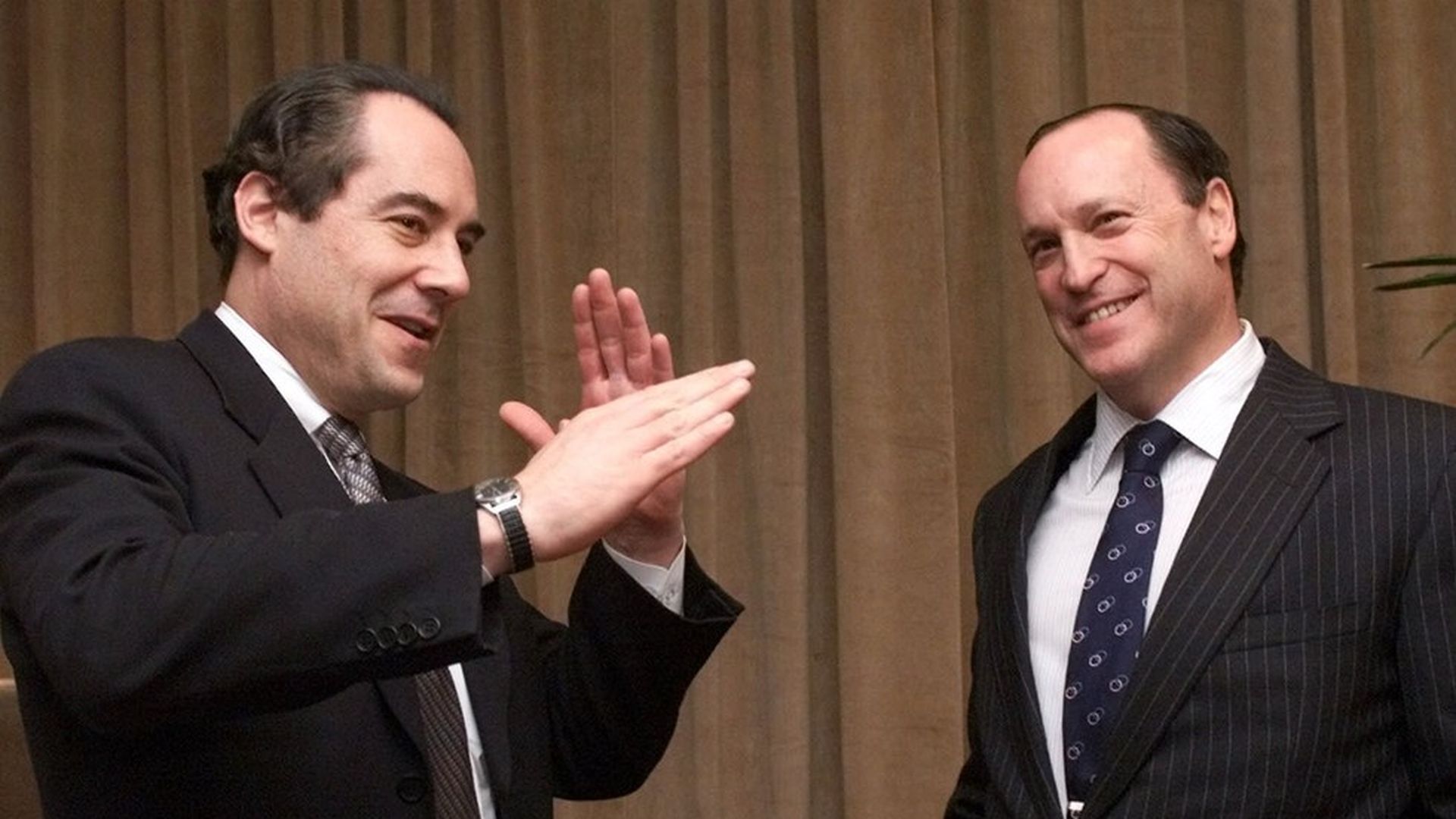
Steve Brill — founder of American Lawyer, Court TV, Brill's Content, and the Yale Journalism Initiative — has almost finished raising $6 million to launch News Guard, which will rate news content so search and social-media platforms can help their users know what to trust.
Why it matters: Brill has a long track record of successful journalistic start-ups. And he's attacking one of the biggest problems in media today: News consumers have trouble distinguishing between credible content and fake news, and the tech platforms have done little to help them.
Senate Democrats have long been close allies of the tech industry. But this week, it became clear that they've turned into vocal skeptics.
Why it matters: Tech companies have enjoyed cozy relationships with Democrats in Washington over the past decade and are generally aligned with them on policy issues. But now Democrats are enraged over how Google, Twitter and Facebook handled the Russian exploitation of their platforms during the election, and their frustration was on full display during nine hours of tense hearings this week.