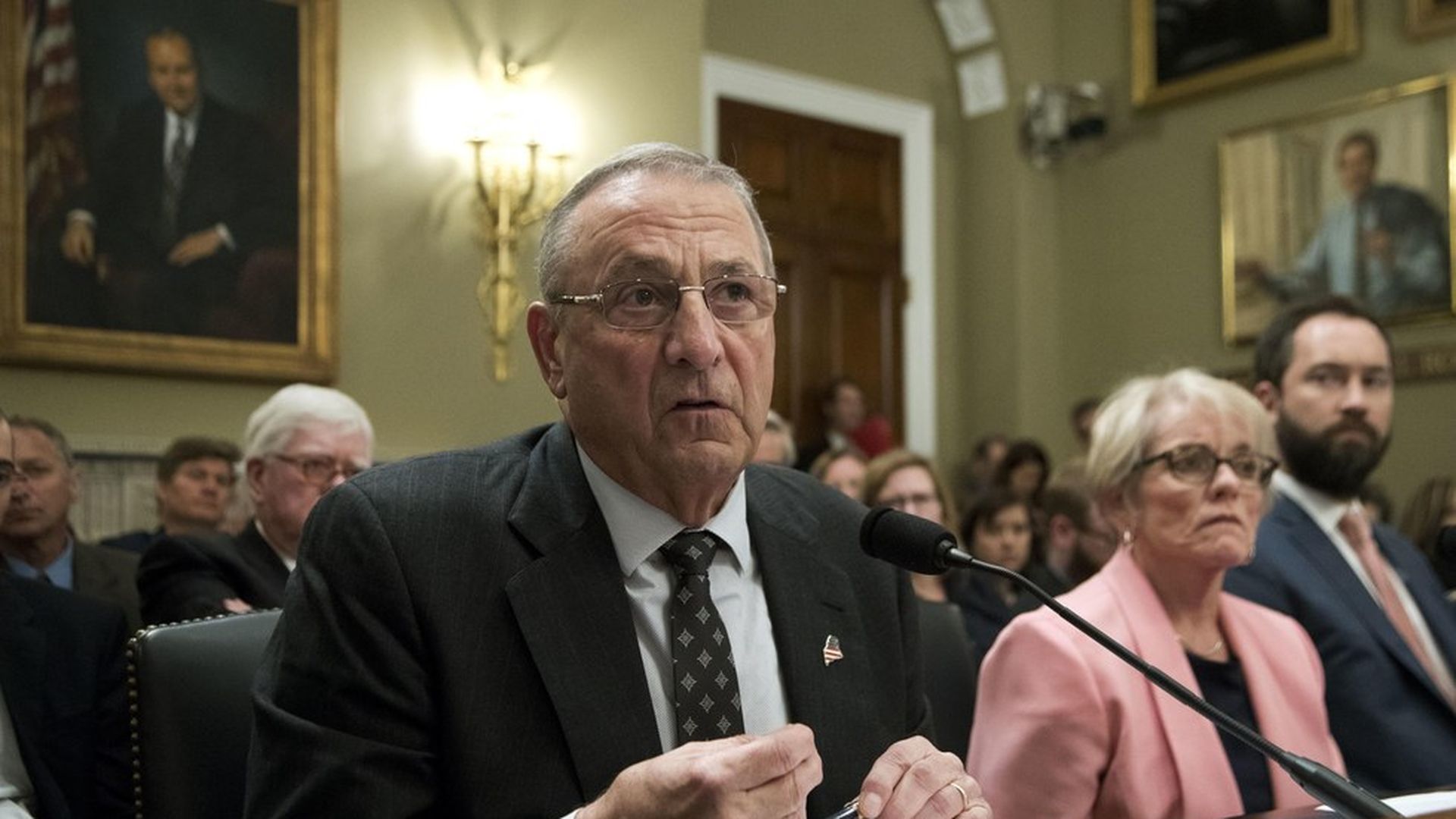
Maine's Governor Paul LePage commuted the prison sentences of 17 male inmates last week, but with one catch: they have to find a job or enroll in some sort of job training, per NYT.
Although adding just 17 employees to the workforce may not seem a significant number, it could ring louder as a unique strategy to solving the state's scarcity of workers. "The tourist industry is struggling, can't find enough workers," LePage said on Tuesday during a local radio interview. "We are looking at every corner of the state to try to put people back to work. That's what the commutation program's all about."
A federal court has temporarily halted an FCC decision that boosted the major Sinclair-Tribune broadcast merger.
The details: The Republican-controlled FCC recently brought back what is known as the "UHF discount," which effectively allows broadcasters to cover more than the 39% of the country allowed under current rules — because it counts certain types of stations as covering a smaller area. That move has been challenged in court.
Why it matters: The UHF discount eases the acquisition of Tribune by Sinclair Broadcast Group, on of the major media deals of the year.
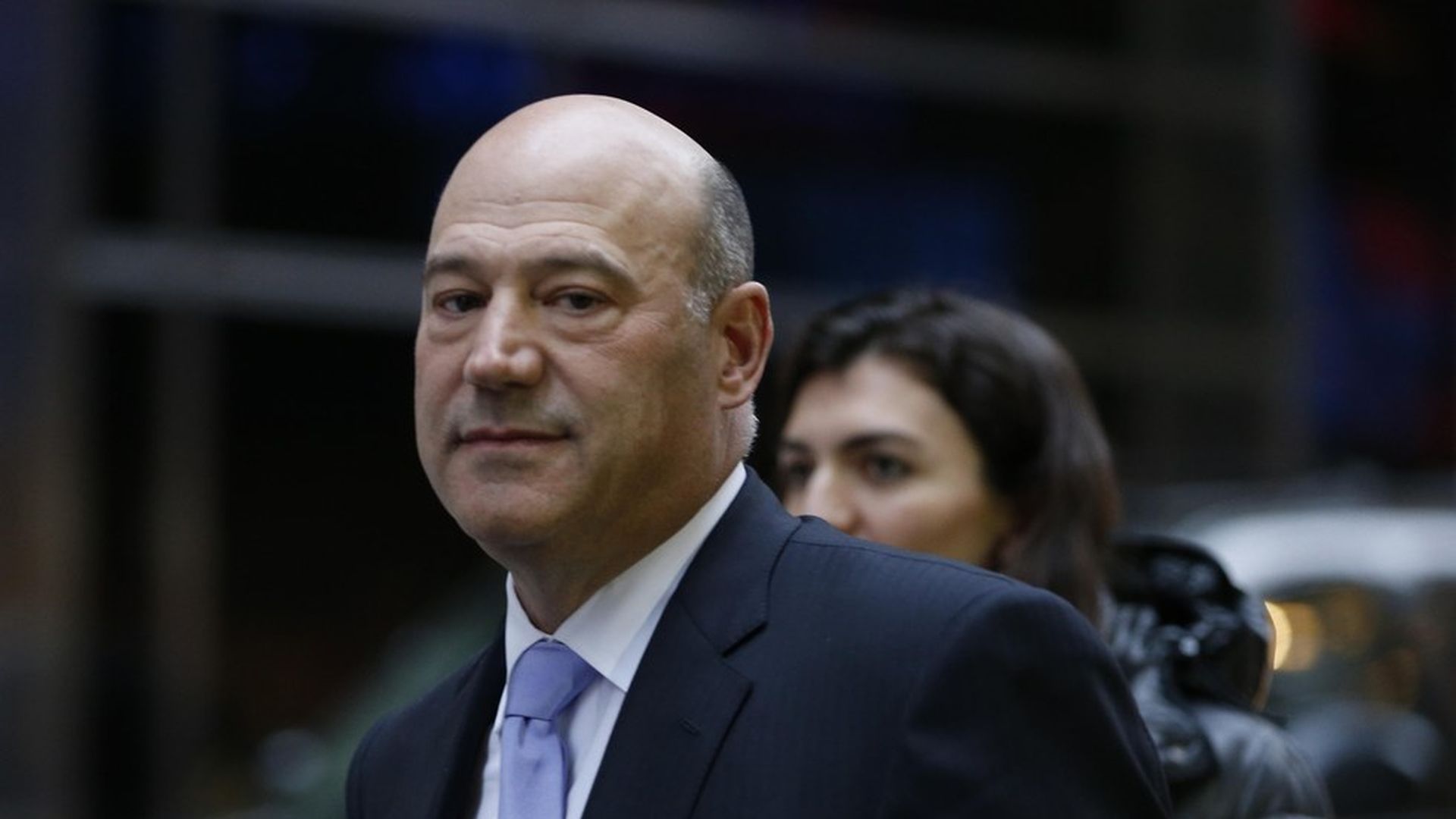
President Trump's economic advisor Gary Cohn rejected the criticism Friday that withdrawing the U.S. from the Paris accord is an "America Alone" policy.
"We're not America alone. We're part of a world, an important part of the world," Cohn told CNBC. "World leaders look to us. I was with the president at the G7 meeting in Italy last week. ... I saw the interactions he was having with the other G7 leaders. We have a very important seat at the the table. The other world leaders are always involved with us and we're involved with them. And we're going to continue to have that position in the world."
As for Goldman Sach's CEO first-ever tweet arguing that leaving the Paris deal was a bad idea? Cohn said he was "caught off guard" when he started tweeting that last night.
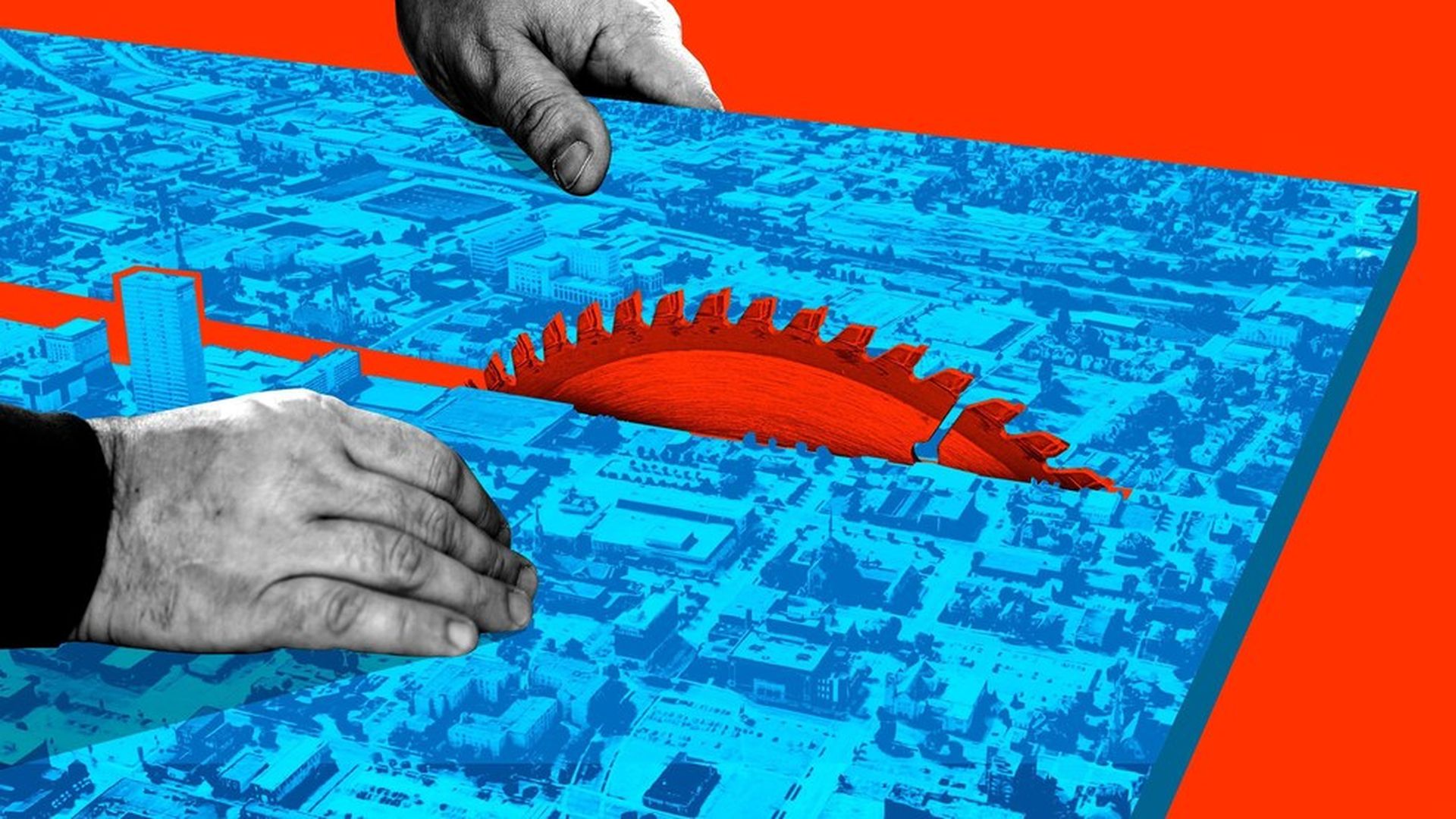
Free market enthusiasts often point to Europe's relatively high unemployment rates as evidence that their more activist labor laws, like mandating paid leave, sick time, and more generous unemployment benefits make it too expensive for employers to create jobs.
But according to a new analysis from the Federal Reserve Bank of New York, America's lack of workplace benefits may be causing the U.S. prime-age labor force participation rate — or the share of able-bodied workers aged 25-54 who either have a job or are actively looking for one — to lag behind European competitors.
American retail workers have now lost jobs for the fourth straight month, locking in a trend in which shoppers are spurning bricks-and-mortar shops and buying on-line.
The U.S. economy added 138,000 new jobs in May, and the unemployment rate dipped to 4.3%, according to a report issued Friday by the Labor Department. Markets won't be too disappointed with these headline numbers, even though job growth was below economist expectations by roughly 50,000.
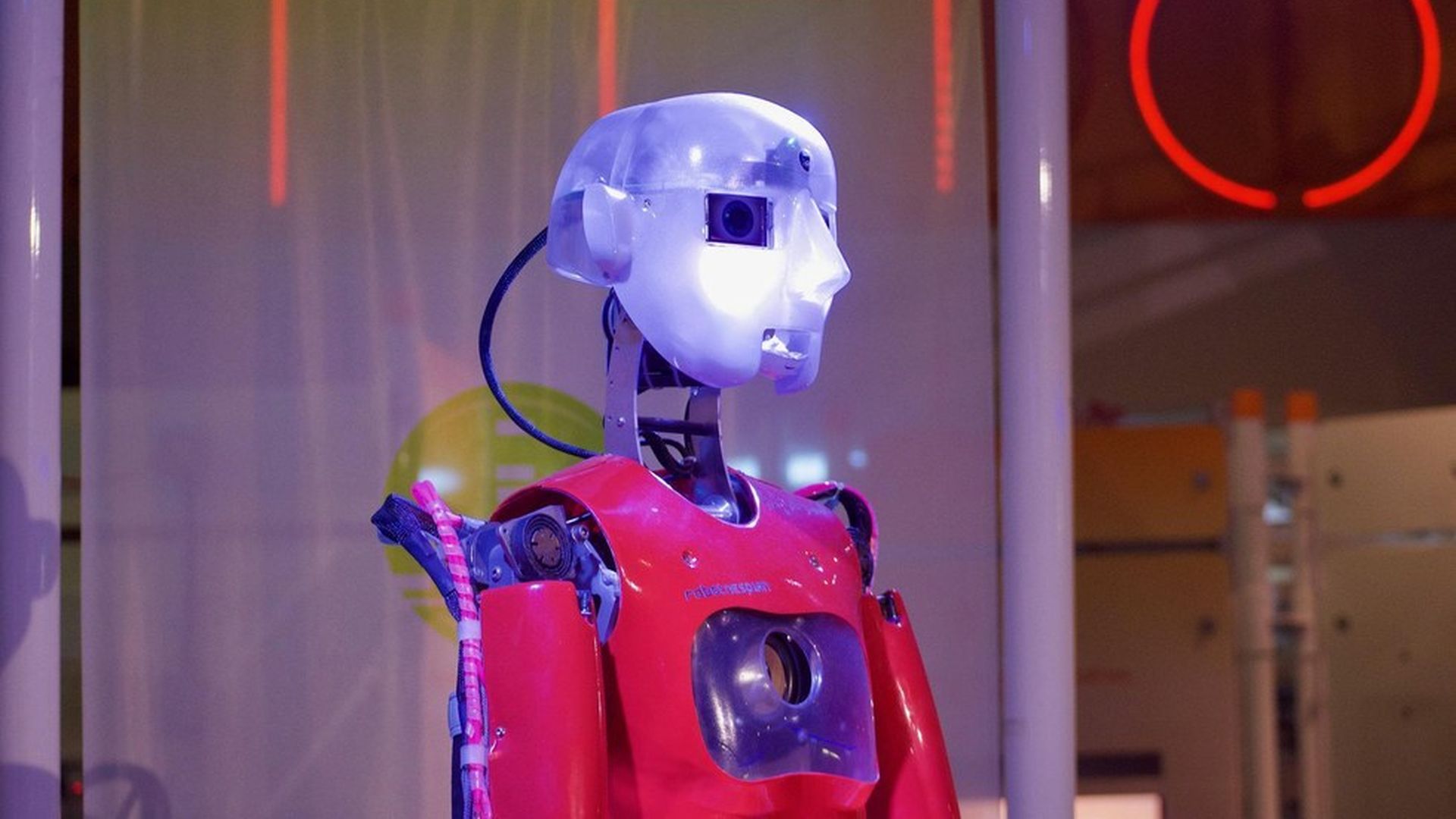
There's a 50% chance AI machines will accomplish virtually every task better and more cheaply than human workers in the next 45 years, and once that is achieved, AI systems will rapidly become superior to humans, according to a new study conducted by researchers at Oxford and Yale.
Timeline of advancement: The research shows that there is a 50% chance AI will automate all human jobs in the next 122 years, but in certain tasks, humans will be outperformed much sooner:
The opioid epidemic. Stagnating wages. The anti-establishment political wave. All are linked to the start of a new industrial age in which robotics, automation and artificial intelligence are changing the nature of work. First for low-skilled workers, and soon for more skilled occupations, from truck drivers to lawyers, doctors and Wall Street analysts.
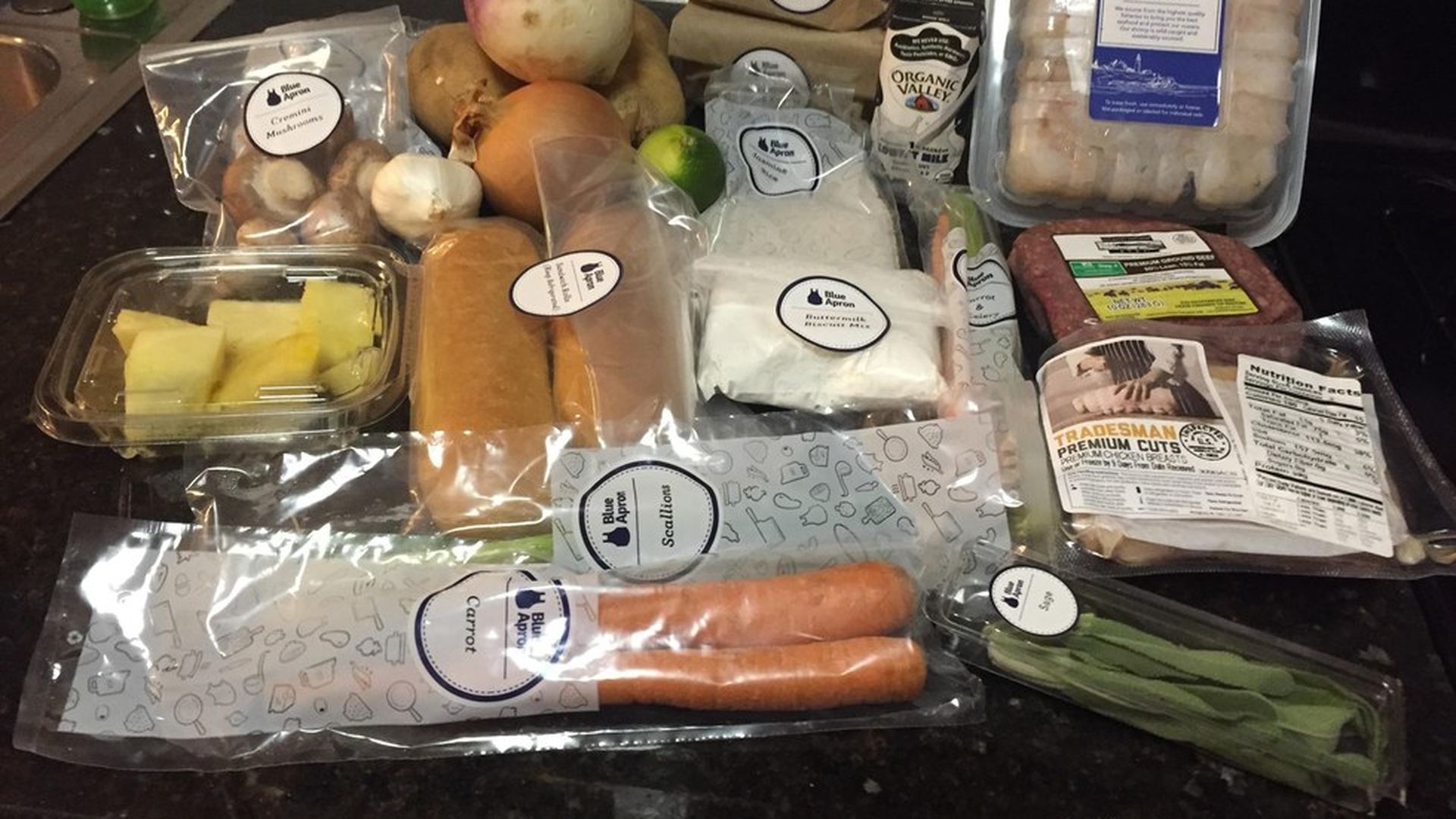
Blue Apron, the meal kit delivery company, has filed for a $100 million IPO, though the size is most likely a temporary placeholder.
Offering details: The New York-based company plans to trade on the NYSE under ticker symbol APRN, with Goldman Sachs listed as left lead underwriter.
Financials: Blue Apron is unprofitable, reporting a loss of $54.9 million for 2016 on net revenue of $795.4 million. In the first three months of 2017, it lost $52.2 million on $244.8 million in revenue.
Backers: To date, the company has raised $193 million from investors including First Round Capital, BoxGroup, and Fidelity.
Business model: Blue Apron is part of a growing number of alternatives to eating out — the company and its competitors say their meal kits allow customers to feel good about cooking, while avoiding trips to the grocery store. The company has been criticized for creating significant amounts of packaging, and over working conditions in at least one of its warehouses.
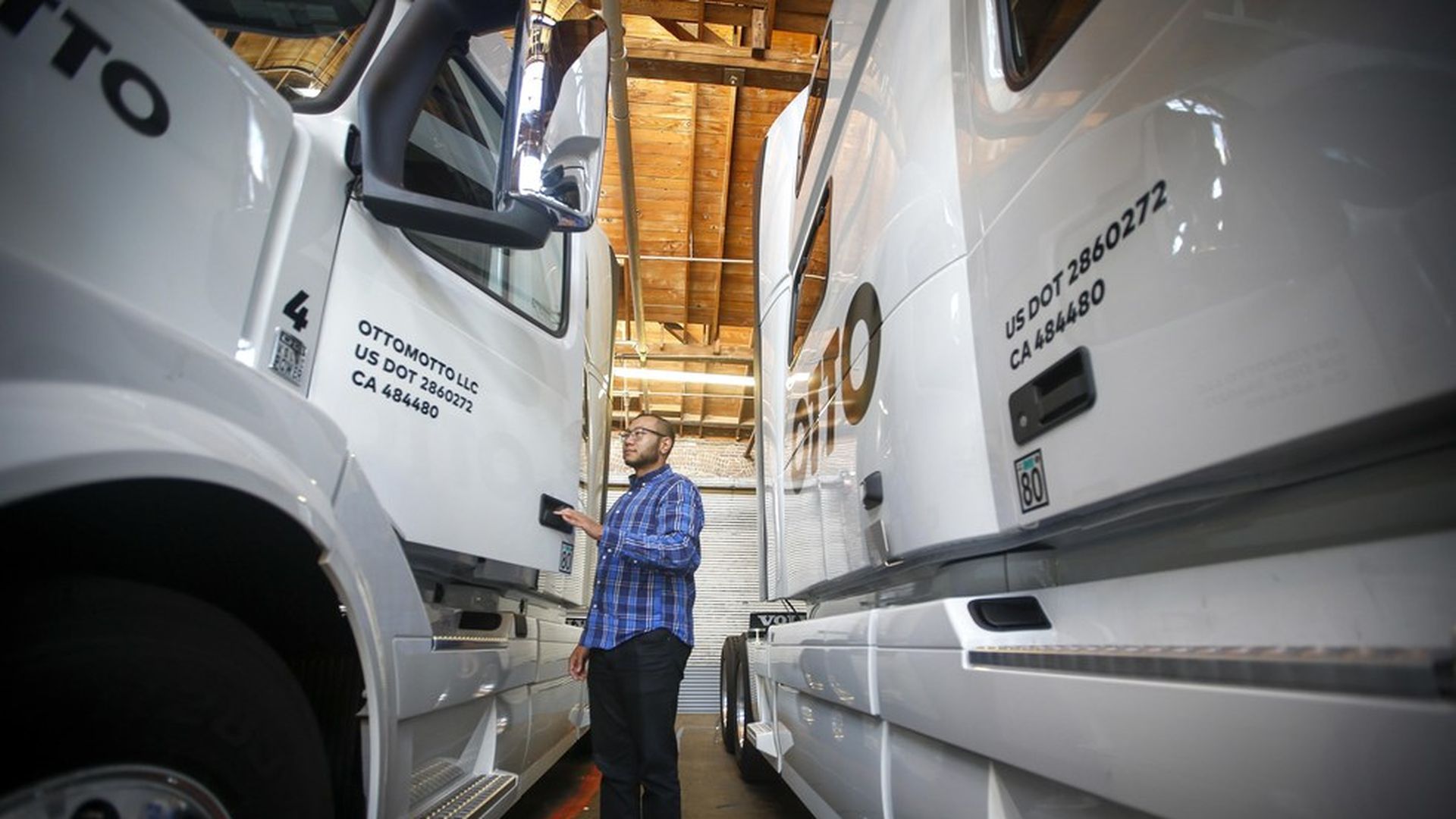
Losers, per a new report from the International Transportation Forum: Introducing automated trucks in the U.S. and Europe would reduce the need for drivers by 50% to 70% by 2030, per the report. It's estimated that 4.4 million of the current 6.4 million drivers' jobs would become unnecessary, and over 2 million drivers would be directly displaced throughout the U.S. and Europe.
Winners: These driverless trucks will reportedly make roads safer, lower emissions, and help save costs. They will also help mitigate the shortage of people who want to become professional truck drivers, the report claims.