Thursday's economy stories

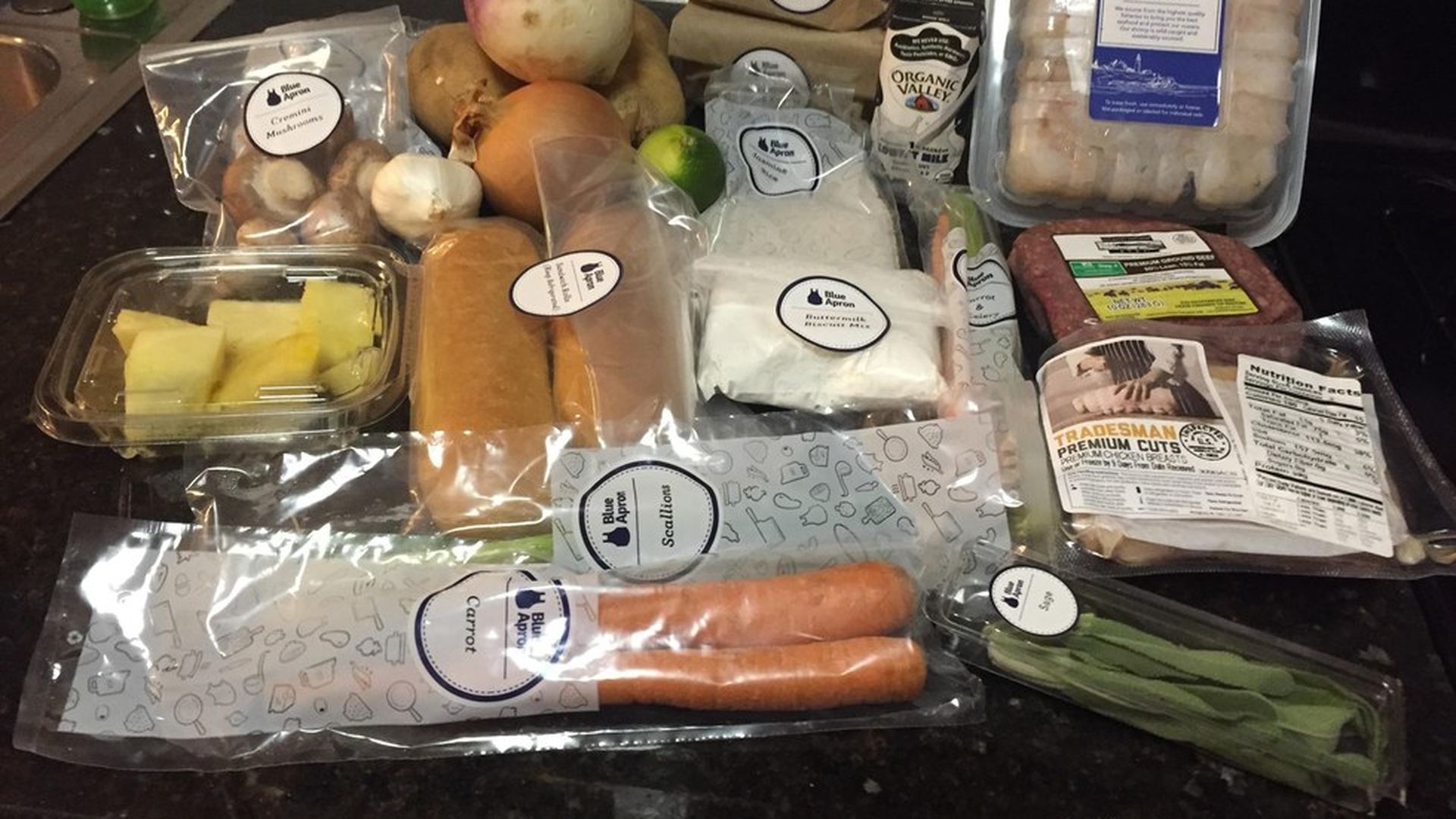
Blue Apron files for IPO
Blue Apron, the meal kit delivery company, has filed for a $100 million IPO, though the size is most likely a temporary placeholder.
Offering details: The New York-based company plans to trade on the NYSE under ticker symbol APRN, with Goldman Sachs listed as left lead underwriter.
Financials: Blue Apron is unprofitable, reporting a loss of $54.9 million for 2016 on net revenue of $795.4 million. In the first three months of 2017, it lost $52.2 million on $244.8 million in revenue.
Backers: To date, the company has raised $193 million from investors including First Round Capital, BoxGroup, and Fidelity.
Business model: Blue Apron is part of a growing number of alternatives to eating out — the company and its competitors say their meal kits allow customers to feel good about cooking, while avoiding trips to the grocery store. The company has been criticized for creating significant amounts of packaging, and over working conditions in at least one of its warehouses.

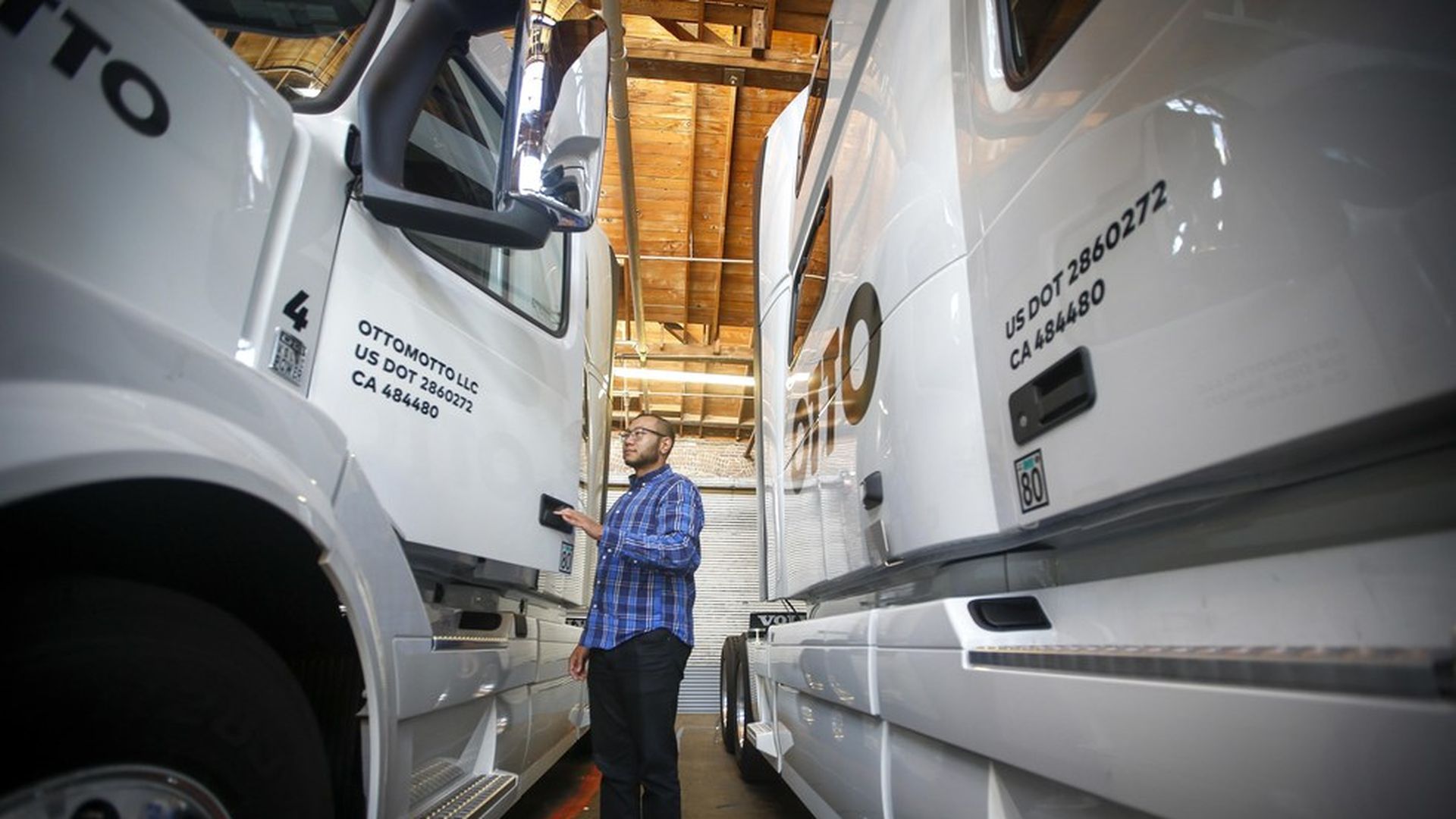
Robot trucks could replace 2 million drivers by 2030
Losers, per a new report from the International Transportation Forum: Introducing automated trucks in the U.S. and Europe would reduce the need for drivers by 50% to 70% by 2030, per the report. It's estimated that 4.4 million of the current 6.4 million drivers' jobs would become unnecessary, and over 2 million drivers would be directly displaced throughout the U.S. and Europe.
Winners: These driverless trucks will reportedly make roads safer, lower emissions, and help save costs. They will also help mitigate the shortage of people who want to become professional truck drivers, the report claims.

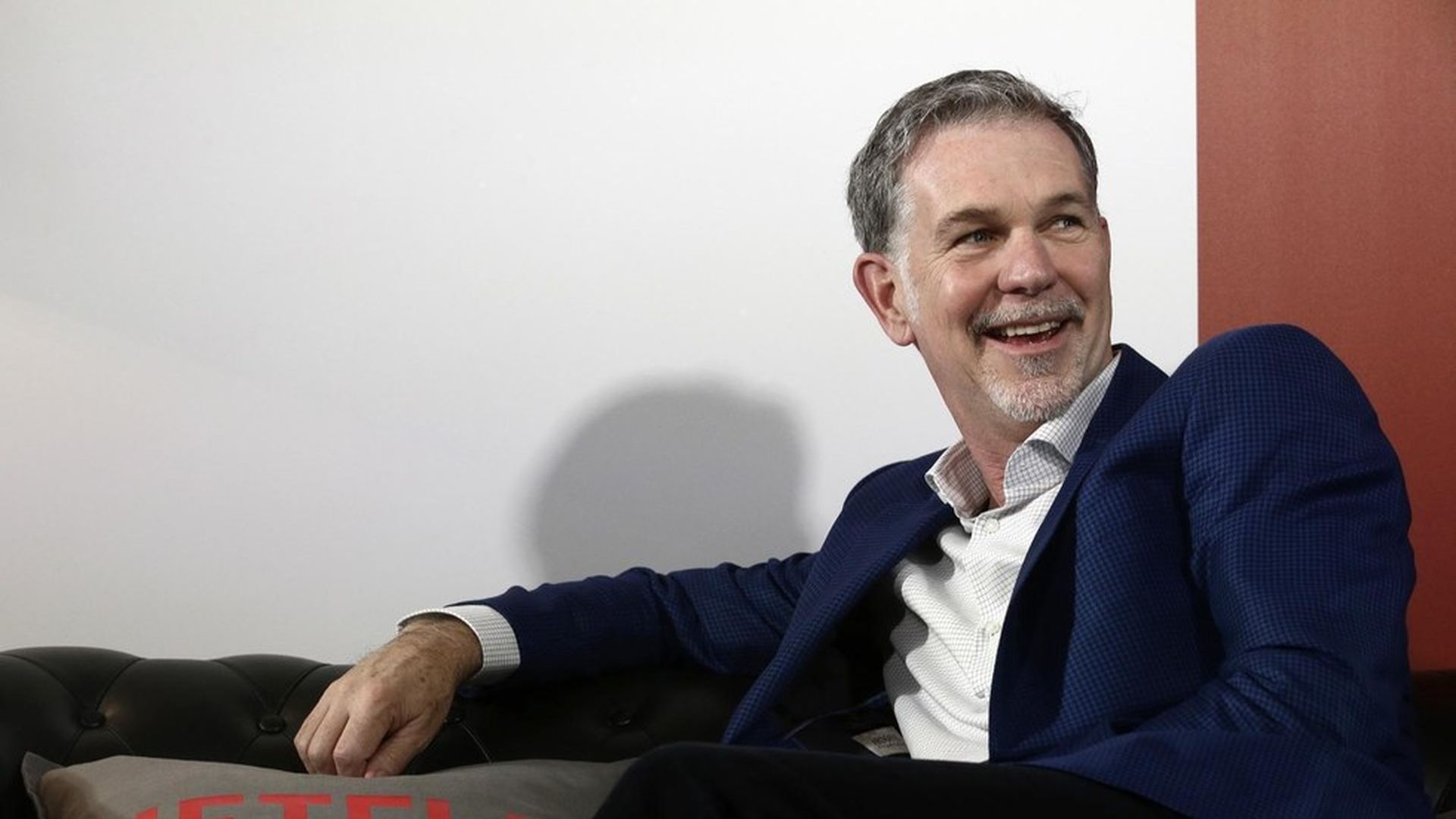
Netflix vs live programming: CEO says no sports, news
Netflix co-founder and CEO Reed Hastings spoke with CNBC's Squawk Alley this morning from this year's Code Conference, discussing today's big premiere of season 5 of House of Cards and what's next for the streaming service. Three interesting tidbits…
- Netflix's future focus: The company will remain focused on TV and movies, and it has no plans to jump into news or sports as Hastings doesn't want "content that you only want to consume once."
- How people watch: Hastings said that two-thirds of viewers watch on large screen televisions, but noted that there's still a lot of room to grow in an Asian market that is much more mobile-centric.
- China? "I think that's off the table for the next couple years."
Other things of note:
- On Amazon: "They're so scary. Everything Amazon does is just so amazing…I don't know if they're the biggest threat, but they're awfully scary."
- Net neutrality: "Even if [the Trump administration] undermines the Title II rules, my guess would be the net neutrality rules are still followed."
- How shows get chosen: "Theres some analysis that goes on, but I would say it's fundamentally a creative bet."
- Will he share House of Cards' ratings? "Absolutely not."
- What he's watching on Netflix: Force Majeure
- Netflix's next big show: GLOW, which will premiere this summer from Orange Is the New Black creator Jenji Kohan.
Update: Hastings also spoke later in the morning at the Code Conference, talking up the company's efforts to produce original shows for India especially, but also in Germany, Turkey, Brazil and elsewhere.
"The big focus is on international," Hastings said. In many cases, content created for one market still has appeal elsewhere in the globe.
China, he said, though proved to have too many regulatory hurdles. "We probably assessed it wrong," he said, saying the company's natural optimism it could launch there eventually got "beat down."
Some other highlights from his Code appearance:
On Amazon v. Netflix: "They are trying to be Walmart; we are trying to be Starbucks."
On the possibility of ads on Netflix: "We're really committed to an ad-free experience." (Applause from crowd.)
On net neutrality: The Trump Administration is going to roll back rules no matter what anybody says. Hastings said Netflix still believes in net neutrality, but it is no longer their top policy priority.

How a T-Mobile-Sprint merger could jolt wireless
As Wall Street prepares for a possible frenzy of mergers thanks to the end of a federal airwaves auction, there's one that analysts expect could be announced any day: a proposed marriage of underdog carriers T-Mobile and Sprint.
Why it matters: Going from four nationwide carriers to three will reshape the wireless market, and opponents of the deal argue it would bring big change for consumers, such as higher prices. It would also force regulators to revisit the issue of whether three providers is enough to sustain a healthy market, three years after the Obama-era Justice Department and the FCC made clear that such a deal would be a tough sell.
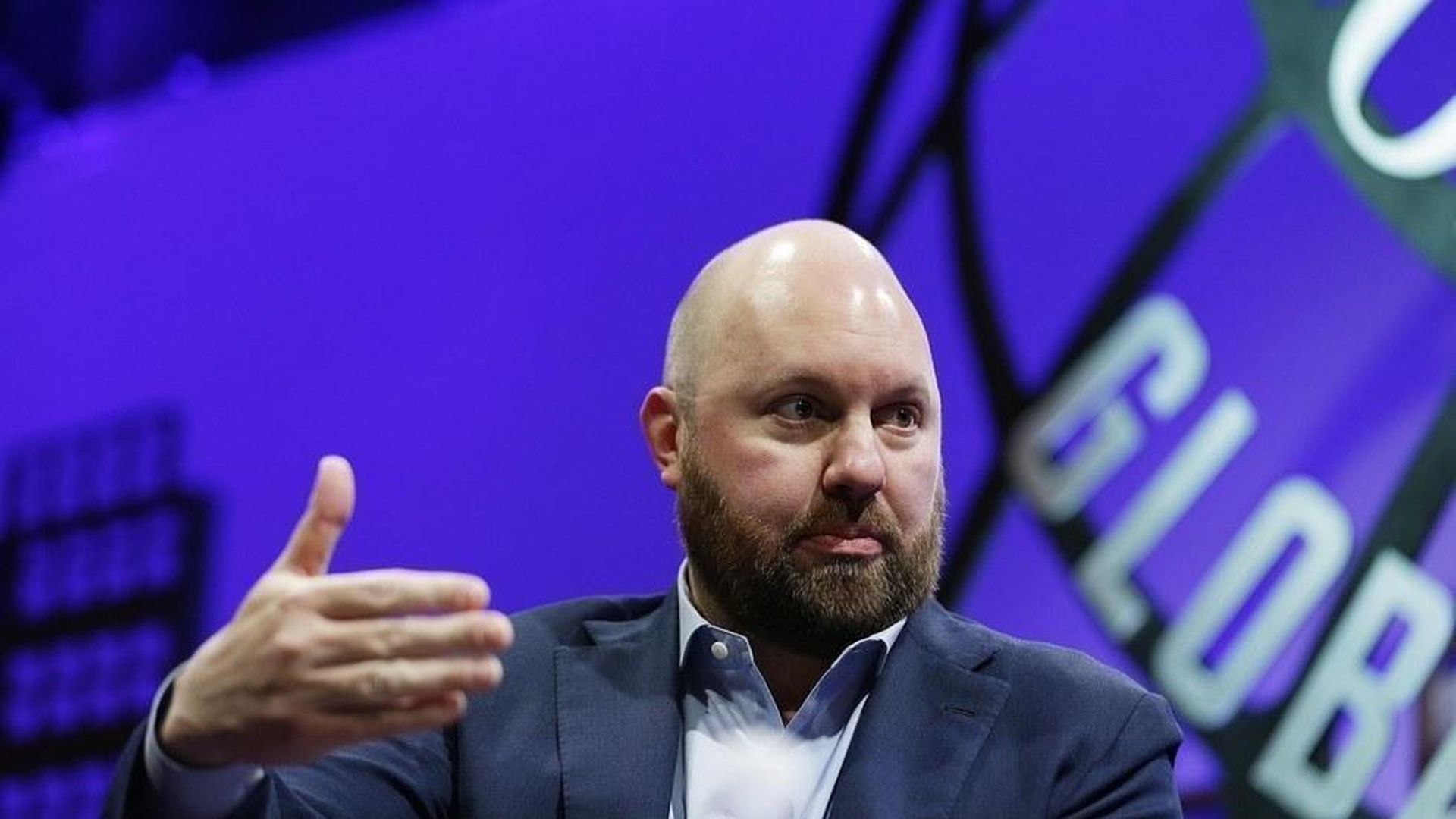
Marc Andreessen: Self-driving cars will boost the job market
A future with self-driving cars has induced a lot of anxiety about a resulting loss of jobs, but in fact, they'll create tons more jobs, Silicon Valley investor Marc Andreessen said on Tuesday at Recode's annual conference in Southern California.
"The jobs crisis we have in the U.S. is that we don't have enough workers," said Andreessen.
Why it matters: With the country increasingly discussing the potential impact of automation and technology on the jobs, many are worried that "the robots" will take their jobs and displace millions of workers. Managing this fear and retraining workers are becoming high priority topics for lawmakers.