Facebook has signed deals with Vox Media, BuzzFeed, ATTN, Group Nine Media, and others to make shows for its video service, per Reuters. Facebook will not own the videos, which will range from 5-30 minutes, although it will own longer, scripted shows, for which it will pay up to $250,000. It will give show creators 55% of ad revenue.
Why it matters: Facebook is trying to gobble up more ad dollars by pushing out original content. Note: Facebook has been late to the content game. Platform competitors like Twitter, YouTube, and Snap have all been aggressively rolling out exclusive content deals with TV networks and investors have been waiting to hear from Facebook since they announced in February they would be producing and licensing original content.
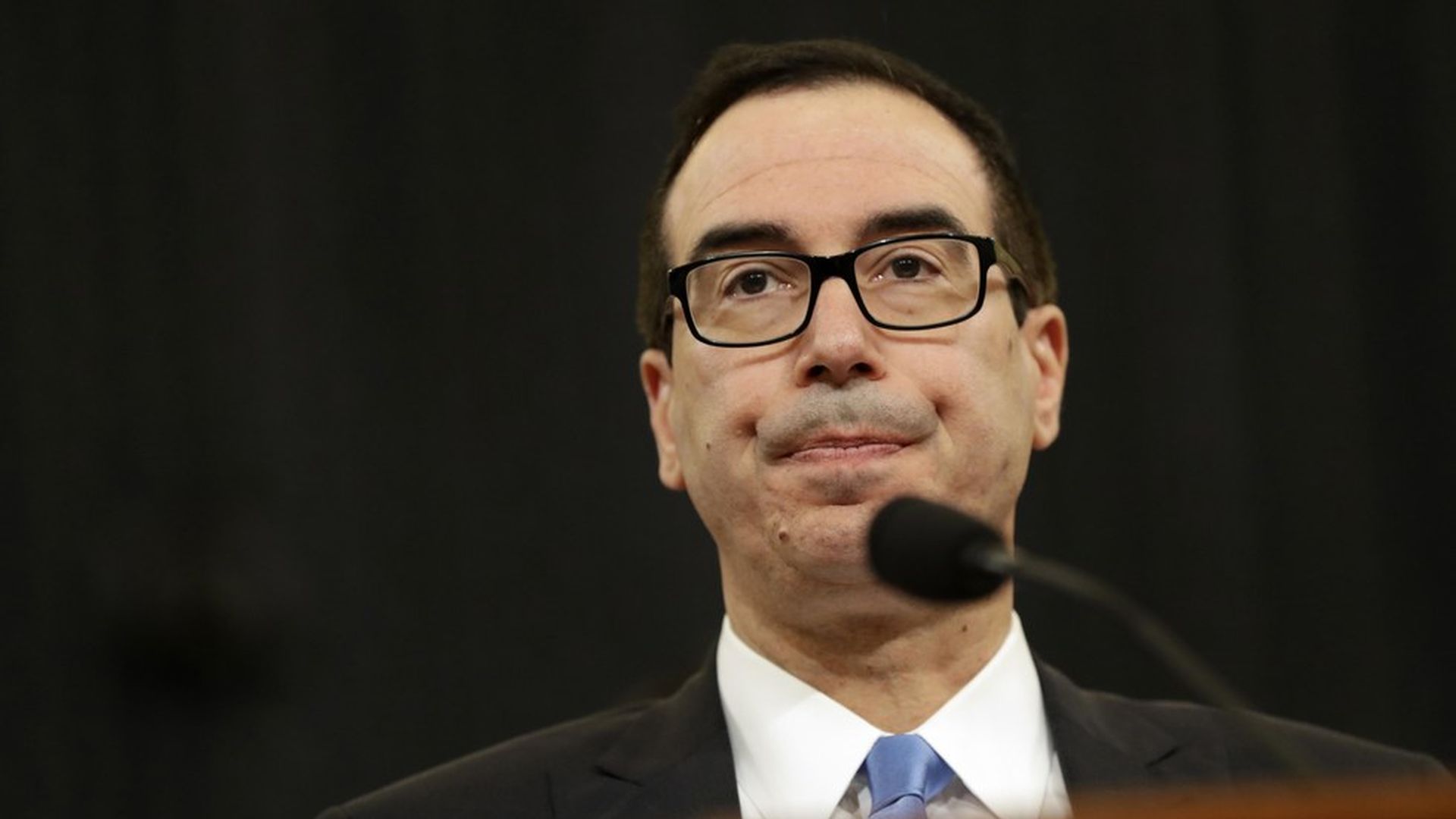
Testifying before the House Ways and Means Committee Wednesday, U.S. Treasury Secretary Steve Mnuchin said he is "fully aware" artificial intelligence will impact jobs, walking back his statement at an Axios event in March that AI won't supplant human jobs for 50-100 more years, which was contrary to most predictions.
Mnuchin then: "[I]t's not even on our radar screen...50-100 more years" away. "I'm not worried at all" about robots displacing humans in the near future.
Mnuchin now: "When I made the comment on artificial intelligence — and there's different views on artificial intelligence — I was referring to kind of like R2D2 in Star Wars. Robotics are here. Self-driving cars are something that are gonna be here soon. I am fully aware of and agree that technology is changing and our workers do need to be prepared."
U.K. Home Secretary Amber Rudd called leaks to the U.S. press about the investigation into Monday's terrorist attack in Manchester "irritating," and warned that it "should never happen again," reports CNN. Many of the details that were disclosed following the initial reports of the blast, which left 22 dead and many more injured, were traced back to U.S. law enforcement sources.
"The British police have been very clear that they want to control the flow of information in order to protect operational integrity, the element of surprise," said Rudd on BBC Radio's "Today" program Wednesday. "So it is irritating if it gets released from other sources and I have been very clear with our friends that that should not happen again."
The UK Police Chiefs Council also released a statement reading in part:
"We greatly value the important relationships we have with our... partners around the world.... When that trust is breached it undermines these relationships, and undermines our investigations."
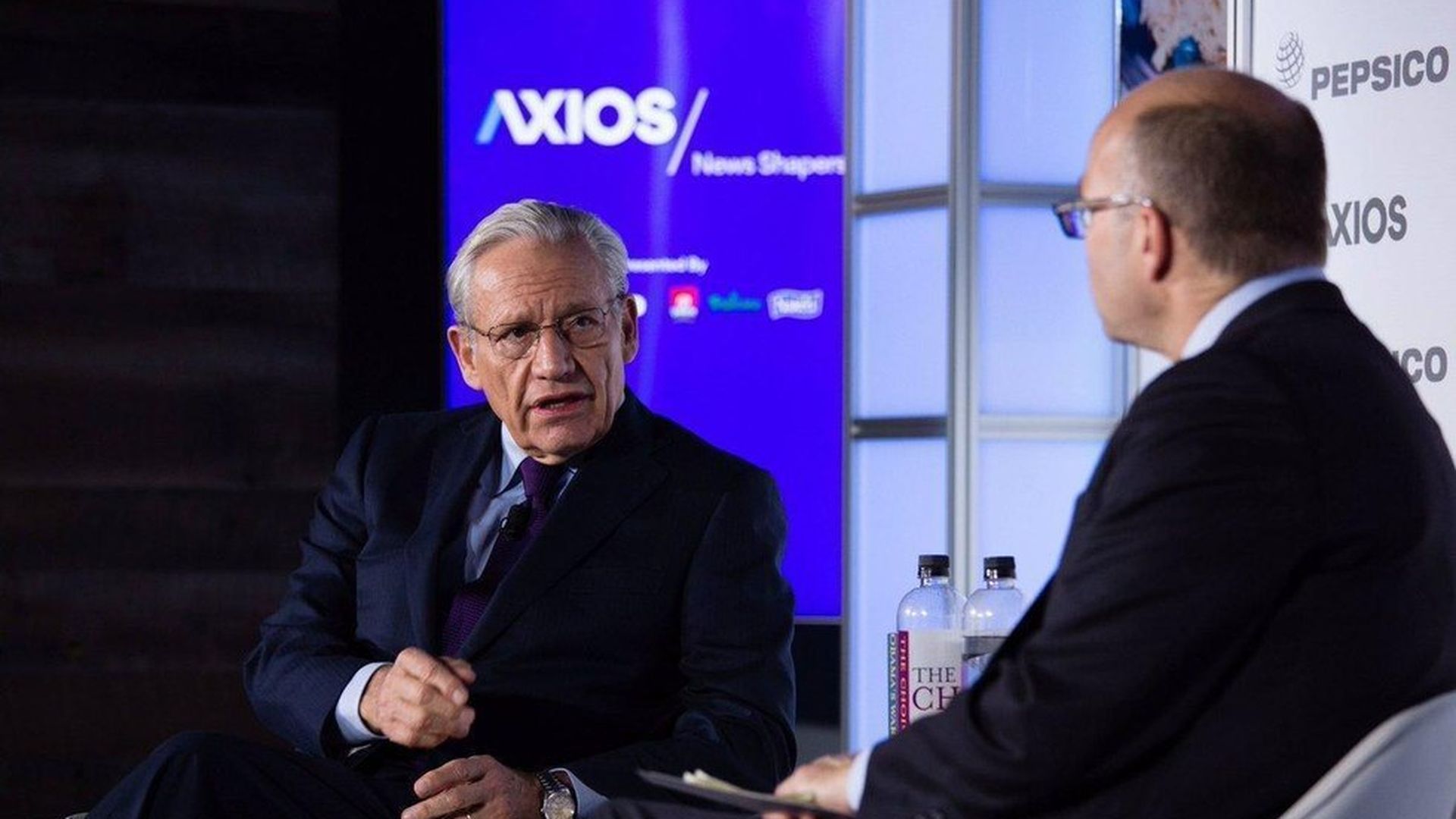
Bob Woodward told Axios' Mike Allen that the press is covering Trump with a certain smugness, but it's not the media's job to make his presidency an editorial. "You have to have a presumption of good will," said Woodward.
"I think there's so many people treating the Trump presidency as if it's a try-out, as if it's provisional… odds are, he's probably going to be president for a full term, four years, maybe even more… there's hyperventilation, too many people writing things. When's the impeachment coming, how long's he gonna last, will he make it through the summer, and so forth…
"I worry, I worry for the business, for the perception of the business, not just Trump supporters, they see that smugness… I think you can ride both horses, intensive inquiry, investigation, not letting up… at the same time, realize that it's not our job to do an editorial on this."
Media companies published a record number of Trump-Russia stories last week, according to SocialFlow's study on 300+ news publishers on Facebook. The number of people who actually saw those stories on Facebook was second only to when BuzzFeed published an unverified Trump dossier in January.More people liked or commented on Trump-Russia stories right after Michael Flynn was fired, but the reach during that time was not as high, meaning fewer people saw the story.
Google announced at its Marketing Next Conference in San Francisco today that the speed of AMP (Accelerated Mobile Pages — the mobile articles you see on your phone carousel at the top of Google search) is being applied to search & display ads.
Why it matters: Google made news articles super fast to load through its AMP project last year because attention span on mobile is particularly short. Now, they're finding that the same technology needs to be applied to ads in order to retain user attention for their advertising partners. Per Google, 53% of people abandon pages if they take longer than three seconds to load and for marketers, a one-second delay on page load can decrease sales conversions up to 20%.
A key economic indicator — the spread between yields per year among two-year Treasury notes and 10-year Treasury notes — is at its lowest level since October at 0.97 percentage points apart, CNBC reports.
What it means: That indicates bond investors might not fully believe the idea that the economy is getting stronger. That's because longer-term bonds tend to get greater yields than shorter-term bonds, so this small spread indicates a lack of confidence in the ability of the economy to grow.
Caveat: Some economists note the change might just be due to Fed policies.
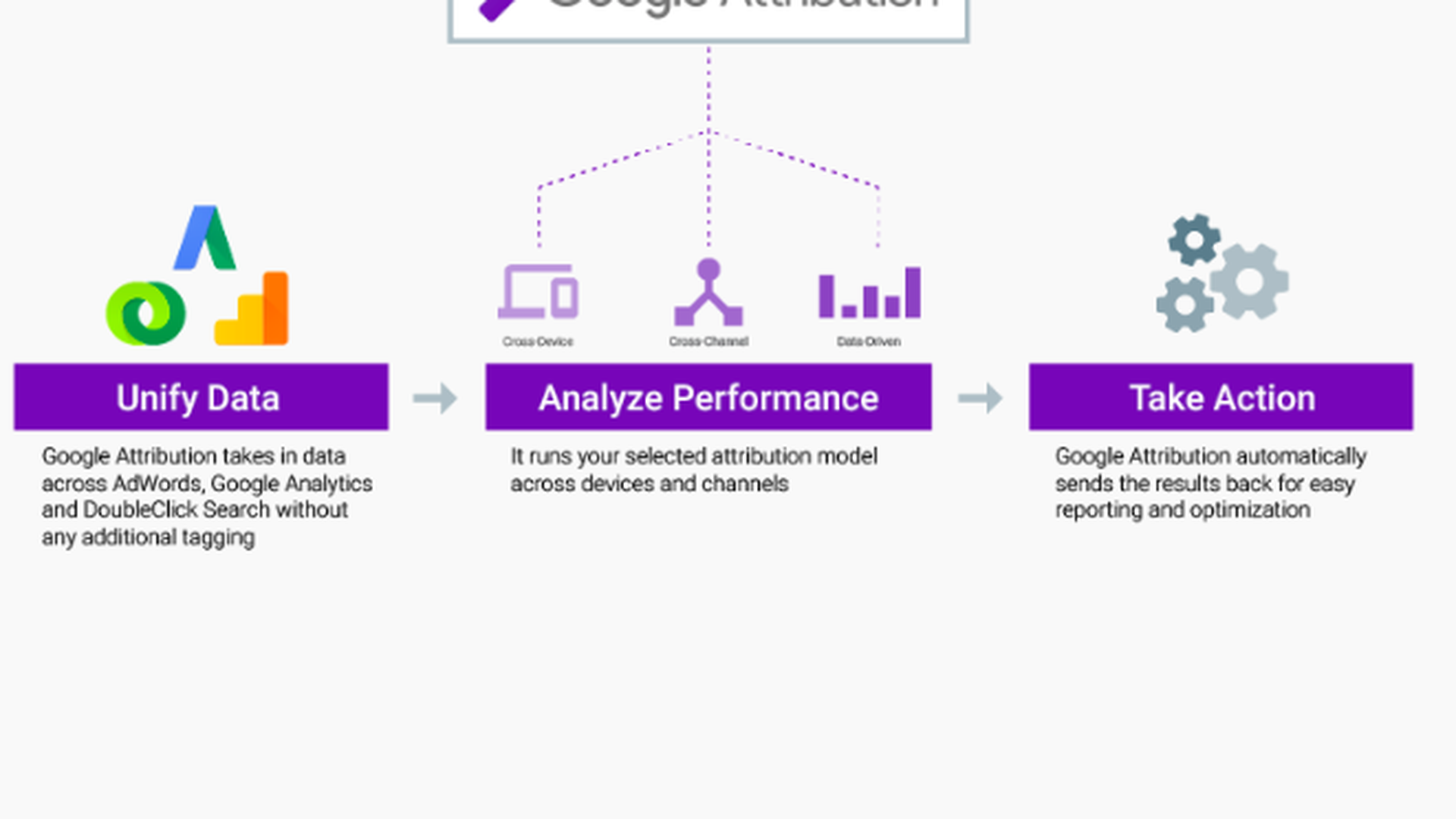
Google today is overhauling its marketing analytics platform, announcing today Google Attribution which will use machine learning to measure user engagement with ads across display, video, search, social, and their site or app, on any screen, all in one place. Google's Sr. Director, Product Management Babak Pahlavan tells Axios, "The emphasis is on simplicity and availability to everyone."
Why it matters: Google's current marketing platform, Google Analytics, is the largest in the world but mostly just measures the lask-click that drove someone to take action on an ad. That created a perverse incentive for marketers to focus only on getting clicks, instead of on the marketing that drives engagement to get the click. (See Axios: Death of the Click for more details.) This is Google's attempt to broaden its focus and measure how users interact with content beyond just a click on a link.