Tuesday's economy stories

Trump’s week from hell was Facebook gold
Media companies published a record number of Trump-Russia stories last week, according to SocialFlow's study on 300+ news publishers on Facebook. The number of people who actually saw those stories on Facebook was second only to when BuzzFeed published an unverified Trump dossier in January.More people liked or commented on Trump-Russia stories right after Michael Flynn was fired, but the reach during that time was not as high, meaning fewer people saw the story.
Data: SocialFlow; Chart: Chris Canipe / Axios

Google is making mobile ads much faster
Google announced at its Marketing Next Conference in San Francisco today that the speed of AMP (Accelerated Mobile Pages — the mobile articles you see on your phone carousel at the top of Google search) is being applied to search & display ads.
Why it matters: Google made news articles super fast to load through its AMP project last year because attention span on mobile is particularly short. Now, they're finding that the same technology needs to be applied to ads in order to retain user attention for their advertising partners. Per Google, 53% of people abandon pages if they take longer than three seconds to load and for marketers, a one-second delay on page load can decrease sales conversions up to 20%.

Bond market metric at post-election low
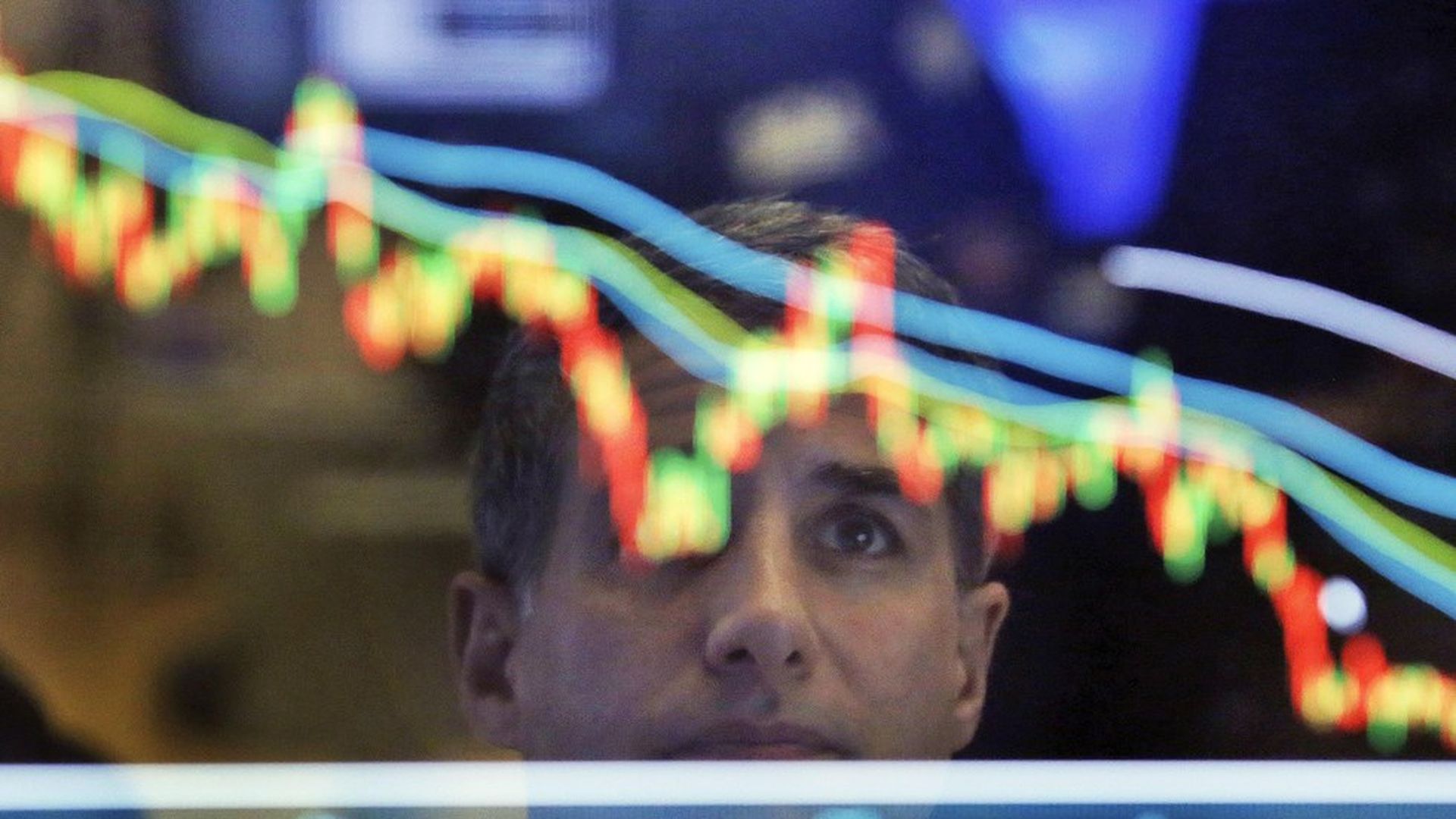
A key economic indicator — the spread between yields per year among two-year Treasury notes and 10-year Treasury notes — is at its lowest level since October at 0.97 percentage points apart, CNBC reports.
What it means: That indicates bond investors might not fully believe the idea that the economy is getting stronger. That's because longer-term bonds tend to get greater yields than shorter-term bonds, so this small spread indicates a lack of confidence in the ability of the economy to grow.
Caveat: Some economists note the change might just be due to Fed policies.

Google wants to count more than just clicks
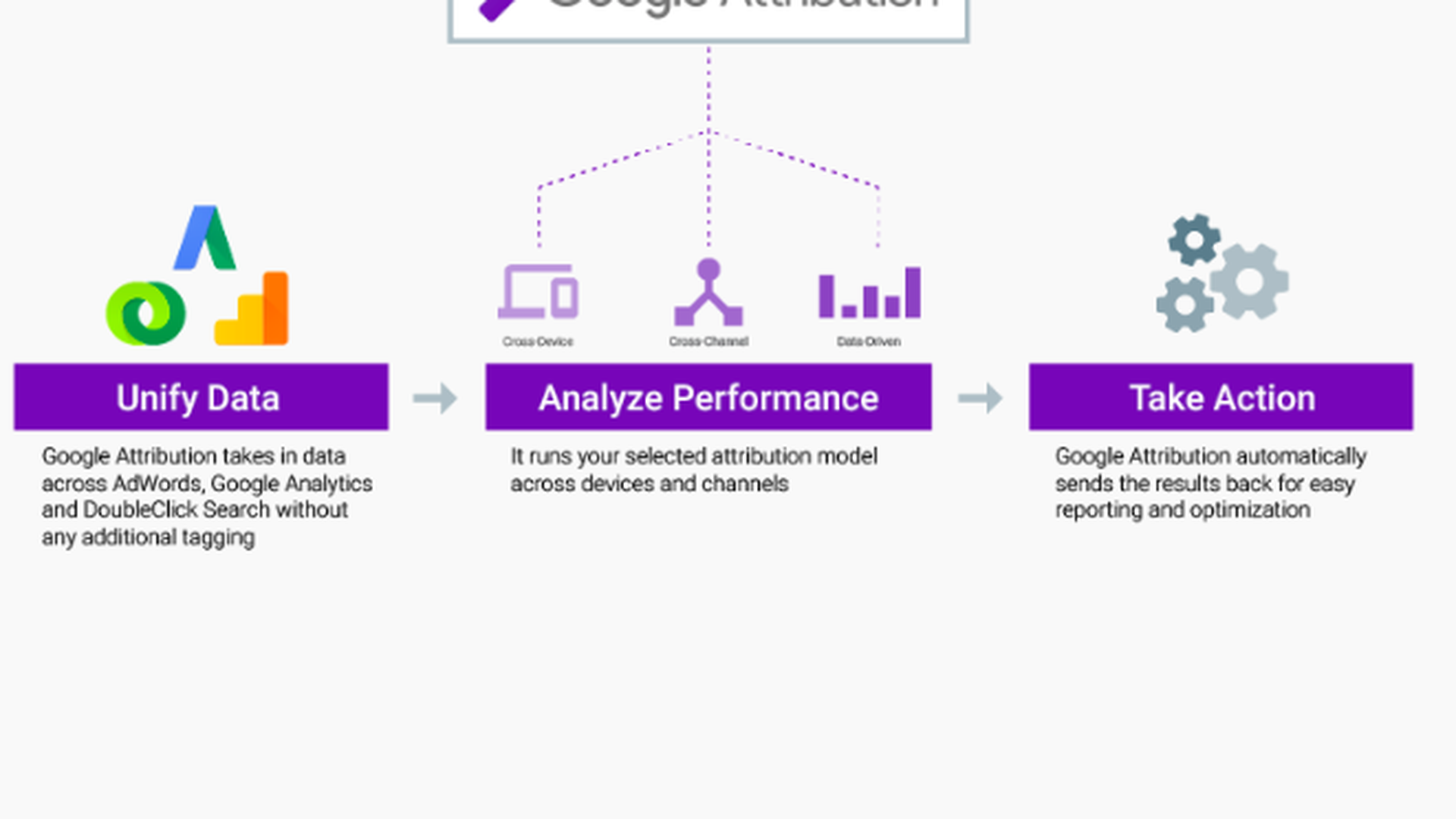
Google today is overhauling its marketing analytics platform, announcing today Google Attribution which will use machine learning to measure user engagement with ads across display, video, search, social, and their site or app, on any screen, all in one place. Google's Sr. Director, Product Management Babak Pahlavan tells Axios, "The emphasis is on simplicity and availability to everyone."
Why it matters: Google's current marketing platform, Google Analytics, is the largest in the world but mostly just measures the lask-click that drove someone to take action on an ad. That created a perverse incentive for marketers to focus only on getting clicks, instead of on the marketing that drives engagement to get the click. (See Axios: Death of the Click for more details.) This is Google's attempt to broaden its focus and measure how users interact with content beyond just a click on a link.


RCN buys Wave to expand its regional broadband empire
TPG Capital today said that it will pay nearly $2.4 billion to acquire Kirkland, Wash.-based Wave Broadband, which it will merge with RCN to form the country's sixth-largest cable company. Some notes after speaking with TPG partner David Trujillo:
Big but small: Trujillo says that taking on market leaders Comcast and Verizon isn't in the cards for RCN, but that growth will continue to come for players of all sizes. "The reason we like broadband companies is that they're the picks and shovels of everything else related to that scene. When people buy higher-resolution devices or want better digital music fidelity or add pieces to a connected home, all of that is a secular trend in broadband's favor."


Why it's a great time to be a telecom company again
A busy season of regulation-slashing in Washington has big upside for a major industry: phone & cable companies.
For the past eight years, tech firms like Google, Facebook, Netflix and Amazon have been seen as having a leg up in Washington over the phone and cable companies that run the nation's broadband networks. But that's changing under the Trump administration. The country's biggest telecom providers — Comcast, Charter Communications, AT&T and Verizon — have already racked up some major policy victories.
Why it matters: The shift is indicative of the types of companies the Trump administration sees as being crucial to the economy, and it's no secret there's no love lost between Trump and Silicon Valley. It also reflects a de-regulatory approach that generally squares less with the popular online platforms than with the physical pipes that deliver them.