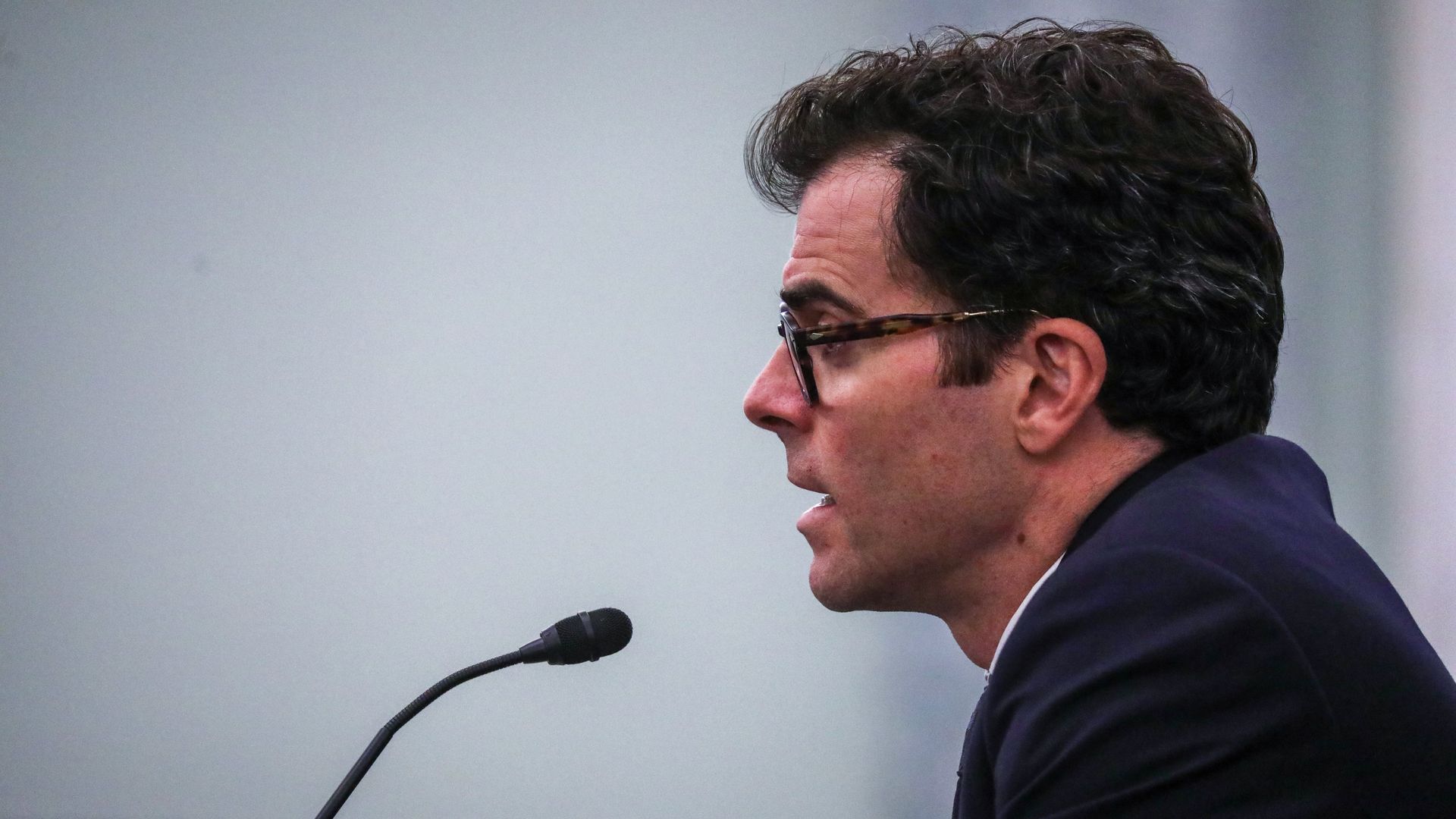
Instagram head Adam Mosseri testified before Senate lawmakers Wednesday and was pressed on the app's impacts on young children and teens.
Why it matters: Legislation to protect kids online is one area Congress has shown it's willing to regulate, as Axios previously reported. Wednesday's back-and-forth gave momentum to lawmakers eager to make more rules for social media platforms and how children and teens can use them.
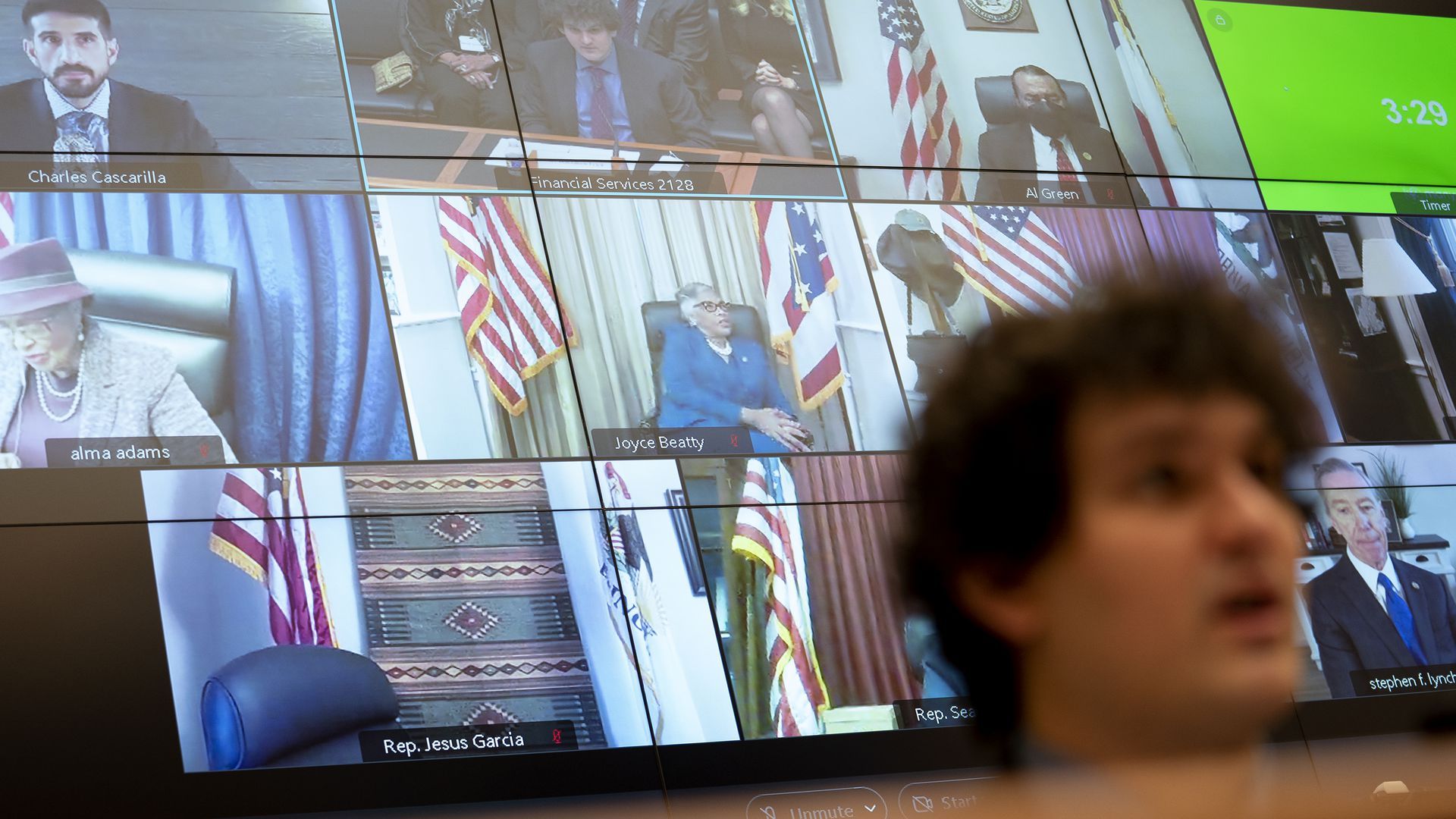
We're not the Wild West— but give us clearer rules of the road: This was the message to Congress from the heads of six cryptocurrency companies on Wednesday.
Why it matters: Never before have crypto executives been hauled to Washington like this. It was the highest-profile attempt by the industry to plead its case.
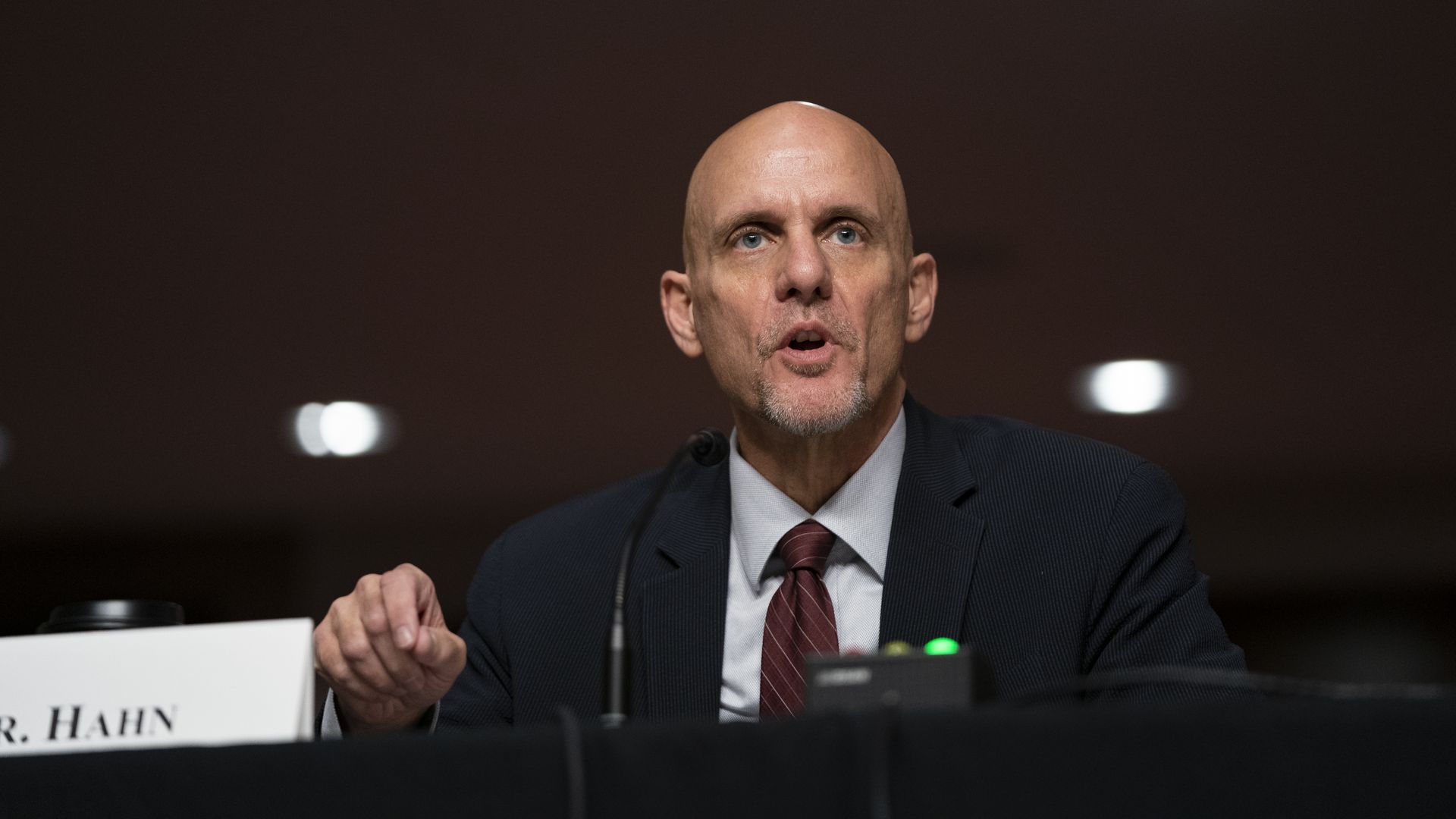
Former FDA commissioner Stephen Hahn tells Axios that Americans may eventually require annual COVID vaccination boosters, although acknowledges that right now it's just his "best guess."
Why it matters: COVID jabs could become as routine as flu shots.
Buf, a Toronto-based startup focused on improving protocol buffers, tells Axios that it has raised over $93 million in funding since being founded last year.
Why it matters: The company is working to change how machines and computers communicate with one another, automating away a lot of API implementation work. Or, put more simply, it wants to help give engineers some of their time back.
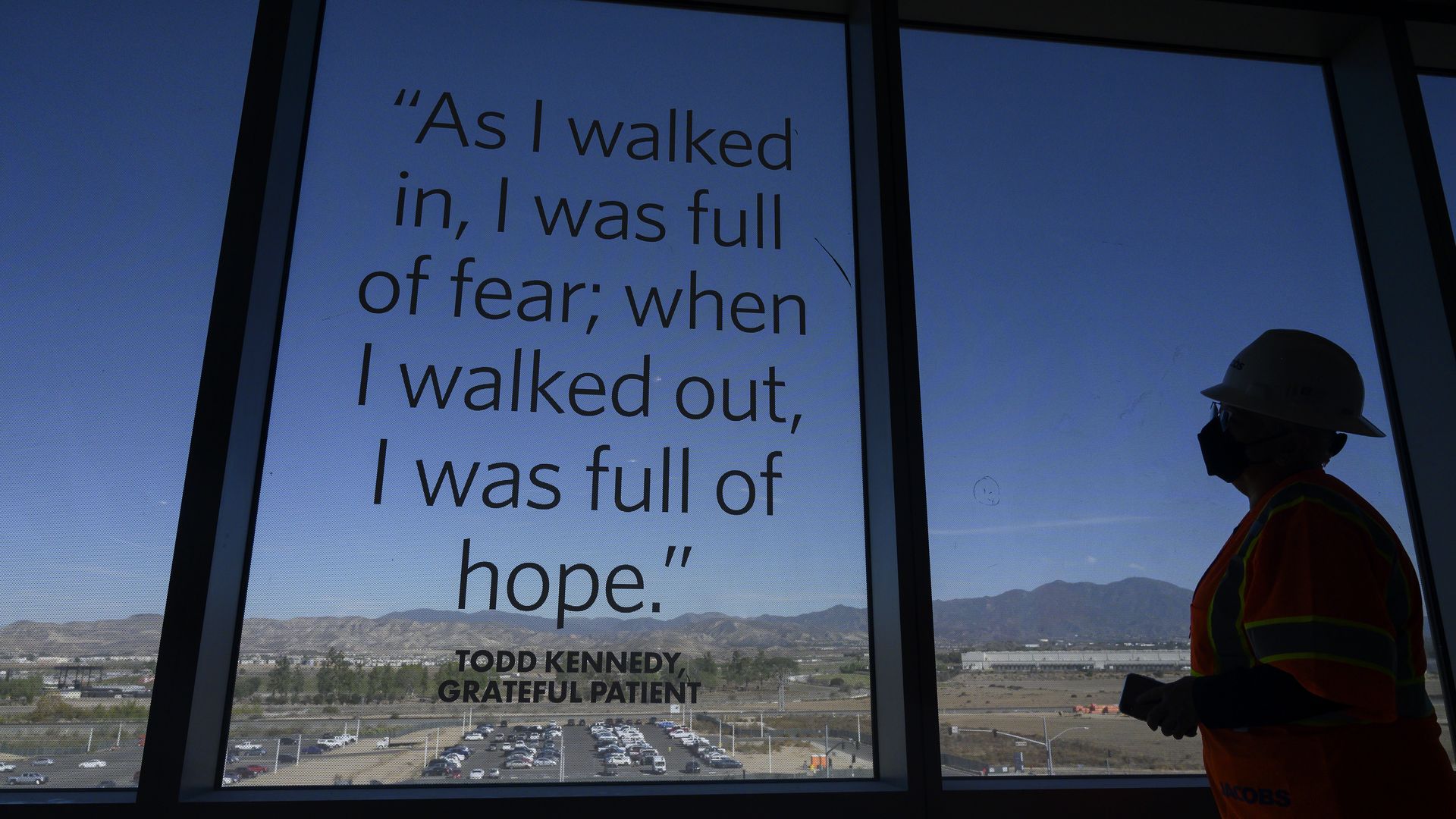
City of Hope, a California-based not-for-profit cancer research organization, is buying the for-profit Cancer Treatment Centers of America chain for $390 million.
Why it matters: The merger would combine two very different organizations — City of Hope, which is known for research, and CTCA, which has a history of cherry-picking patients who are healthier and have better health insurance.
Better.com, a New York-based home mortgage startup backed by SoftBank, is delaying the close of its $7.7 billion reverse merger with Aurora Acquisition Corp.
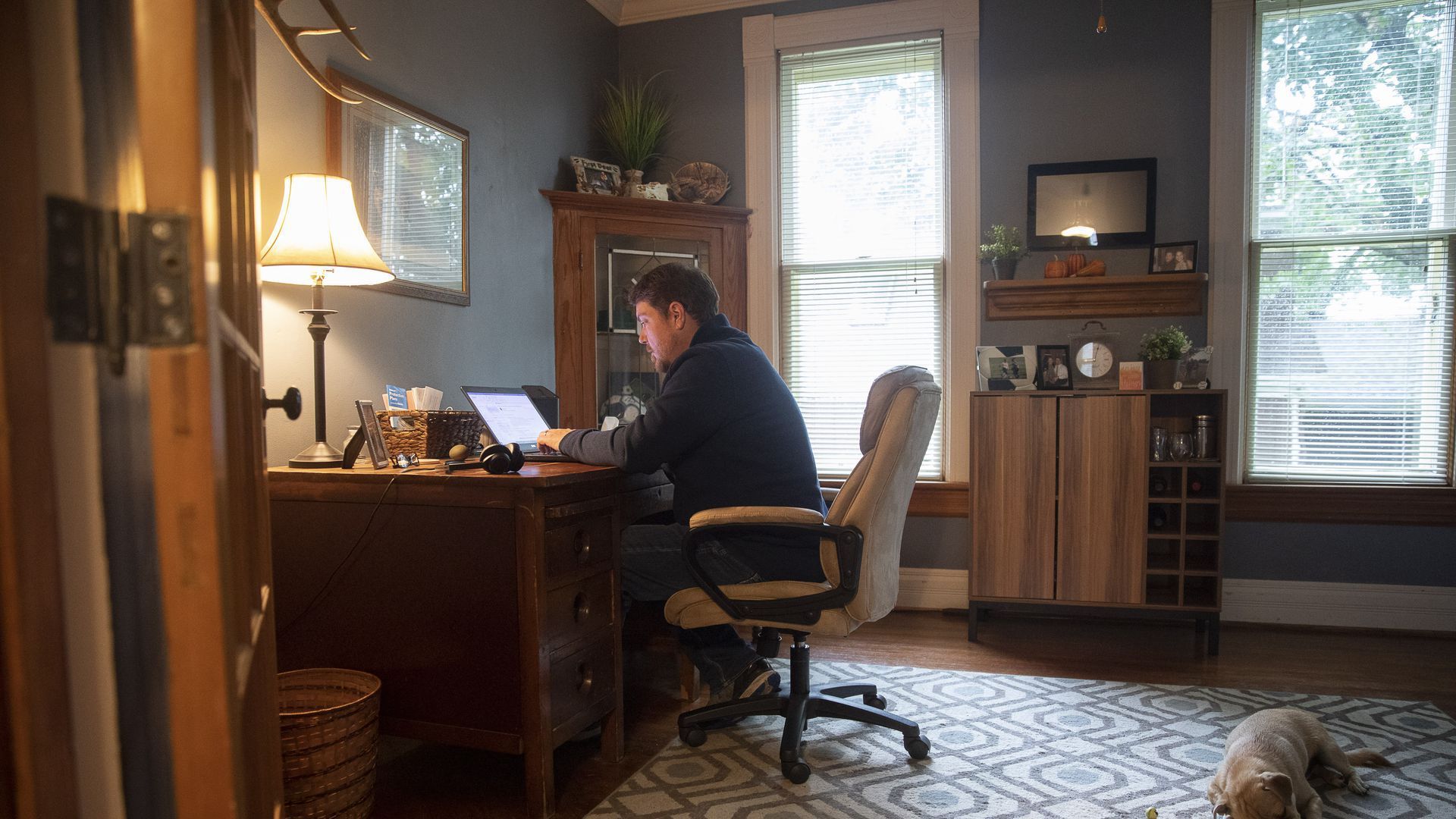
Why it matters: The move comes after the company fired around 900 employees, or 9% of its workforce, via Zoom. Yes, via Zoom. And, just to add insult to injury, that video conference from hell came 24 hours after Better received an accelerated $750 million infusion from investors in the SPAC merger.
Amazon does not sufficiently distinguish between its search results and paid ads, potentially "deceiving millions of consumers," according to a complaint filed to the Federal Trade Commission.
Why it matters: Joan Moriarty, research director for the Strategic Organizing Center, a coalition of labor unions that filed the complaint, told the Washington Post the group is "very hopeful" that the FTC will investigate the complaint because Lina Khan (D), a known Amazon critic, is now chair.
In announcing Tuesday that it's going public via a special purpose acquisition vehicle (SPAC), climate intelligence company Tomorrow.io signaled its intent to become a top provider of weather and climate risk information in an increasingly risky world.
The big picture: The extreme weather and climate risk services space is getting more crowded. Boston-based Tomorrow.io offers a wider array of services than most of its fellow upstarts and now competes with bigger companies like IBM and Verisk Analytics.
Christmas came early for banks this year: Biden's pick to lead a key regulator backed out.
Driving the news: Saule Omarova, tapped to lead the Office of the Comptroller for Currency, faced an uphill battle in Washington — but the strongest pushback may have been from the banks themselves.
Polite descriptions of Turkish President Recep Tayyip Erdoğan’s economic policies go something along the lines of “unorthodox” or “going against the grain.”
Put more bluntly, his ideas appear to tap into the growing urge of unconventional leaders — and their followers — to challenge truisms long held by the global ruling elite.
Unique, non-fungible objects are traded for huge amounts of liquid tender in an industry that's famous for opacity and the ability of rich bidders to evade regulation. That's going to be a central part of a high-profile crypto hearing in Washington Wednesday — but it's also something that's being cracked down on in areas far removed from crypto.
Why it matters: The very rich have been buying assets like antiquities and real estate with de facto impunity for centuries. But now they find themselves on the back foot.
Carmakers typically make their money when they sell a car. Now, they're eyeing monthly service subscriptions as a way to turbocharge growth.
Why it matters: The auto industry is aiming to be more like the tech and telecom industries, hooking customers with services and downloadable features that improve over time and — most important — generate recurring revenues.
New York City is the biggest school district to gear up for an Uber-like GPS-based system that tracks each pupil's school bus ride, letting parents know where their child is in real time.
Why it matters: For parents, teachers and school administrators, the ability to follow each student's daily commute adds a layer of safety and peace of mind — and helps all parties adjust plans when there are traffic jams, weather problems or other snarls.
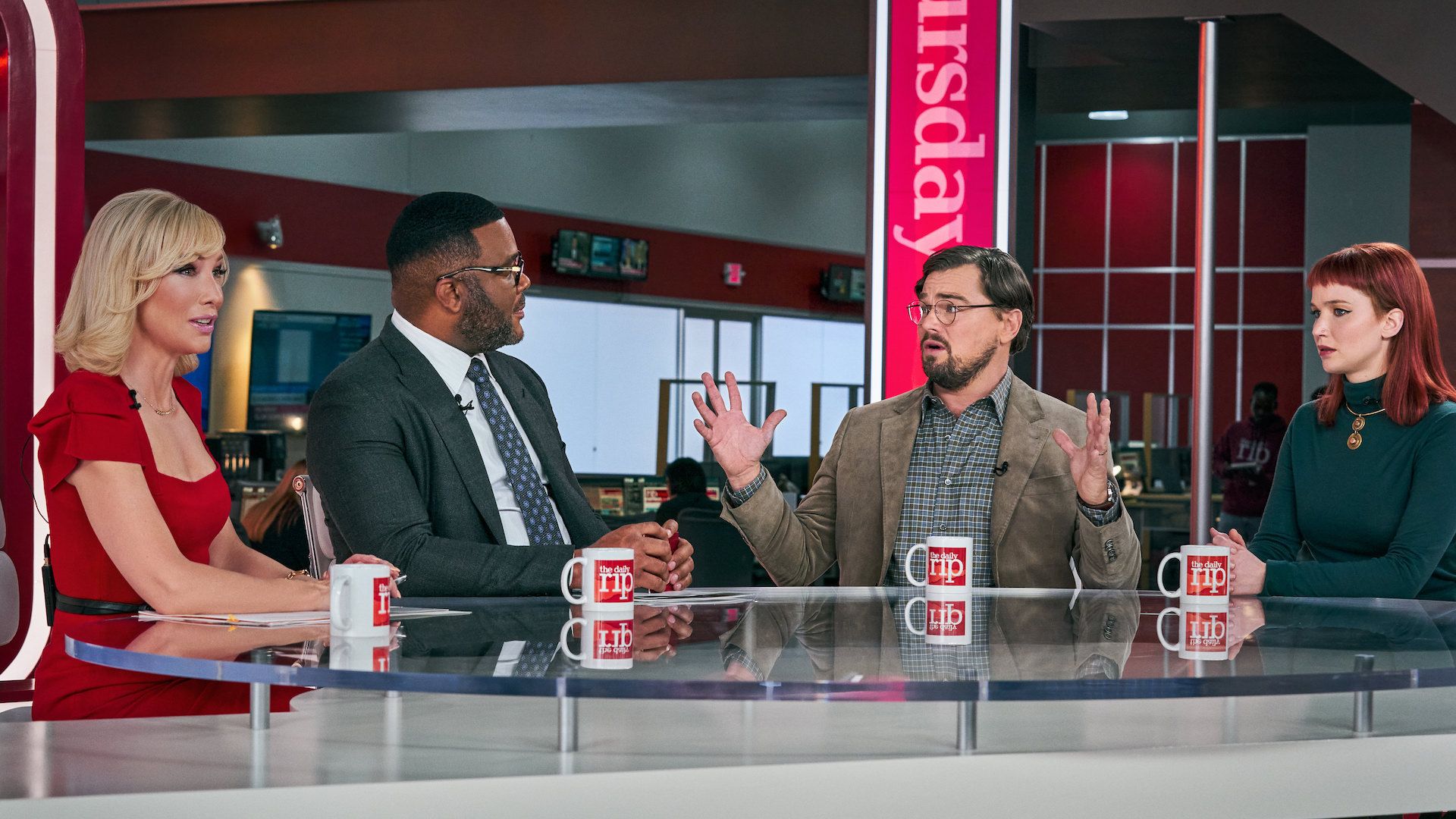
"Don't Look Up", the new movie directed by Adam McKay of "The Big Short" fame, is the most ambitious, acerbic and powerful climate change and media satire ever made.
Why it matters: Pop culture depictions of climate change can start conversations and change minds, potentially clearing the way for more policies to combat the problem, or on the other hand, hardening opposition against cutting emissions.