Netflix's stock was down more than 12% in after-hours trading on Thursday after the entertainment giant said it missed analyst expectations on earnings-per-share and added fewer subscribers than expected during the second quarter.
Why it matters: Netflix was supposed to be a safe bet for investors this quarter. Third-party measurement companies like Nielsen and Parrot Analytics suggested throughout the quarter that the entertainment giant was pulling ahead of competitors in the U.S. in terms of consumer engagement during the pandemic.
In two weeks from Thursday, the National Basketball Association is scheduled to resume the season that it abruptly suspended in March. All sorts of other businesses are watching closely — because if the NBA can't control infections inside of its Disney World bubble, then it increases concerns for everyone outside the bubble.
Axios Re:Cap digs in with The Washington Post's Ben Golliver, one of 10 NBA beat reporters currently on the inside.
Netflix has named head of content Ted Sarandos as co-CEO of the company, alongside chief executive Reed Hastings, it said Thursday when it released its quarterly earnings.
Why it matters: Co-CEO arrangements often prove unsustainable as long-term plans for running companies. It's likely this is a step toward Sarandos eventually heading the company on his own.
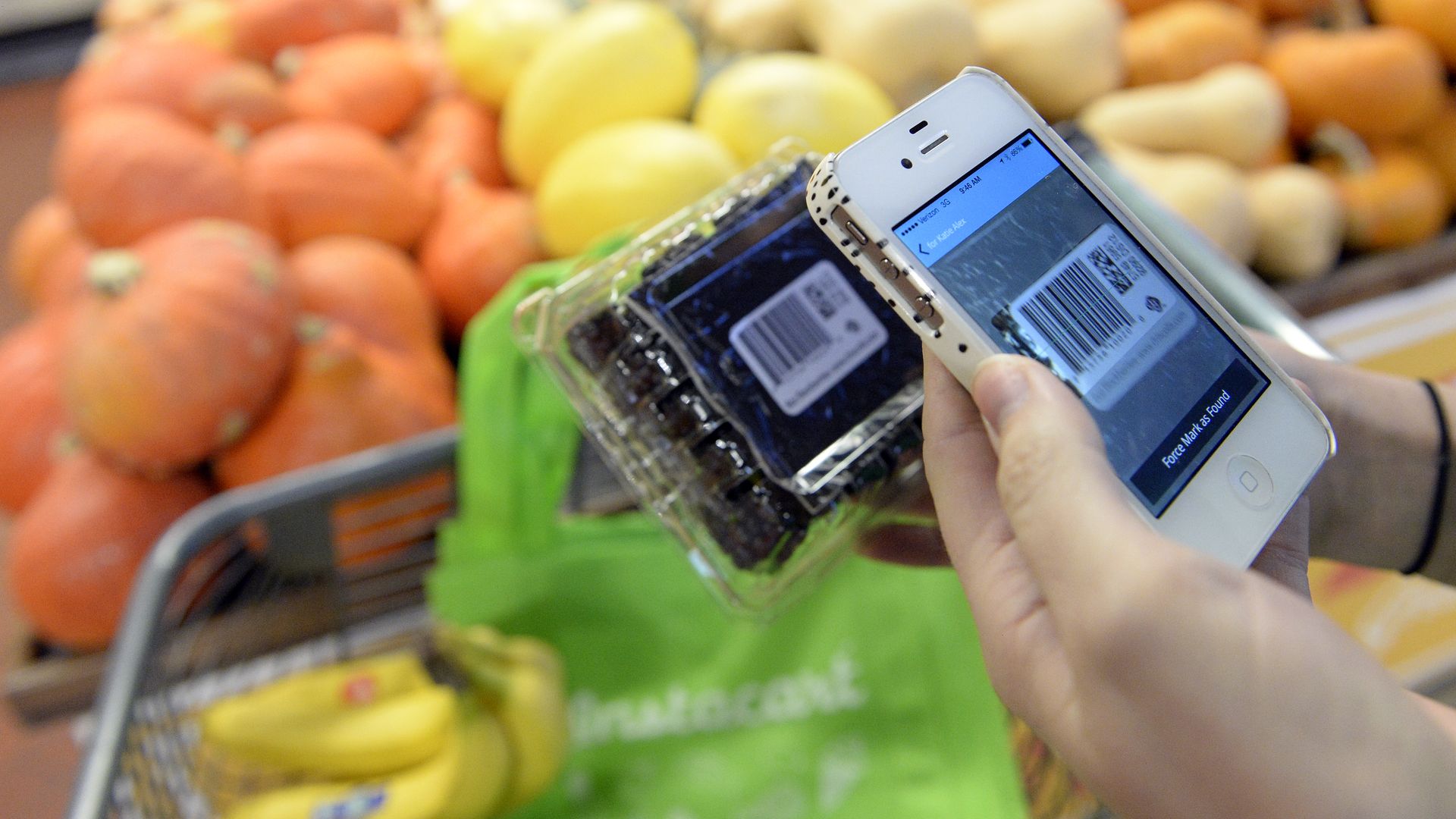
Instacart has filed a lawsuit against Cornershop, a grocery delivery company recently acquired by Uber, accusing the company of scraping material including thousands of images from Instacart's product catalog as it expanded to the U.S.
The big picture: Grocery delivery has been in the spotlight during the pandemic as Americans stay home much of the time, opting for delivery services instead. The boom in demand has also helped Instacart reportedly turn a profit for the first time.
For millions of tradersand CNBC addicts, the word "Tesla" doesn't mean cars — it means TSLA, one of the wildest large-cap stocks the world has ever seen.
Driving the news: On Monday alone, Tesla opened $114 higher than its previous close, then gained another $136 within 15 minutes, then dropped by $324 before the market closed. (Even during the drop there was a half-hour period where the stock rose another $100.)
Tesla is the company of the moment — the prime exemplar of just about any big and important trend that you might care about.
Why it matters: Almost every reader of finance and business news will have at least one strongly-held opinion about Tesla. What you might not realize is just how widely those opinions range, and the degree to which they map onto much broader views of the world.
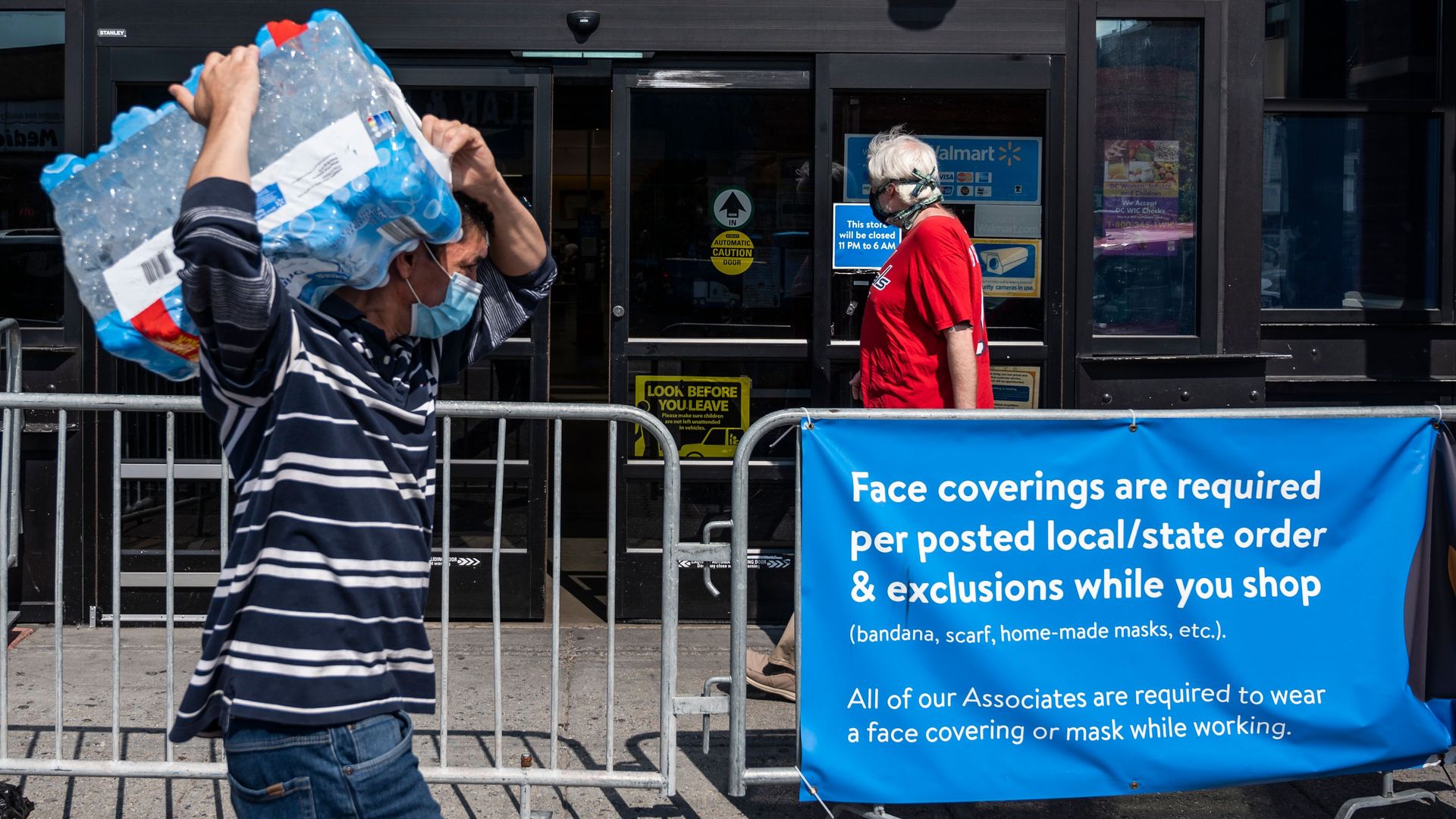
Cities ravaged by the coronavirus pandemic have a chance to come back stronger — and more equitable — than they were before, if they're willing to get creative in the way they think about budgeting, public services and infrastructure.
Why it matters: Making smart decisions now can help build more equitable, livable cities that will also be better equipped to weather public health crises. But if local leaders simply default to old habits, they'll entrench inequities that the pandemic has exploited and made worse.
SMIC, China's largest chipmaker, raised $6.62 billion in an IPO on Shanghai's STAR Market, and saw its share price more than triple during its first day of trading. It will continue to be listed in Hong Kong.
Why it matters: This is the largest mainland China IPO since 2010, and makes SMIC the most valuable Shanghai-listed tech company with a market cap north of $84 billion.
The bottom line: "The share sale is an important moment for the company but also China’s broader ambition to grow its domestic semiconductor industry, a push that has been accelerated by the trade war between the U.S. and China," wrote Arjun Kharpal of CNBC.
In April, several prominent Democrats proposed a moratorium on large mergers and acquisitions. Their argument was that the pandemic would embolden the strong to pounce on the weak, thus reducing competition.
Fast forward: The moratorium never materialized. Nor did the M&A feeding frenzy.
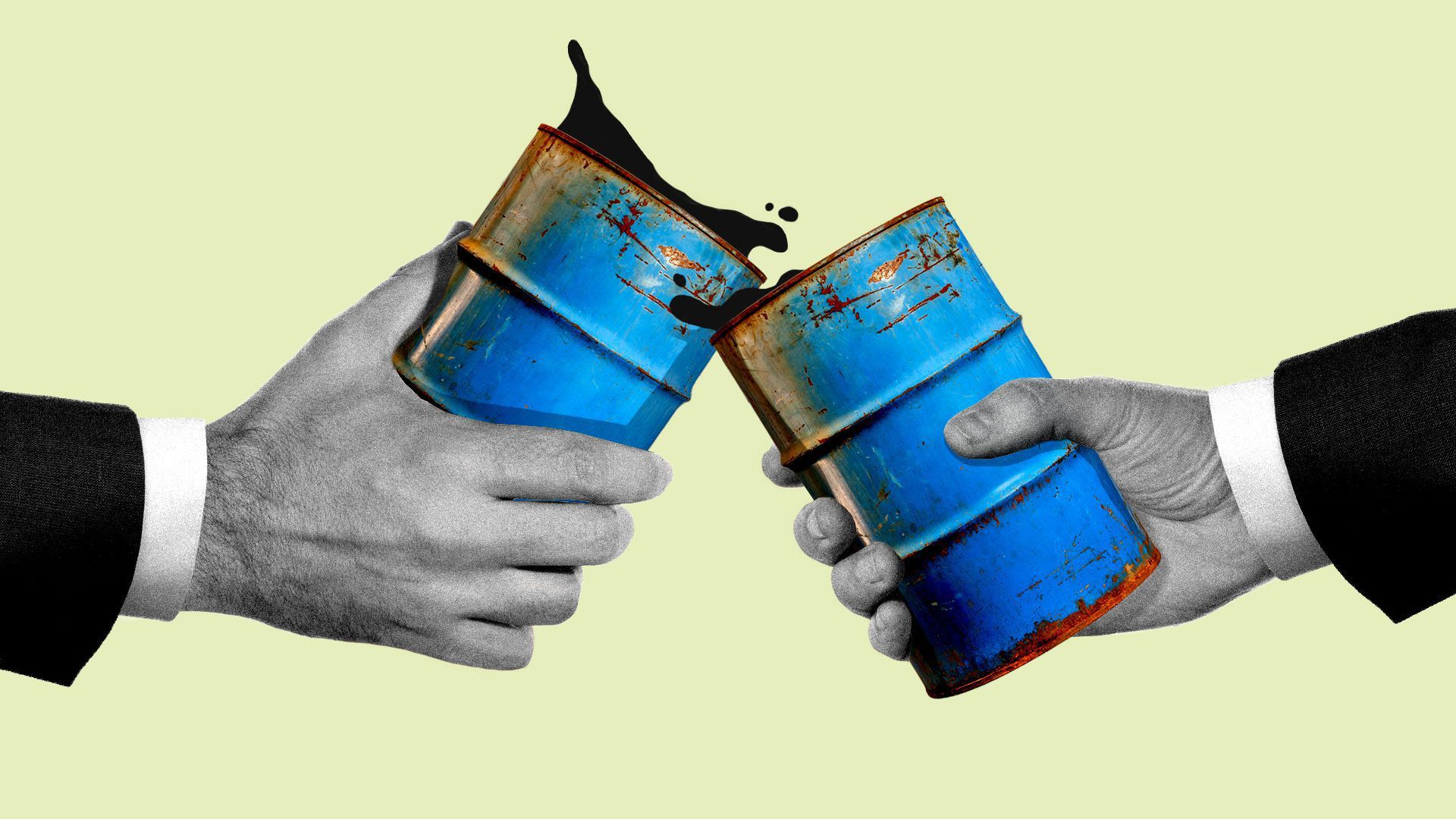
A group of the world's largest oil-and-gas companies this morning pledged near-term cuts to greenhouse gas emissions from their operations.
Why it matters: It's the latest step by energy giants — including Exxon and state-owned behemoths like China's CNPC — to address climate change. Activists say, however, the industry as a whole is moving far too slowly compared to the scope of the problem, especially outside of Europe.
U.S. retail sales rose 7.5% in June, after a revised record 18.2% jump in May, the Commerce Department said Thursday.
Why it matters: Consumer spending accounts for roughly 70% of U.S. economic activity, and June's retail sales nearly reached February's pre-pandemic levels, driven by spending at car dealerships, clothing and furniture stores. But economists warn it may have since slowed as states began to reimpose lockdowns amid surging coronavirus caseloads.
More than 32 million Americans are receiving some form of unemployment benefits, according to data released by the Labor Department on Thursday.
Why it matters: Tens of millions of jobless Americans will soon have a smaller cash cushion — as coronavirus cases surge and certain parts of the country re-enter pandemic lockdowns — barring an extension of the more generous unemployment benefits that are set to expire at the end of the month.
The share of mortgages that went from current to 30 days past due rose to 3.4% in April, the highest reading on record, data firm CoreLogic reported this week. The previous peak in the transition rate was 2% in November 2008.
Yes, but: CoreLogic's data doesn't track whether the delinquencies were related to missed payments or forbearance programs.
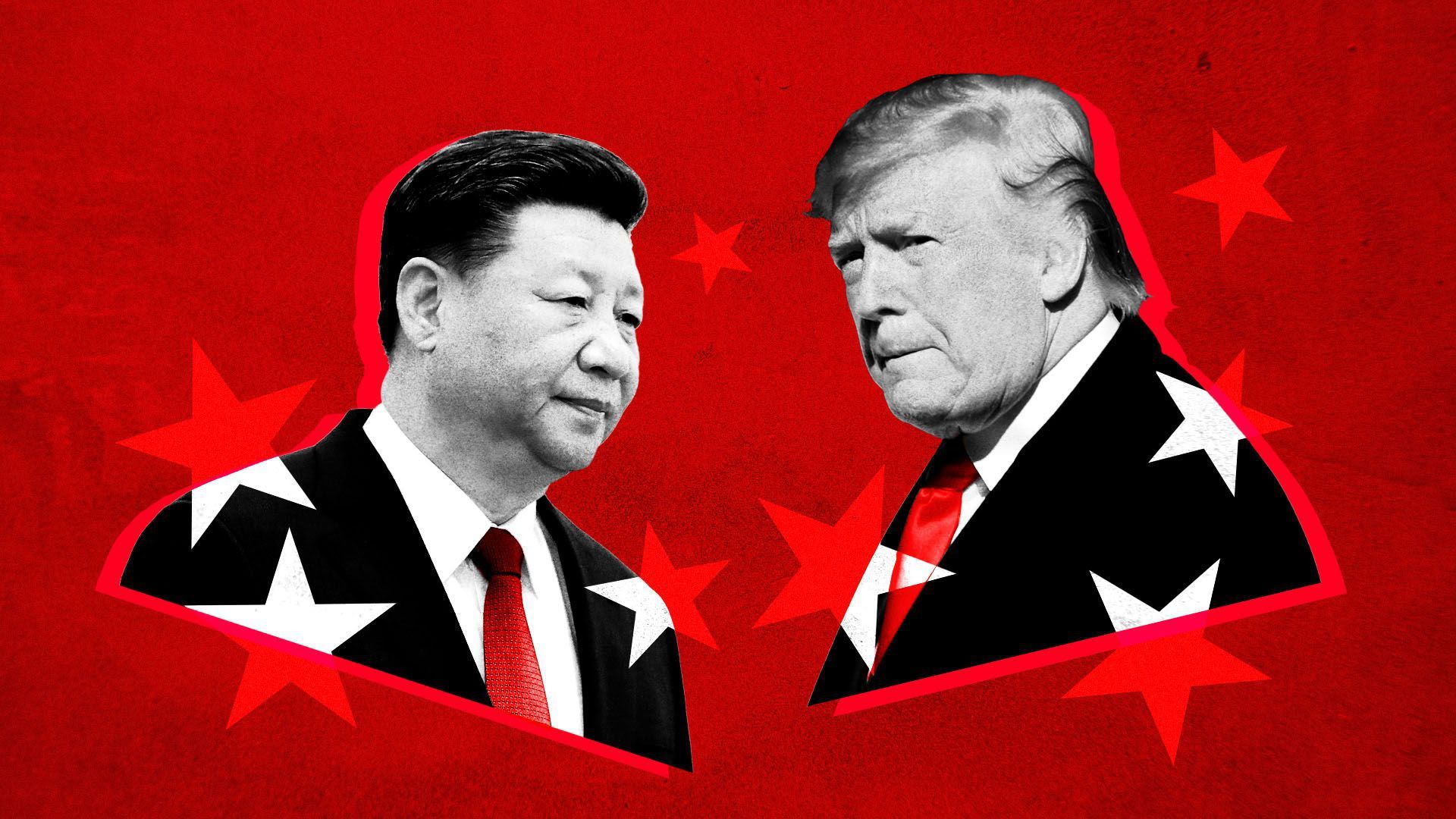
Lost amid headlines about the coronavirus pandemic and the seemingly unstoppable stock market rally, has been the monthslong escalation of tensions in the U.S.-China trade war — and it's likely here to stay.
Why it matters: The tariffs continue to impress a sizable tax on U.S. companies and consumers, adding additional costs and red tape for small businesses, farmers, manufacturers and households trying to stay afloat amid the pandemic.
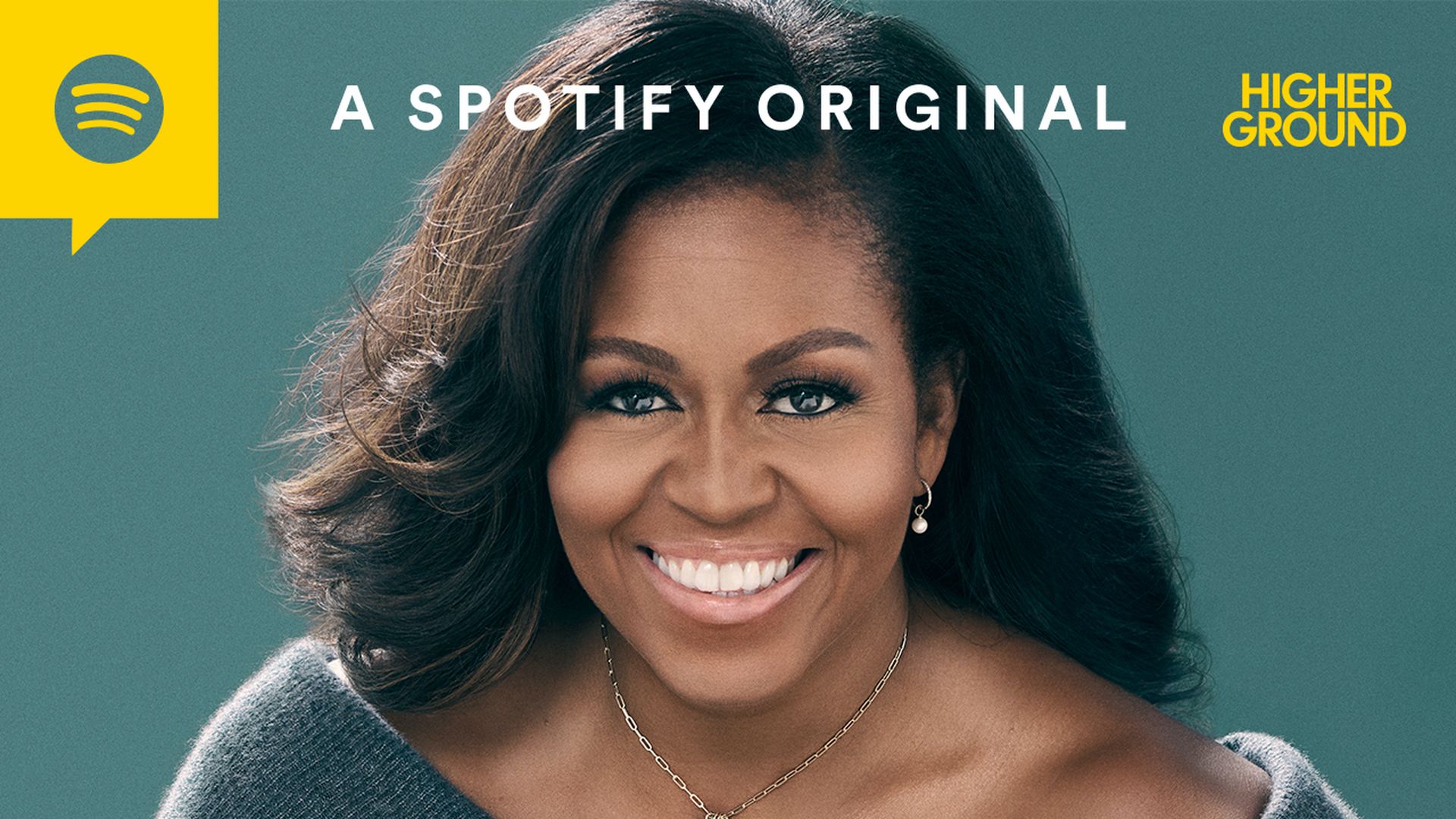
Spotify announced Thursday that "The Michelle Obama Podcast," the first podcast as part of its partnership with the Obamas' production company Higher Ground, will debut on July 29 for both free and paid subscribers.
Why it matters: It's the latest big media project from the former first lady. Her stated goal, alongside former President Obama, is to use media platforms like podcasts, film and social media to help Americans achieve a greater understanding of the world and to inspire young people.

/2020/07/16/1594920496298.gif?w=3840)