Walmart’s expensive attempt to woo wealthy shoppers is ending in failure.
Driving the news: Jetblack, Walmart’s personal shopping startup, is closing its doors, per WSJ. The service, which charged members $600 a year for a personal shopper whom they could text to get anything delivered — except fresh food — was costing the company thousands of dollars because it just never gained much popularity.
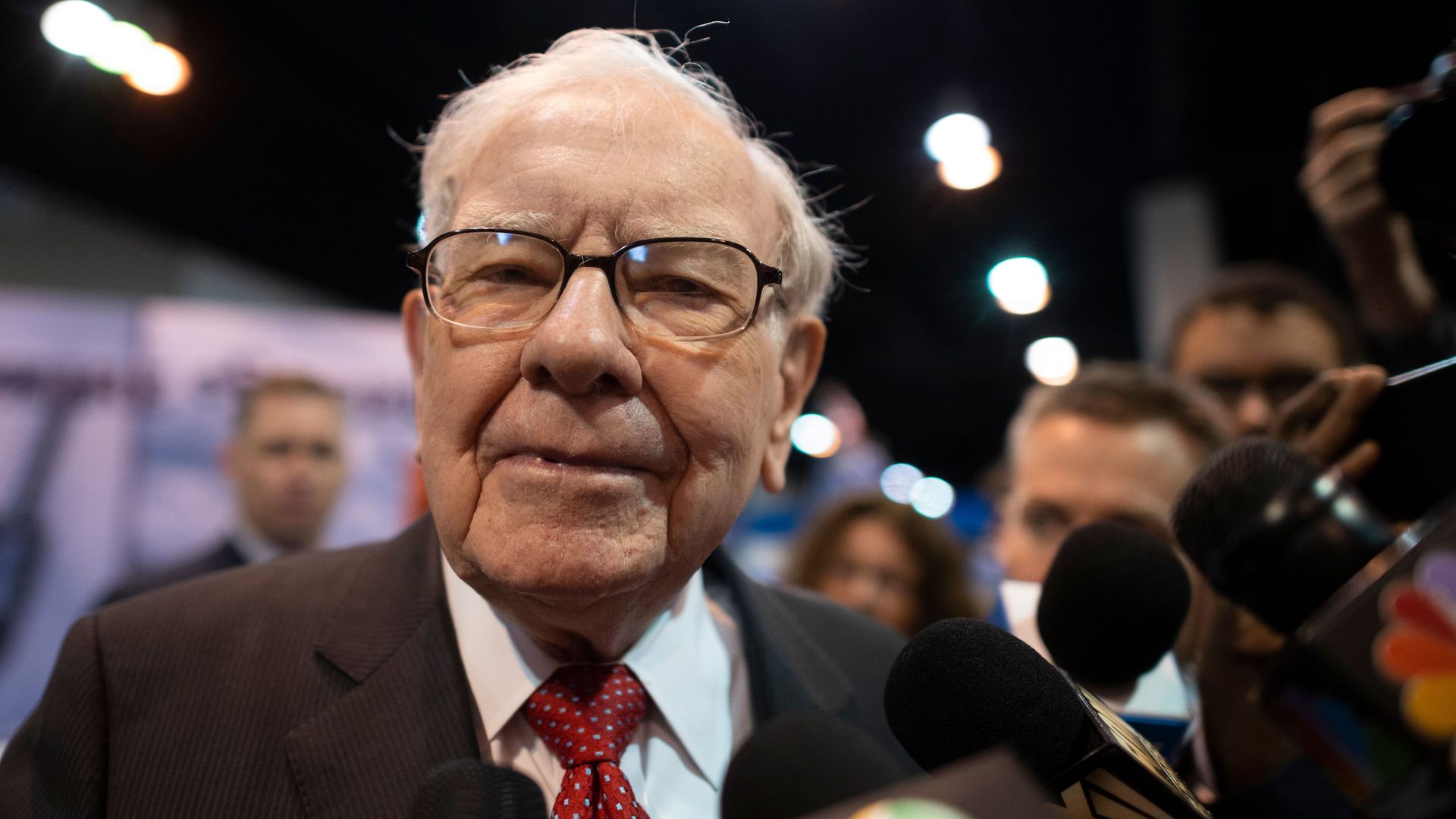
Warren Buffett turns 90 in August, and his holding company Berkshire Hathaway could be in for a stock-boosting makeover after he eventually retires, Andrew Bary of Barron's writes (subscription).
Why it matters: Many investors believe that new leadership could allow room for new value as the conglomerate breaks up, Bary writes — "or at least be more amenable to an idea that Buffett opposes."
Friday night's expensive — and hopefully romantic — prix fixe dinner for two isn't as lucrative for the restaurant industry as you might think.
Why it matters: Valentine's Day "ranked 94th in the year for consumer spending at local places nationwide" in 2019, Bloomberg reports, lower than Cinco de Mayo and a bunch of regular Saturdays.
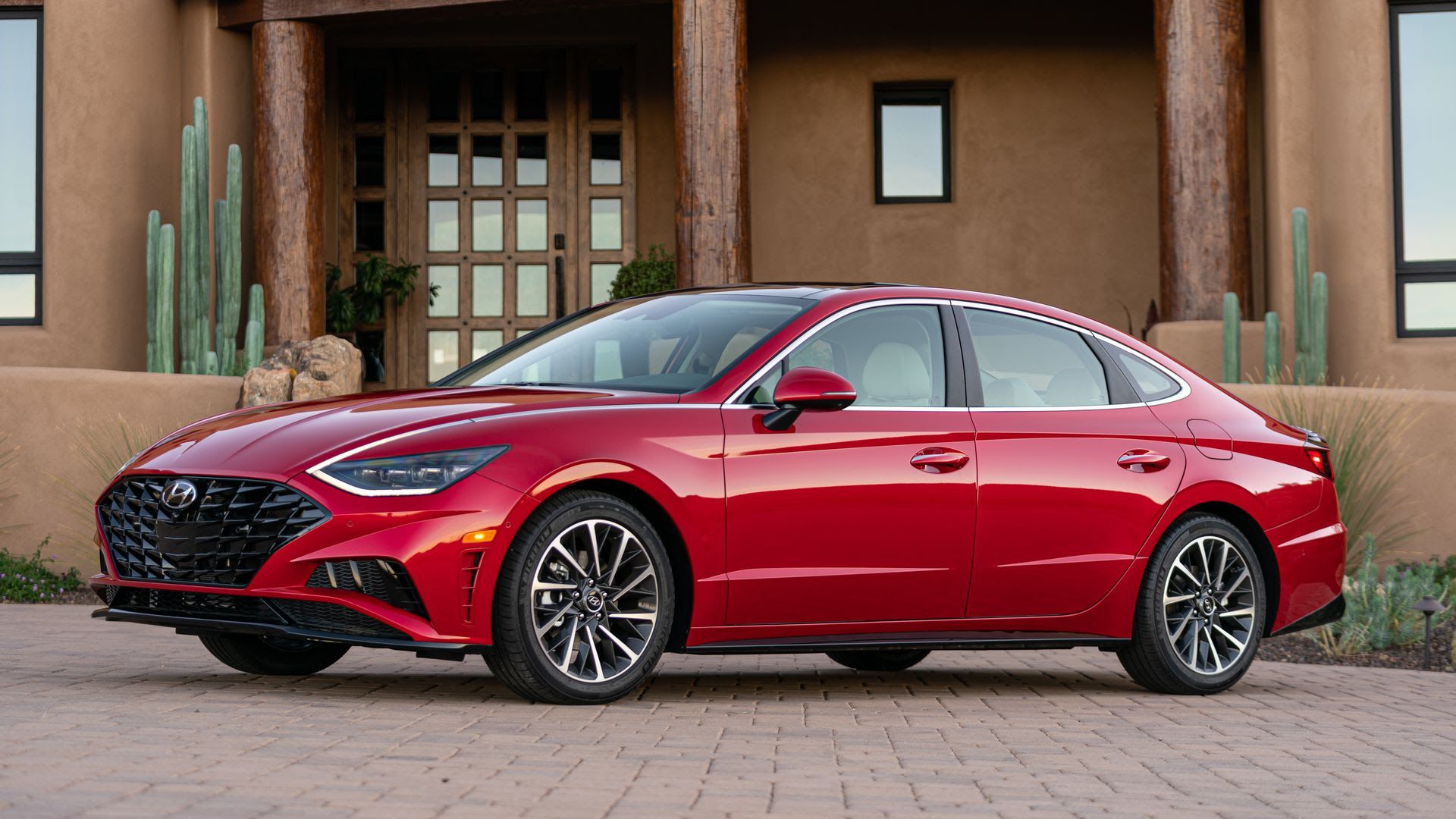
This week I'm driving the 2020 Hyundai Sonata, a car that purports to park itself.
Reality check: The heavily advertised "Smaht Pahk" feature has limited capability. Sure, it can pull itself head-on into a tight parking space and back out too, but that's about it.
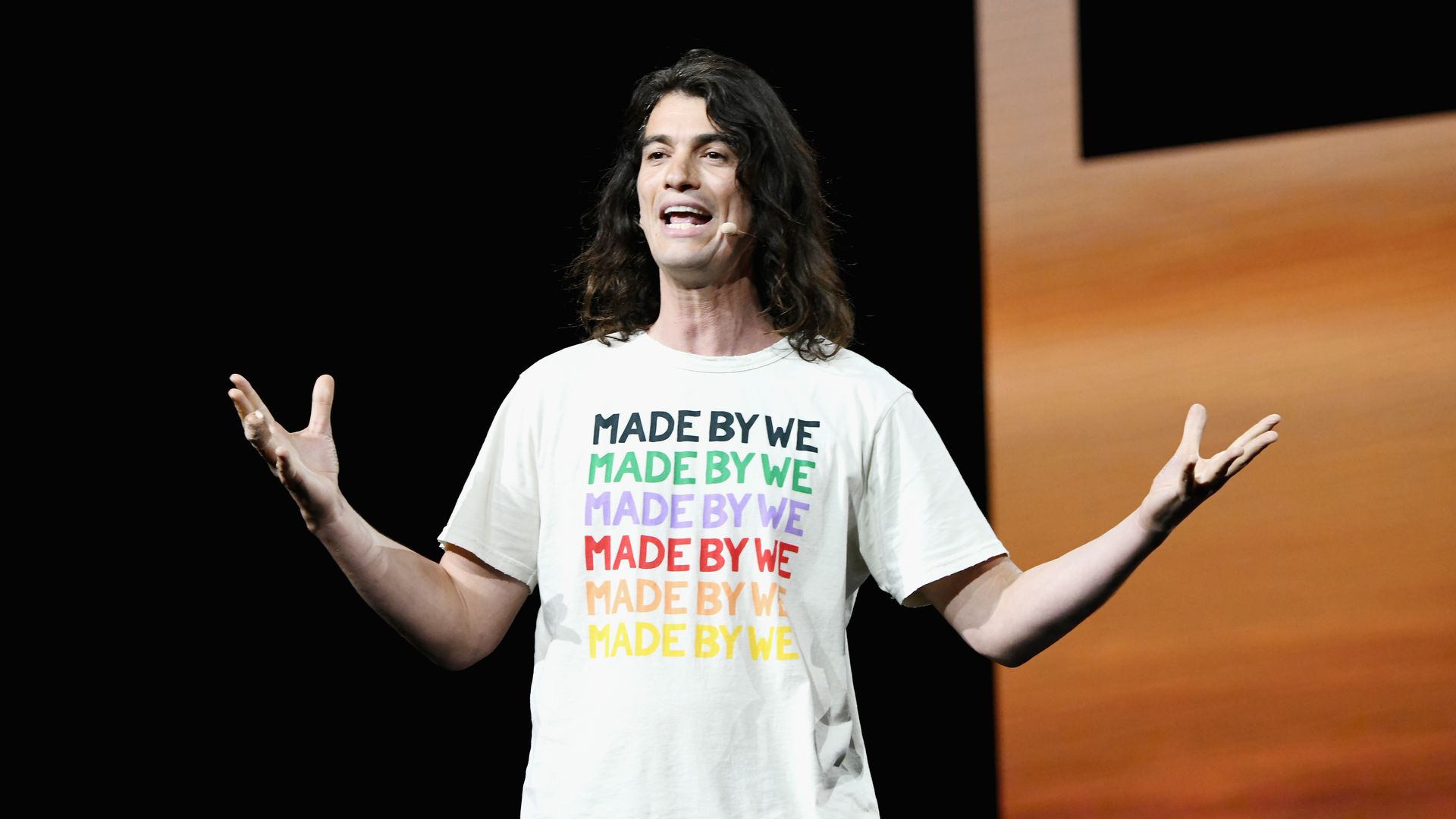
Marcelo Claure, a SoftBank executive who's currently doubling as WeWork's executive chairman, told CNBC on Tuesday that people misunderstand ousted CEO Adam Neumann's exit package: "To say that he has walked away with over a billion dollars is totally false."
Why it matters: Claure intentionally muddled the present and past tense. Neumann indeed will walk away with over $1 billion, he just hasn't done so yet because SoftBank's tender offer for WeWork shares hasn't closed. Neumann, currently living in Israel, is able to tender up to $970 million worth of shares. That's on top of the nearly $200 million he already received to give up his voting rights, and a $500 million credit line to repay existing loans.
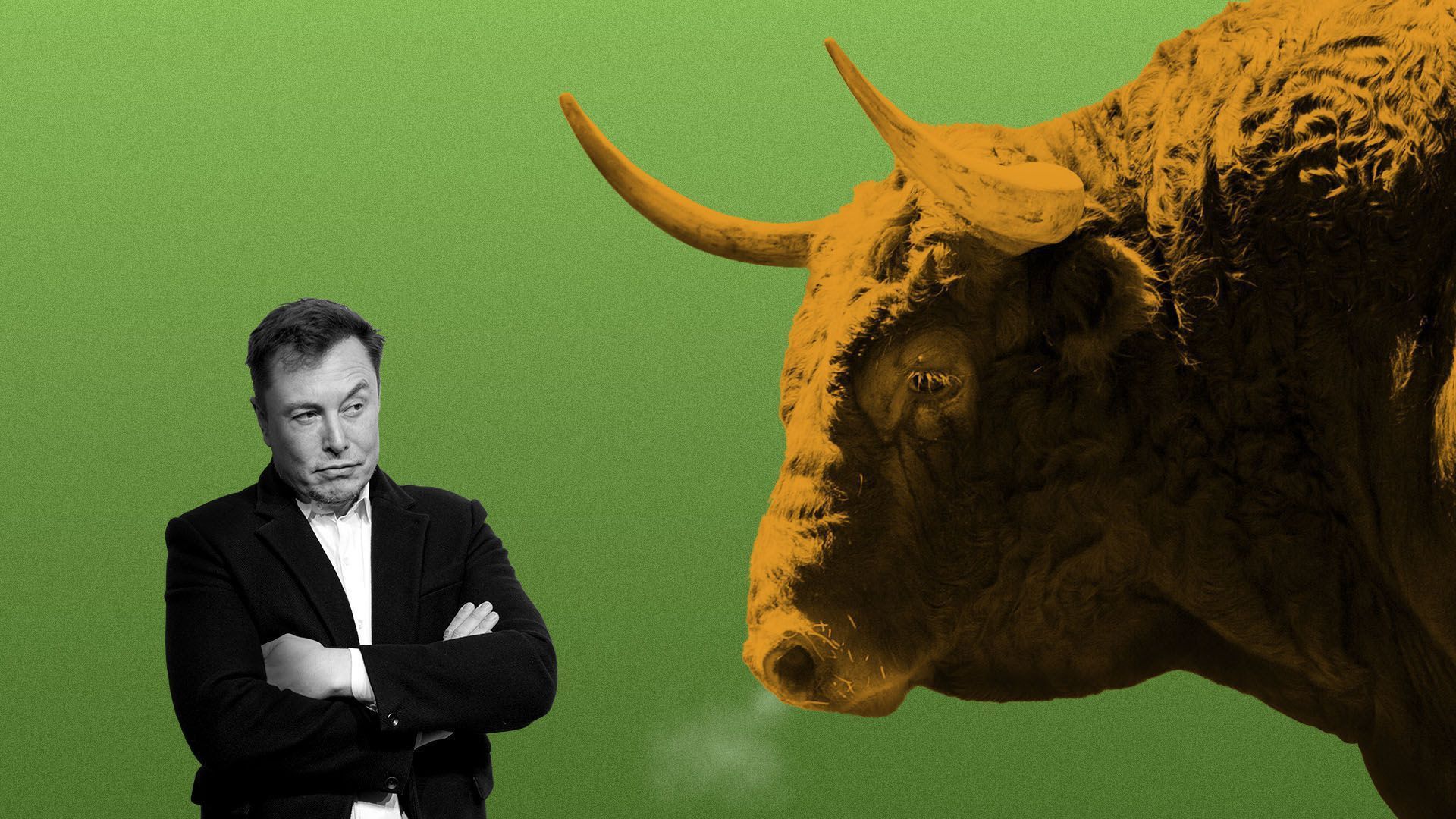
Tesla raised $2.03 billion in a secondary stock offering, pricing at $767 per share. That's a 4.6% discount to yesterday's closing price, and an 86.2% premium to where CEO Elon Musk infamously tweeted that he had "funding secured."
Why it matters: Momentum floats apparently are a thing now, as this comes just two weeks after Musk said on an earnings call that "it doesn’t make sense to raise money because we expect to generate cash."
Facebook said Friday that political candidates, campaigns and groups can use paid branded content across its platforms, a clarification prompted by a move from Michael Bloomberg's campaign to pay top Instagram influencers to post memes on its behalf.
The big picture: Its policy didn't explicitly state that it was OK for candidates to use branded content posts, but after hearing from various campaigns about the issue, Facebook moved to clarify its stance.
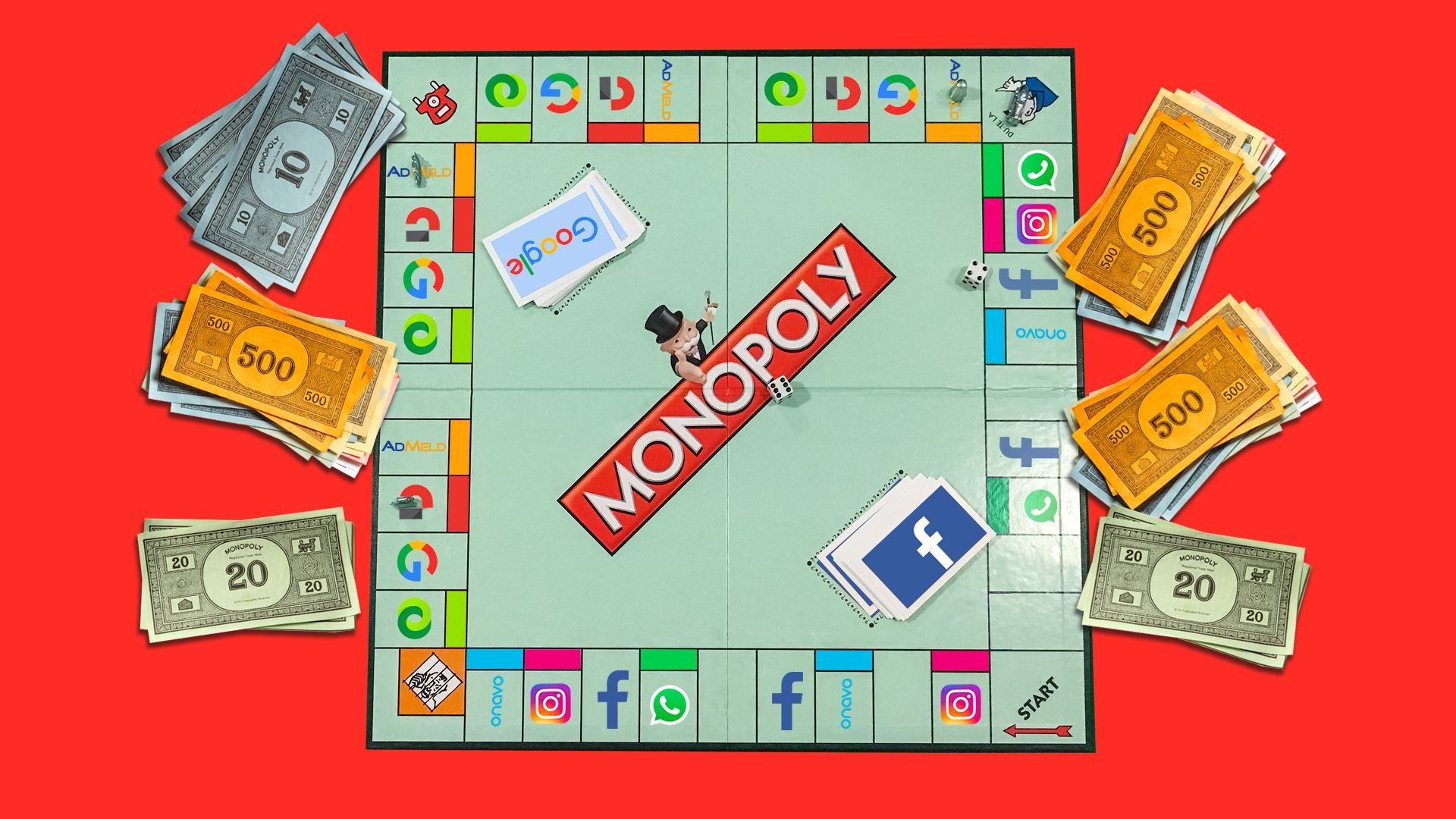
Silicon Valley investors downplayed concerns that big tech companies inhibit startups, during a recent workshop hosted by the U.S. Justice Department and Stanford University's law school.
Thanks to a cadre of better-than-expected earnings results from the companies that have reported their fourth-quarter earnings so far, the earnings growth rate for the S&P 500 has risen to 0.7%.
Why it matters: That is a far cry from the estimated earnings decline of -1.7% at the end of the quarter. If it holds, this would mark the first time the index has reported year-over-year growth in earnings since Q4 2018.
For the past 25 years, the U.S. has seen zero inflation in goods and 3% to 4% inflation in services.
Details: Goods are things you buy in stores and services are housing, health care and education, Deutsche Bank Securities chief economist Torsten Slok notes. The weight to goods in the CPI index is 1/3 and the weight to services is 2/3.
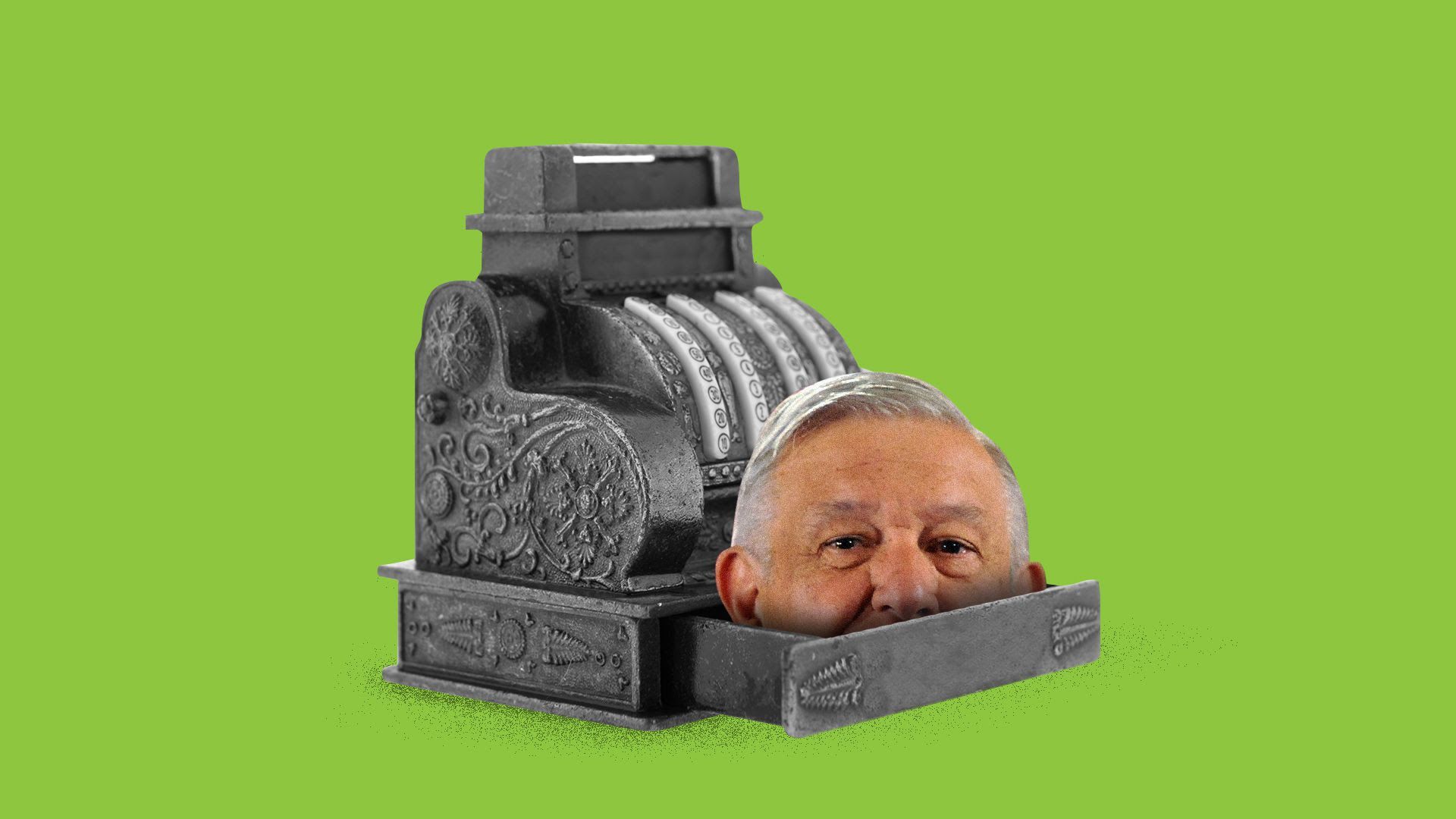
Under socialist President Andrés Manuel López Obrador, referred to as the "Bernie Sanders" of Mexico during his campaign, the country's assets have been "a virtual cash register" for investors.
State of play: While many have been skittish about embracing the controversial and unorthodox new president, during his tenure AMLO has made it rain on financial markets, boosting bond prices and pumping the value of the Mexican peso.
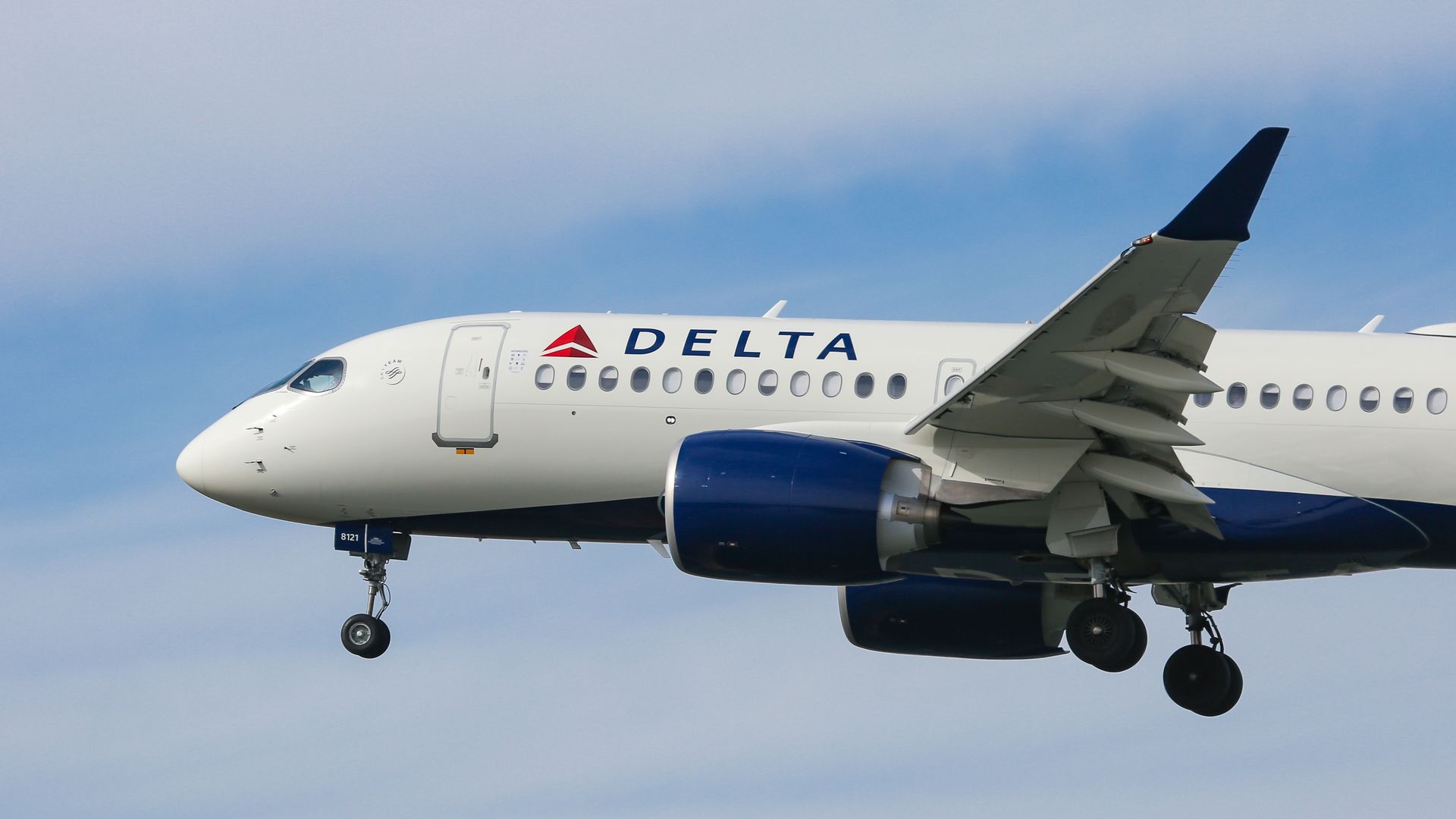
Delta Airlines is spending $1 billion over the next decade to essentially cancel out all of its future greenhouse gas emissions beginning March 1, the company announced Friday.
The big picture: Delta is the world’s biggest airline by revenue, and this news is the latest in a rapidly growing trend of corporations announcing climate-change goals in response to public and investor pressure.
The banking world was rockedthis week with two major headlines: One, that Wells Fargo is dropping its mandatory arbitration clause for employee sexual harassment complaints; and two, that a former employee of PNC won a $2.4 million jury award in her harassment case against the bank.
Why it matters: Originally, the #MeToo movement was largely focused on the media and entertainment worlds, before migrating to technology companies. Now it looks like commercial banks are in the crosshairs, too.