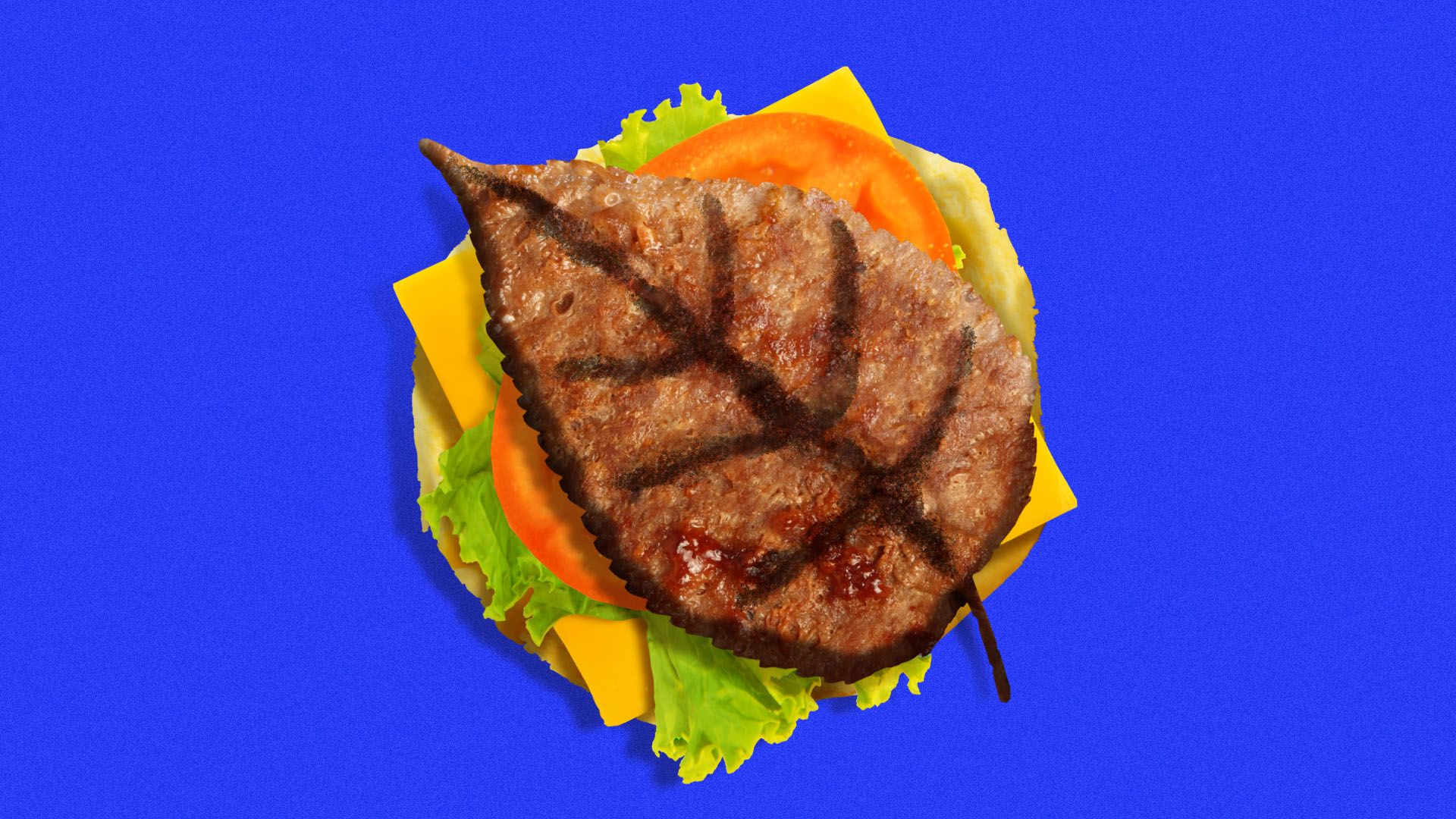
The fast-food industry has fallen in love with plant-based "meats" and the boost in foot traffic and sales they provide from more health- and climate-conscious consumers.
Why it matters: The public’s growing interest in plant-based "meat" has start-ups trying to scale up and expand their market share, and food giants, such as Tyson Foods, are trying to muscle—and cash—in. The plant-based meat industry has seen $12.6 billion in sales and $4.5 billion in revenue as of July 2019, according to the Plant Based Food Association, and such non-meat burgers were estimated to be in 7,200 Burger Kings, 1,000 Carl's Jrs., and hundreds of other fast-food joints at the close of 2019.
Google began capitalizing on law enforcement's request for user data this month, the New York Times reports.
The big picture: Big Tech giants like Amazon, Facebook, Twitter, TikTok, and Microsoft explicitly announce they might seek reimbursement for giving personal data to federal agencies and law enforcement, which they're legally entitled to do.
In yet another blow to the cashless revolution, New York City lawmakers passed legislation banning stores from going cash-free this past week.
What's happening: Several stores — including Amazon Go, Sweetgreen and Shake Shack — are leading an effort to do away with cash. But cities are fighting back, saying that stores that don't accept cash discriminate against millions of Americans, mostly the poor, elderly and immigrants, who don't use credit cards. New York follows Philadelphia, San Francisco, New Jersey and Massachusetts in banning cashless stores.
The last quarter of 2019 saw a big jump in demand for a bundle of jobs that could dominate the future, per an index tracked by the IT services firm Cognizant.
Why it matters: "The notion that there's gonna be a jobs apocalypse has been with us for the last decade, but the data shows that's not coming to pass," says Rob Brown, VP of Cognizant's Center for the Future of Work.
The big picture: Sciorra recounted her sexual assault at the trial Thursday. Perez told the jury Sciorra called her multiple times about her experience and him harassing her.
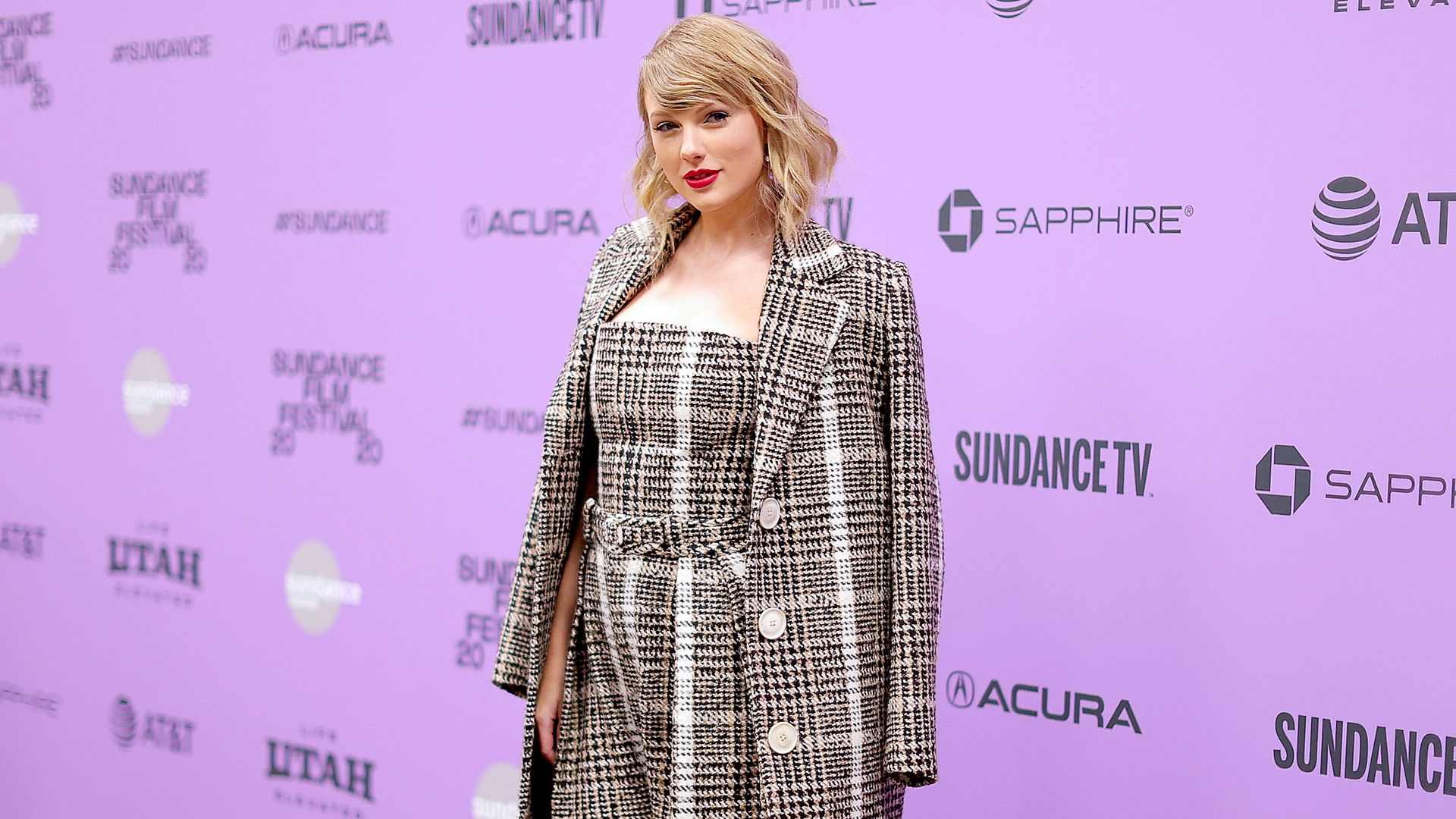
Taylor Swift says in a forthcoming Netflix documentary that she wishes she commented on politics for the first time in 2016 to help defeat President Trump, rather than breaking her silence ahead of the 2018 midterm elections, per The Daily Beast.
What happened: A pivotal scene in "Miss Americana" shows Swift holed up with her family and public relations staff, preparing to endorse Democrat Phil Bredesen for Senate in Tennessee on Instagram. Told that the move might prompt the public to think she's simultaneously condemning the president, Swift responds, "I don’t care if they write that. I'm sad I didn't say it two years ago."
Corporate pledges to address climate change poured out of the World Economic Forum in Davos, Switzerland, this week, where the mood was surprisingly optimistic. Dan digs into if the words will match actions with Axios' David Lawler.
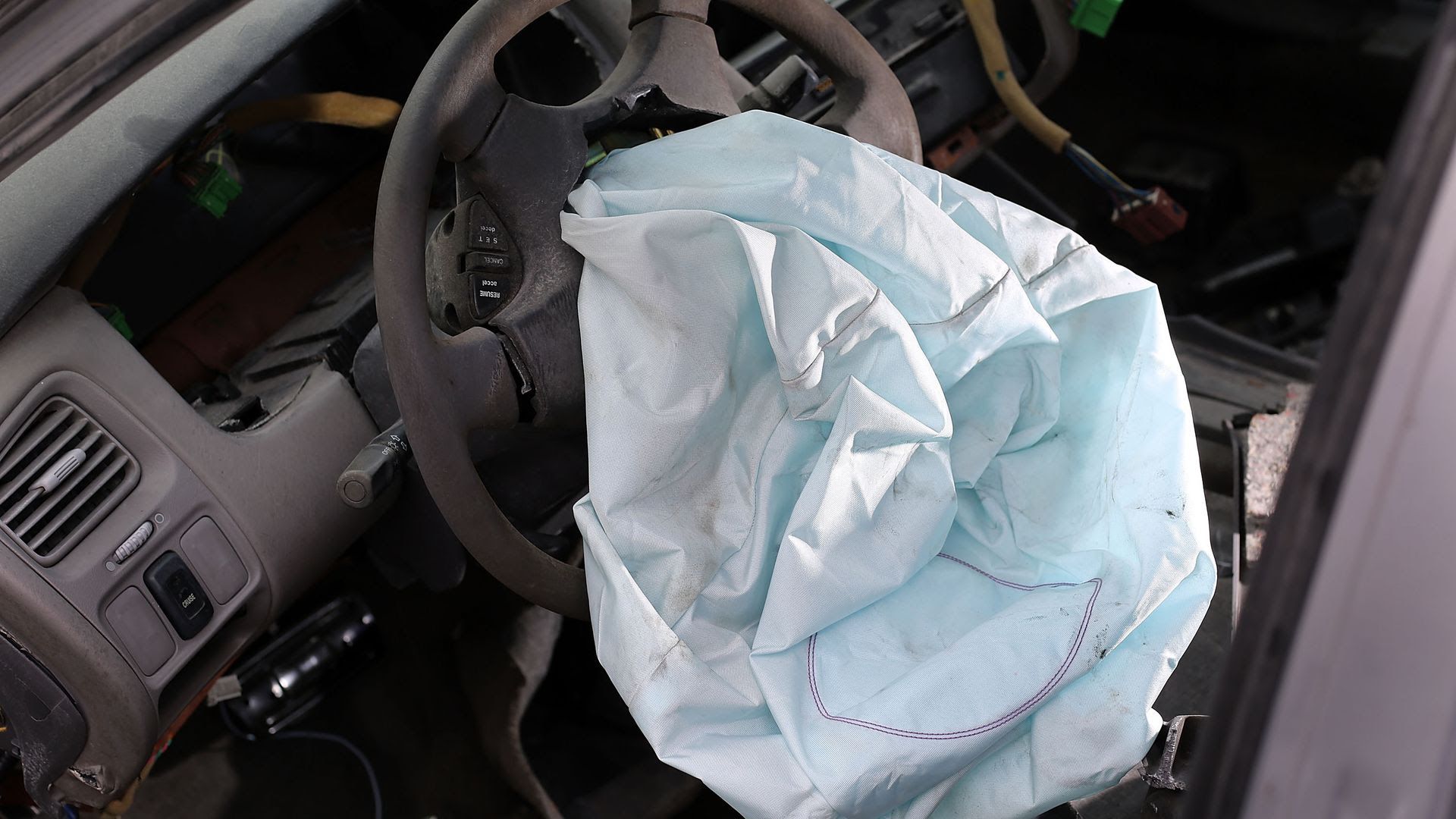
Four years after the federal government recalled tens of millions of Takata airbags for dangerous defects, about 28% of those vehicles remain unrepaired.
Why it matters: The Takata airbag recall is the largest and most complex safety recall in U.S. history, with roughly 56 million defective airbags recalled in approximately 41.6 million vehicles.
Goldman Sachs announced Thursday that it won't help take European and North American companies public unless they have at least one "diverse" board director, effective July 1.
The big picture: In general, this is a positive development. Board diversity has been shown to improve company performance, per numerous academic studies, and far too many issuers continue to rely on bogus "pipeline" or meritocracy excuses for their boardroom homogeny.
The number of companies around the world that had their credit ratings downgraded from investment grade to speculative grade — so-called fallen angels — hit the lowest level in 23 years, S&P Global reported Thursday.
Context: There were only 19 fallen angels last year, which marked the fourth consecutive year the number has declined, the longest stretch on record.
Growth slowed for local economies virtually everywhere in the U.S. last year, and is declining again at the start of this year as consumers pare back spending and business growth stalls.
What they're saying: So says business directory service Yelp, which used data from its more than 100 million users to track the number of businesses opening or closing and consumer demand.