Michael Klein, a former Citi banker who now runs his own M&A advisory firm, is considering a takeover bid for broadcaster Univision, per Bloomberg.
Why it matters: Univision's private equity owners have wanted to exit for years, and Klein has a knack for getting difficult deals over the finish line.
Big moves in well-known companies like Tesla, Twitter, JPMorgan Chase and Ford have generated headlines this week but the broader market has been little moved. That's been true for the month, the quarter and the majority of the year.
By the numbers: As of market close Thursday, the S&P has risen 0.8% from its closing level a week ago; is up 1.1% so far in October; and up 2.3% since the end of Q2.
The pace of wage increases and hiring is slowing, ADP data shows, as the previously red hot U.S. labor market continues to cool.
Why it matters: "Though wage growth remains healthy, the tight labor market continues to pressure wages and fuel growth across nearly all industries, but employers may be losing the capacity to raise paychecks any further."
Twitter, Facebook, and Instagram all hosted or will host news events this week to discuss what they're doing to promote quality journalism ahead of 2020.
Why it matters: Social media companies have been under attack since the 2016 election for not doing enough to combat misinformation and promote quality content, especially around politics. Now, they want to get ahead of the problem before it's too late.
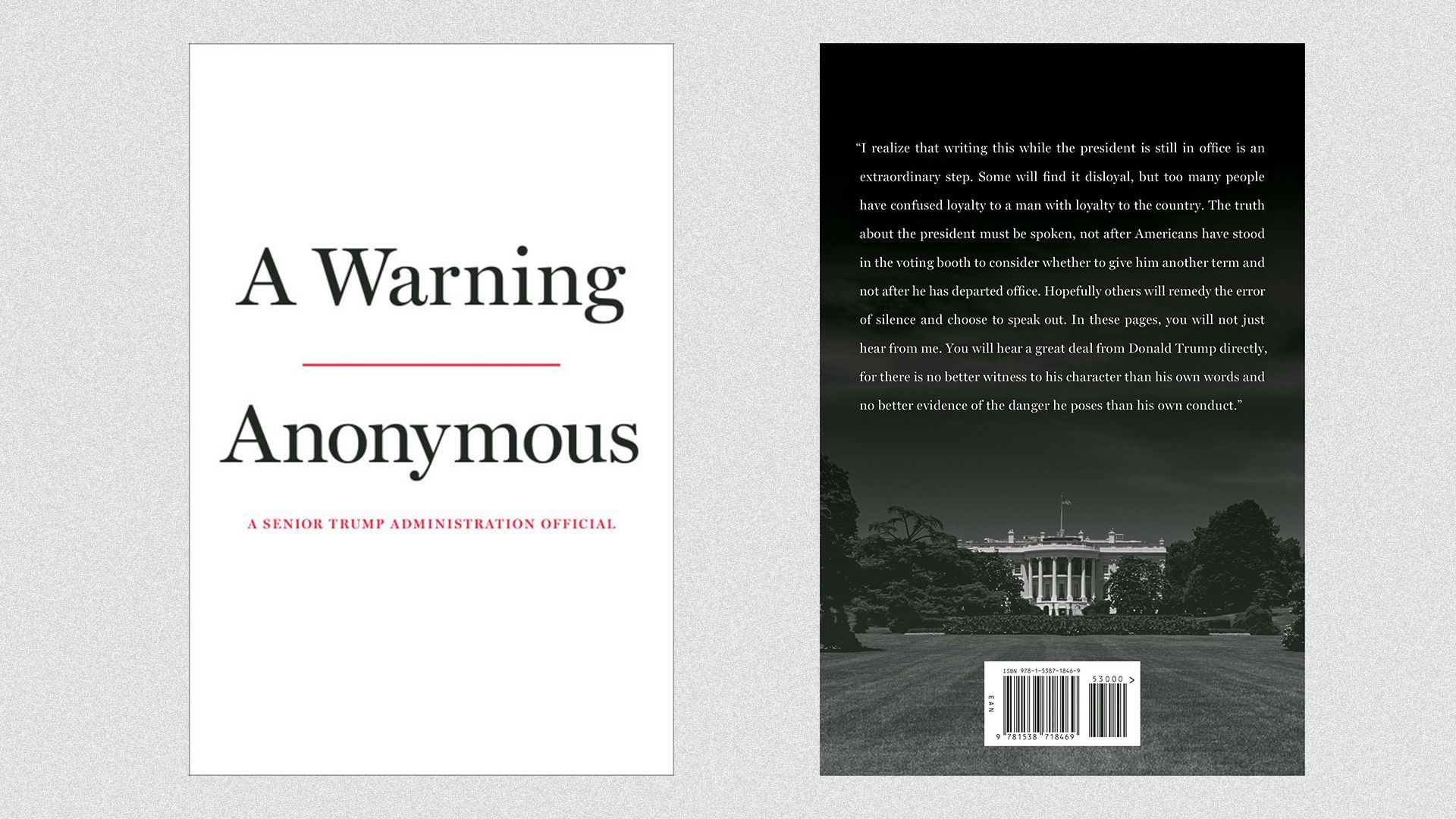
The anonymous "senior Trump administration official" who will release a tell-all book, "A Warning," next month was a frequent participant in meetings with President Trump and plans to recount specific conversations, sources tell me.
The state of play: The author,who has been silent since last year's mysterious New York Times op-ed, has access to extensive, internal notes that will be revealed in the book, out Nov. 19.
Some flywheels are broken, and can fall apart astonishingly quickly. This week's WeWork news provides a prime example — one that will be very familiar to millionaire pop artist Jeff Koons.
How it works: The flywheel is one of those concepts you come across a lot in business and strategy circles, especially as applied to Amazon. Jeff Haden does a great job of describing the model here, but at heart it's any virtuous cycle.
CNN president Jeff Zucker told media reporter Brian Stelter at the "Citizen by CNN" conference onThursday that Fox News is "akin to state-run TV" and that he doesn't consider it to be a journalistic organization.
I review Walter Mattli's book, "Darkness by Design," in the latest issue of Foreign Affairs and he has a provocative yet compelling thesis.
What he's saying: He believes the U.S. stock market was much better regulated before 2005, in the years when the New York Stock Exchange had monopoly power and self-regulation had teeth.
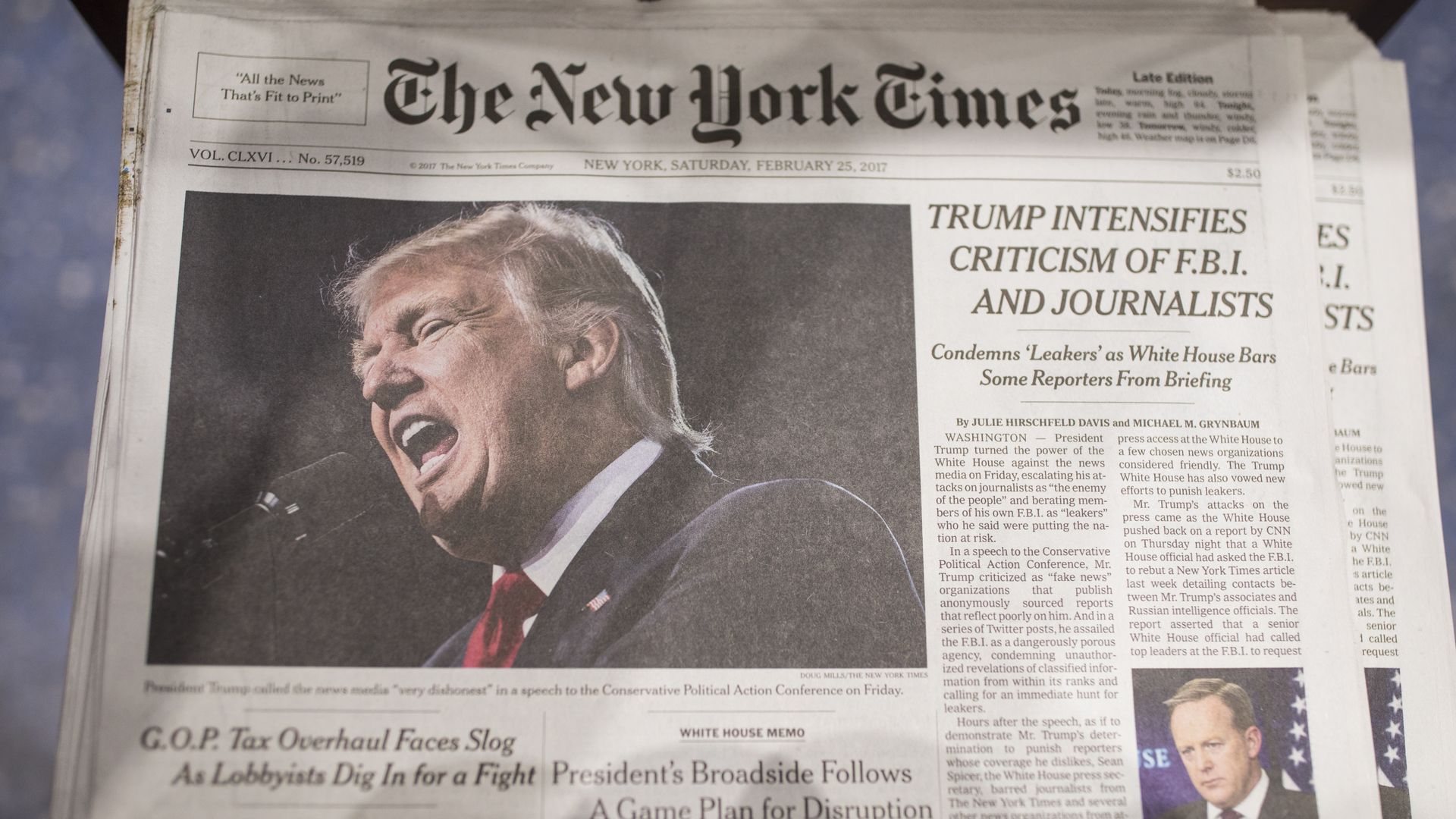
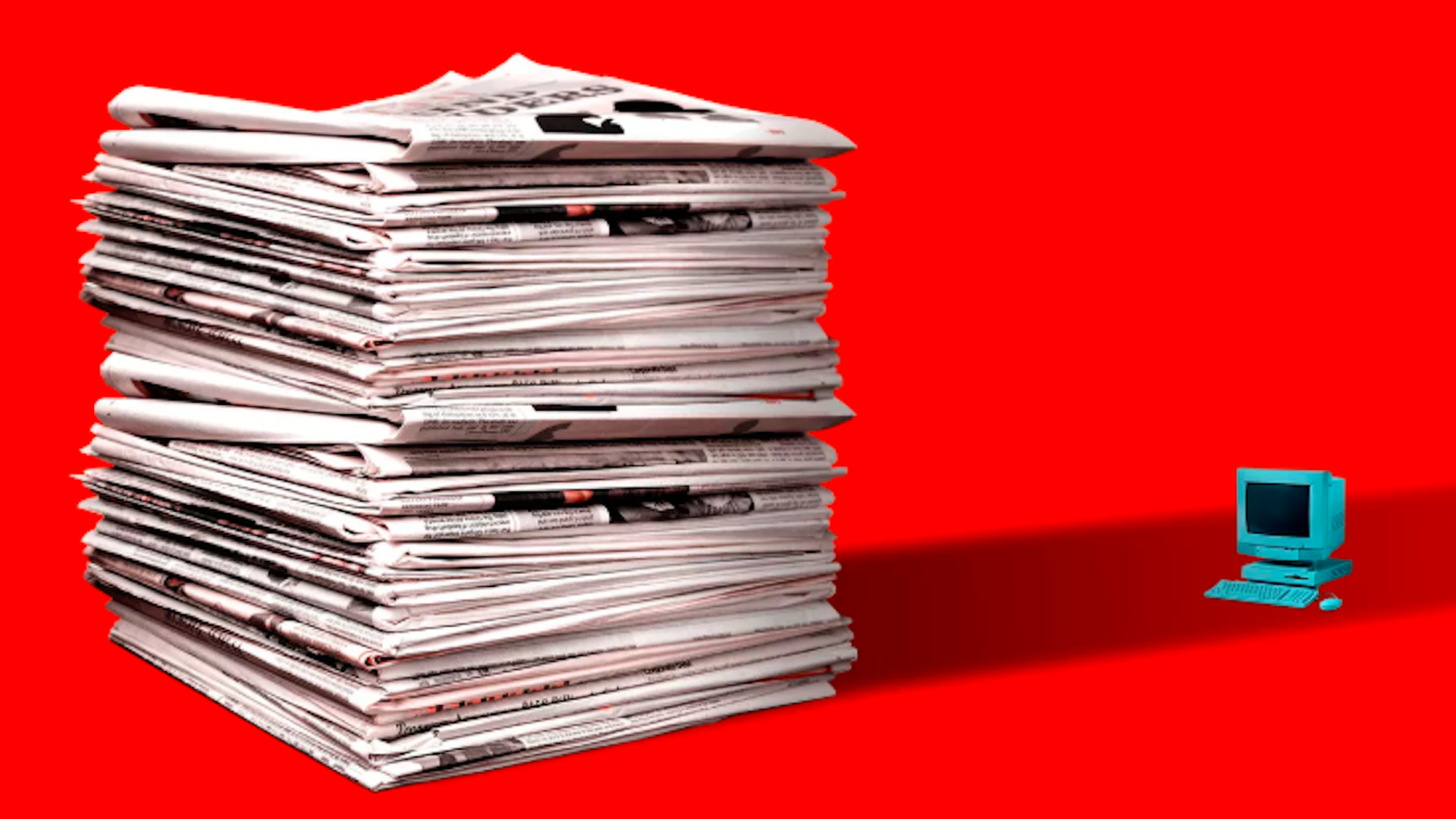
The White House plans to order all federal agencies not to renew their subscriptions to the New York Times and the Washington Post, two papers that President Trump has repeatedly attacked for their critical coverage of his administration, the Wall Street Journal reports.
The big picture: The White House said on Tuesday that it would cancel its own subscriptions to the Post and the Times, after Trump complained that they were "fake" during an appearance this week on Fox News' "Hannity." White House Press Secretary Stephanie Grisham said in an email to the Journal: "Not renewing subscriptions across all federal agencies will be a significant cost saving — hundreds of thousands of taxpayer dollars will be saved."
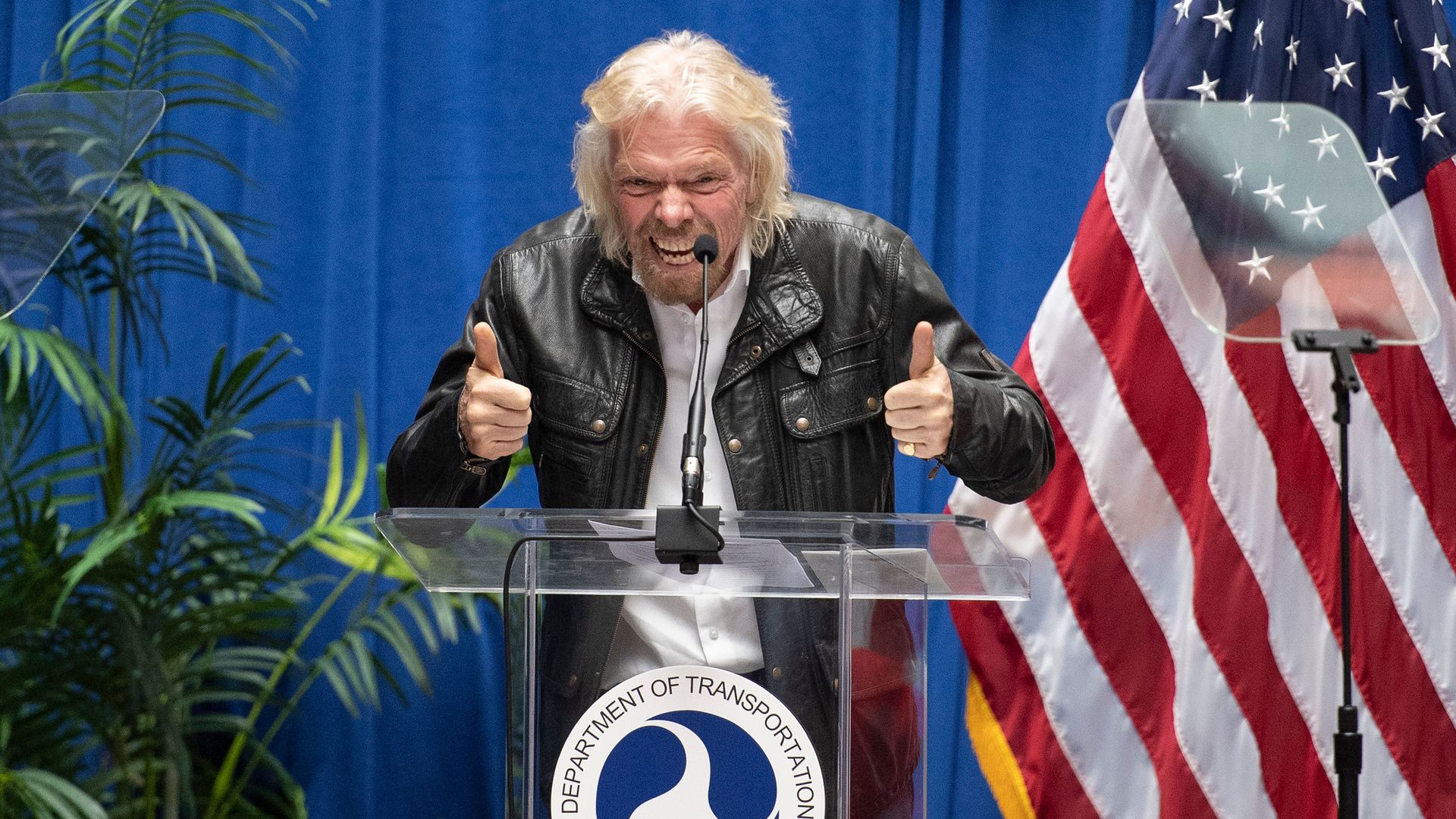
Virgin Galactic is set to hit the New York Stock Exchange on Monday after its merger with venture capitalist Chamath Palihapitiya's special purpose vehicle was approved by company shareholders, CNBC reports.
Why it matters: The approval means Virgin Galactic will become the first human spaceflight and space tourism company to be publicly traded on the stock market.
Green financial instruments continue to see widespread adoption and diversification, in terms of both instruments and geographies.
What's happening: Total green and sustainability debt issuance in 2019 is poised to double levels from 2017 and will be almost four times the level issued as recently as 2016, according to projections from the Institute of International Finance.
Global mergers and acquisitions activity is poised to slow this year and next, but nowhere has M&A activity been slowed like the pace of deals between the U.S. and China.
Why it matters: "M&A has been one of the areas hit hardest by the trade war, with deal value for North American target companies with a Chinese acquirer on pace to fall by over 90% since peaking in 2016," a new report from PitchBook finds.
Yesterday I used an incorrect chart in my item about Nike and Under Armour. Lots of you wrote in to point out the error (some were more polite than others).
First, I want to apologize for the error. There was a miscommunication between me and our visuals team and that resulted in us charting Nike at 7% gain since November 2005 when — as the above chart correctly shows — the gain has been more than 770%.
Second, I want to thank everyone who spotted the error and took time out of their day to bring it to my attention (even if you were very rude...you know who you are; but still, thank you for correcting my mistake).
Third, I want to promise that I'll be much more careful with these charts in the future. I want all of our readers to know that what you read in Axios Markets is top-tier information you can take to the bank. I let you all down yesterday and it won't happen again
Real news: Nike's stock had a rough outing on Wednesday but has been a strong performer over the past few years as direct-to-consumer and e-commerce sales, growth in China and merchandising boons from big names like LeBron James and Colin Kaepernick have helped power the brand's stock to fresh all-time highs.
That has helped Nike's stock surpass Under Armour, which had looked to be the future of athletic wear, in recent years despite ongoing controversies involving Nike's top brass.
Violent protests in Chile, an OECD member long known as Latin America's slow, steady and stable credit, continued for the sixth night in a row Wednesday.
Why it matters: Markets are responding much more quickly to the state of unrest, with Chile's capital markets already pricing in negative outcomes.







/2019/10/24/1571942483316.gif?w=3840)