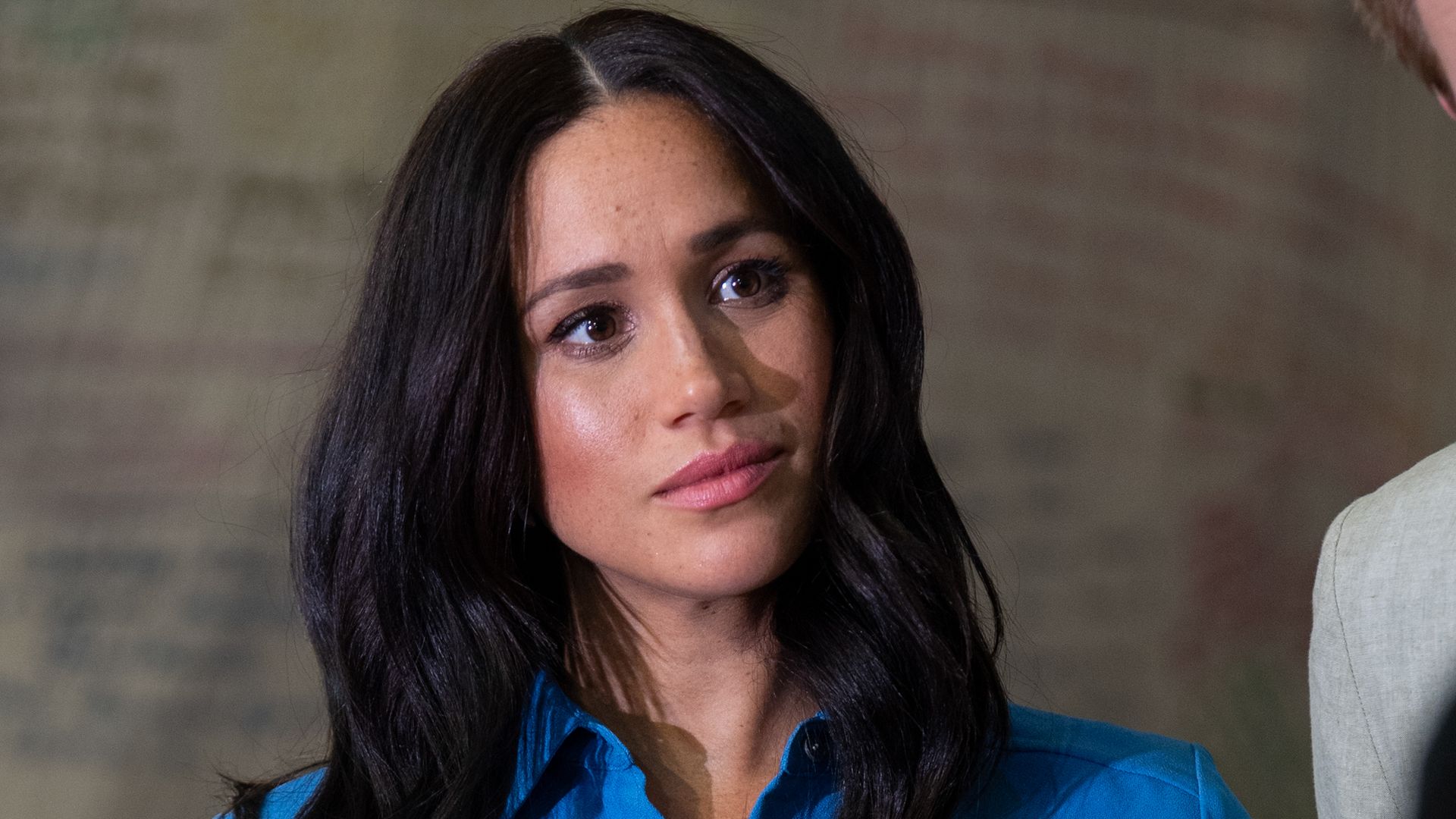
Meghan Markle is suing British media organization Mail on Sunday and its parent company Associated Newspapers over repeated "misrepresentations," according to a statement submitted by her husband, Prince Harry, on Tuesday.
The big picture: Markle, an American by birth, has been a target of British tabloids since marrying into the British royal family last year. Per the statement, the coverage has inflicted a "human cost. ... Because in today's digital age, press fabrications are repurposed as truth across the globe."
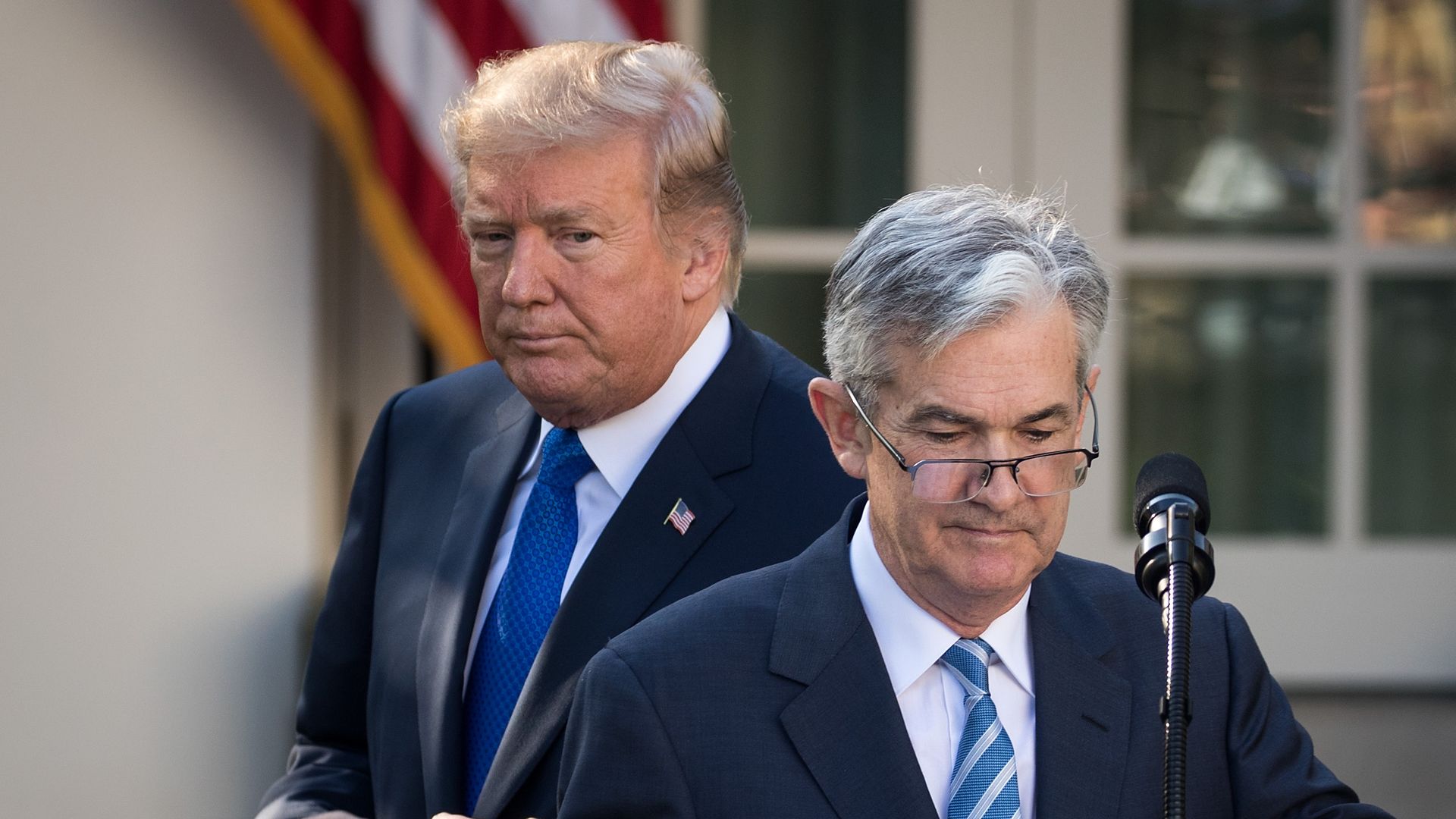
President Trump on Tuesday renewed his attacks on the Federal Reserve and Chairman Jay Powell, after a key U.S. manufacturing gauge signaled the second consecutive month of sector-wide contraction.
"As I predicted, Jay Powell and the Federal Reserve have allowed the Dollar to get so strong, especially relative to ALL other currencies, that our manufacturers are being negatively affected. Fed Rate too high. They are their own worst enemies, they don’t have a clue. Pathetic!"
Of all the major TV blackouts happening this year, many of the biggest conflicts are occurring between the two big satellite companies and TV networks.
Why it matters: The Pay-TV business is in terminal decline, and in some ways, satellite operators are feeing the losses more than their cable counterparts, who are able to lean more heavily on broadband sales to recoup the losses.
Major sports leagues are experimenting with airing single games on multiple TV, digital and social channels at the same time, giving rise to sports "multicasts" or different ways for the consumers to experience the same game.
Why it matters: In a traditional TV world, almost all sports coverage was delivered through one live, linear feed, with one set of announcers and analysts.
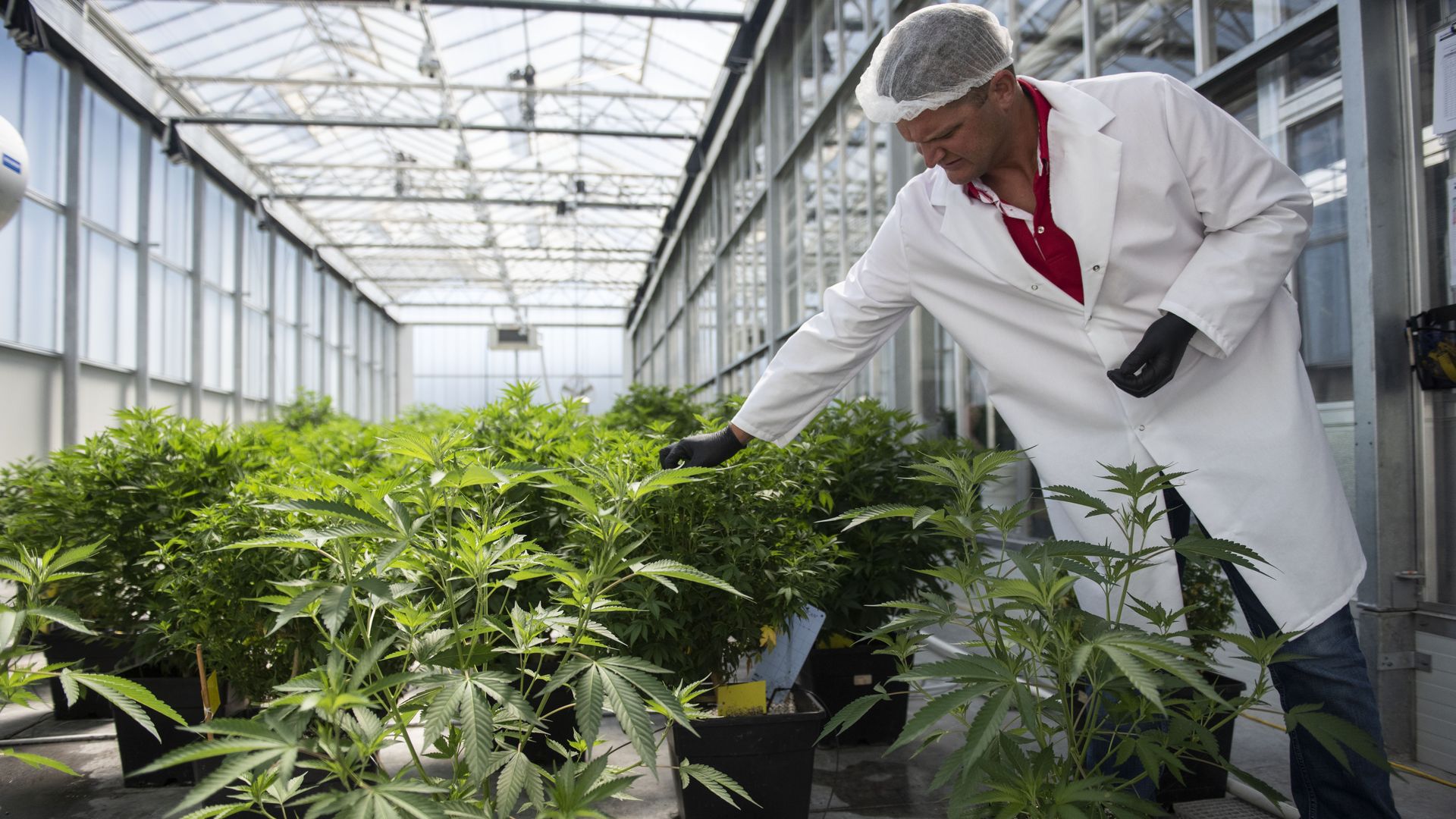
Marijuana stocks have fallen hard in 2019 and short sellers have been increasing their positions, betting the sector is overvalued and primed for further losses. Despite the passage of the SAFE Act through the House last week, Wall Street remains bearish on companies dealing in the drug.
The latest: Bank of America Merrill Lynch analysts Christopher Carey and Lisa Lewandowski downgraded Canada's Canopy Growth, the world's largest marijuana company, to neutral from buy, saying Wall Street expectations are "far too high."
The manufacturing sectors of the U.S. and China are moving in opposite directions, and data released Monday shows the gap is widening.
On one side: China's Caixin purchasing managers' index, a private survey of the country’s manufacturing activity, had its strongest reading since February 2018. The improvement was driven largely by increased domestic demand, which has picked up as foreign sales continue to sink because of the trade war.
A recent poll of more than 1,200 adults who plan to buy toys this holiday found that almost half of those purchases will be made at online-only retailers like Amazon.
By the numbers: A little more than 40% of respondents said their shopping will be done inside stores, either at a big box retailer like Target and Walmart or at a specialty toy store.
Atom Finance, a new media and financial technology company, has raised $10.6 million in a Series A round, executives tell Axios. The company had previously raised $1.9 million in an unreported seed round in February.
The big picture: The news and analysis market for high-end individual investors has been difficult to corner. While there are pricey solutions for big enterprise companies, like the Bloomberg Terminal, and free solutions for casual investors, like Google Finance, Atom execs argue that there isn't one company that truly owns the middle.
Dotdash has acquired Liquor.com, a digital media company that focuses on cocktails, spirits and entertaining, executives tell Axios.
Why it matters: It's Dotdash's fourth acquisition of this nature this year. The multi-brand digital media company, owned by Barry Diller's Interactive Corp. (IAC), has been quietly building an empire of small, niche digital publications that publish evergreen, service content — or content that helps users answer questions, give advice or find ideas.
News media companies make up 12 of the 15 most polarizing brands in America today, according to a new Morning Consult poll provided to Axios. CNN and Fox News continue to be the most divisive news companies.