Jobless African-Americans are taking full-time work at a faster rate than unemployed whites, amid a more favorable economy for a population whose prospects have historically been dimmer than for other races.
Why it matters: A strong economy does not undo racism, and the same hurdles that make it difficult to find work have not disappeared. But a tighter labor market forces employers to look outside their usual pool of candidates to find workers.
April 2020 will be a decisive moment for the future of television. Jeffrey Katzenberg's short-form video app Quibi, NBC's streaming service Peacock, and AT&T's streaming service HBO Maxare all slated to launch within weeks of one another that month.
Why it matters: The threat of competition from these services is already starting to shake investor confidence in Netflix, which has been the dominant player in the streaming field for years. The company's stock hit its lowest point this year on Tuesday.
A proposed U.S. crackdown on sharing technology with China could threaten the development of self-driving vehicles, the Wall Street Journal reports.
Why it matters: Many companies developing autonomous driving systems split their work between the U.S. and China, with offices, investors, engineers and customers in both countries. Unscrambling that egg could be difficult.
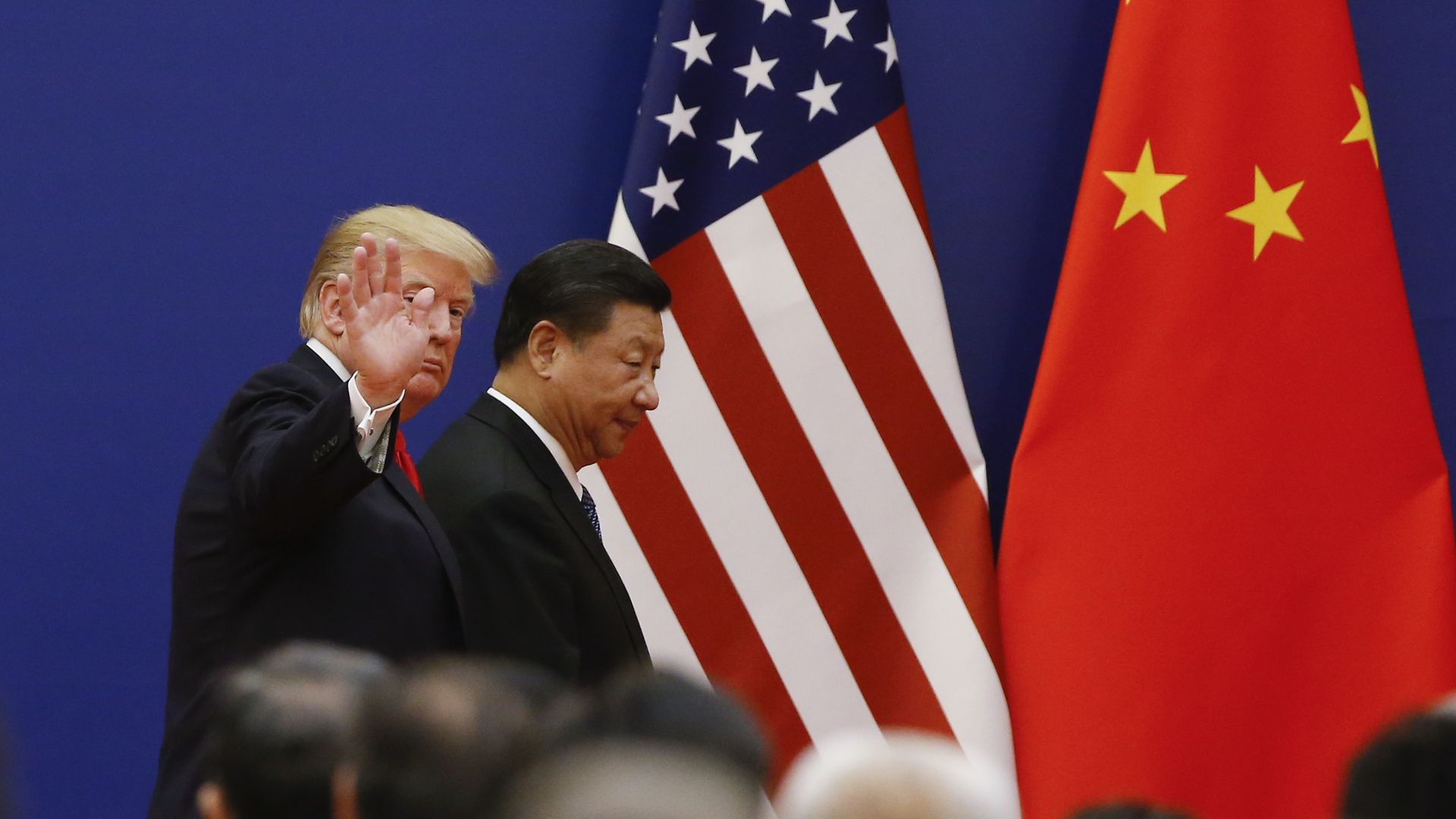
The Trump administration is considering moves that would stem the flow of money from U.S. investors to China, Bloomberg and other news outlets report and Axios has confirmed.
Why it matters: If carried out, the moves would escalate the U.S.-China fight beyond the scope of trade and tariffs.
Fox News' Chris Wallace criticized Trump defenders on Friday, saying that their spin on the whistleblower complaint is "deeply misleading" to the public.
Elliott Management has revived its call for Marathon Petroleum to be split into three businesses.
Why it matters: Marathon is the largest U.S. oil refiner by capacity, but activist investor Elliott wants it to separate its refining business from its pipeline and gas station units.
The New York Times defended its decision to publish a story identifying the whistleblower as a male CIA officer, as executive editor Dean Baquet said it reported "limited information" about his identity so readers could "make their own judgments about whether or not he is credible."
The big picture: Federal whistleblowers are protected by law. Readers and some in the national intelligence community expressed concern that revealing too much detail in media reports could put the officer's life and reputation in danger and deter future whistleblowers.
Marijuana advocates scored a big win Thursday with the passage of the SAFE Act through the U.S. House of Representatives, but the market was less enthusiastic.
What it means: The Secure and Fair Enforcement Banking Act would allow marijuana companies to more easily do business with federally insured banks in the U.S.