NASCAR rejected multiple advertisements from firearms companies this summer, muddling the racing organization's stance on Second Amendment issues, according to CNN.
Why it matters: Gun enthusiasts and manufacturers told CNN the rejections stunned them and they fear NASCAR is silently joining the chorus of companies calling for action on gun control and changing their internal policies on guns following recent mass shootings.
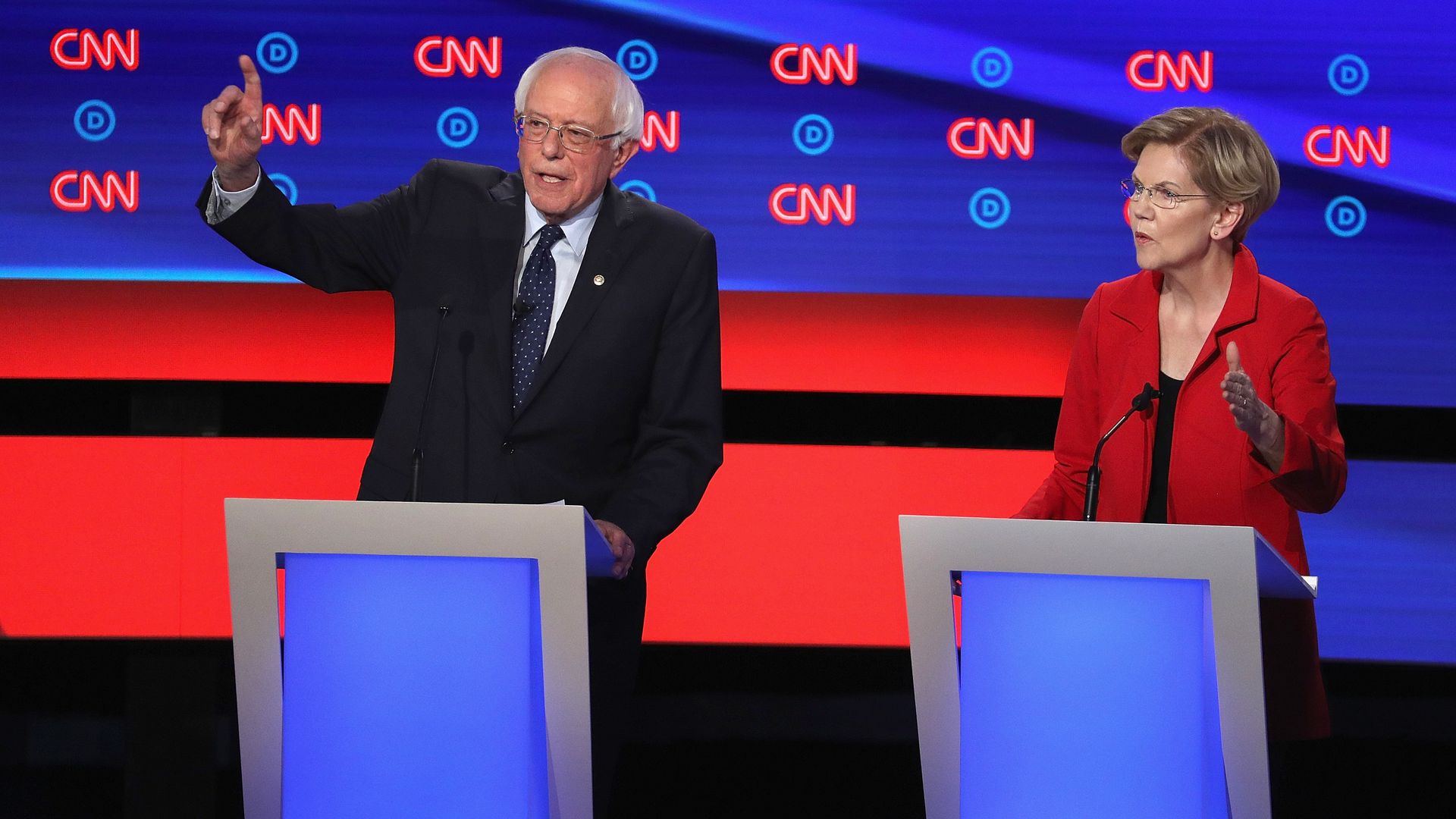
CNN and the New York Times will co-host the 4th round of Democratic debates in October, the Democratic National Committee announced on Friday per a NYT report.
Where it stands: 11 candidates have qualified for the debate so far: Every hopeful onstage at September's debate, plus billionaire Tom Steyer. The event near Columbus, Ohio at Otterbein University will be held on Oct. 15, with a possible second night on Oct. 16. Qualifying candidates must poll at 2% in 4 DNC-approved polls and receive donations from 130,000 unique donors.
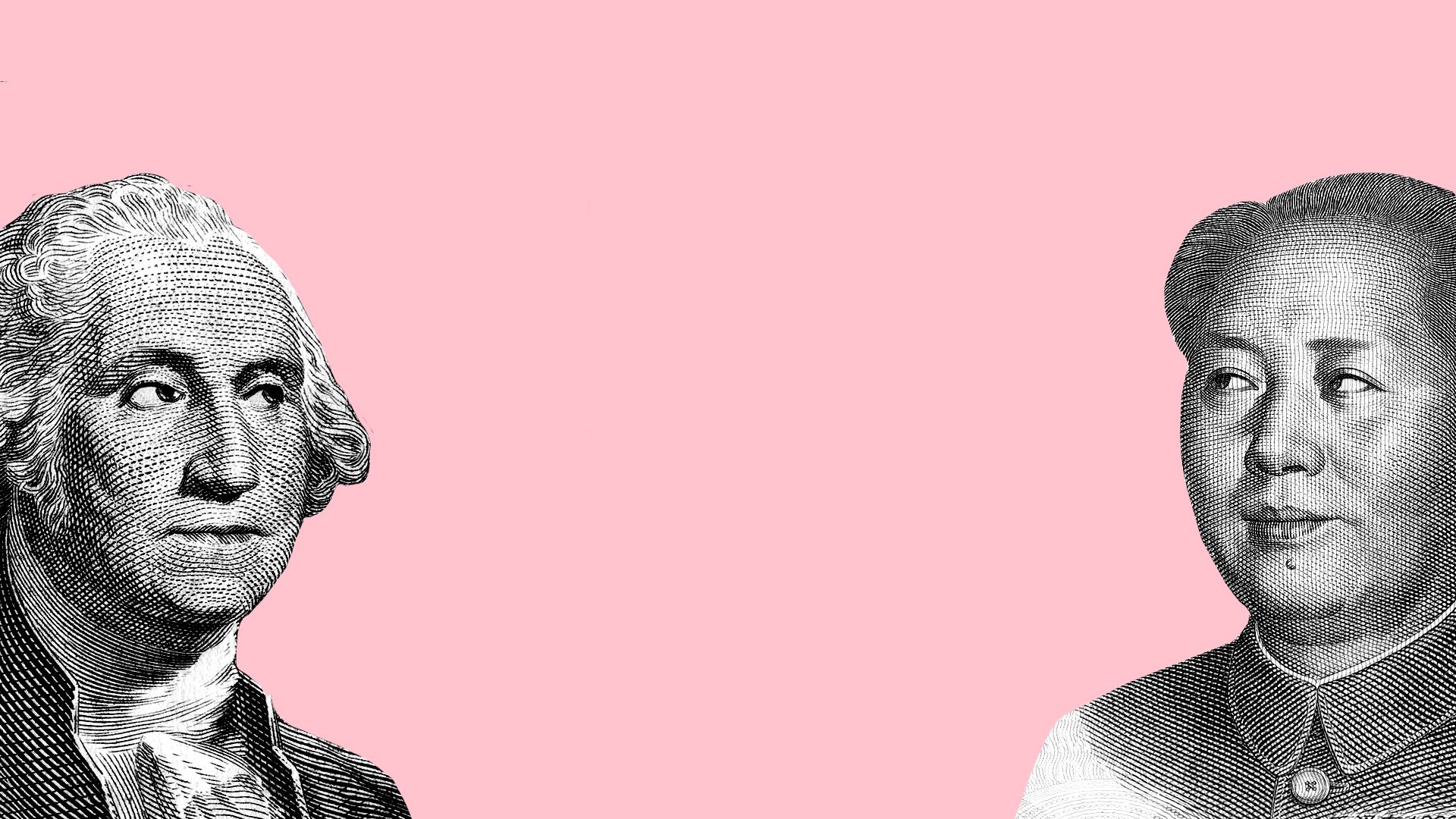
China is expected to suspend tariff hikes against American pork, soybeans and other agricultural goods ahead of trade talks between the 2 countries, per Chinese state-run media.
Why it matters: This follows President Trump's announcement earlier this week that the U.S. would delay the increase on existing tariffs on $250 billion worth of Chinese goods in an attempt to calm trade tensions. The moves may mean both sides could soon be ready to talk about "the prolonged dispute that is threatening global economic growth," writes AP.
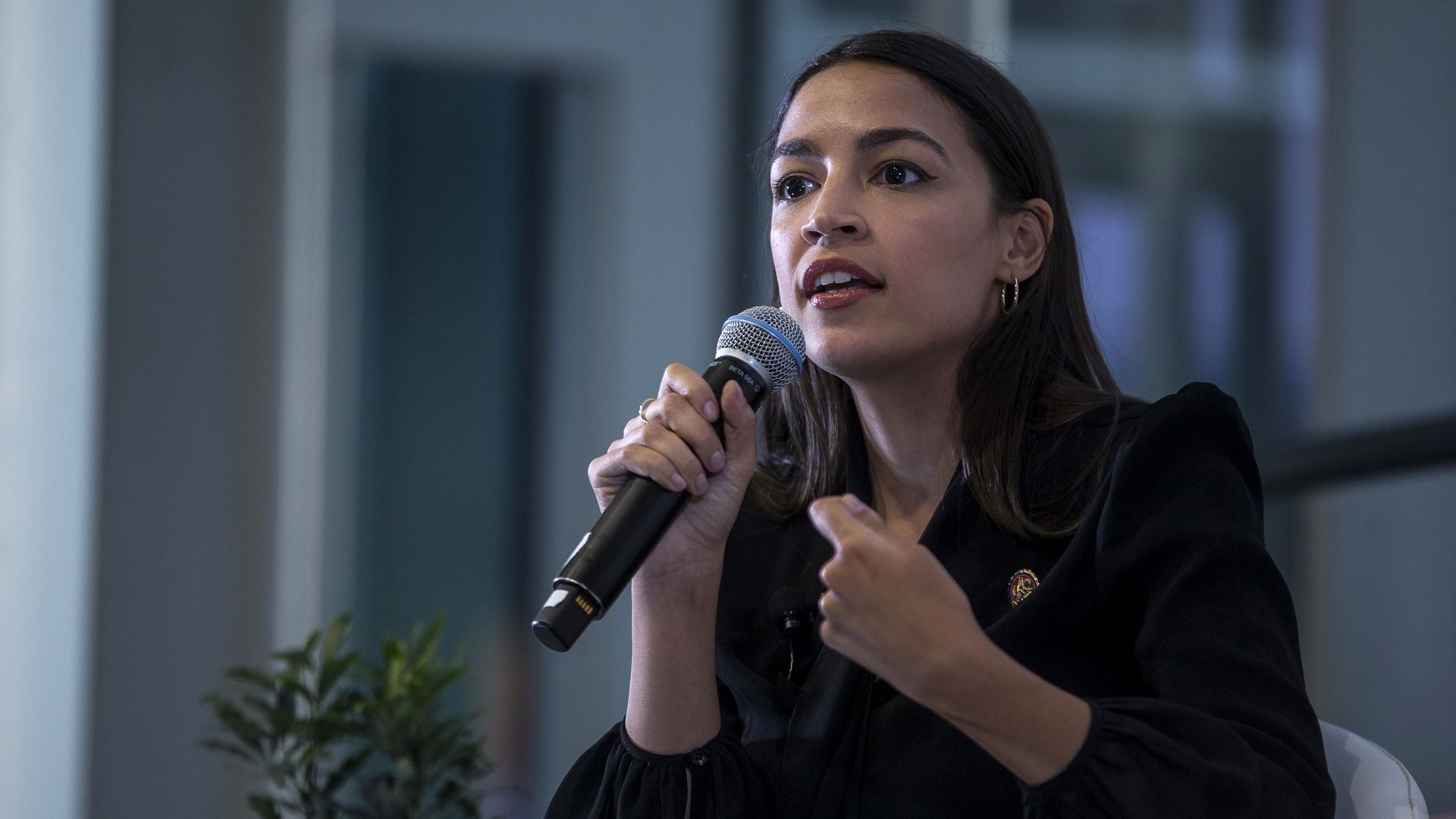
A TV ad that ran during Thursday night's Democratic primary debate and targeted Rep. Alexandria Ocasio-Cortez (D-N.Y.), has garnered backlash against the Republican PAC that bankrolled the commercial and the network that ran it, reports the New York Times.
The impact: Ocasio-Cortez said the ad's creator, a group called New Faces GOP, is essentially writing "a love letter to the G.O.P.’s white supremacist case." Others are questioning why ABC, the network that hosted the 3rd round debate night, approved and ran the ad. Some are calling for a boycott of ABC, per the Times.
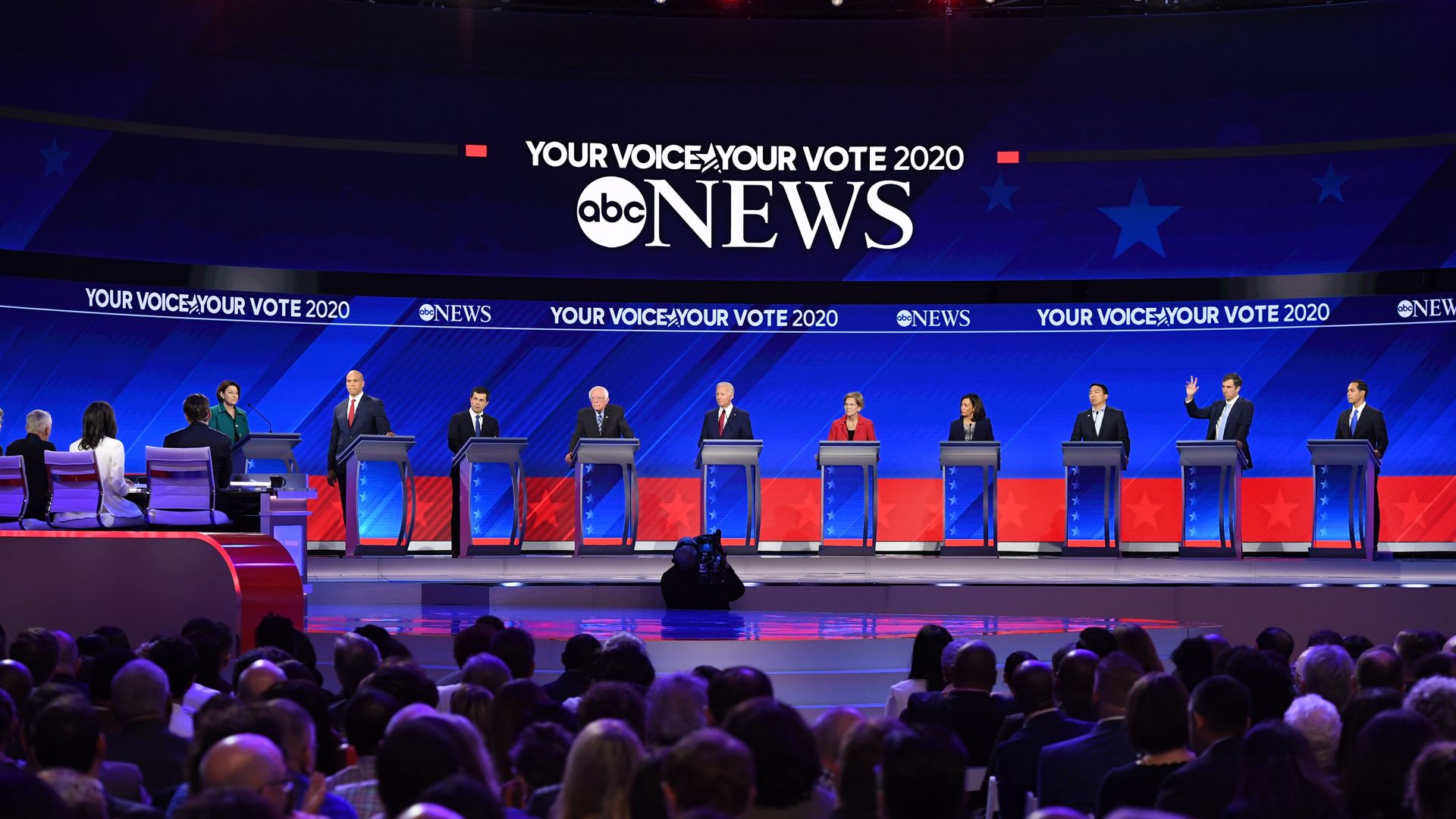
Early and unofficial Nielsen ratings on Thursday night's Democratic presidential primary debate well exceeded 10 million viewers, far above other programs on TV that night, CNN reports.
Why it matters: Though the official numbers are set to release Friday afternoon, the preliminary numbers show that interest in the primary process is higher than past primaries.
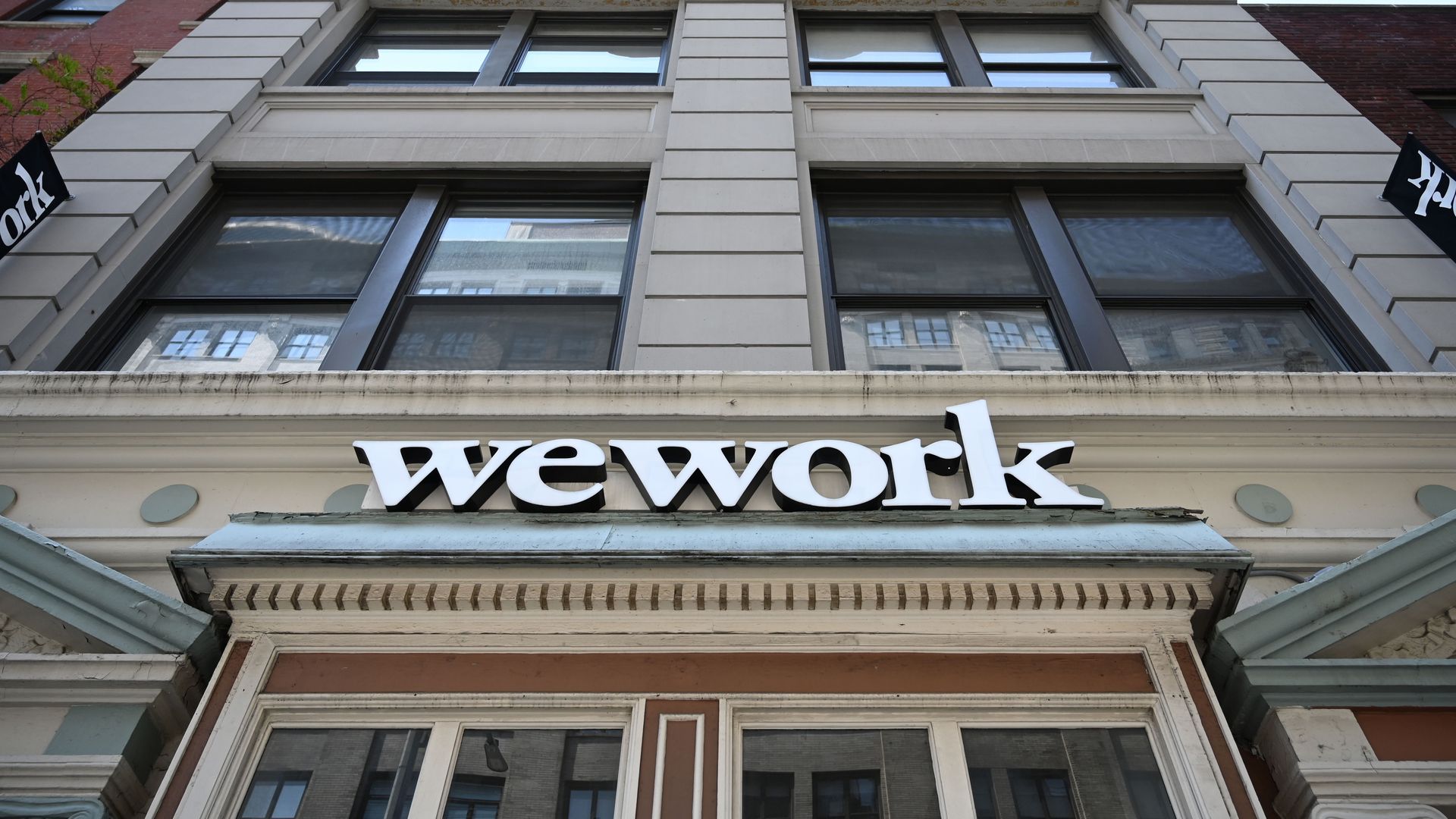
WeWork tried breathing new life into its IPO this morning with a new filing disclosing significant changes to voting structure, lockups, profit-sharing, and succession-planning.
Why it matters: Almost all of this is about reducing the power of co-founder and CEO Adam Neumann, who remains more controversial among many investors than WeWork's business model.
Walmart is unveiling a grocery delivery subscription service this fall, AP reports.
Why it matters: The big box store is hoping to boost its constituency of time-starved shoppers looking for convenience, and attempting to move strongly into one of the fastest growing e-commerce sectors.
As the streaming wars heat up, consumers are going to have to be choosy about which services they subscribe to, or risk racking up steep monthly bills.
Why it matters: Digital streaming was supposed to break up the expensive cable bundle, but now that so many companies are launching their own services, paying for TV could get even more expensive and complicated.
SmileDirectClub, a provider of at-home teeth straightening systems, raised $1.3 billion in its IPO. It priced 58.54 million shares at $23, above $21-$23 range, for an initial market cap of $8.9 billion, and will trade on the Nasdaq (SDC). J.P. Morgan was lead underwriter.
Why it matters: It shows that rule-muddying isn't just for transportation and housing unicorns. SDC has been the subject of numerous safety complaints to state dental boards from orthodontist organizations, which the company pushes back on as more about profits than patients.
The European Central Bank announced a series of measures Thursday in an effort to help worsening economic conditions and low inflation in the euro zone, including cutting interest rates by 10 basis points to negative 0.50% (signaling even lower rates may be coming) and re-starting its bond-buying program "as long as necessary."
Why it matters: This is one of the most contentious and important policy decisions for outgoing ECB president Mario Draghi, who is facing doubts from economists about the effects of moving rates further below zero. His successor is vowing to look at the “costs and benefits“ of negative rates, while others are critical that re-starting quantitative easing is too aggressive.
While news that President Trump plans to postpone the latest round of tariffs on $250 billion worth of Chinese imports for 2 weeks will likely soothe the market, his tariffs have already done a number on the U.S. economy.
Why it matters: "The data speaks for itself," Torsten Slok, chief economist at Deutsche Bank Securities, says in a note to clients. "The trade war is having a serious negative impact on the U.S. economy."