Monday's economy & business stories

Why hedge fund managers are making a bet on failing malls
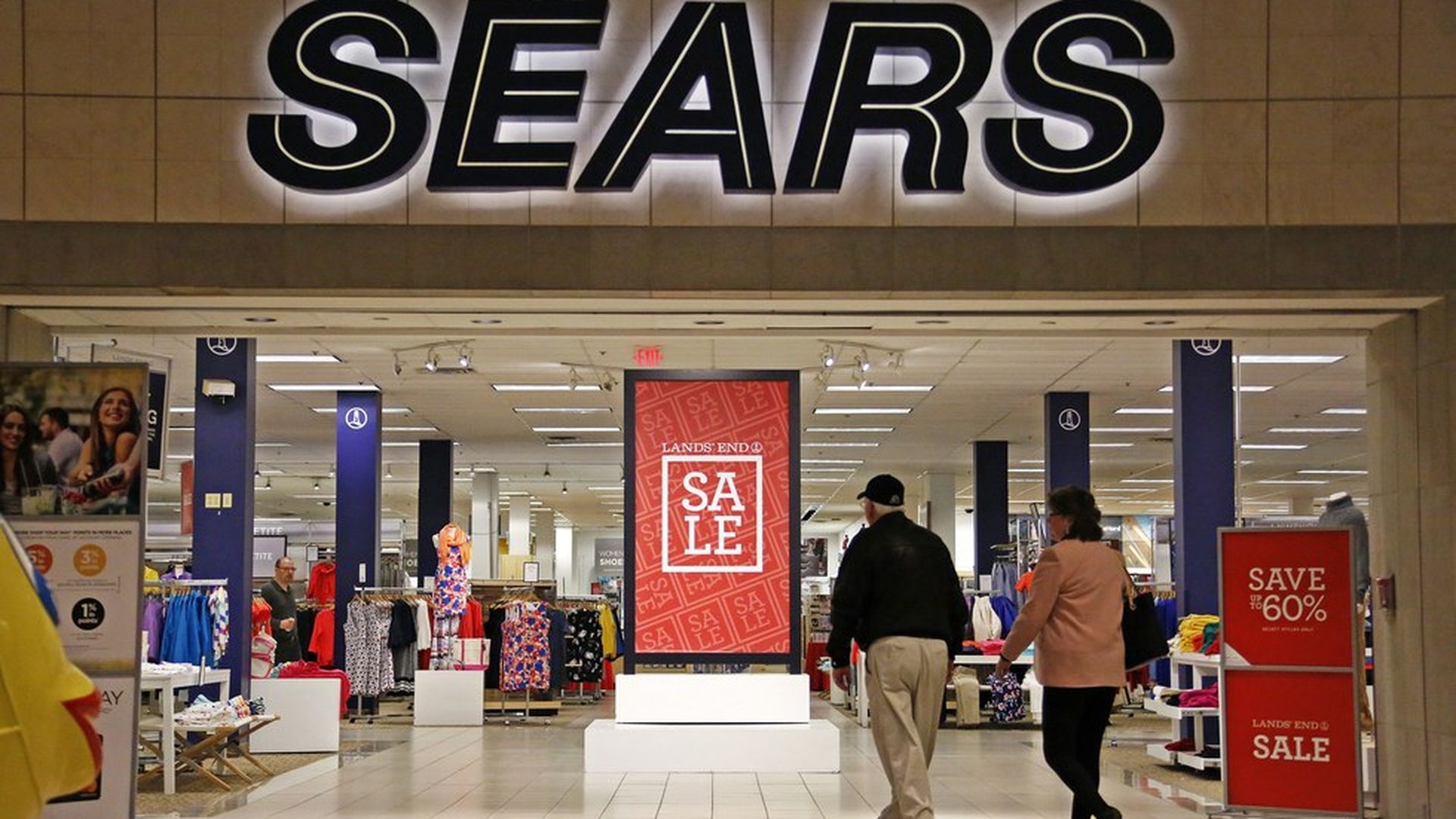
As more and more consumers are moving their shopping online and away from brick and mortar stores, malls are near-ready to buckle under the pressure — and investing firms are betting against real estate loans backed by malls in order to profit from their impending failure, according to Bloomberg.
The magnitude: Not as big as the subprime mortgage loans that spurred on the 2008 financial crisis, but there are still $985 million in contracts on the two riskiest kinds of mortgage-backed securities. (Bloomberg's headline on the matter paints a gloomy picture: "Wall Street Has Found Its Next Big Short in U.S. Credit Market," but it's not quite that bad.)
What to watch: And any massive set of store closures from J.C. Penney, Sears, or Macy's would ripple across all the malls, tanking the mortgage-backed securities and spelling out a win for the investors betting against them.

Okta files for IPO
Okta, a provider of cloud-based tools for business to manage employee access of software and devices, has filed for a $100 million IPO.
Offering details: The San Francisco-based company plans to trade on the NASDAQ under ticker symbol OKTA, with Goldman Sachs listed as left lead underwriter.
Financials: Okta is not profitable yet. It reported net losses of $59.1 million and $76.3 million in fiscal 2015 and 2016, respectively, and $54.9 million and $65.3 million for the nine months ended October 31, 2015 and 2016. Okta brought in $41.0 million in revenue during the fiscal year of 2015, and $85.9 million in fiscal 2016.
Backers: Okta has raised $231.5 million in venture capital, and was most recently valued at qlmowt $1.2 billion post-money according to PitchBook. Its investors include Andreessen Horowitz, Greylock Partners, Khosla Ventures, Sequoia Capital, and Floodgate Fund, among others.

Chinese billionaire turns activist on Community Health Systems
Tianqiao Chen, a billionaire from China who made his fortune in online gambling, is no longer just a passive investor in Community Health Systems, the for-profit hospital chain that has been selling off hospitals to pay down its massive debt.
Chen disclosed Monday with the Securities and Exchange Commission that his 13.7% ownership stake in Community Health Systems (which cost $186 million) was originally a passive investment. But now he wants to "maintain flexibility going forward." He said he has a "good relationship" with the company's executives and will work with them on the "ongoing turnaround strategy," according to the SEC filing.
What this means: Rumors surfaced last year that Community Health Systems could try to sell itself outright. But inpatient facilities and mounds of debt aren't exactly attractive to health care investors, and many have already bailed on Community Health Systems. Chen could have a more aggressive plan in mind for the company, which has been divesting hospitals at a rapid pace. Community Health Systems and Chen's investment company did not respond to requests for comment.

Liberals turn on TV to tune out Trump
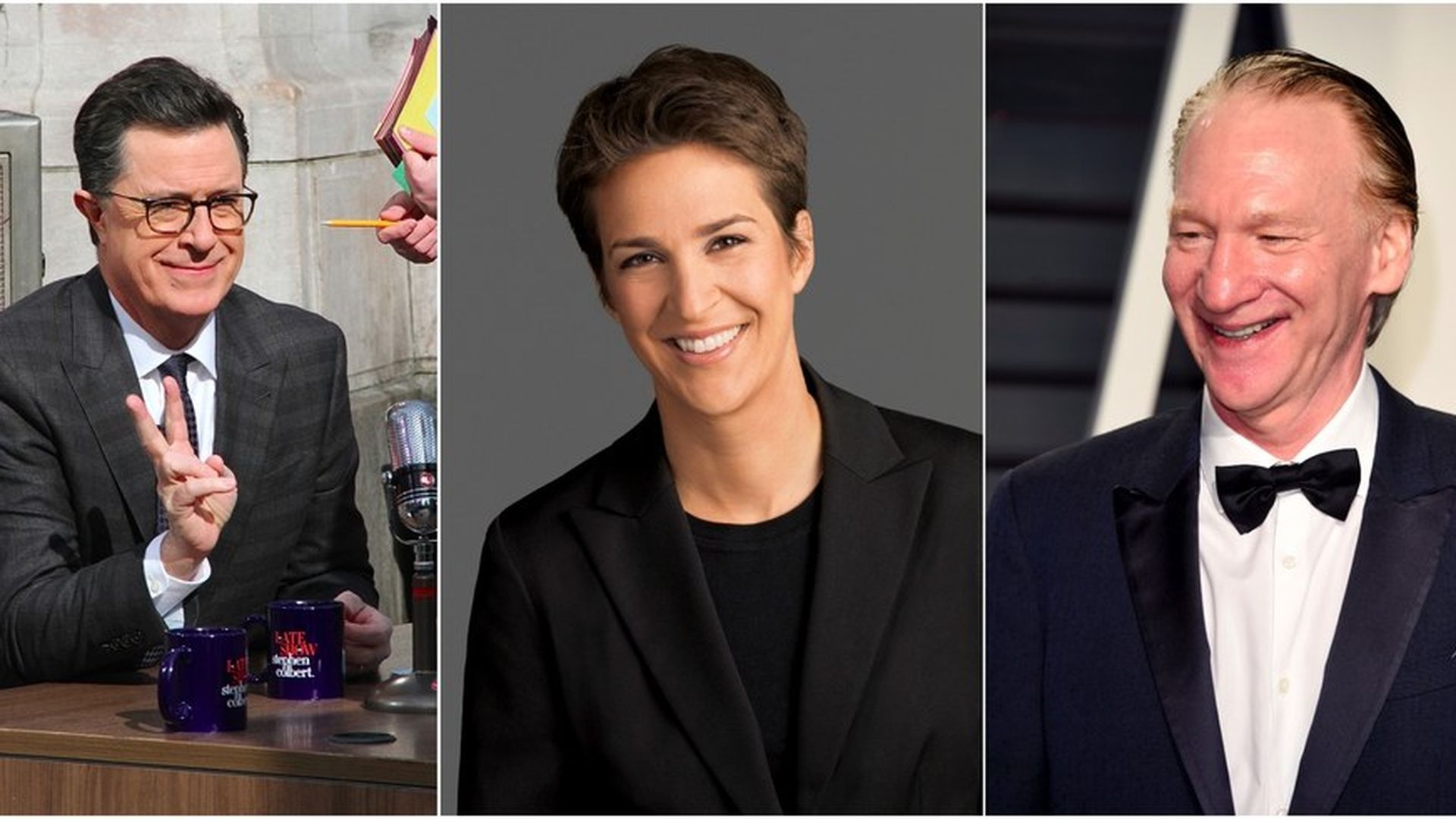
Left-leaning television has enjoyed a boost in viewership after a rough end of Obama's presidency, the NYT reports. MSNBC has beat out CNN in prime time viewership 6 out of the past 7 months, and Stephen Colbert's "Late Show" has earned more views that Jimmy Fallon's "Tonight." Bill Maher's HBO has grown by almost 50% since last year.
What about Fox? The right-leaning, most-watched network is also having another big year, with 30% growth over last year. But MSNBC's Rachel Maddow beat out Fox's Tucker Carlson last Wednesday in the 24-54 demographic.
"There is a new safe space for liberals in the age of President Trump: the television set." — Michael M. Grynbaum & John Koblin, NYT

Yahoo shakes up post-Verizon executive team
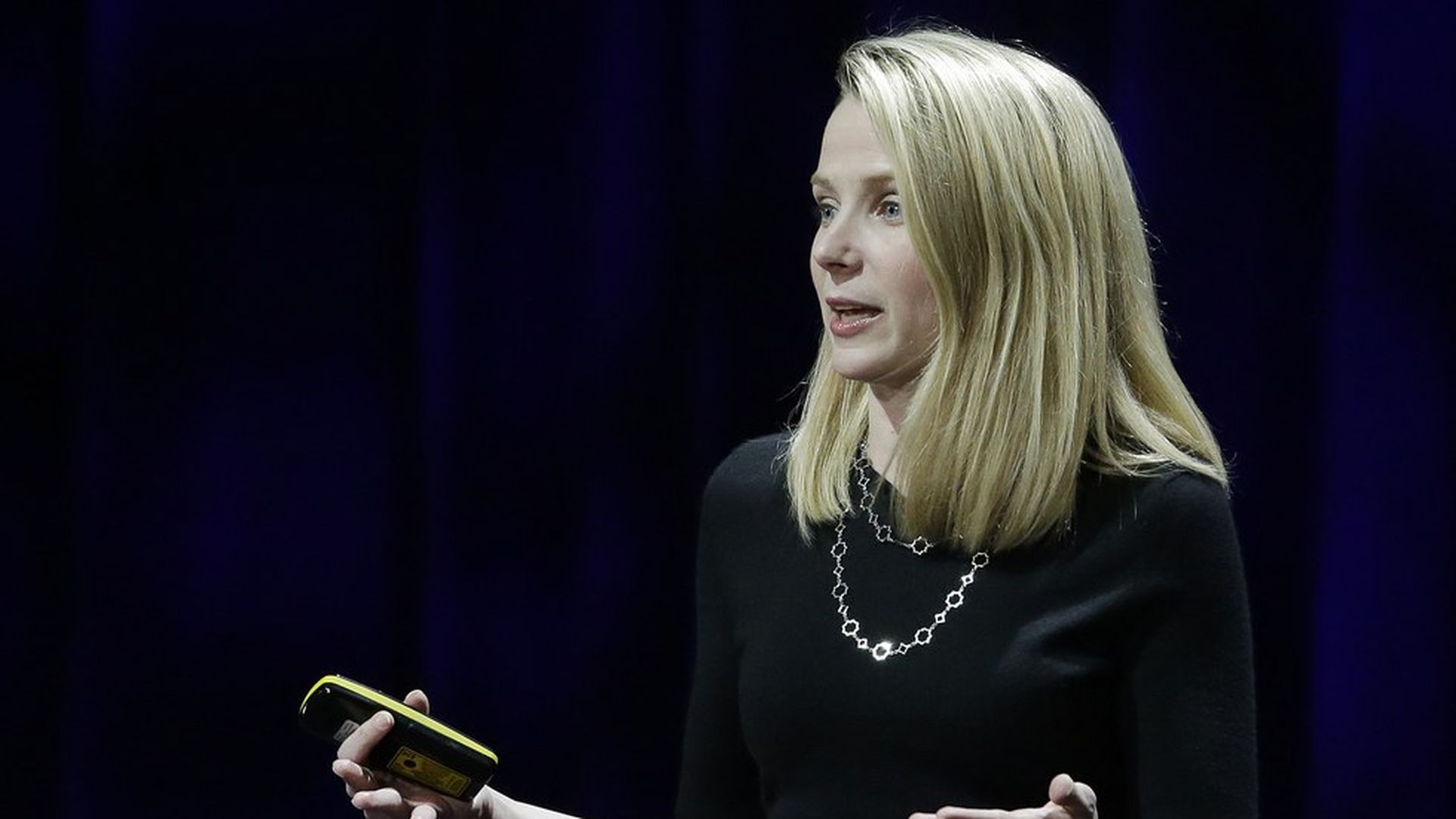
Yahoo's named its new executive team following its merger with Verizon, per CNBC. Board member Thomas McInerney will serve as CEO and Alexi Wellman will serve as CFO.
CEO Marissa Mayer will stay on until the deal closes, at which point the company will be named Altaba. Altaba itself won't have much relevance after the deal closes, as it will house what remains of Yahoo's assets after the deal with Verizon closes.