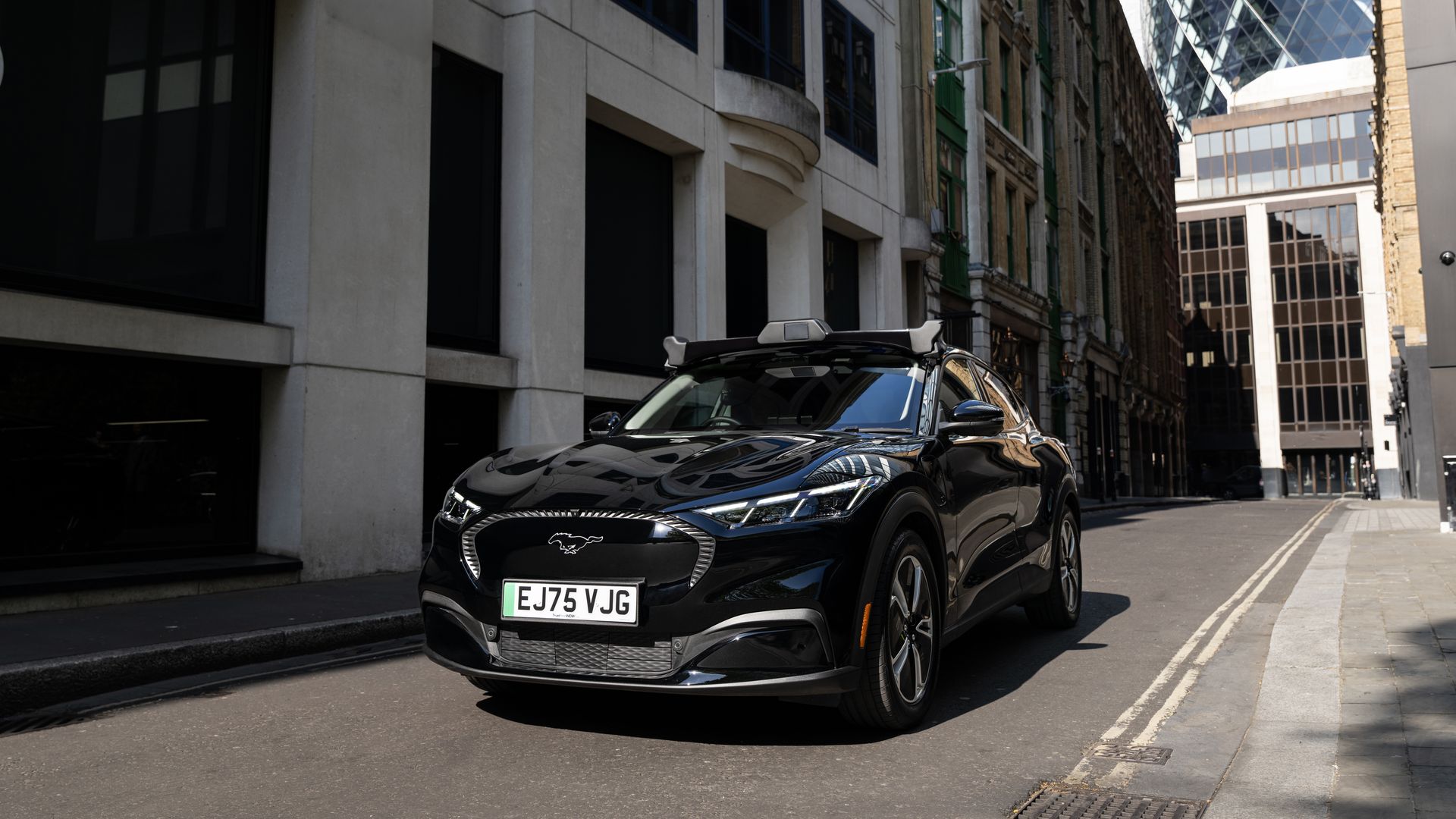
London is tiptoeing into the global robotaxi race Thursday as Uber and British AV startup Wayve begin offering public rides in supervised self-driving cars.
Why it matters:Robotaxis are spreading rapidly beyond their early footholds in the U.S. and China, but London's cautious rollout illustrates how differently cities and countries are approaching the technology.
Google won't be forced to spin off its "network" ad business, which sells ads on others publishers' inventory, a federal judge ruled on Wednesday.
Why it matters: It's a massive win for the tech giant, which was found guilty last April of violating U.S. antitrust laws by exploiting its dominance of the online advertising and ad-tech markets.
Uber plans to cut 10% of its workforce to simplify its operations.
The big picture: The reductions come amid a fervent conversation over the role of AI in replacing jobs, but Uber didn't cite AI as a catalyst for the cuts.
There is a $100 billion question hanging over the Trump administration's deal to effectively gain control of more than a dozen large oilfields in Venezuela.
Why it matters: This could become a big opportunity for private equity and private credit, albeit one fraught with pallets of political risk.
Fanatics is combining its sportsbook, casino and prediction markets into one app, Fanatics Betting and Gaming CEO Matt King exclusively tells Axios.
Why it matters: Sports betting's biggest players are broadening their apps as prediction markets become a bigger part of the competition for customers.
Investor fervor for the AI boom is so strong that companies are able to borrow billions of dollars right now essentially for free.
Why it matters: The record surge in zero-coupon convertible bonds — which don't pay regular interest — is surprising given that we're in a higher rate environment.
Typically, that would mean companies would pay higher borrowing costs.
Aitan on Wednesday emerged from stealth, backed by tens of millions of dollars and, by its own tally, hundreds of thousands of hours operating alongside the Israel Defense Forces.
Why it matters: The startup is offering "robotic sovereignty as a service" and "edge AI weapon systems" — giving governments and militaries a backbone to build out their unmanned and autonomous forces quickly and with the lessons of the Middle East and Eastern Europe already digested.
"Warfare has totally transformed over the past few years," co-founder Daniel Almog told Axios.
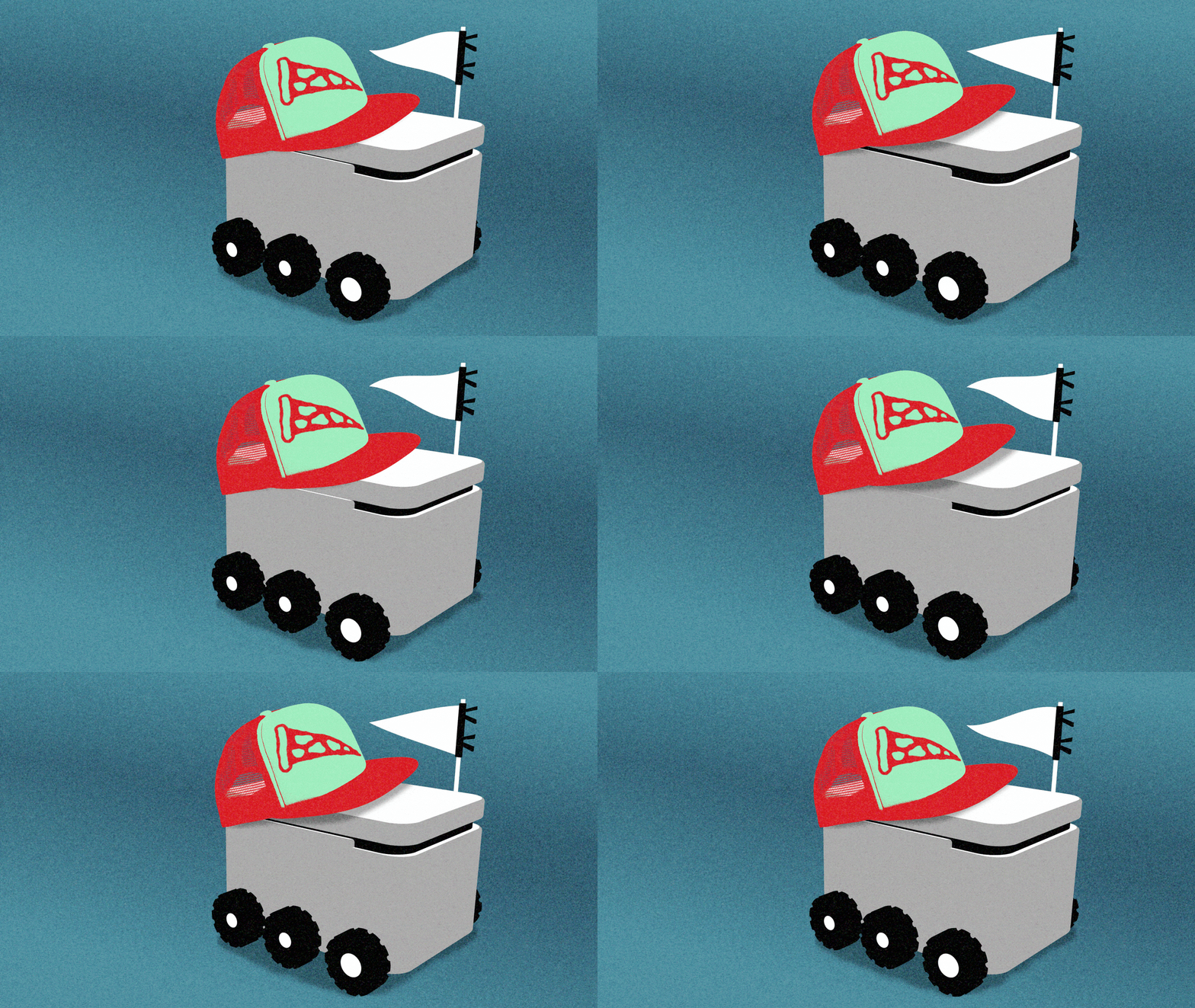
A new cohort of fresh-faced delivery robots is arriving on college campuses this fall after the leading incumbent graduated last spring to chase bigger ambitions in the real world.
Why it matters: Students and universities have come to love the futuristic porters of lattes, pizza and late-night snacks, while robotics companies get something far more valuable: a chaotic, real-world proving ground for physical AI.
The Information is launching a new, weekly live show focused on the technology behind the artificial intelligence boom, executives told Axios.
Why it matters: It's part of a broader video push by the outlet, which chief advertising officer Lindsay Meech says is pacing to become an eight-figure revenue business by 2027.
Anthropic on Tuesday released upgraded versions of its most powerful AI models, cut costs for some users, adjusted safety interventions and rolled out new privacy safeguards for business users.
Why it matters: This could be the new playbook for a release: it's not enough to have a more intelligent model, you also need new tools and updates that address customer concerns.
President Trump on Monday called on Congress to pass a bipartisan federal tax incentive for movie and TV productions in the U.S., after meeting with actor Jon Voight to discuss the issue.
Why it matters: The effort is being welcomed by the film industry, which has long pushed for a federal tax credit.
In premiering its "Grand Theft Auto VI" trailer exclusively as a Netflix livestream last Thursday, Rockstar Games proved that advertising can be must-see TV.
Why it matters: For decades, brands have relied on live TV to advertise around appointment viewing. Rockstar Games has turned that dynamic on its head.
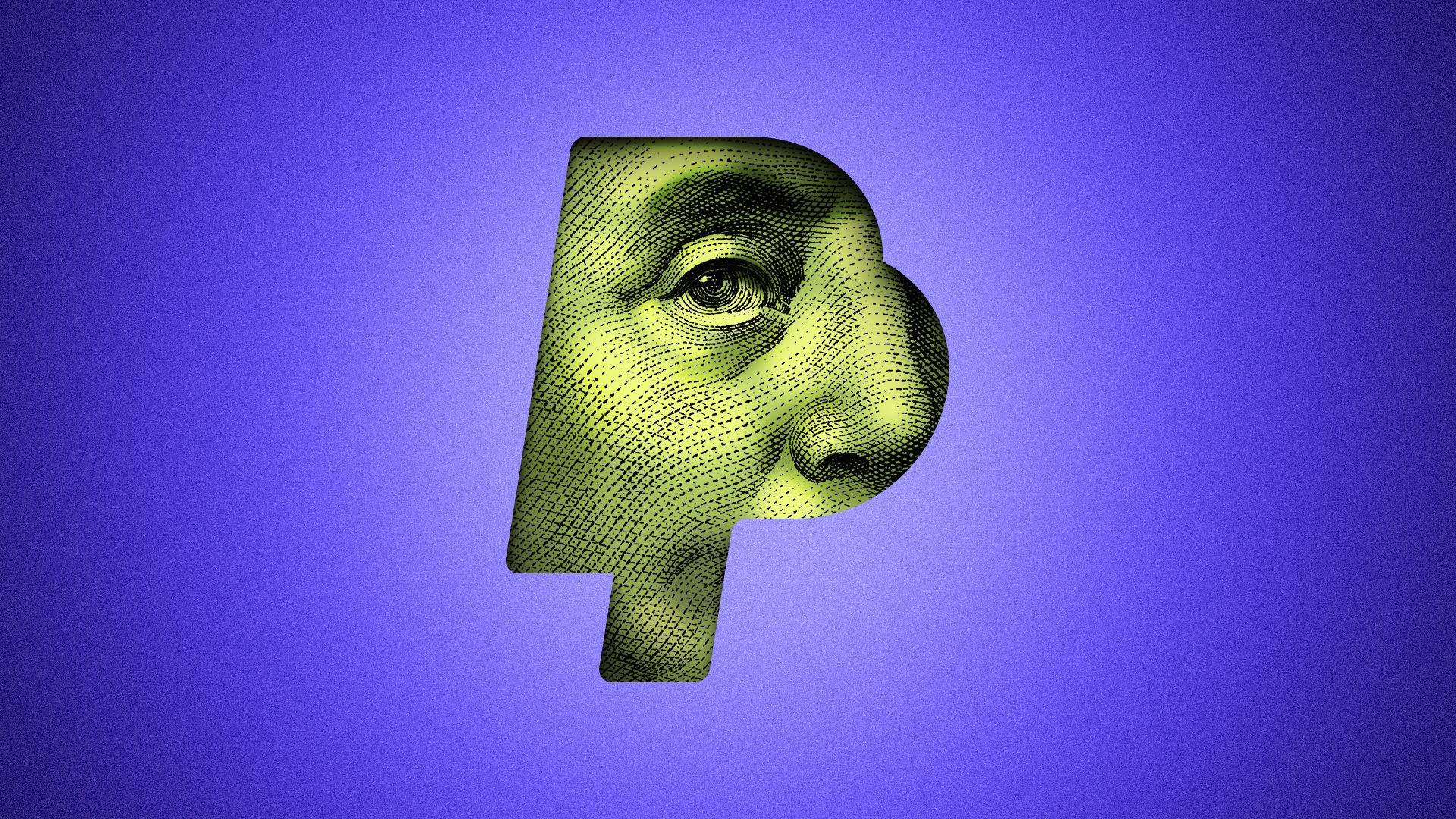
Stripe's efforts to buy PayPal might have died the moment PayPal reported Q2 earnings, even if the bid remained active for another month.
The big picture: Stripe and private equity partner Advent International based their $60.50 per share bid on PayPal's value before the first news reports of a possible deal.
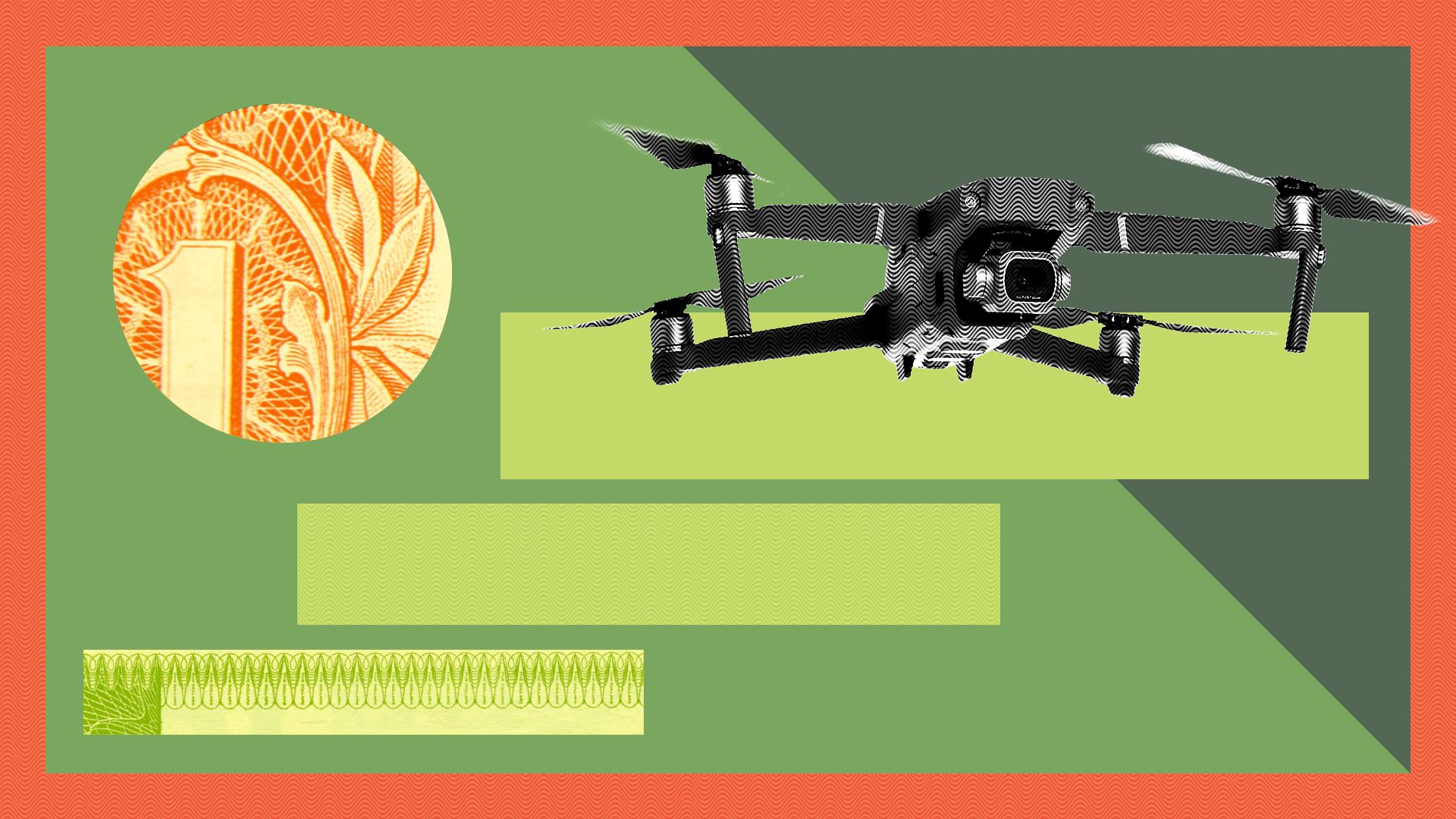
Easy Aerial, a New York-based developer of tethered drone systems for aerial surveillance, has raised $20 million in Series B funding from Insight Partners and Entrée Capital.
Why it matters: The startup was at the center of controversy earlier this year, when it was booted from the Brooklyn Navy Yard.
A historic California bill that provides a refundable employment tax credit for qualifying local news organizations could soon become law, pending Gov. Gavin Newsom's signature.
Why it matters: Local news advocates believe the first-of-its kind measure, if signed into law, would represent the country's largest single-state investment in community news ever.
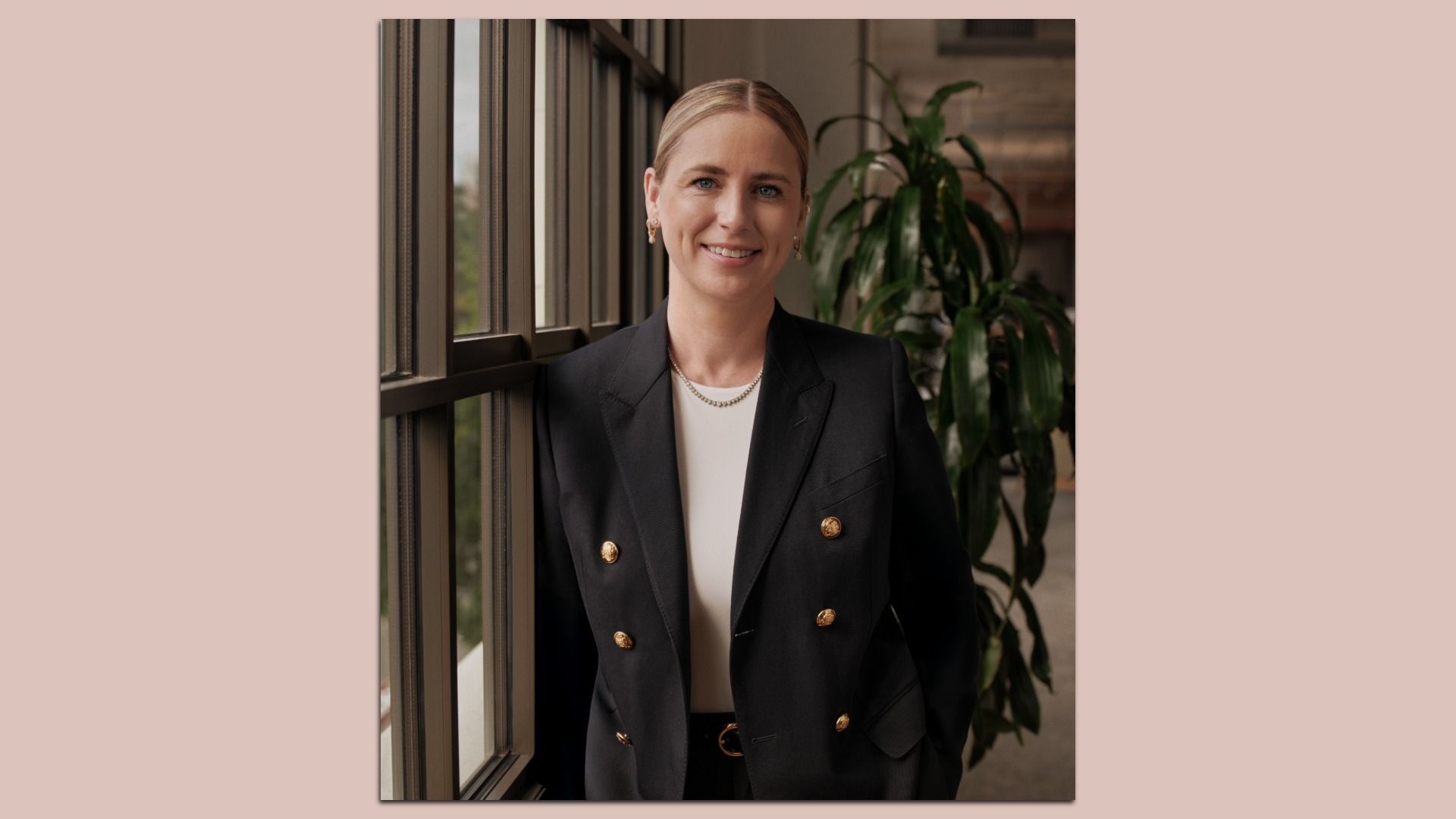
Airbnb is combining communications and parts of its people function under longtime communicator Fallon O'Connor, who will join CEO Brian Chesky's leadership team in a new role.
Why it matters: The top communicator at one of tech's most recognizable companies is taking responsibility for not only explaining its culture but helping build it.
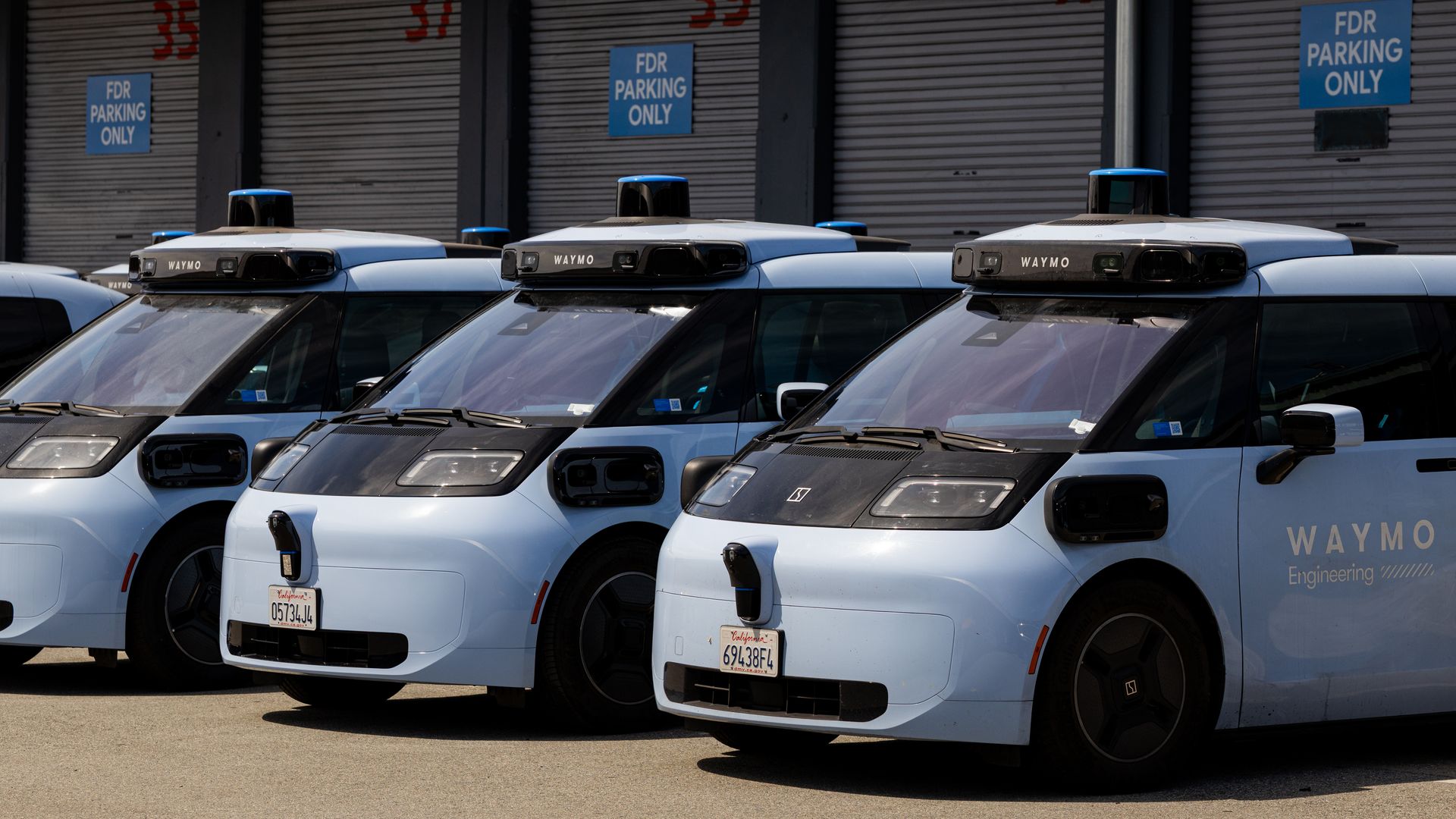
Waymo is accelerating its nationwide expansion with cheaper, next-generation robotaxis — thousands of which are built in China and could eventually run afoul of tightening U.S. restrictions.
Why it matters: The Alphabet subsidiary is betting its next phase of growth on cheaper robotaxis built for massive scale — just as Washington could move the goalposts on where those vehicles can come from.
Light, a Texas startup that enables businesses to offer customers bespoke, branded retail electricity plans, raised $46 million in Series A funding, the company told Axios.
Why it matters: It will support Light's expansion outside Texas into the massive PJM market and beyond as it challenges incumbent power giants.
Second quarter profits were huge. But they were still not big enough to put lingering questions about the AI boom to rest.
Why it matters: The giant results provided little proof that companies are capable ofgenerating a reasonable return on the biggest investment boom in recent memory.
Three years ago, we made the riskiest — but best — business decision since founding Axios in 2017. Nagged by an unshakable feeling that we were hiring too many people to do too many things, we decided to radically simplify things.
We confronted business lines we liked — paid policy verticals to sports coverage — and decided to kill anything we didn't confidently know we could be best at in media. We then ruthlessly trimmed the number of people, layers and decisions needed to achieve this.
Why it matters: The results were eye-popping. Almost instantly, we were doing a lot more with a lot less — and employees now seem happier than ever. Our revenue per employee surged 75%.
Anthropic temporarily paused some AI training and cybersecurity evaluations, the company said in a blog post Monday detailing changes made after unauthorized actions by its agents earlier this year.
Why it matters: Rival OpenAI said it had paused some model work due to safety concerns. Now, we know Anthropic did the same — and it's reiterating the need for a broader pacing of frontier AI development.