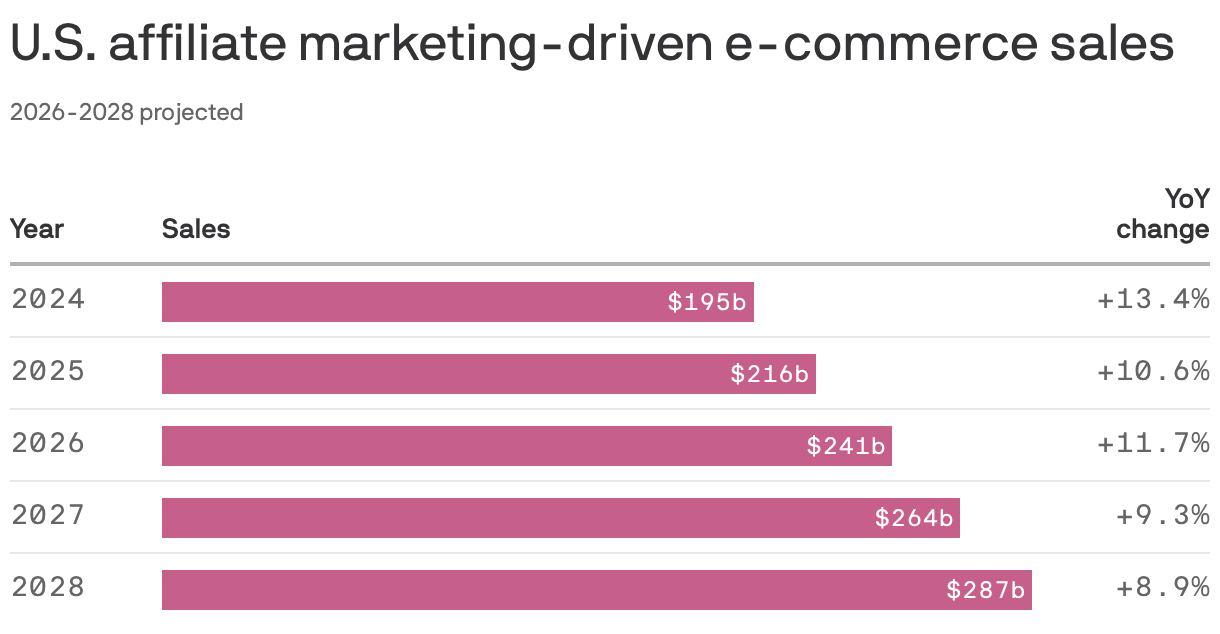
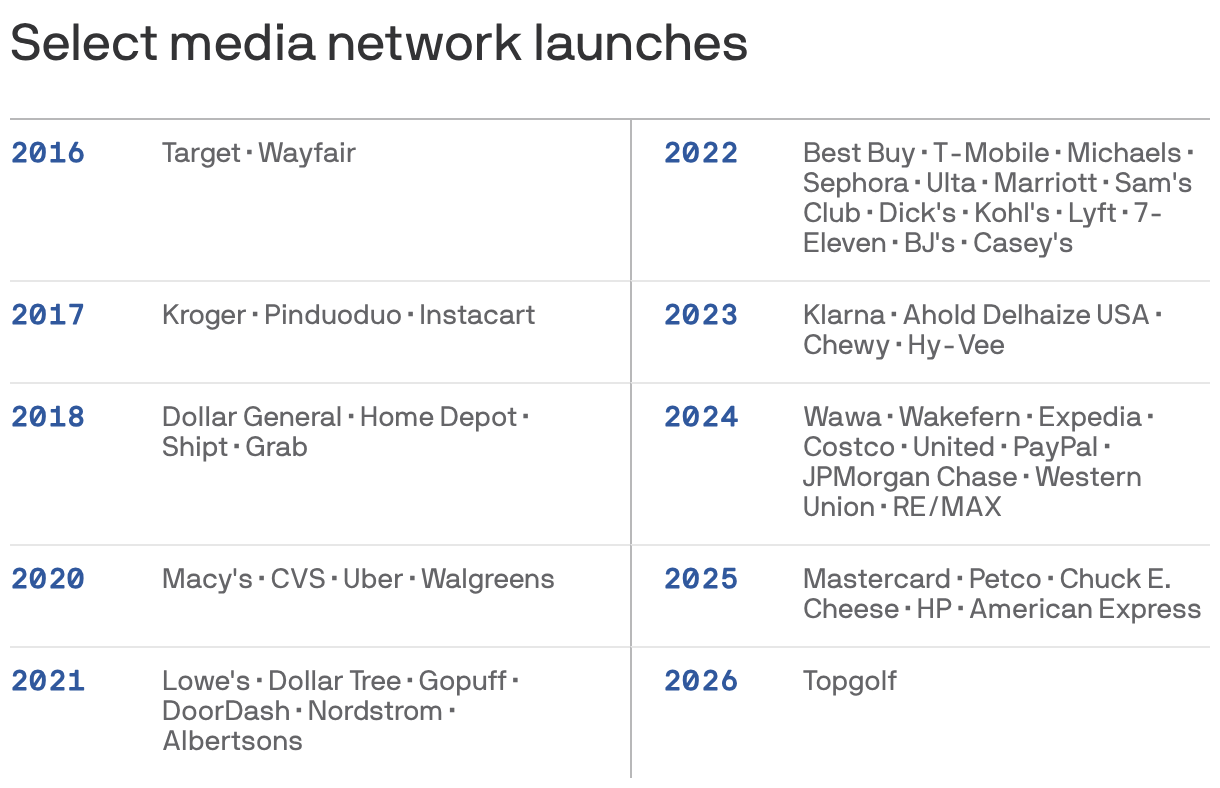
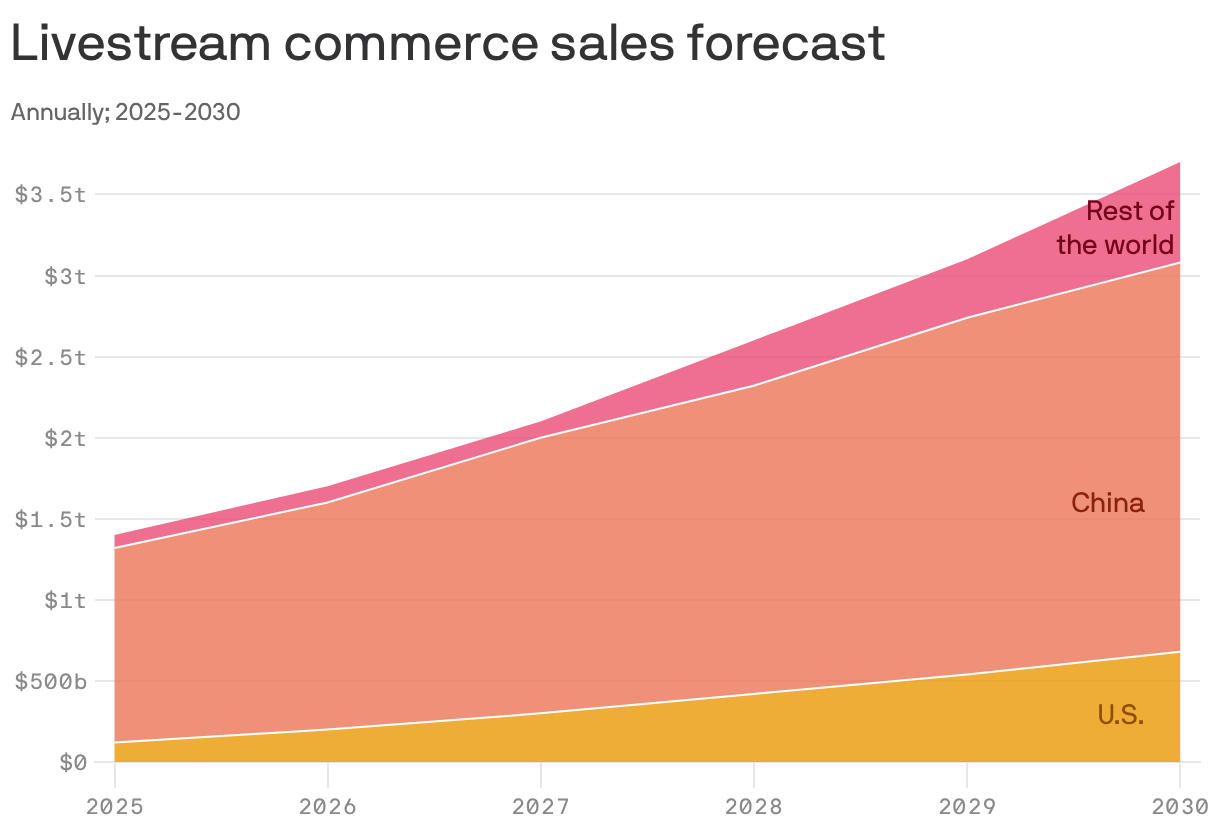
Creator commerce has evolved from an experimental marketing tactic into a core strategy for retailers, as brands bet that trusted human recommendations will matter even more in the AI era.
Why it matters: The shift is motivating brands to rethink how they recruit, manage and measure creator relationships.
Publishers' commerce businesses are under pressure as AI summaries reduce referral traffic and retailers tighten and shift their affiliate marketing budgets.
Why it matters: Commerce is an even more important source of revenue as advertising dollars become less reliable, pushing publishers to adapt.
The retail industry is emerging as one of AI's biggest commercial winners, forcing companies to embrace bots as buyers and incentivizing rivals to work together to capture new business.
Why it matters: While creative sectors try to prevent AI companies from scraping their content, retailers are inviting them in and betting AI shopping assistants will become a new source of customers.
Taco Bell is going viral in the worst way. The fast-food chain is engulfed in a billowing food safety crisis that threatens to inflict lasting damage on the crown jewel of Yum Brands.
Why it matters: Foodborne illness outbreaks can scare off customers long after the immediate health risk has passed, sometimes keeping people away for years.
Solo dining is having a moment, with reservations for one jumping 23% over the past year, booking app OpenTable says.
Why it matters: That growth may look like another sign of America's lonelinessepidemic. But many solo diners say eating alone offers a rare chance to slow down, reflect and savor the small stuff.
David Sacks, AI investor and White House tech advisor, warned Friday that the U.S. isin danger of losing the AI race to China following the release of Kimi K3, a Chinese model that beats frontier American systems on several benchmarks.
Why it matters: Sacks is pitching a hands off regulatory approach to AI that he frames as do-or-die for America to hold onto its dominance.
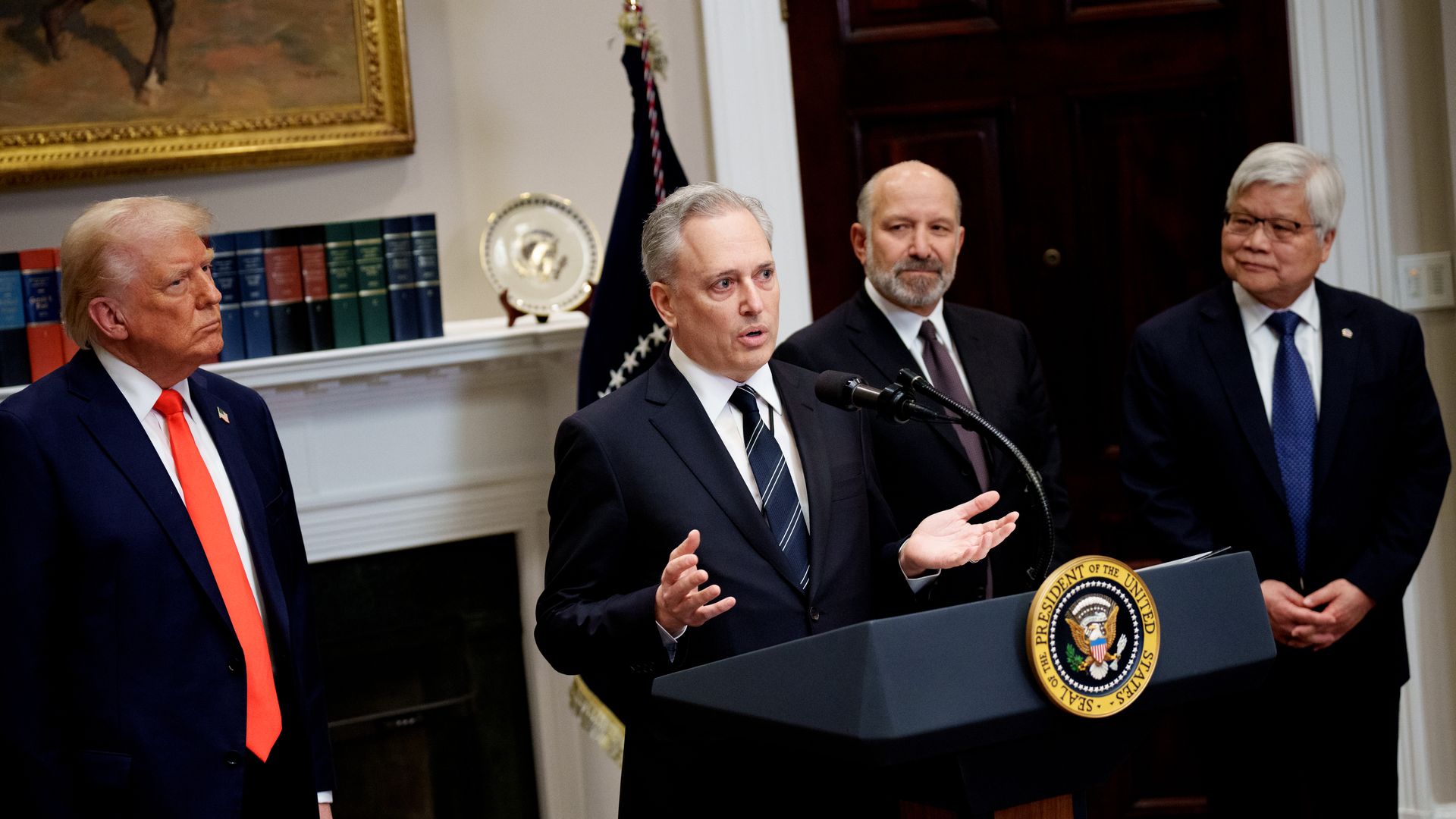
As executives question whether their massive AI bills are paying off, OpenAI CFO Sarah Friar is pitching a new scorecard for measuring AI's success, according to a new blog post viewed by Axios.
Why it matters: The framework is OpenAI's response to a growing enterprise AI cost reckoning, as companies increasingly route work to cheaper models and demand clearer returns on their investments.
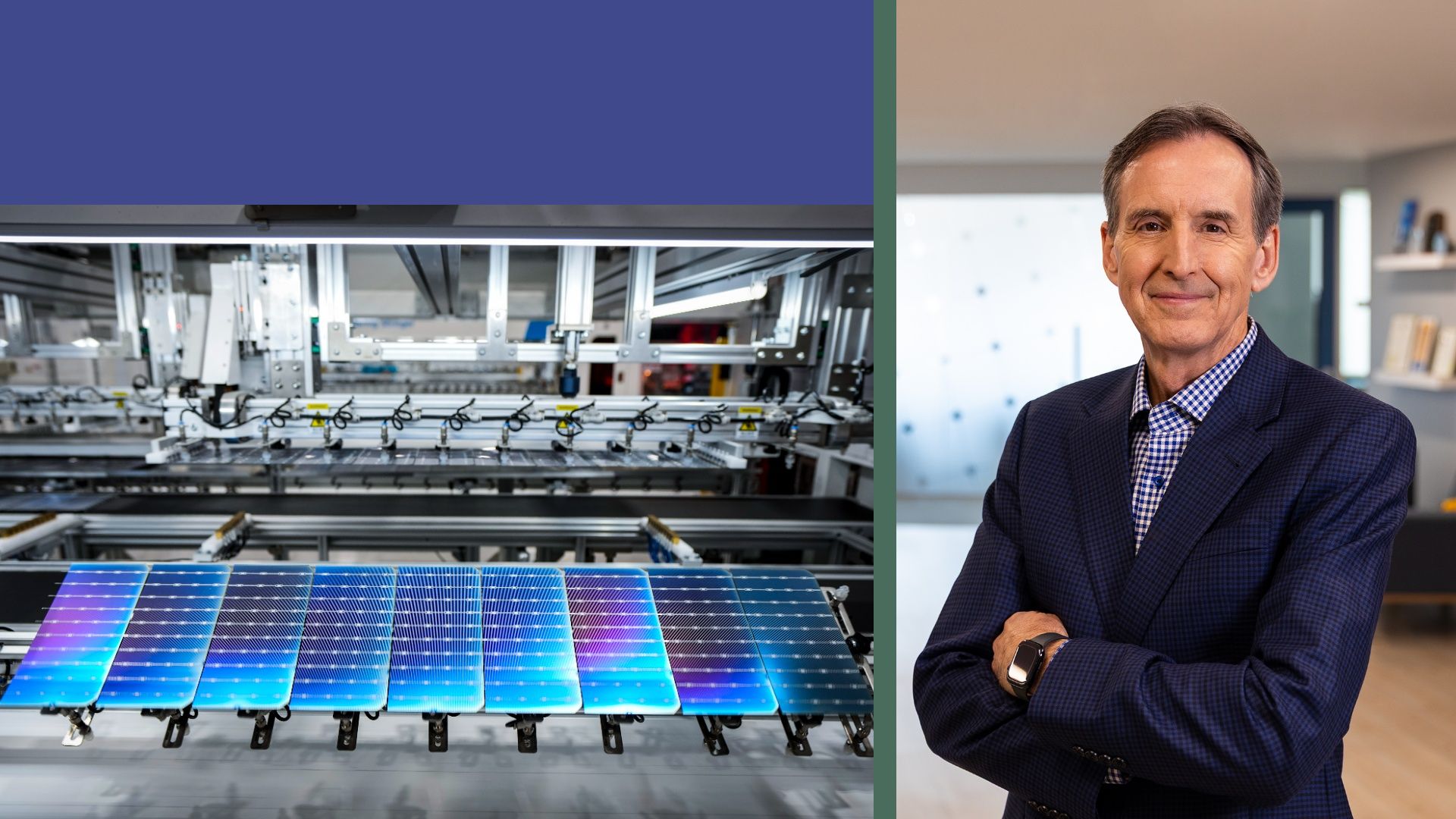
Tim Pawlenty, the new head of the solar industry's lobbying group, sees his gig through lenses that are purple and green.
Why it matters: Minnesota's former GOP governor arrives at the Solar Energy Industry Association (SEIA) at a time of huge political problems for renewables under Trump 2.0.
But there are some tailwinds, too. Rising demand and AI put a premium on energy that can come online fast, and affordability is the political buzzword of the moment as electricity bills rise.
The Trump administration is simultaneously loosening federal rules to accelerate autonomous vehicle deployment while also slapping robotaxis for getting in the way of first responders during emergencies.
Why it matters: Government regulations aren't keeping pace with the emerging technology. Self-driving cars are here, but uniform safety standards are not.
Driving the news: The head of the National Highway Traffic Safety Administration is calling attention to what he refers to as "a disturbing trend" in recent months: AVs interfering with police, ambulances and fire trucks.
Jonathan Morrison issued a warning to the industry in a letter to AV developers last week. But there's no mistaking that his target was Waymo, which has driverless operations in 11 U.S. cities — including Dallas — and four more coming soon.
SpaceX closed below its IPO price Thursday after the stock declined for the eighth time in nine sessions.
Why it matters: The selloff suggests that investors' knees have gone somewhat wobbly, as the first restrictions on selling — known as lockups — are set to be lifted in less than a month.
The latest: The stock closed at $131.11 Thursday.
That's down 42% from its intraday high of $225.64 reached on June 16.
It's also below the stock's symbolically important $135 offering price.
Zoom in: According to SEC filings, up to 1.37 billion shares could hit the market starting in the days after SpaceX reports second-quarter results, which is projected to be on Aug. 6, according to FactSet.
That includes 911.5 million of class A common shares.
And it could include an additional 455.8 million shares if the stock price meets certain conditions. (The shares would have to close at or above $175.50 on a certain number of trading days surrounding the Q2 earnings release.)
Reality check: The actual SpaceX IPO — the largest ever, raising $86 billion — involved the sale of only 639 million shares.
That means the first lockup expiration could roughly quadruple the supply of tradable SpaceX shares.
The intrigue: Will the buying public be eager to buy them? Especially after the recent drop?
Between the lines: The SpaceX IPO last month was a masterpiece of financial engineering.
SpaceX CEO Elon Musk was able to generate a surge of retail interest.
The company was also fast-tracked into some key indexes, like the Nasdaq 100, ensuring some steady purchases from index-based investors.
Those factors, along with a surge of online hype and a relatively constrained amount of stock to sell — about 5% of all SpaceX shares — generated more than a satisfying pop in the price.
At its closing high, the company was valued at $2.64 trillion, on paper.
Yes, but: That valuation always deserved to be viewed pretty skeptically.
All things being equal, the constrained supply of stock in the face of strong demand results in an elevated price and a potential overvaluation of the company.
The bottom line: As more SpaceX shares are released into the wild, we'll get a more accurate picture of what the market thinks SpaceX's "true value" is.
The purest form of Christopher Nolan's "The Odyssey" can only be seen in 25 U.S. theaters — all equipped with 70mm IMAX screens.
The big picture: Movie theaters are enjoying their strongest run since COVID — driven in part by major film studios turning major releases into can't-miss events like Nolan's latest.
President Trump threatened again to revoke the broadcast licenses of ABC and NBC on Thursday, after those networks decided not to preempt their regularly scheduled programming to cover his address on election integrity live.
Why it matters: The Federal Communications Commission has already launched probes into broadcasters, alleging their practices violate public interest standards. Those efforts could have serious business consequences.