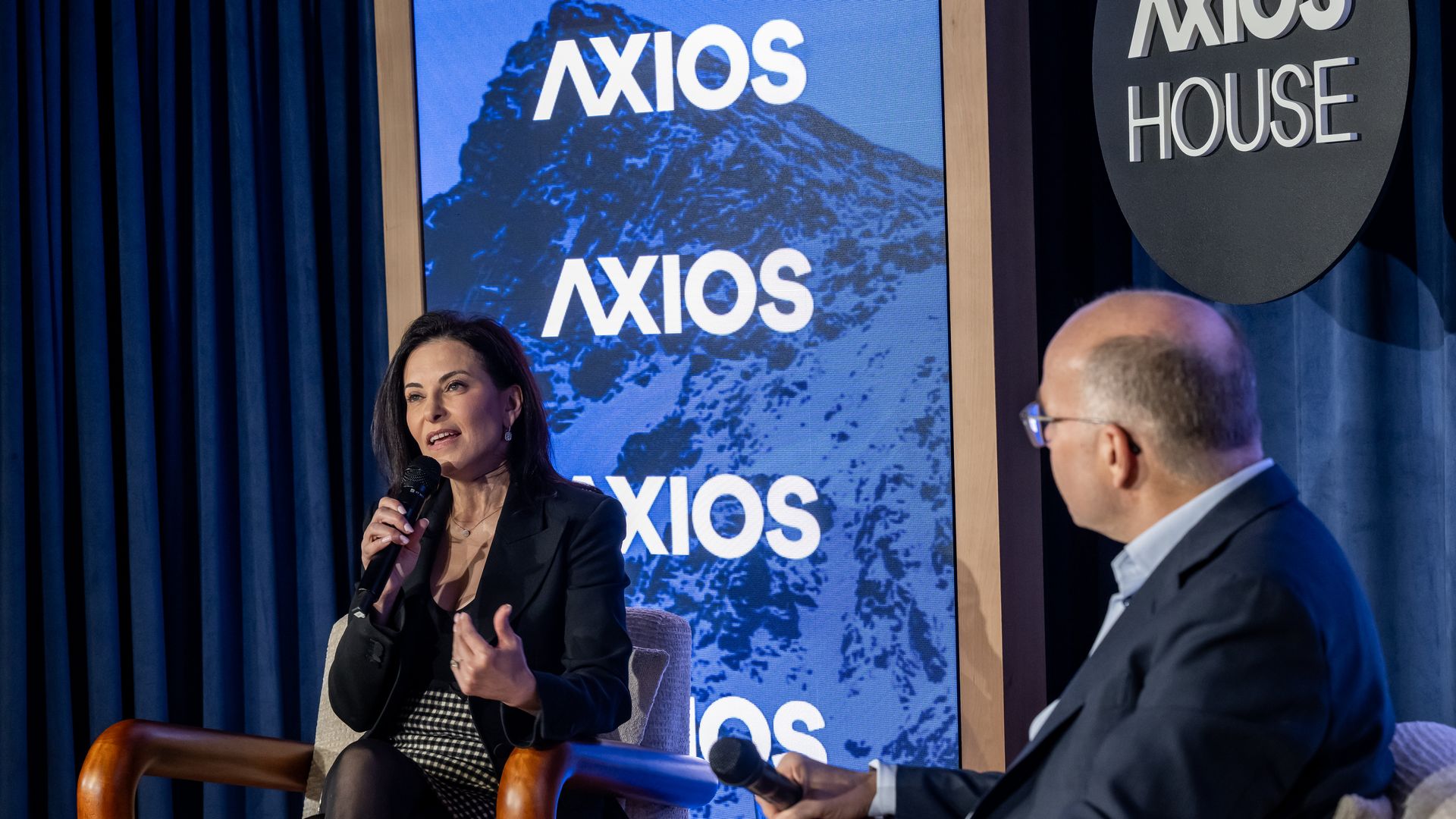
DAVOS, Switzerland—In her first interview as Meta's new president and vice chairman, Dina Powell McCormick argued that AI is a "group sport" that will require cooperation among tech rivals to keep "humanity" at the center.
Why it matters: Powell McCormick used her debut at Axios House Davos to frame AI as a "transformation" for the human race — and to urge the industry to align on "core values" that ensure the technology is as "safe" as it is "productive."
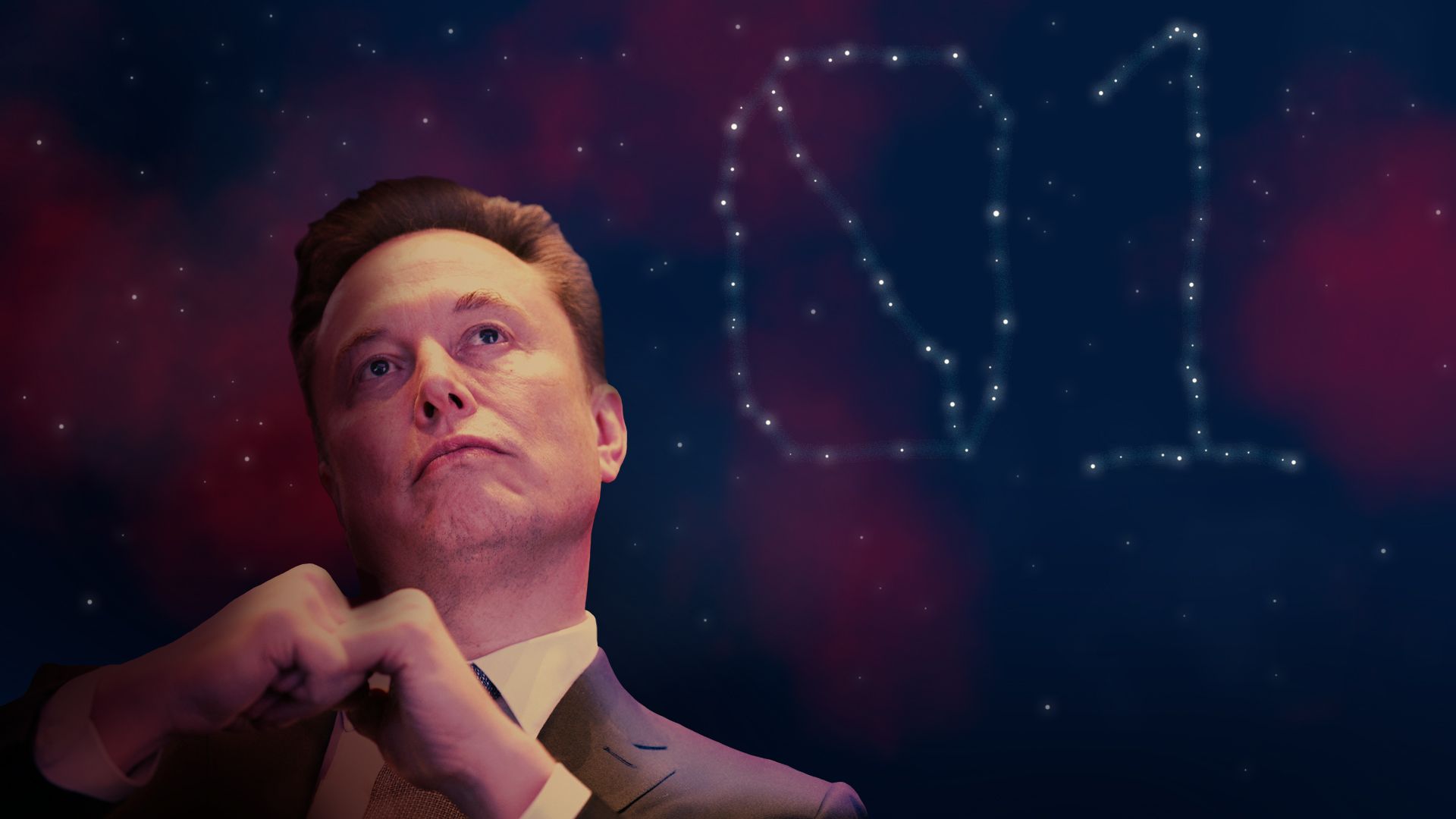
Elon Musk and his SpaceX team believe they've cracked the code on building orbiting data centers to power the future of AI — and plan to use the company's upcoming public offering to help fund the audacious vision, according to people briefed on the plans.
Why it matters: Musk and top executives at other AI giants believe that earthbound data centers will become politically toxic and less efficient than space, which they see as the inevitable answer.
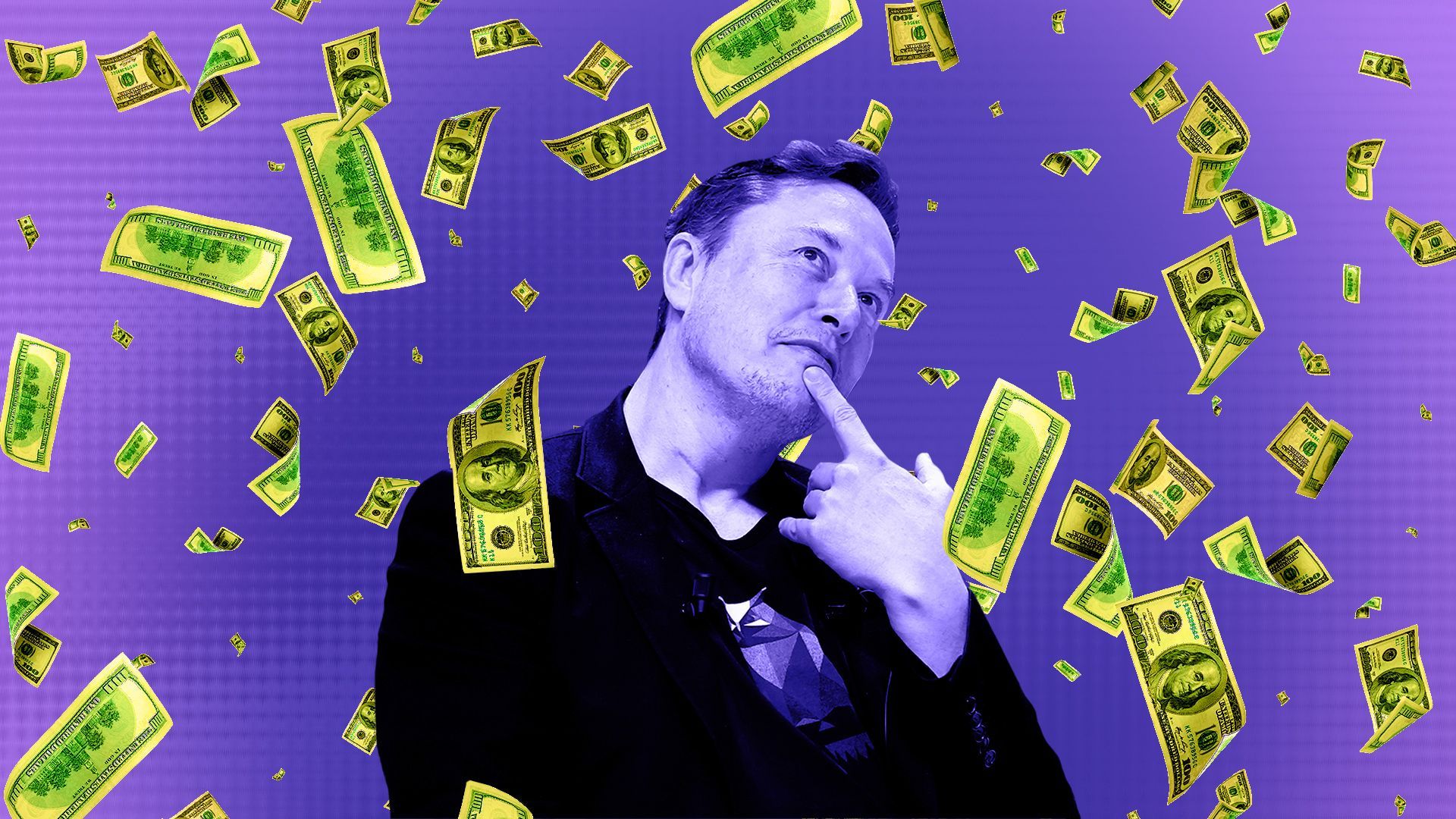
Elon Musk has cut a massive $10 million check to bolster Nate Morris, an outsider, pro-Trump candidate running to succeed retiring Sen. Mitch McConnell (R-Ky.), Axios has learned.
Why it matters: The stunning gift is the biggest sign yet that Musk plans to spend big in the 2026 midterms, giving Republicans a formidable weapon in the expensive battle to keep their congressional majorities.
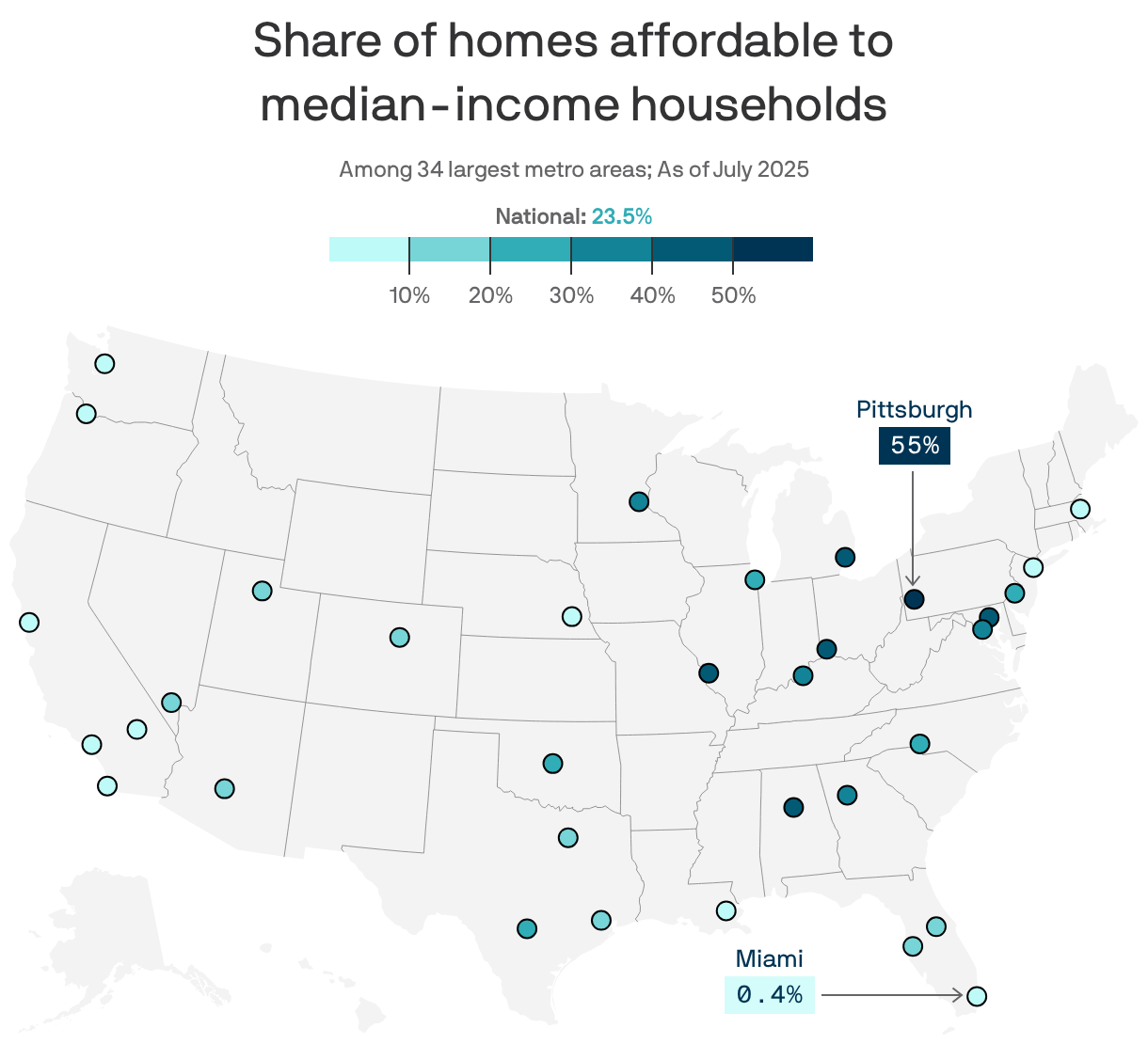
Over 75% of U.S. homes on the market are unaffordable to the typical household, according to a Bankrate analysis.
The big picture: Persistently high home prices and mortgage rates are only part of the squeeze. In many places, there simply aren't enough homes available.
A global survey of C-suite executives by IBM's Institute for Business Value found most expect AI spending to shift over the next four years from efficiency to a new wave of innovation.
64% of the surveyed executives think that by 2030, their AI edge will come from innovation rather than resource optimization.
Global perceptions of AI are improving, but the U.S. remains skeptical, according to a new poll from Google and Ipsos.
Why it matters: AI is moving quickly into work, education and daily life, but Americans trail much of the world in usage, excitement and confidence — gaps that could shape who sets the rules and norms for AI's future.