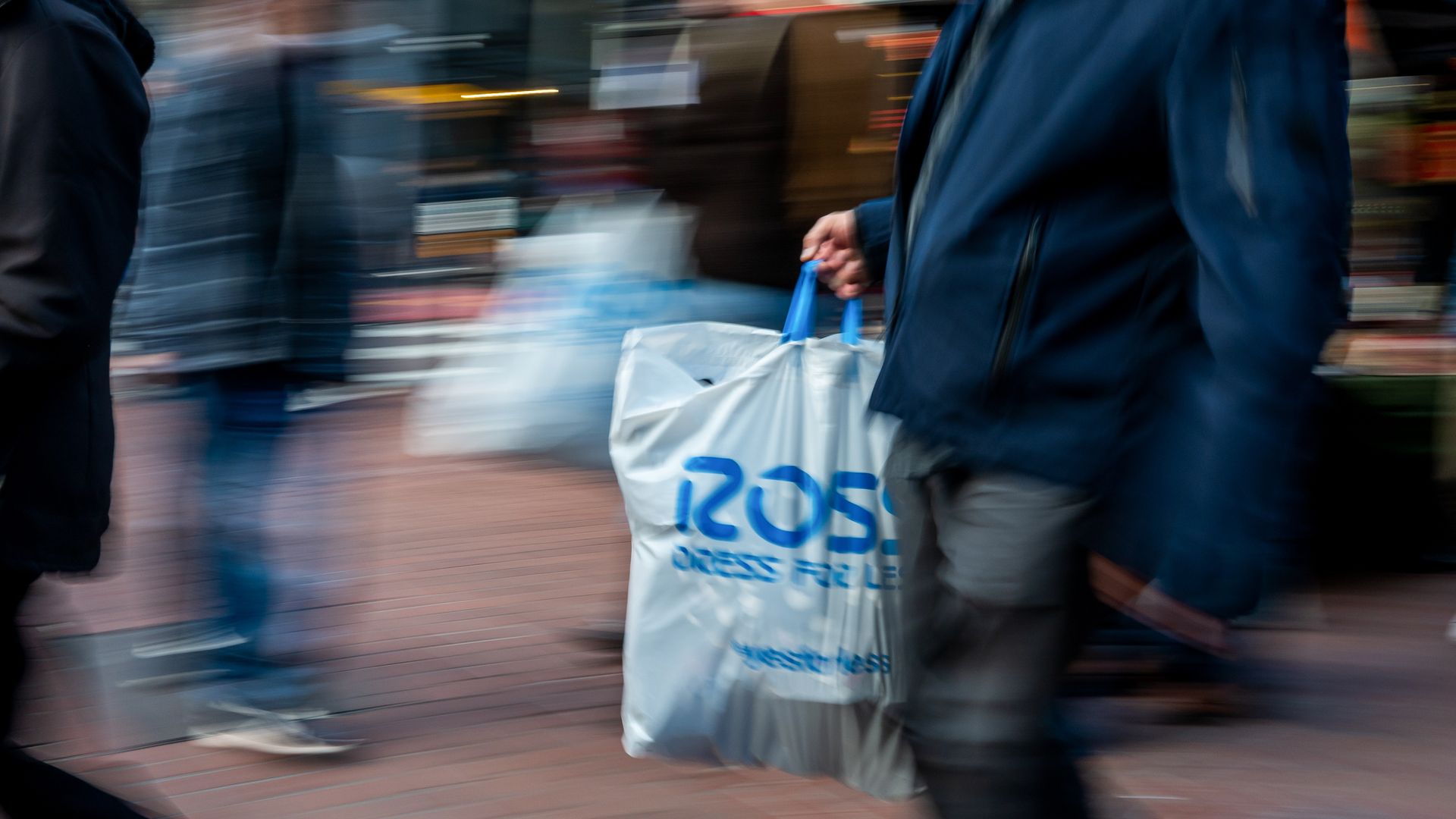
A handful of retailers — from a struggling department store chain to sellers of consumer electronics, apparel and sporting goods — raised their sales forecasts for the year on Tuesday, saying they're well-positioned heading into the holiday season.
Why it matters: Declining consumer sentiment and new data showing a slowdown in U.S. retail sales growth in September paint a picture of an increasingly shaky consumer — but investors are still managing to enjoy some holiday cheer.
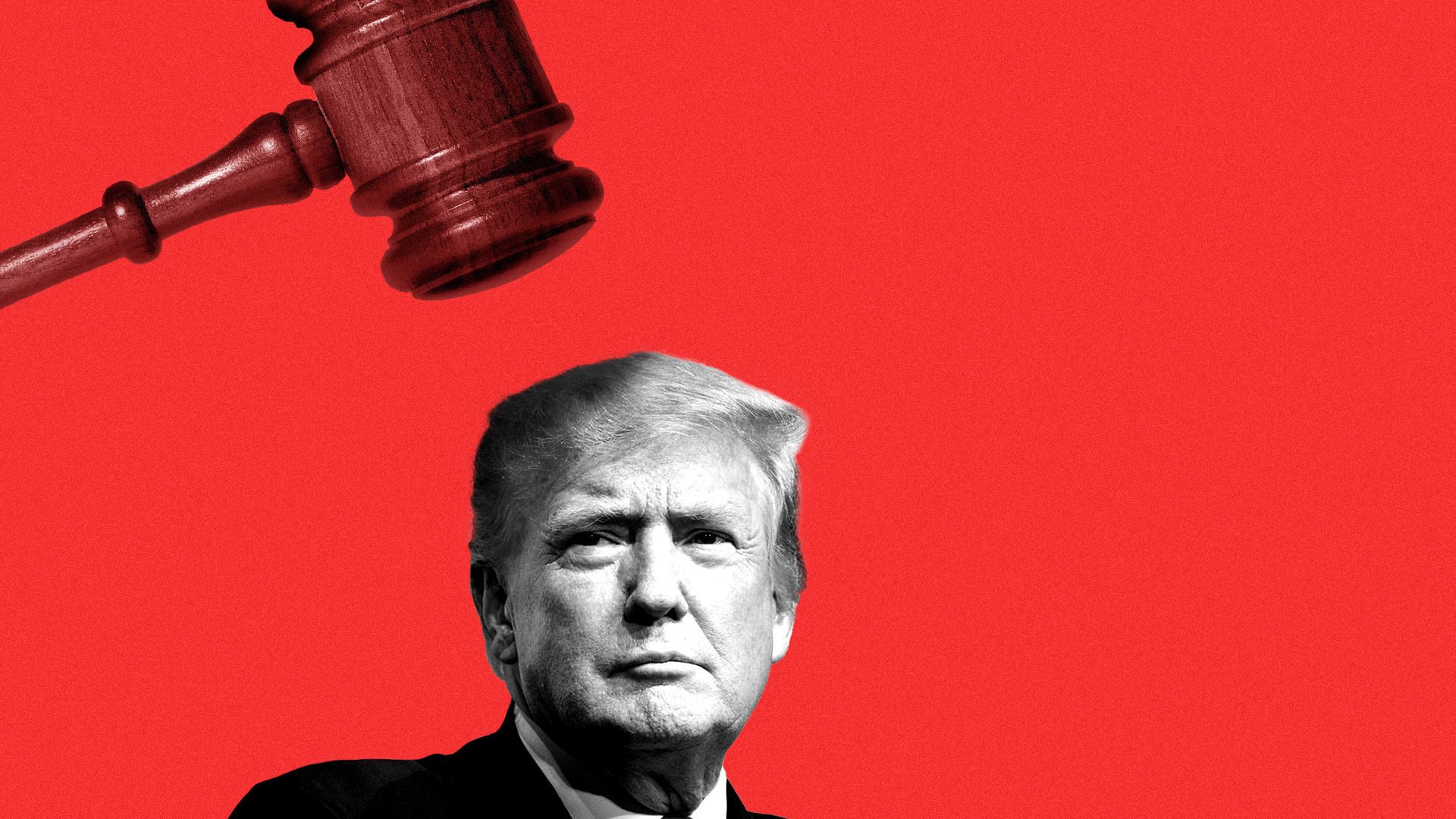
Despite two very visible settlements with ABC and CBS in the past year, President Trump's legal pressure on media companies has still faced ample pushback in court.
Why it matters: Lawsuits, even if eventually dismissed, are extremely costly and burdensome for news organizations to fight.
Three in 10 fraud attempts targeting major retailers are now AI generated, according to estimates from deepfake detection firm Pindrop.
Why it matters: Heading into the holiday shopping season, scammers and hackers are using deepfakes to trick employees of corporate retailers and steal thousands of dollars per attack, on average.
TikTok on Tuesday named veteran government affairs executive Ziad Ojakli as its new head of public policy for the Americas, replacing longtime policy lead Michael Beckerman.
Why it matters: Ojakli will become the public face of TikTok's policy strategy as it looks to get sold and save itself from a ban.
Clover Security has nabbed $36 million in funding from a slew of high-profile industry stalwarts, including Wiz co-founders Assaf Rappaport and Yinon Costica and executives from Cato Networks, Snyk, CrowdStrike, Palo Alto Networks, Atlassian and Google.
Why it matters: AI security startups need big names and major name recognition to gain traction in an increasingly crowded cybersecurity market.
Lukoil is Russia's second largest oil company, with global operations stretching from extraction fields in Iraq to gas stations in Pennsylvania.
It's also got a financial gun to its head, due to U.S. sanctions that are set to take effect in less than two weeks, prompting it to put its international operations up for sale.
"Wicked: For Good" defied gravity over the weekend, setting a new record as the highest-opening stage musical adaptation at the global box office.
Why it matters: The film's stellar performance suggests moviegoers were eager to see the sequel despite bad reviews from critics, who panned the Broadway musical adaption for being "very, very bad" and a "letdown."
American consumers eased spending in September: Retail sales rose 0.2% that month, the Commerce Department said on Tuesdayin a data report delayed by the government shutdown.
Why it matters: The first snapshot of consumer spending since the government reopened suggests the consumer engine of the economy is on rocky footing.
When activists protest oil pipelines with the slogan "keep it in the ground," they don't end up keeping most oil in the ground — and their efforts may even have side effects, like increasing air pollution when the oil is transported in other ways.
Why it matters: These unintended consequences show just how hard it is to curb oil and gas by targeting supply alone.
An abundance of AI-related bonds have come to market, yet investors still have an appetite for the debt of cash-rich hyperscalers like Google.
Why it matters: Not all tech debt is created equal. Investors will need to suss out the winners from losers to avoid getting burned if the AI promise fails to turn out as hoped.
It's a hard time to be a young adult. Unemployment for the group is spiking, homeownership is increasingly out of reach, and return on investment in a college education is unclear.
Why it matters: The American Dream sold to Gen Z feels further from reality than ever, according to a new study from Oxford Economics. The scars of that could last their lifetimes.
Zipline says it will receive up to $150 million from the U.S. State Department to expand drone deliveries of blood, vaccines and other medical supplies in five African countries.
Why it matters: The contract represents an early example of the Trump administration's new "America First" foreign assistance agenda, touted in July by Secretary of State Marco Rubio, following its decision to shut down the U.S. Agency for International Development (USAID).
The world's most popular chatbot, ChatGPT, faces new threats from its biggest competitor: Google's Gemini.
Why it matters: Google was caught on the back foot when OpenAI released ChatGPT three years ago. With the release of, and rave reviews for, Gemini 3 Pro, the script has flipped.
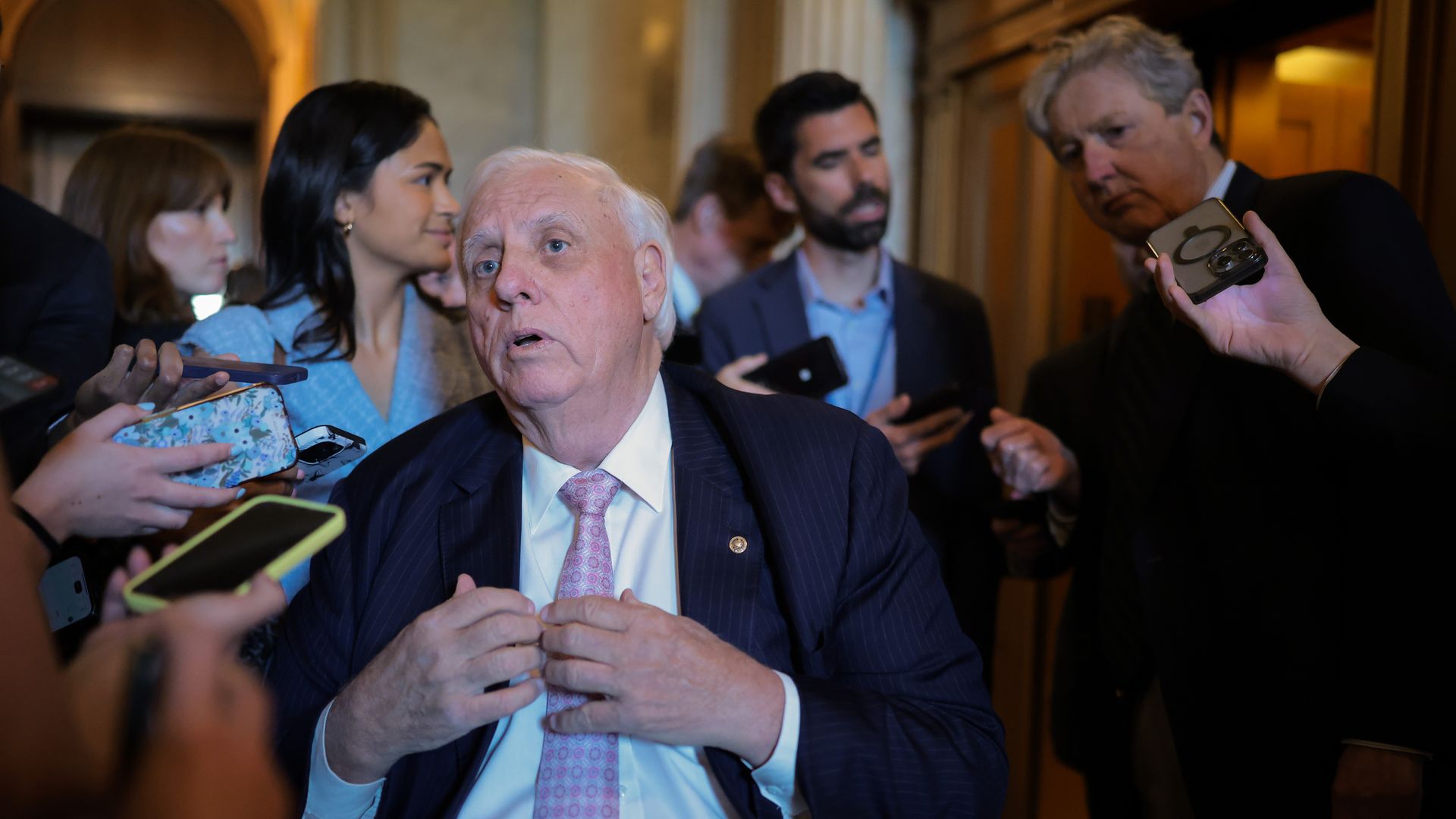
Sen. Jim Justice (R-W.Va.) settled a lawsuit from the federal government over alleged unpaid taxes from the 2009 tax period for $5.16 million soon after it was filed, Bloomberg first reported.
The big picture: The lawsuit against the former West Virginia governor and his wife, Cathy Justice, filed by the Justice Department on behalf of the Internal Revenue Service, alleged that the couple had "neglected or refused to make full payment" in spite of "notice and demand for payment."