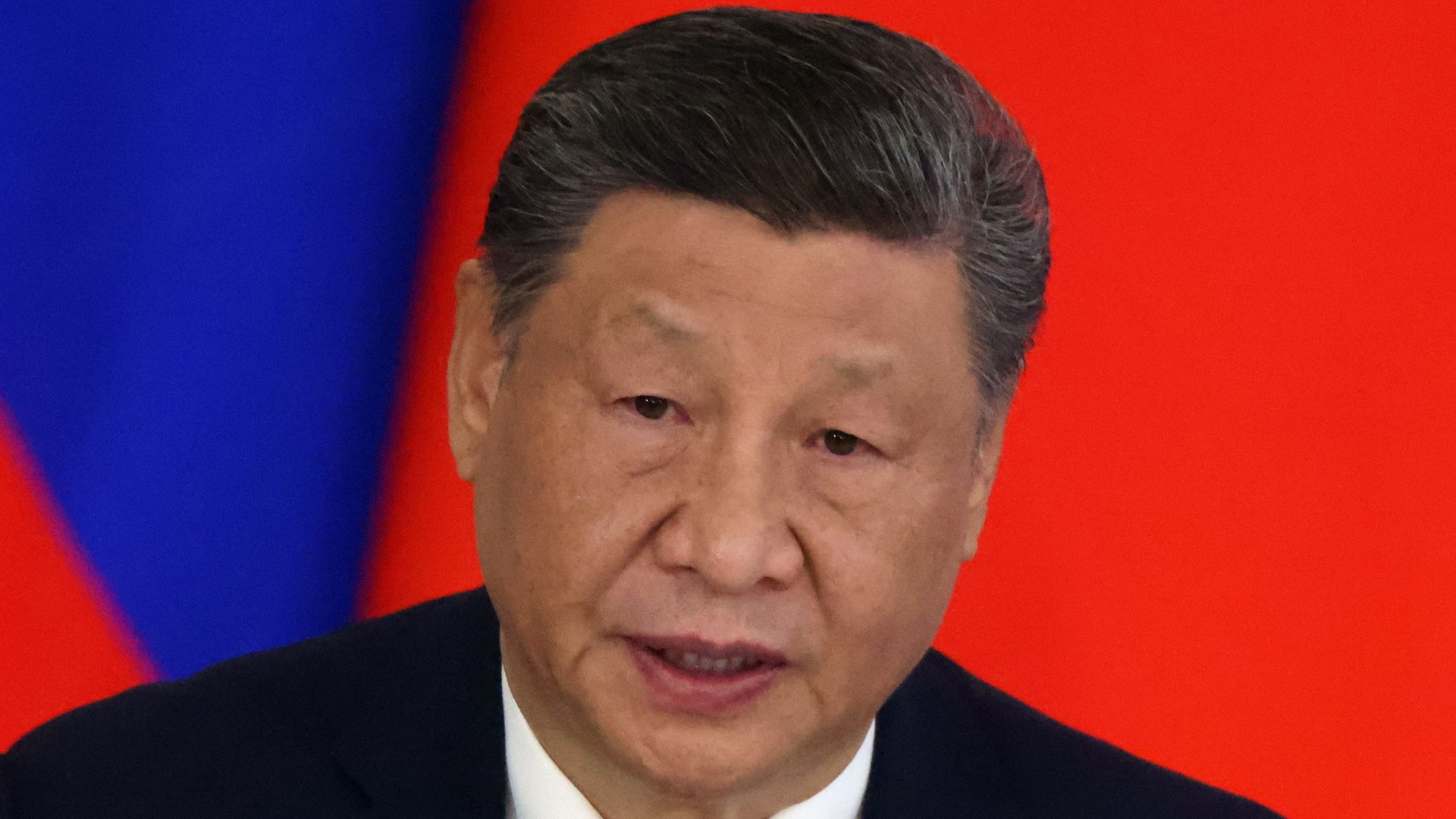
China accused the U.S. violating the trade deal that the world's two largest economies signed last month and vowed to take "resolute and forceful measures," per a briefing on Monday morning local time.
Why it matters: It's the latest sign of deteriorating relations between the two nations since their Switzerland meeting last month led to a deal to lower tariffs on each other for 90 days while they negotiated on trade.
Americans are cooking at home more often and targeting budget-friendly foods, according to The Campbell's Company.
Why it matters: The trend reported Monday by Campbell's — whose brands include its eponymous soup, Prego sauce and Snyder's pretzels — comes as restaurant chains like McDonald's have already flagged softness in spending from low- and middle-income consumers.
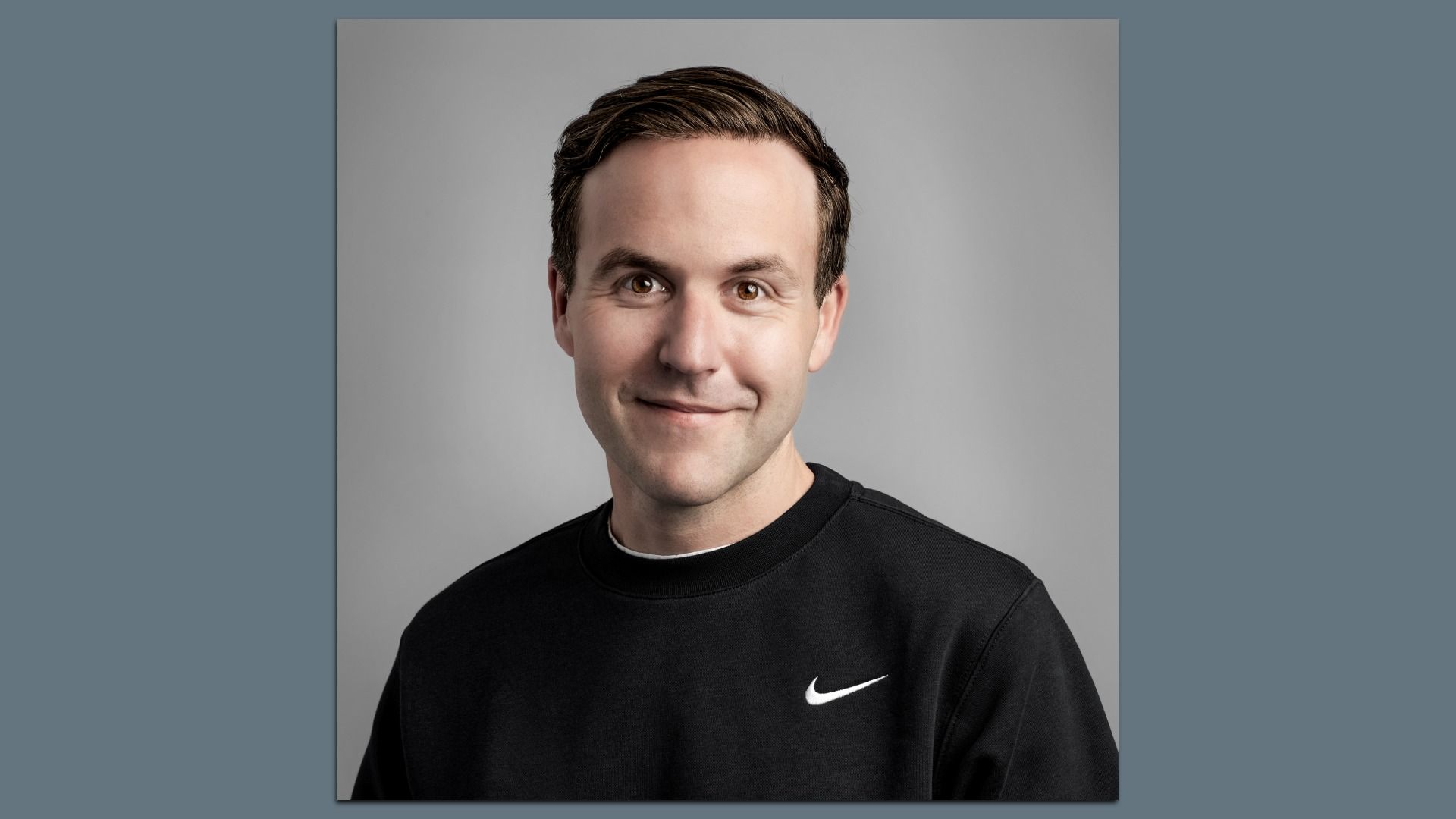
Nike has hired McDonald's chief impact officer of North America, Michael Gonda, as executive vice president and chief communications officer, Axios is first to report.
Why it matters: Nike is in the midst of a turnaround following declining sales and the appointment of a new CEO, Elliott Hill.
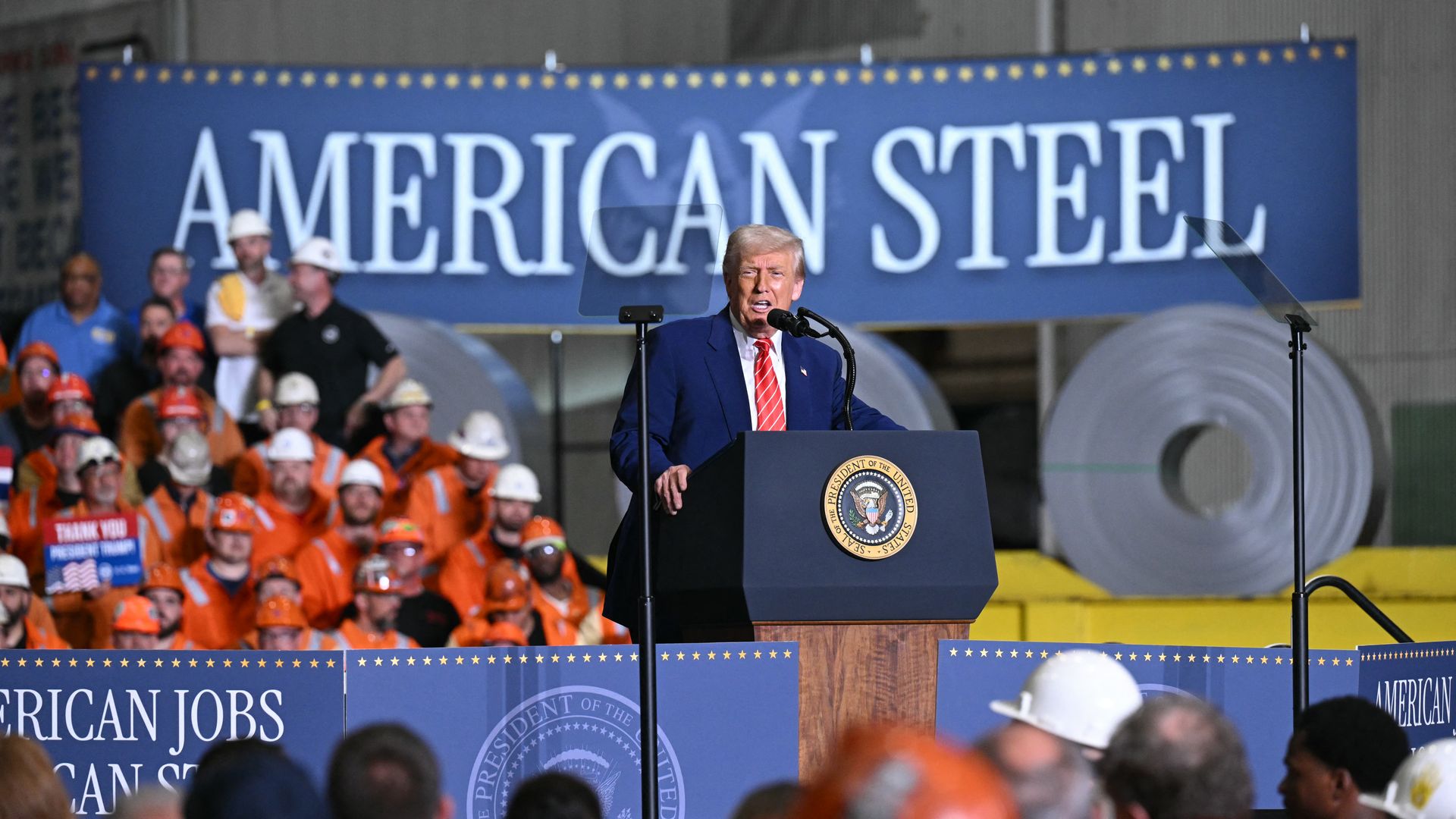
President Trump on Friday spoke for nearly an hour to workers at a U.S. Steel plant near Pittsburgh, crediting himself with saving their jobs by negotiating a "partnership" between their employer and Japan's Nippon Steel.
Later that evening in Washington, D.C., he told reporters that he's neither seen nor approved a final deal.
Why it matters: Trump's decision to put the cart before the horse may have given Nippon some last-minute leverage.
Sanofi agreed to acquire Blueprint Medicines, a Cambridge, Mass.-based biotech focused on rare immunology diseases, for $9.1 billion in cash and up to $400 million in earnouts.
Why it matters: This is Sanofi's third big buy in 2025, following Dren Bo and Vigil Neuroscience, as it tries to build up a portfolio that's become too reliant on its Dupixent anti-inflammatory drug.
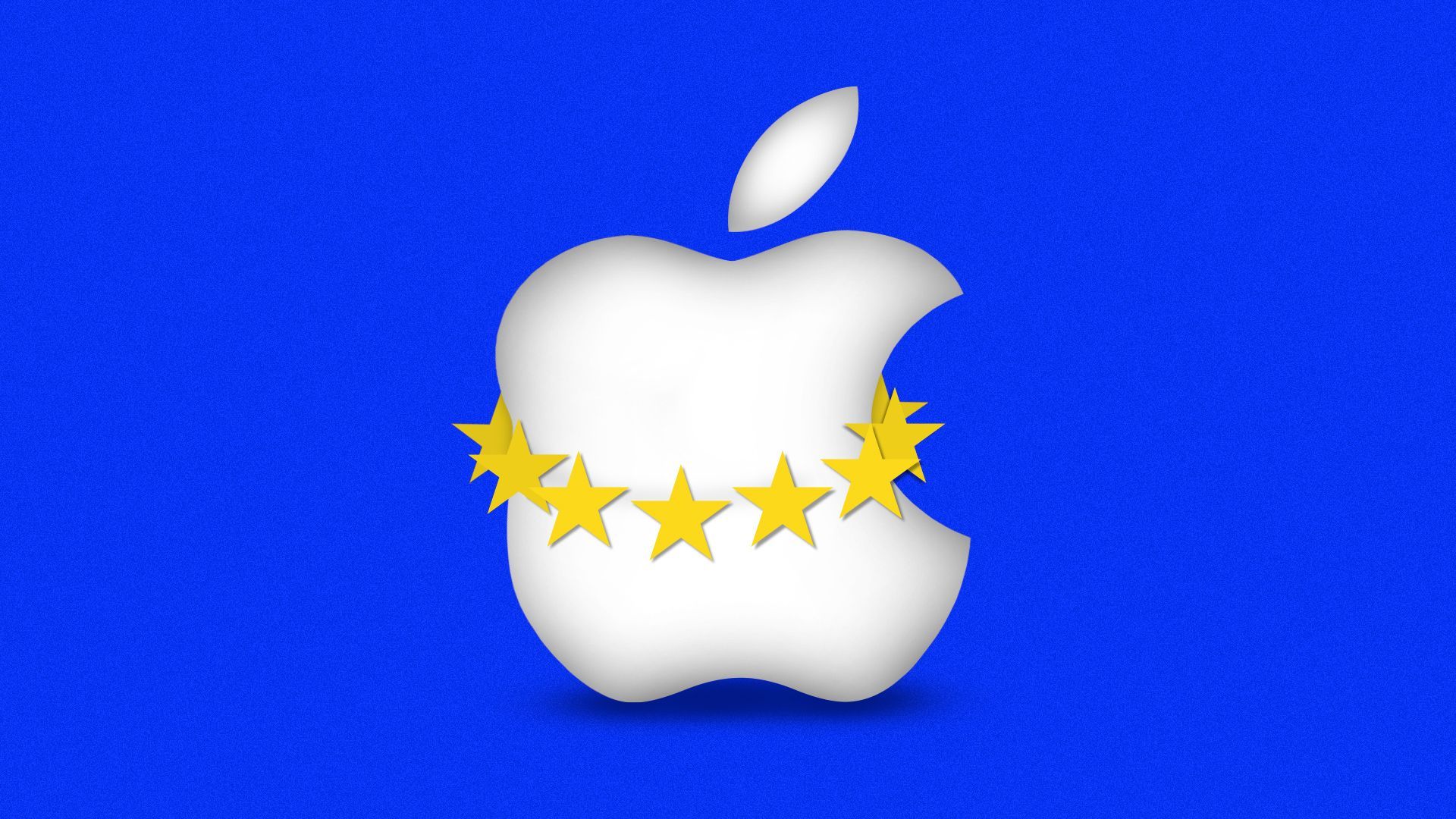
Apple filed an appeal to the European Commission's specifications around how the company complies with its interoperability requirements, which compel it to share user information with outside developers as part of the Digital Markets Act, per a source familiar with the situation.
Why it matters: Apple continues to push back forcefully against requirements imposed by the DMA, which the company has said forces it to give up its intellectual property and compromise user privacy.


/2025/06/02/1748899102489.gif?w=3840)