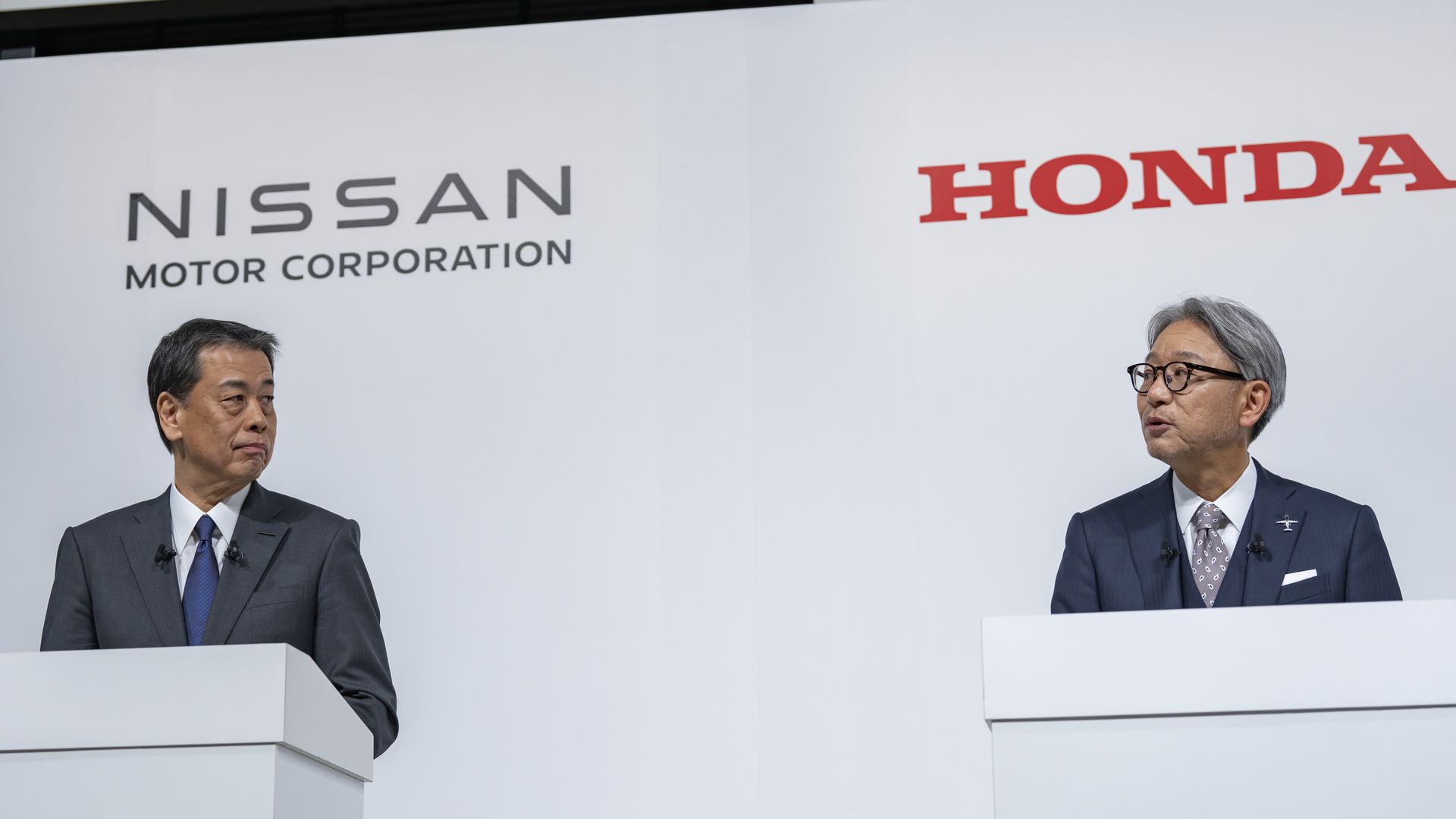
Honda and Nissan face a litany of difficult decisions about their competing vehicles and overlapping U.S. manufacturing jobs if they move forward with a merger.
Why it matters: A combination of Honda and Nissan — formerly fierce competitors — would create the world's third-largest automaker by vehicle sales behind Toyota and Volkswagen.
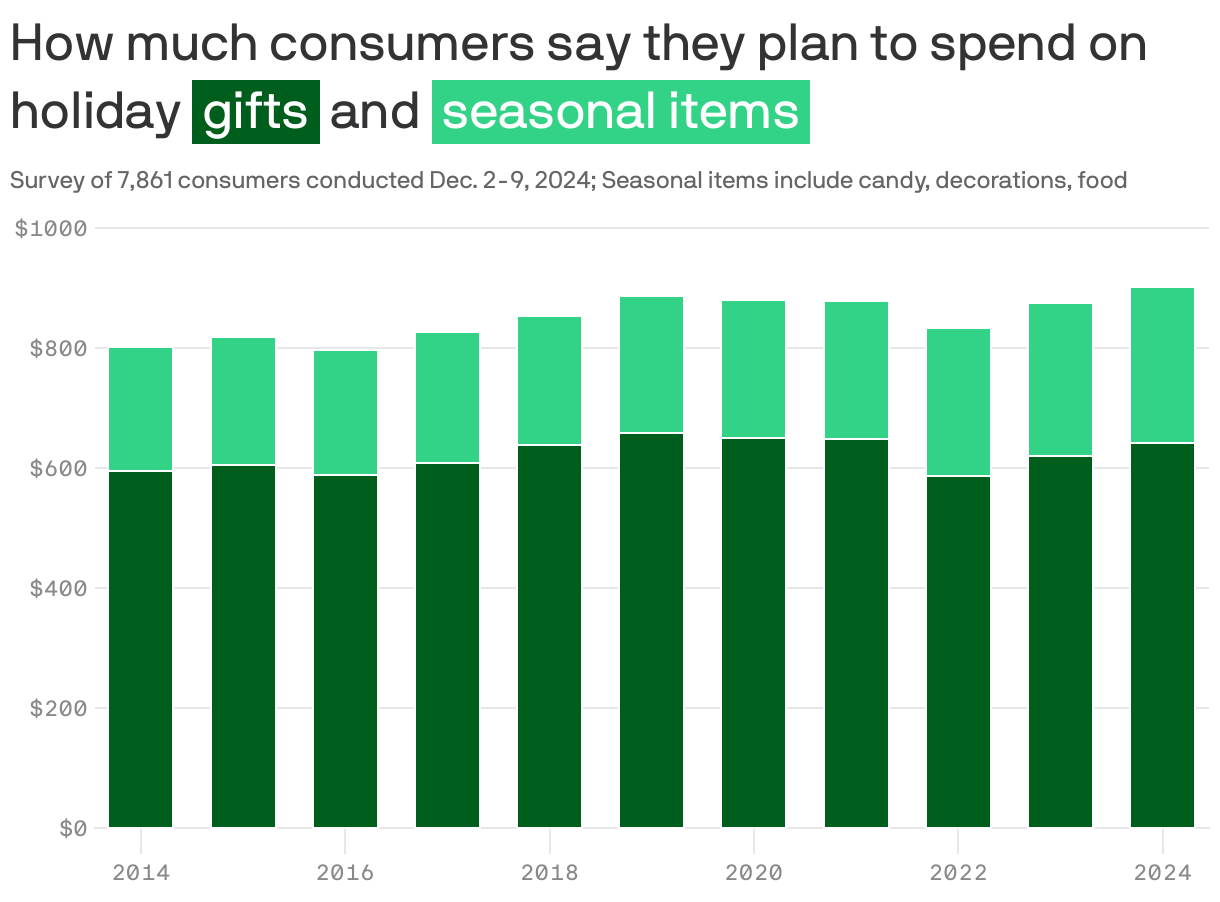
The big picture: Shoppers are projected to spend between $979.5 billion and $989 billion during the Christmas season, per an annual survey from the National Retail Federation and Prosper Insights & Analytics.
The Consumer Financial Protection Bureau filed a lawsuit against Walmart and its fintech partner, Branch Messenger, over a worker payment program that allegedly forced last-mile drivers to open costly deposit accounts to get paid.
Why it matters: The CFPB is issuing a flurry of enforcement actions and rules proposals in the waning days of the Biden administration.
Why it matters: The deal values the luxury department store retailer founded in 1901 at $6.25 billion, ending a nine-month saga and giving Nordstrom a chance to right the ship as a private entity.
More than 9.1 million Texans will travel 50 miles or more before the new year, per AAA.
Why it matters: A record 119 million Americans are projected to travel for Christmas and the New Year, narrowly surpassing the previous record set in pre-pandemic 2019.
State of play: More Texans are traveling this year than last year, but this holiday period's travel is still expected to be 4% lower than in 2019, per AAA.
Most travelers will be hitting the road, but air travel in Texas is projected to increase 8% this year compared to last.
The intrigue: The number of Texans traveling by bus, train or cruise for the holiday is up 8.8% compared to last year and up 5.5% from 2019. Those are the only types of travel in Texas to surpass pre-pandemic levels.
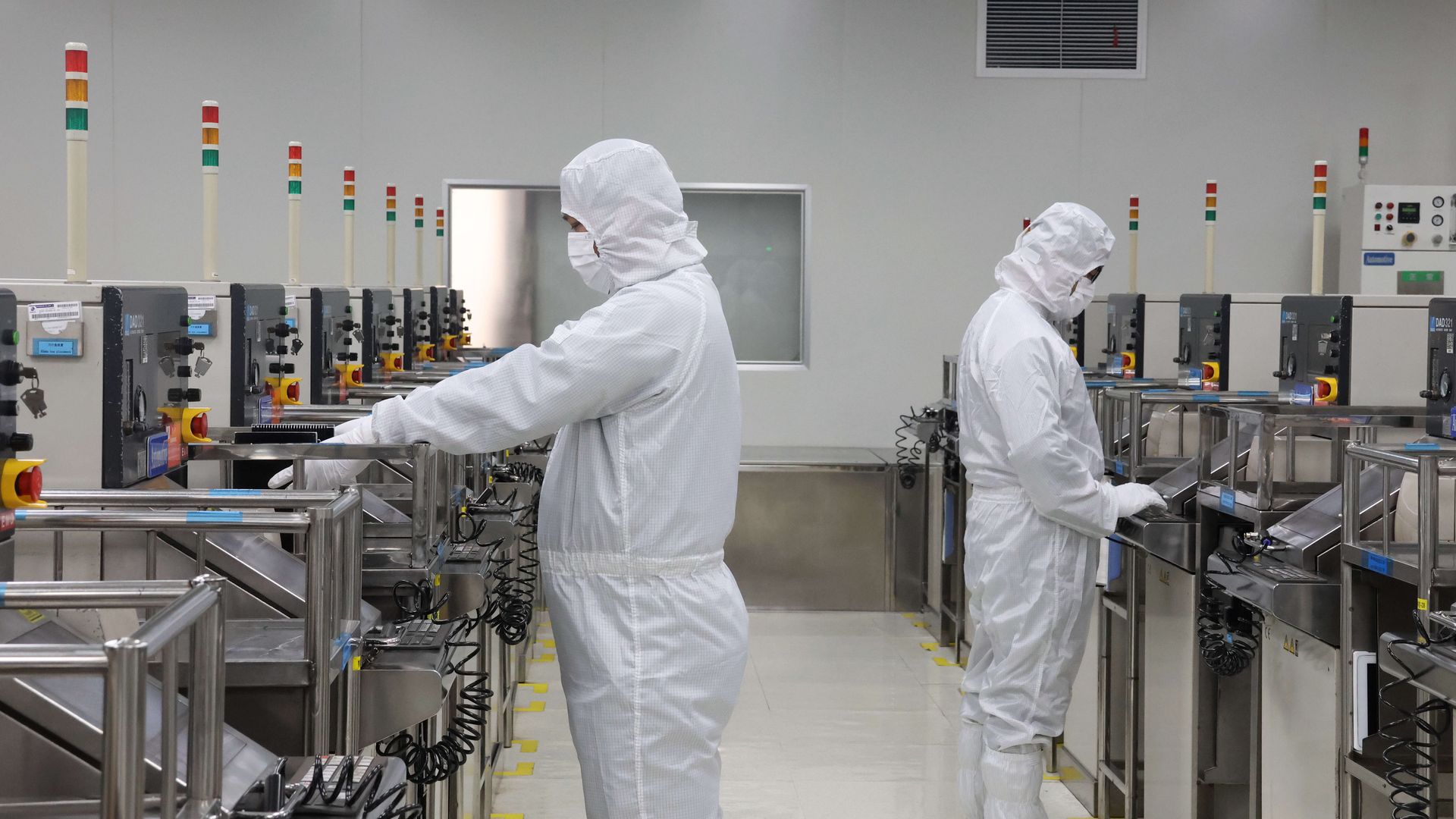
Why it matters: It is a first step toward possible measures, like tariffs, that might seek to squeeze China-made chips out of U.S. products. But with one month left in office, the fate of the investigation — and the ultimate remedies — rests with President-elect Trump.
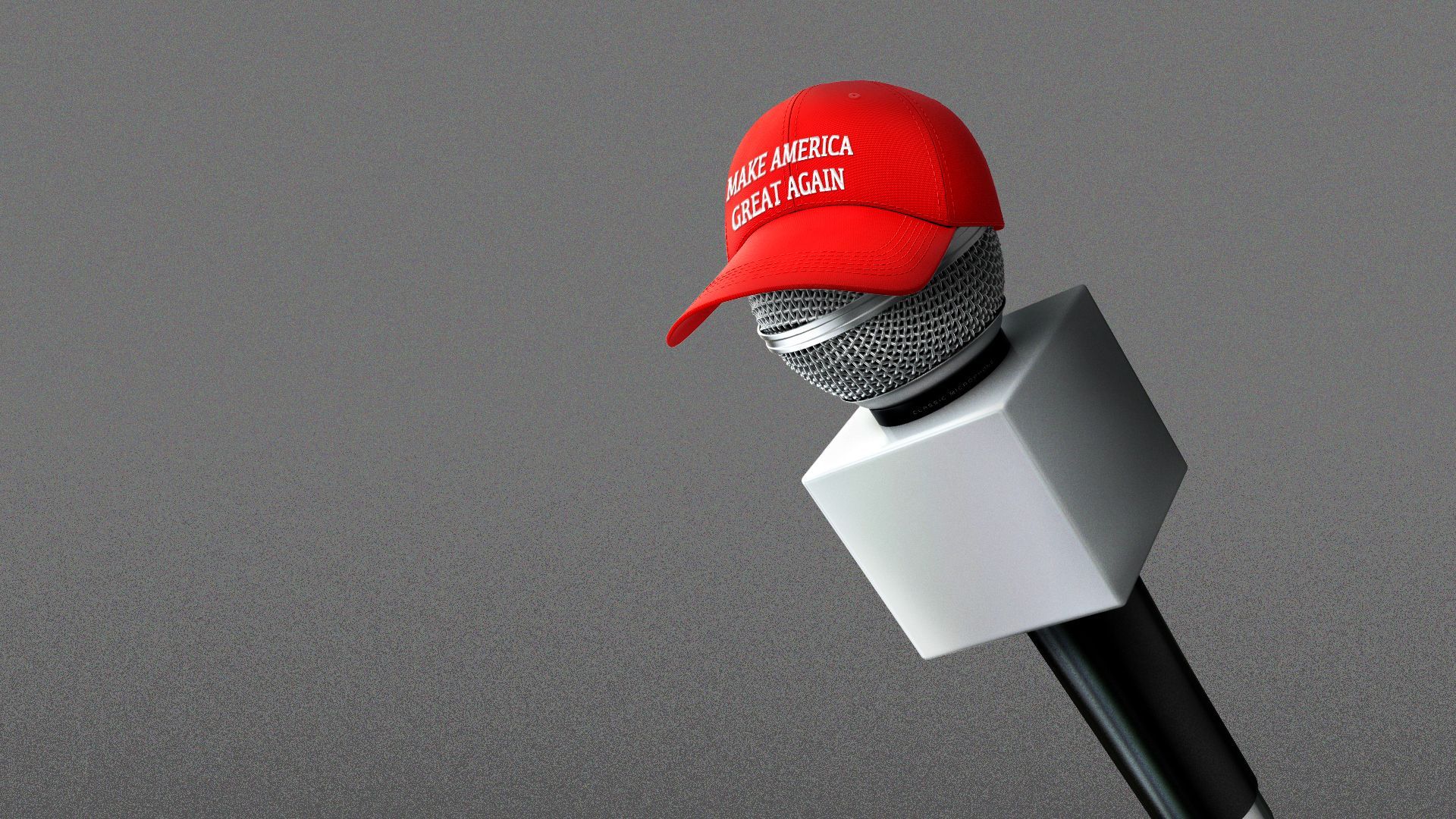
Fearing political retribution and strained by new business challenges, media companies that once covered President-elect Trump with skepticism — and in many cases, disdain — are reconsidering their approach.
Why it matters: Trump's decisive victory in November has forced media executives to put their business interests ahead of their personal politics.













/2024/12/09/1733744245913.gif?w=3840)