If a 100% tax was a stiff jab in the effort to keep Chinese EVs off U.S. roads, the Biden administration just dropped a decisive uppercut.
Between the lines: Today's newly proposed ban on certain connected-vehicle technologies is less about fixing a problem that's already here, and more about preventing what's to come.
Judges in the Third Circuit Court of Appeals had tough questions for the Securities and Exchange Commission today in the lawsuit where the crypto exchange Coinbase has demanded new rulemaking for the blockchain industry.
Why it matters: Coinbase is asking for an "extraordinary remedy," that the court order the agency to engage in writing rules that it has repeatedly said are not necessary nor a priority.
Republican members of Congress from both chambers urged the Securities and Exchange Commission in a letter today to rescind its special rule for accounting for cryptocurrency assets.
Why it matters: The one and only issue so far to unite Congress enough to pass a piece of crypto-related legislation through both chambers has been the rule in question, known as SAB 121.
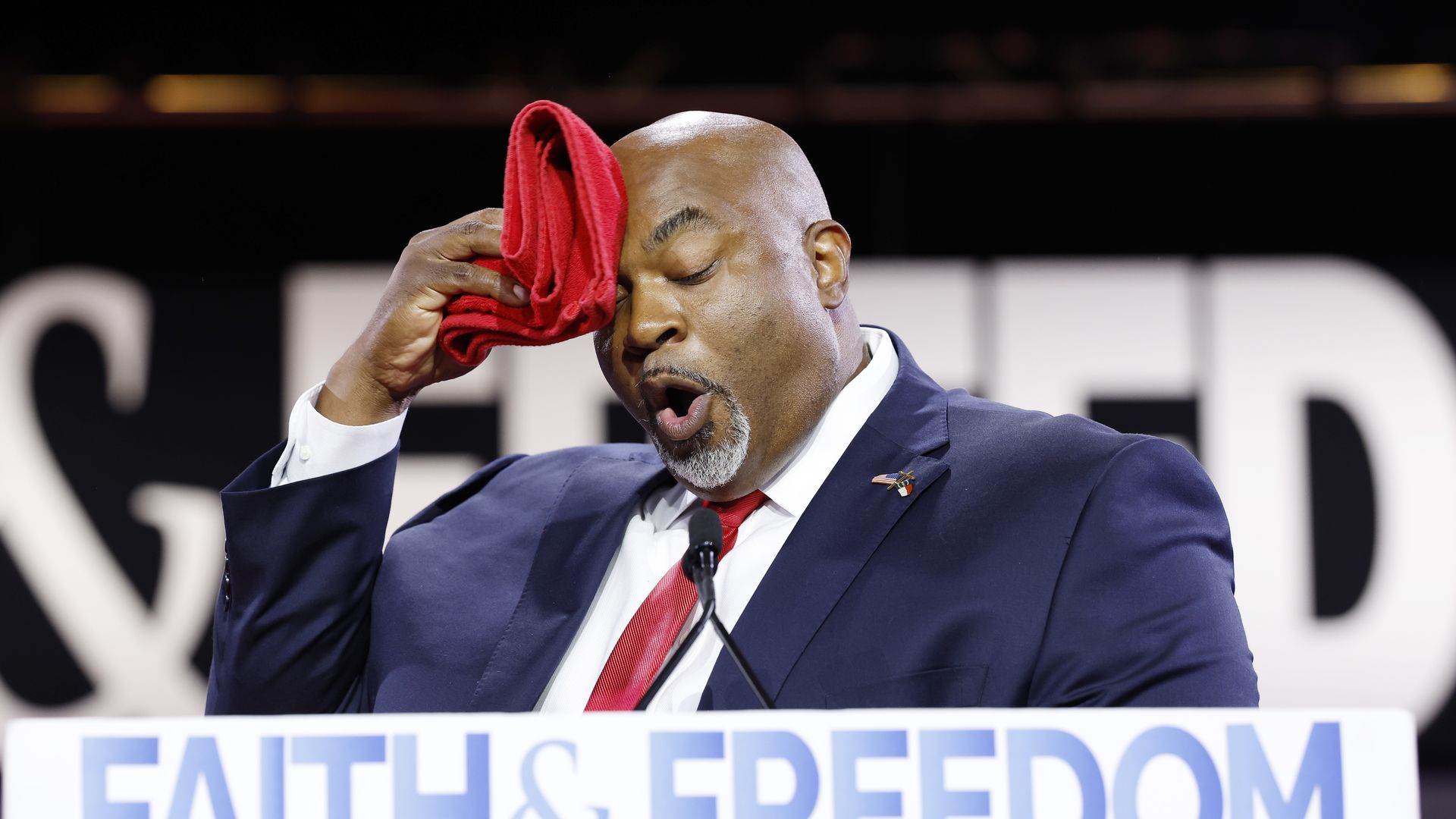
North Carolina Lt. Gov. Mark Robinson threatened legal action against CNN Monday, characterizing the explosive report that cast his gubernatorial campaign into controversy as "salacious false lies."
Why it matters: TheCNN report that unveiled a series of inflammatory and lewd comments Robinson reportedly made on a porn messaging forum — including calling himself a ""black NAZI" — preceded an avalanche of staff resignations and prompted headaches for the Trump campaign in a critical swing state.
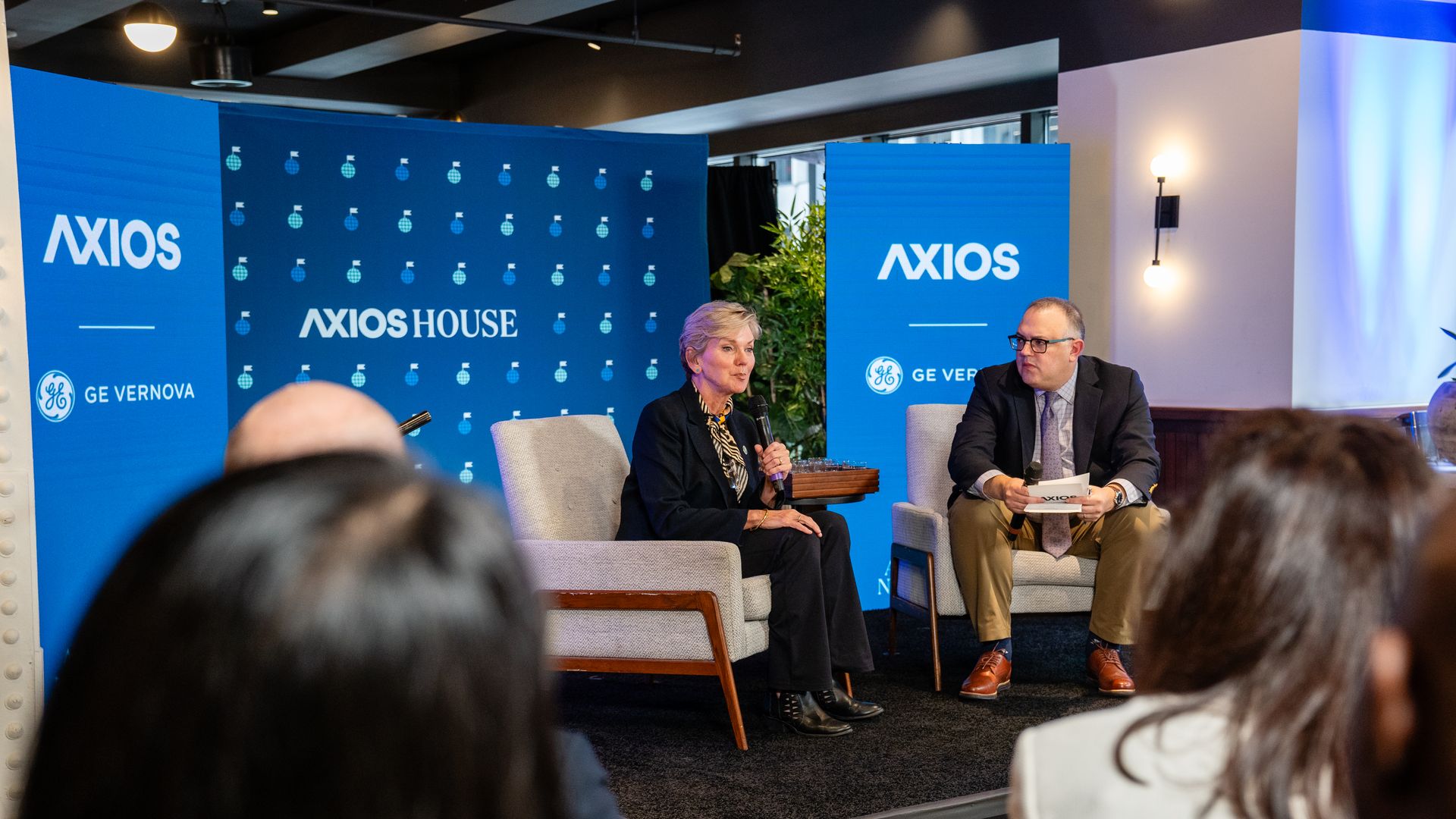
Energy Secretary Jennifer Granholm sees "extremely positive" signs in the potential reactor revival at the Three Mile Island nuclear plant, she told Axios.
Why it matters: Rising power demand from AI data centers and new manufacturing has both Congress and the Biden administration increasingly bullish on nuclear power.
The fossil fuel industry's push for natural gas and carbon capture technology is causing the world to fall short on climate goals, former presidential climate envoy John Kerry told Axios.
Why it matters: Recent global climate accords have dictated that countries need to speed up the transition away from fossil fuels to achieve net-zero emissions by 2050 and slow the warming planet.
The Commerce Department is proposing a ban on Chinese software and hardware in connected and autonomous vehicles operating on U.S. roads, citing national security concerns.
Why it matters: The Biden administration is concerned that Chinese companies could collect data about U.S. drivers and infrastructure or that vehicles connected to the internet could be manipulated by foreign governments.
If you're planning to visit Axios House during Climate Week, here's four words of advice: Don't take an Uber.
Why it matters: Traffic in midtown Manhattan — where congestion pricing still hasn't been implemented — has literally never been worse, per a new report from New York Senator Brad Hoylman-Sigal and Gridlock Sam Schwartz.
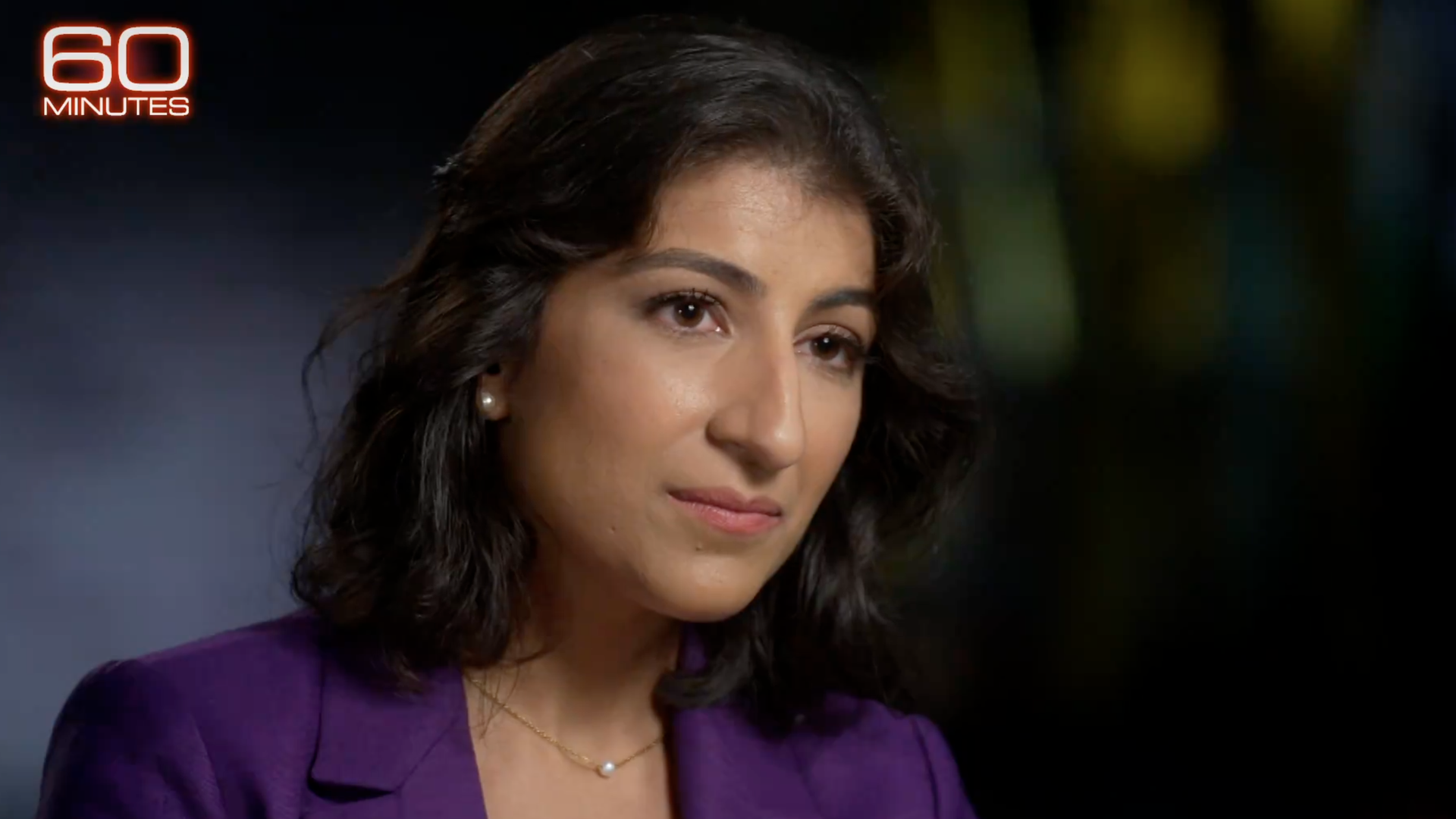
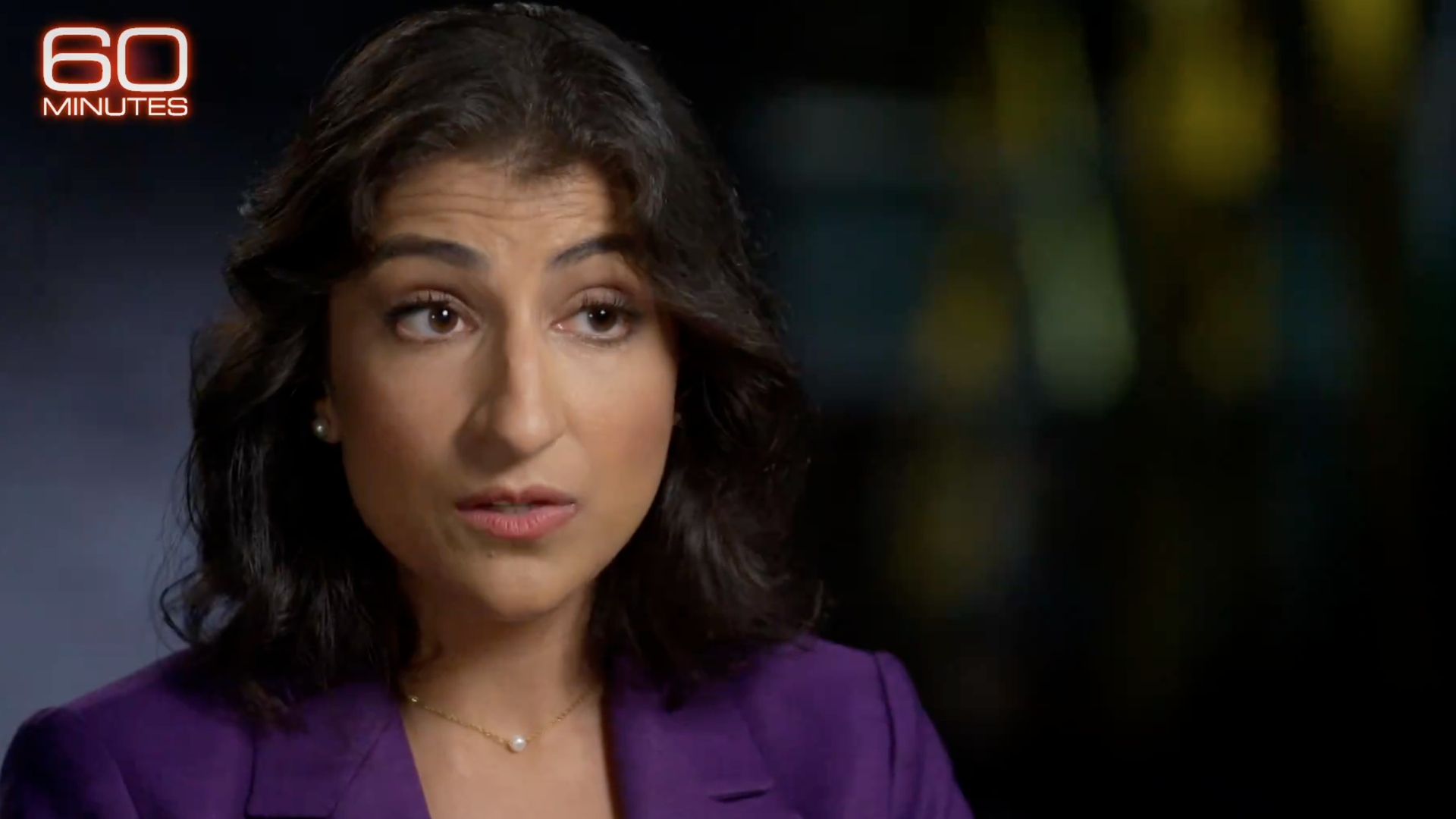
Lina Khan, chair of the Federal Trade Commission, defended her agency's aggressive antitrust record in an interview on "60 Minutes" Sunday, and said she'd be honored to work in a Harris administration.
Driving the news: Khan, the youngest-ever chair of the FTC, has had an historically aggressive run that could be soon coming to an end if former President Trump wins the presidency or if Vice President Kamala Harris decides to appoint another Democrat to head the agency.
Federal Trade Commission Chair Lina Khan suggested in an interview broadcast Sunday that the largest-ever proposed grocery merger could increase shopping costs if the deal goes through.
Why it matters: The trial of the planned merger of Kroger and Albertsons wrapped up last week and if the court sides with the FTC and grants an injunction, it would effectively kill the deal.