What could get cut as a result of the debt ceiling bill

Add Axios as your preferred source to
see more of our stories on Google.
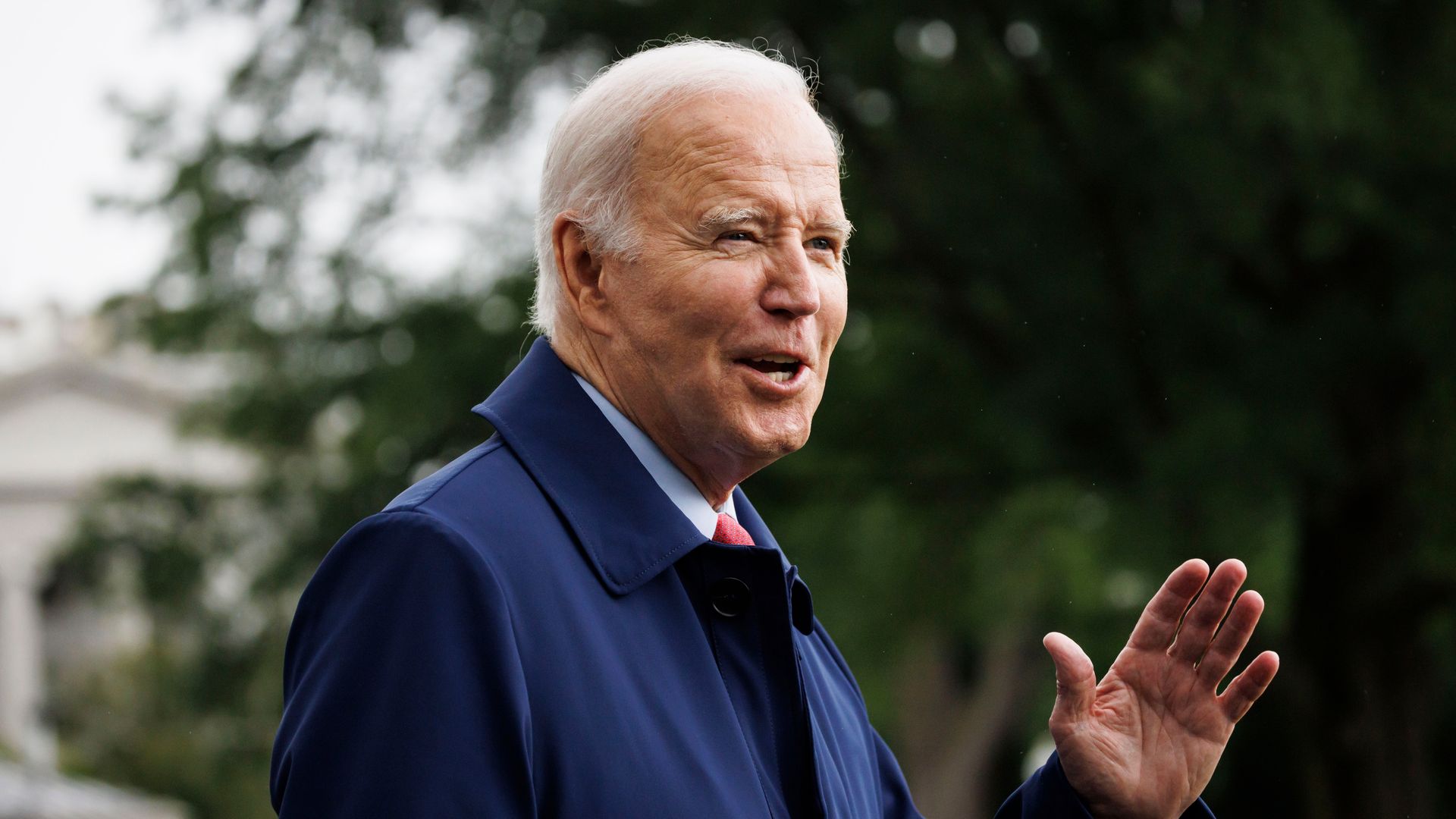
President Biden speaks on the South Lawn of the White House before boarding Marine One on May 29. Photo: Ting Shen/Bloomberg via Getty Images
The bipartisan debt ceiling deal impacts some key areas of President Biden's agenda, from student loans to pandemic-era funding.
The big picture: The agreement, which forgoes any major public policy overhaul, would raise the debt ceiling until January 2025 and was hatched only days before the U.S. could hit a potentially catastrophic default.
- The U.S. House passed the bill on Wednesday, sending it to the Senate and putting the U.S. on track to avert a government default as the June 5 X-date looms.
- Biden and House Speaker Kevin McCarthy struck the deal, known as the Fiscal Responsibility Act, Saturday following weeks of tense negotiations.
- Here are some impacted areas:
Unspent COVID-19 relief funds
- The bill claws back roughly $29 billion in unspent funding intended for federal agencies to combat the pandemic.
- As of Jan. 31, $90.5 billion, approximately 2%, of COVID-19 relief funds were still available, according to the U.S. Government Accountability Office.
- "The American people are tired of politicians who use Covid as an excuse for more extreme inflationary spending," McCarthy said last month on the House floor.
- "If the money was authorized to fight the pandemic but was not spent during the pandemic, it should not be spent after the pandemic is over."
Of note: It does preserve funding for veterans’ health care and developing next-generation COVID treatments.
IRS funding
- The deal also rescinds $1.9 billion of the $70 billion in funding for new Internal Revenue Service agents over the next 10 years in the Inflation Reduction Act.
- House Republicans earlier this year passed a bill that would slash tens of billions of funding dollars for the IRS, an ongoing sticking point in budget clashes. The bill did not have a shot in the Democratic-led Senate.
- The White House said it doesn't expect the budget cuts to "fundamentally change what the IRS does over the course of the next few years."
Student loan repayment pause
- The deal also ends Biden's pause on student loan repayments by the end of August and blocks the Biden administration from implementing any future extensions on repayments.
- McCarthy said on "Fox News Sunday" that the deal would end the pause on student loan payments, which have been paused since March 2020, "within 60 days of this being signed."
Flashback: Student loan repayments have been on pause since March 2020, when former President Trump issued the first pause of many during the pandemic.
- Education Secretary Miguel Cardona said earlier this month that the current pause on student loan repayments will end "no later than June 30."
Of note: The deal does not touch Biden's historic student debt relief program, which is currently on hold by court challenges.
- Biden's proposal would cancel up to $20,000 in student debt for Pell Grant recipients and up to $10,000 for individual borrowers who make under $125,000 per year.
Zoom in: In addition to the cuts, the agreement also makes some changes to welfare work requirements, including adults who receive assistance through the Supplemental Nutrition Assistance Program.
- However, the number of people eligible for SNAP will actually go up as a result of the agreement, Axios' Felix Salmon reports from the Congressional Budget Office.
- The agreement also includes changes to permitting reform and defense spending.
Go deeper... House Democrats fracture on debt ceiling vote
