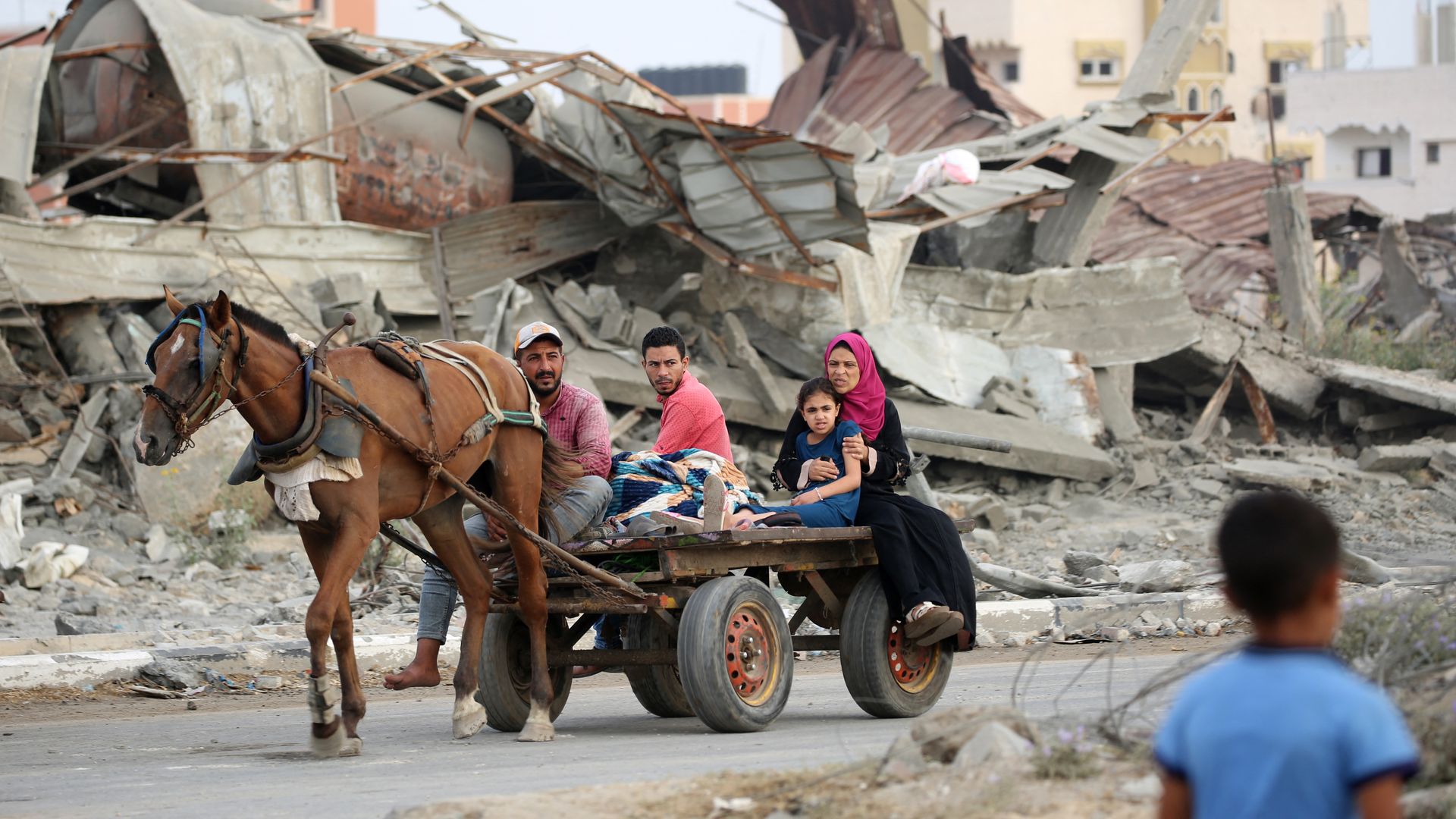
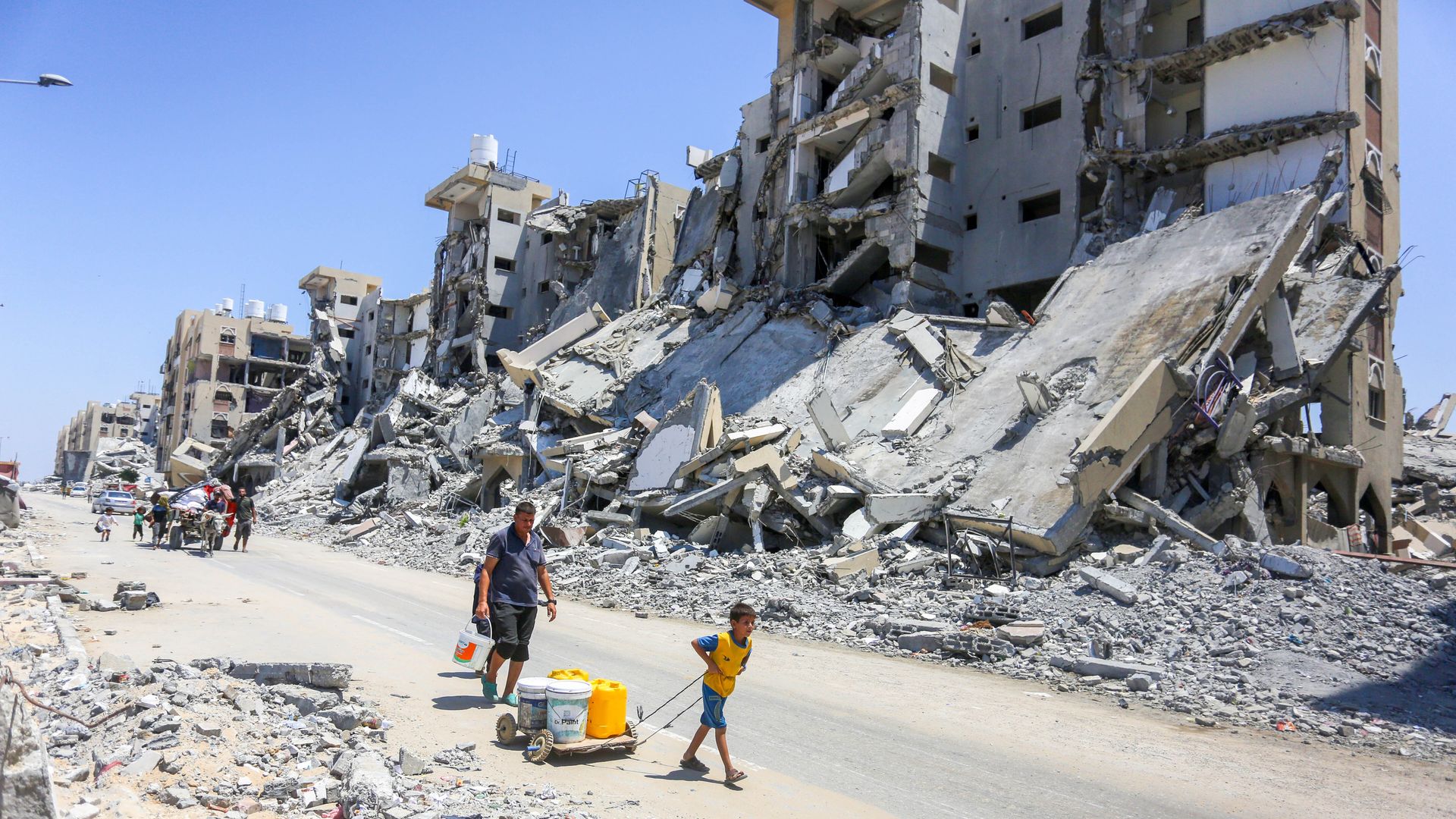
Hamas on Sunday rejected an updated U.S. proposal for a ceasefire and hostage deal in Gaza, blaming Israeli Prime Minister Benjamin Netanyahu for moving the goalposts and the U.S. for indulging him.
Why it matters: The White House had claimed significant progress had been made during talks in Doha over the last several days. The rejection of the new proposal, which was presented to the parties on Friday, makes President Biden's goal of getting a deal this week almost impossible.
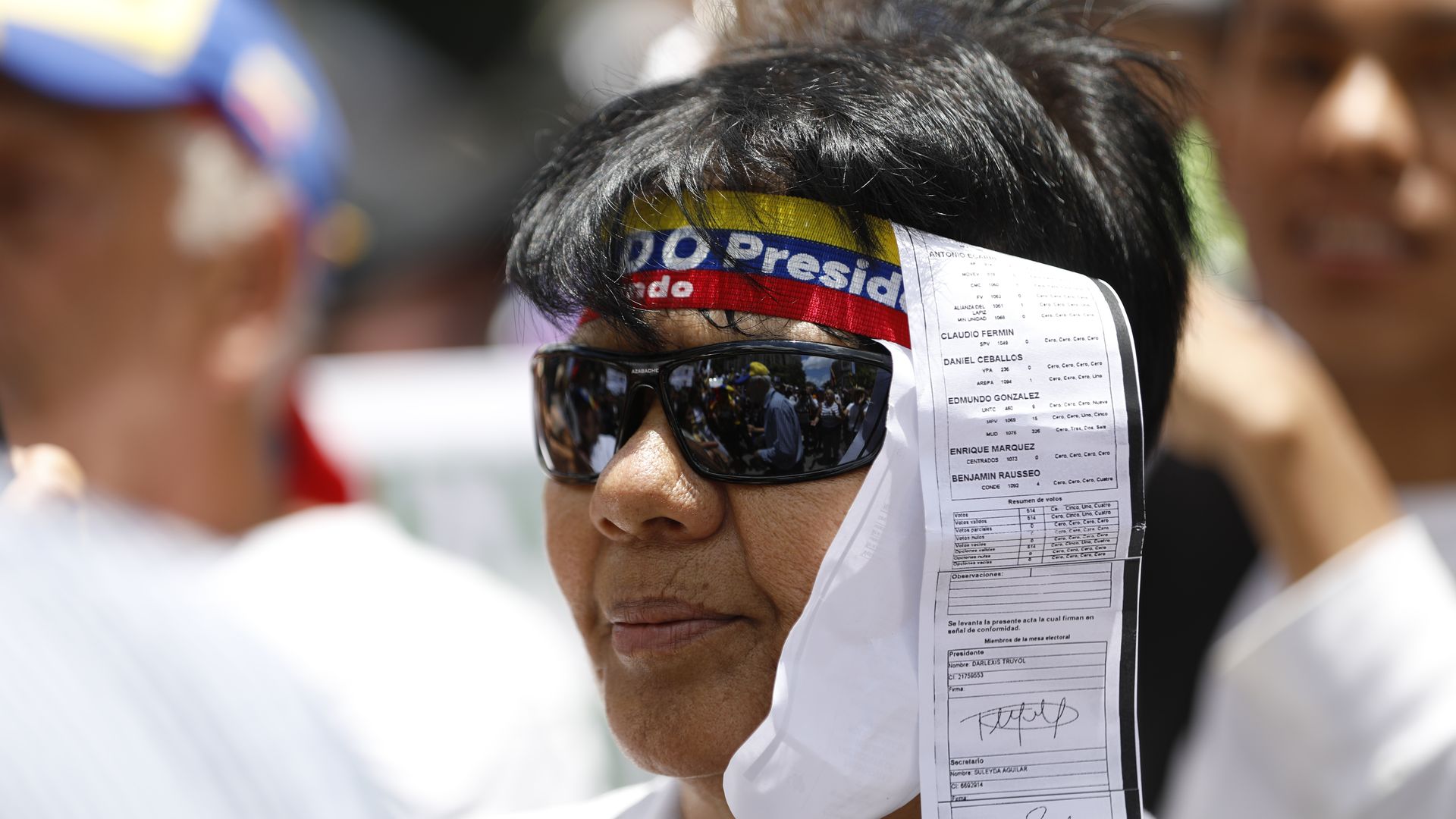
State of play: The protests remained peaceful and took place in several Venezuelan cities, in Spain (where many Venezuelans live), Portugal, Mexico and the U.S.
Students and universities are preparing for a reinvigorated pro-Palestinian protest movement this fall, following a boiling point during the spring semester. But it's unclear exactly how demonstrations will manifest.
The big picture: Fervent protests over the Biden administration's position on Israel could derail the burgeoning candidacy of Vice President Kamala Harris, who has largely managed to avoid the left's ire since she launched her presidential candidacy last month.
President Biden is aiming to get a Gaza ceasefire and hostage release deal by the end of next week while also trying to deter Iran and Hezbollah from conducting an attack on Israel that could undermine this effort, U.S. officials say.
Why it matters: Biden and his aides say they feel they are closer than ever to getting a deal that could lead to the release of hostages being held by Hamas in Gaza, including American citizens, and end 10 months of war that has killed more than 1,600 Israelis and 40,000 Palestinians.
House Democrats attending the Democratic National Convention next week are being advised by congressional security officials not to book hotel rooms under their own names or engage with protesters if confronted, Axios has learned.