Peru's Congress voted to oust President Pedro Castillo in an impeachment trial on Wednesday, shortly after he attempted to dissolve the legislative body and install an emergency government.
The big picture: Wednesday's events deepen the political crisis in the country, which has seen six presidents in as many years amid corruption investigations and impeachments.
The Biden administration is pressing UN human rights chief Volker Türk not to expand the list of companies that operate in the Israeli settlements in the occupied West Bank, according to Israeli officials and an Israeli Foreign Ministry cable.
Why it matters: While the U.S. had a long-standing position of giving Israeli diplomatic backing in UN institutions and has opposed the blacklist in the past, it is unusual that the Biden administration is helping Israel on the issue given U.S. opposition to settlements in the West Bank.
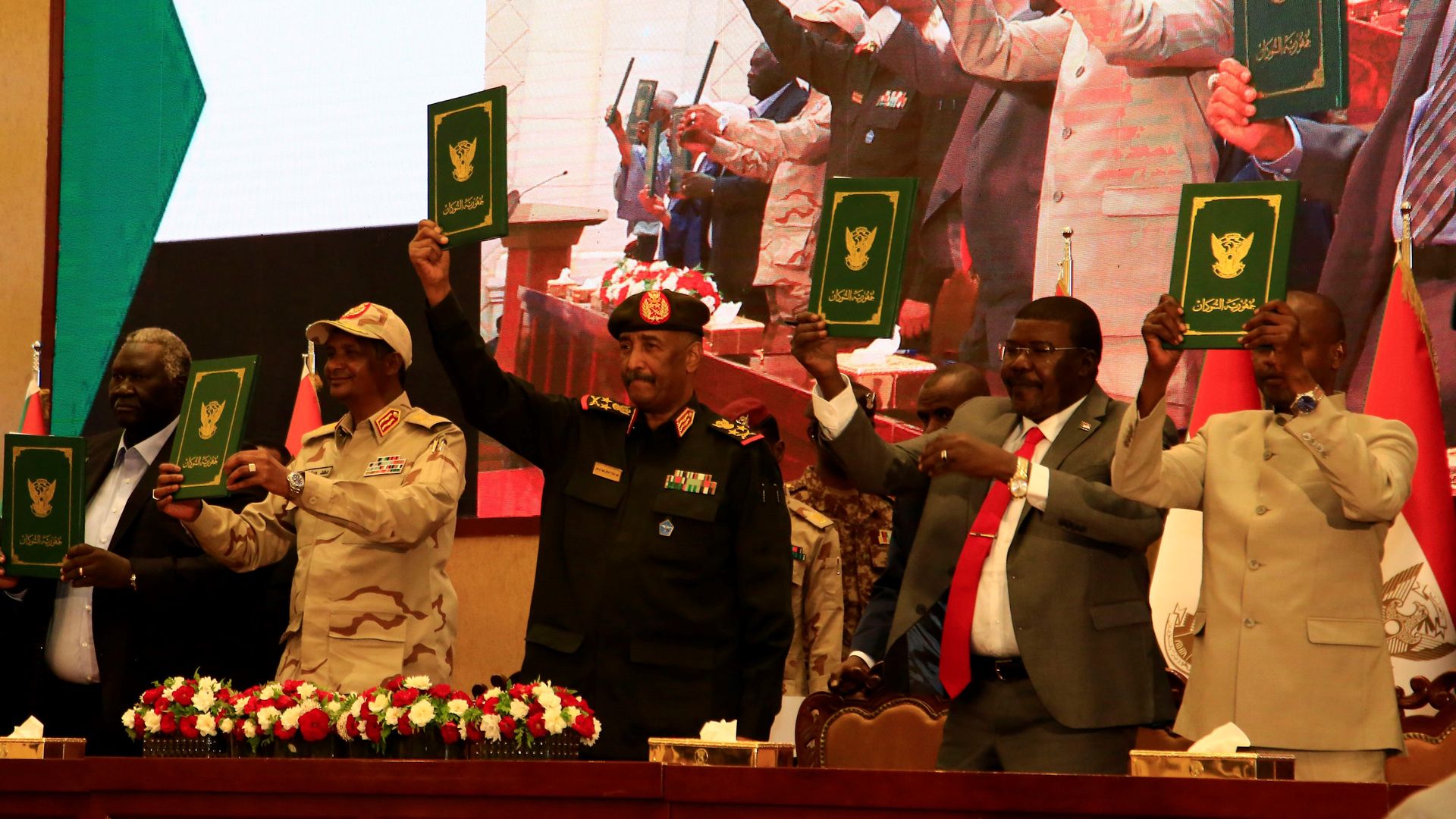
The Sudanese military and the country's coalition of civilian parties signed a political agreement on Monday, but there is still a lot of skepticism about whether it will truly lead to a transition to democracy in the country.
Why it matters: The agreement could be a first step toward the exit of the Sudanese military from the political system and the establishment of a full-fledged civilian government, though the specific details still must be worked out. The deal also doesn't have the support of several key players.
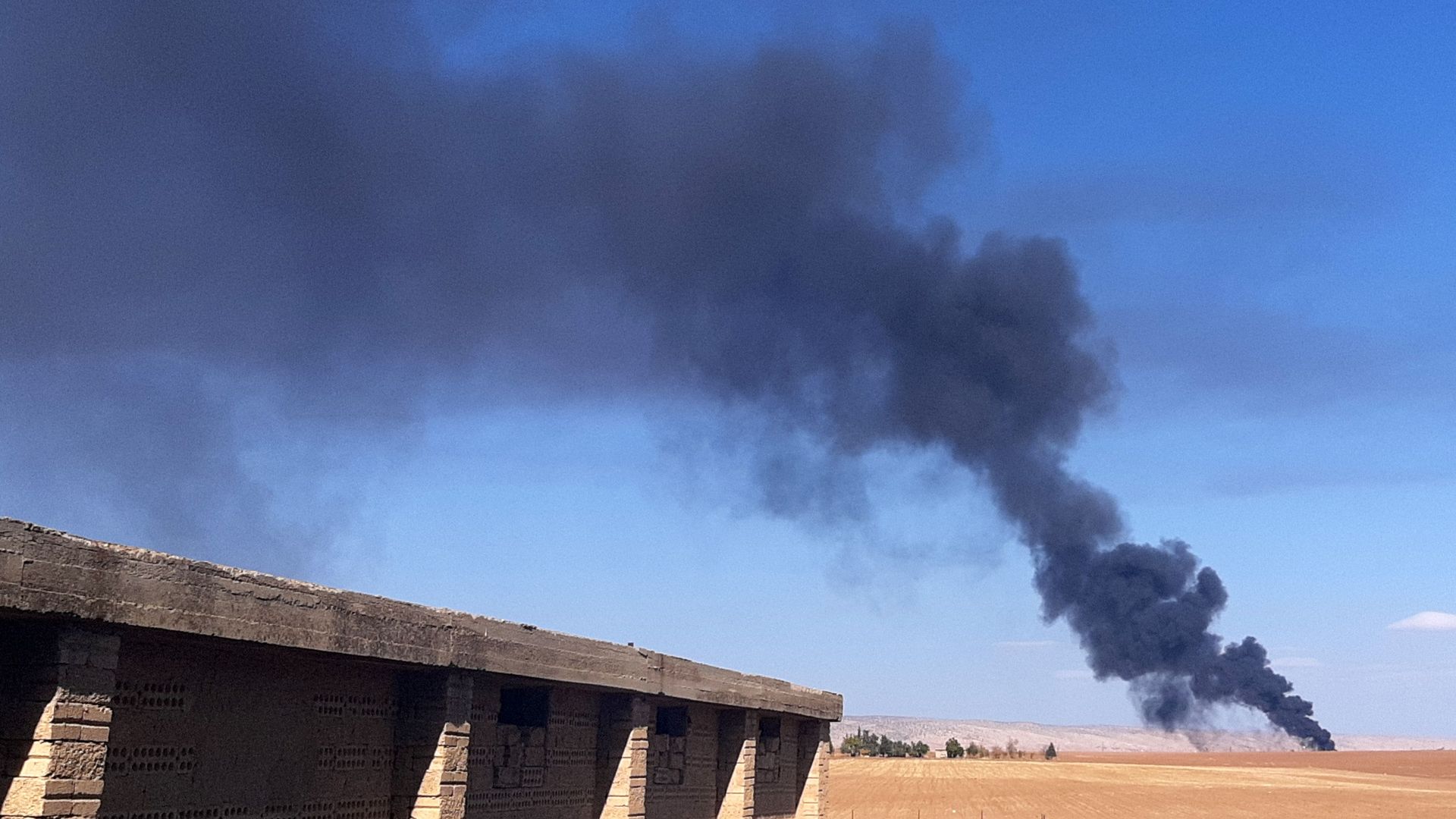
CIA director Bill Burns gave his Turkish counterpart a strongly worded message opposing the recent Turkish artillery strikes and airstrikes against the Kurds in northern Syria, warning that they put U.S. forces in danger, according to two U.S. sources with direct knowledge of the issue.
The big picture: Several of the airstrikes, which U.S. officials said endangered American forces in northern Syria, were conducted by the Turkish intelligence service using drones, according to the U.S. sources.
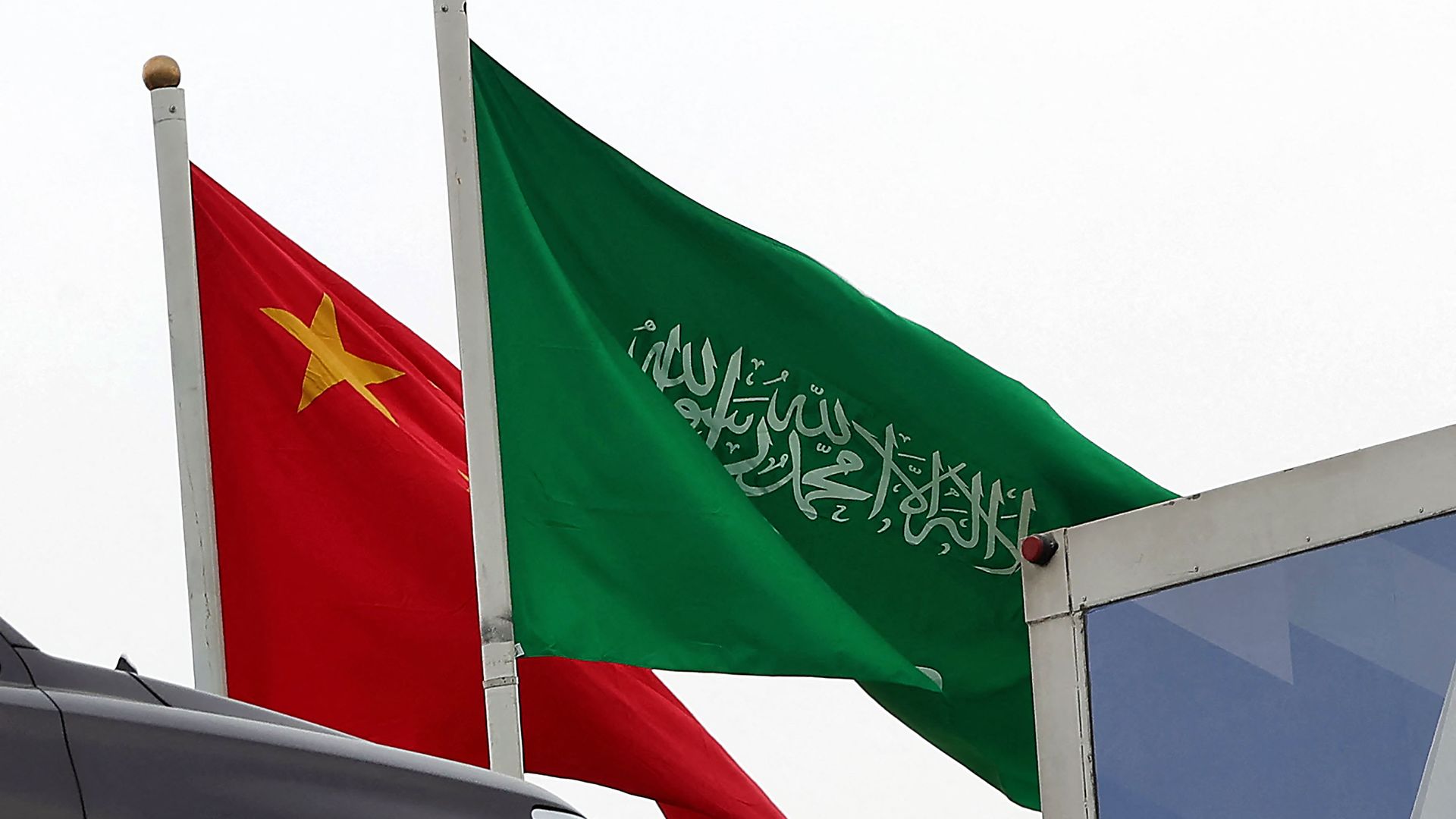
Chinese President Xi Jinping arrived in Saudi Arabia on Wednesday for a four-day visit that will include three summits with several Arab leaders.
Why it matters: The visit comes about five months after President Biden’s visit to Saudi Arabia, which included a summit with nine Arab leaders that was aimed at asserting U.S. leadership in the Middle East as part of the global competition with China.
The White House held a high-level meeting last week to discuss its approach toward the new Israeli government and the possibility of not engaging with some of its ultranationalist ministers, two U.S. officials told Axios.
Why it matters: It was the first such meeting since the Israeli elections took place on Nov. 1, and it was highly sensitive because Israel is one of the U.S.' closest allies.
The women of Iran have been named Time magazine's Heroes of the Year for leading the mass protests over the death of Mahsa Amini in the custody of the country's morality police.
Driving the news: A tribute written by former Time columnist Azadeh Moaveni acknowledges women's roles in past protests in Iran that have built toward this moment, while highlighting the singularity of the current movement.
German authorities on Wednesday arrested 25 members of a far-right group that prosecutors said was plotting to violently overthrow the government.
Driving the news: Authorities believe that 22 of the individuals arrested are suspected members of a "terrorist organization," while the remaining three are suspected supporters, according to a press release from Germany's federal public prosecutor.
China's government said Wednesday it is easing some of its key COVID-19 rules in a significant pivot for the country's pandemic strategy after nationwide protests.
The big picture: China — with its "zero COVID" policy — has implemented some of the world's strictest prevention measures throughout the pandemic. Authorities said they would roll back many of the policy's testing and quarantine requirements.
A growing number of GOP-led states are barring state employees and contractors from using TikTok on government-issued devices as the FBI warns of possible threats to national security posed by the Chinese-owned social media platform.
Driving the news: Texas became the latest to do so on Wednesday, joining South Dakota, South Carolina and Maryland, all of which banned the app on government devices in the past week. Wisconsin Republicans are urging their Democratic governor to do the same.